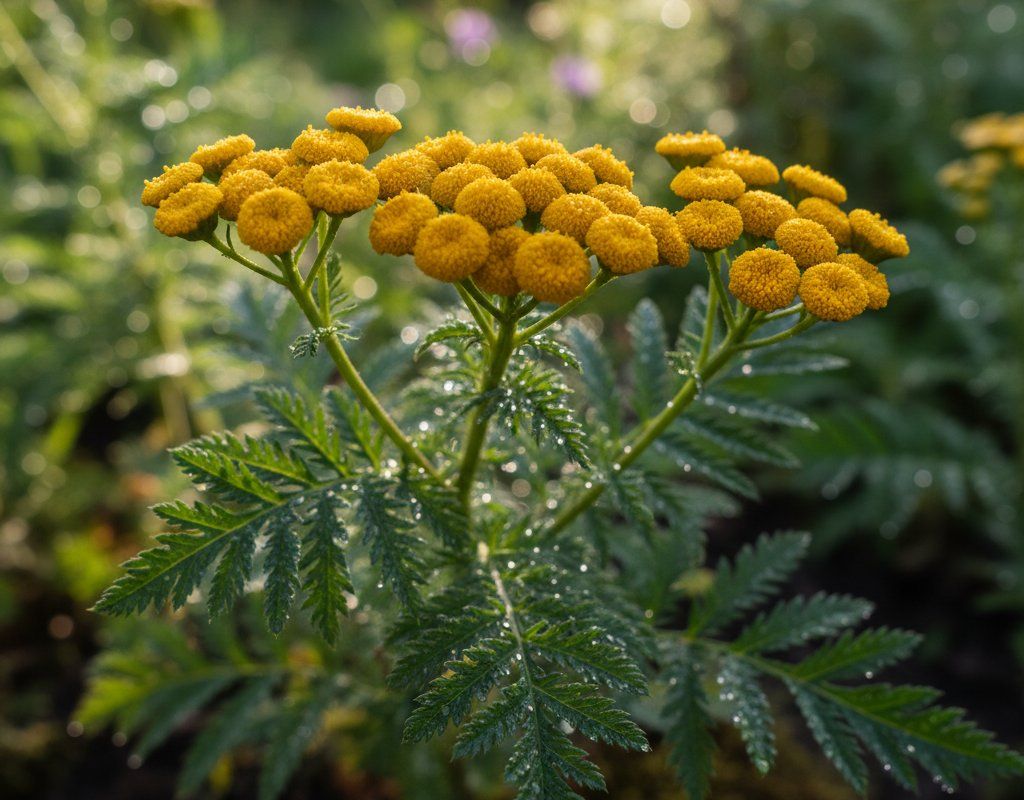
Tansy in Zone 6B — Mountain West
Tanacetum vulgare · Your Complete 2026 Planting Guide
Last Call for Seed Starting!
Indoor seed starting window closes in 10 days.
Start Seeds This Week
Start seeds now for transplanting later.
Or Wait for Starts
If you don’t want to start seeds, starts will be available around April 11.
How to Plant Tansy in Zone 6B — Mountain West
Here are all your options for getting tansy in the ground, from the easiest method to more advanced approaches.
Direct Sow Seeds
RecommendedMid April through early July
around April 11
Consider succession planting every 2-3 weeks for continuous harvest.
Start Seeds Indoors
RecommendedLate February through mid March
around February 28
Then transplant: Mid April through early May
Start seeds 6-8 weeks before transplanting outdoors.
Buy Starts
Works WellMid April through early May
around April 11
Plant purchased starts after last frost (April 25).
Transplant Outdoors
Timing InfoMid April through early May
around April 11
Can tolerate light frost, but wait for soil to be workable.
You have a nice window — no need to rush.
Overview
Tansy might not be the first herb you think of for your Mountain West garden, but its strong scent is a fantastic natural insect repellent, keeping pests away from your prized potatoes and squash. Plus, it's remarkably low-maintenance, practically thriving on neglect – a huge bonus in our dry climate. There's a certain satisfaction in growing something so useful with minimal fuss, especially when it helps your other plants flourish.
Our high altitude and short growing season (around 163 days) can make some gardening endeavors tricky, but Tansy is surprisingly well-suited. You can start seeds indoors or direct sow, and it's quite frost-hardy, giving you a good window to get it established. Timing is everything, but Tansy is flexible enough to fit into our Mountain growing schedule.
Starting Seeds Indoors
Starting Tansy indoors in our Mountain climate isn't strictly necessary, but it can give you a head start, especially if you're aiming for an earlier harvest. Begin in late February through mid March, about six weeks before you plan to transplant. Use seed trays with a good seed-starting mix, ensuring they have drainage holes.
Keep the trays in a warm spot, ideally around 70°F, and provide plenty of light – a grow light is beneficial given our often-cloudy late winter and early spring. Bottom watering is a great way to keep the soil consistently moist without overwatering the delicate seedlings; just set the tray in a shallow dish of water and let it soak up what it needs. Remember our spring weather is often cool and unpredictable, so indoor starting offers a safe haven.
Transplanting Outdoors
Once the danger of hard frost has passed, usually around mid April through early May, you can transplant your Tansy seedlings outdoors. Before planting, harden them off by gradually exposing them to outdoor conditions for about a week. Start with an hour or two of shade and increase the time and sun exposure each day.
Choose a spot with full sun to part shade and space the plants 12-18 inches apart. Our cool spring nights can sometimes linger, so keep an eye on the forecast and be prepared to cover the young plants if a late frost threatens.
Direct Sowing
Direct sowing Tansy is a perfectly viable option for us Mountain gardeners. Wait until the soil has warmed up a bit, generally mid April through early July. Prepare the soil by loosening it and removing any weeds or rocks. Tansy isn't too picky about soil, but it prefers well-drained conditions.
Sow the seeds thinly on the surface of the soil and gently press them in. Keep the soil moist until the seedlings emerge, which should take about two weeks. Once they're a few inches tall, thin them to 12-18 inches apart. Direct sowing is less work, but remember our unpredictable spring weather can sometimes delay germination.
Watering Tansy in Zone 6B (Mountain West)
Tansy is incredibly drought-tolerant, which is a huge advantage in our dry Mountain West climate. In fact, it thrives on neglect and too much water can actually make it more aggressive. During our typically dry summers, you'll rarely need to water established plants.
A good rule of thumb is to check the soil with the "finger test" – stick your finger about two inches deep into the soil near the base of the plant. If it feels dry, it's time to water. Aim for about 1 inch of water per week during the hottest periods, but only if it hasn't rained. Water at the base of the plant to avoid wetting the foliage, which can encourage fungal diseases, even in our low-humidity environment.
Signs of underwatering include wilting leaves and stunted growth. Overwatering can lead to root rot, indicated by yellowing leaves and a generally unhealthy appearance. A layer of mulch around the base of the plants helps retain moisture and suppress weeds, further reducing the need for watering.
Pruning & Maintaining Tansy
Pruning Tansy is mainly about keeping it in check and preventing it from taking over your garden. The key is to deadhead the flowers regularly throughout the season. This prevents the plant from self-seeding and spreading aggressively, which is a real concern with Tansy.
Simply snip off the spent flower heads as they fade. In the fall, after the first frost (around early October), cut the plant back to the ground. This helps tidy up the garden and prepares the plant for winter dormancy. Because Tansy is so vigorous, you might also consider growing it in a container to limit its spread, or using barriers in the soil.
🧪Fertilizing Tansy
Feeding Schedule
Organic Fertilizer Options
Harvest Time
You can start harvesting Tansy leaves as soon as the plants are established, usually around late June through mid October, about 75 days from sowing. Look for the button-like yellow flowers that bloom midsummer – this is a good indicator that the plant is mature. While Tansy has a long history of medicinal use, it's best known for its insect-repellent properties in the garden.
To harvest, simply snip off the leaves or stems as needed. Be mindful that Tansy can be toxic in large amounts, so it's not recommended for culinary use. Instead, use the harvested leaves to make insect-repellent sprays or place them around your garden to deter pests. To encourage continued production, harvest regularly throughout the growing season.
As the first frost approaches in early October, you can harvest any remaining leaves and dry them for later use. Even after cutting back the plant, the roots will survive the winter and send up new shoots in the spring.
Common Problems in Zone 6B (Mountain West)
Tansy is generally a tough and resilient plant, but there are a couple of common problems you might encounter in our Mountain West gardens: its invasive nature and aphids.
Invasive Spread
- What it looks like: Tansy spreads aggressively via rhizomes (underground stems) and seeds, popping up in unwanted areas of your garden.
- What causes it: Tansy is a vigorous grower and readily self-seeds. Our long summer days and intense sunlight contribute to its rapid growth.
- How to fix/prevent it: Contain Tansy by planting it in a container or using barriers in the soil to prevent the rhizomes from spreading. Regularly deadhead the flowers to prevent self-seeding. If it starts to spread, dig up the unwanted plants and be sure to remove all of the roots.
Aphids
- What it looks like: Clusters of tiny soft-bodied insects (green, black, or white) on stems and leaf undersides. Sticky honeydew residue. Curled or distorted new growth.
- What causes it: Rapid-reproducing sap-sucking insects. Populations explode in warm weather. Ant colonies may farm them for honeydew.
- How to fix/prevent it: Strong water spray knocks them off. Encourage ladybugs and lacewings (natural predators). Insecticidal soap for heavy infestations. Neem oil works systemically. Avoid excess nitrogen fertilizer (it attracts them).
Mountain West Specific Challenges: Our moderate-at-altitude heat and low humidity are generally favorable for Tansy. The dry climate helps prevent fungal diseases. However, the intense UV radiation can stress the plants, making them more susceptible to pests like aphids. Providing some afternoon shade during the hottest part of the day can help mitigate this.
Best Companions for Tansy
Plant these nearby for healthier Tansy and better harvests.
View Full Companion Planting Chart →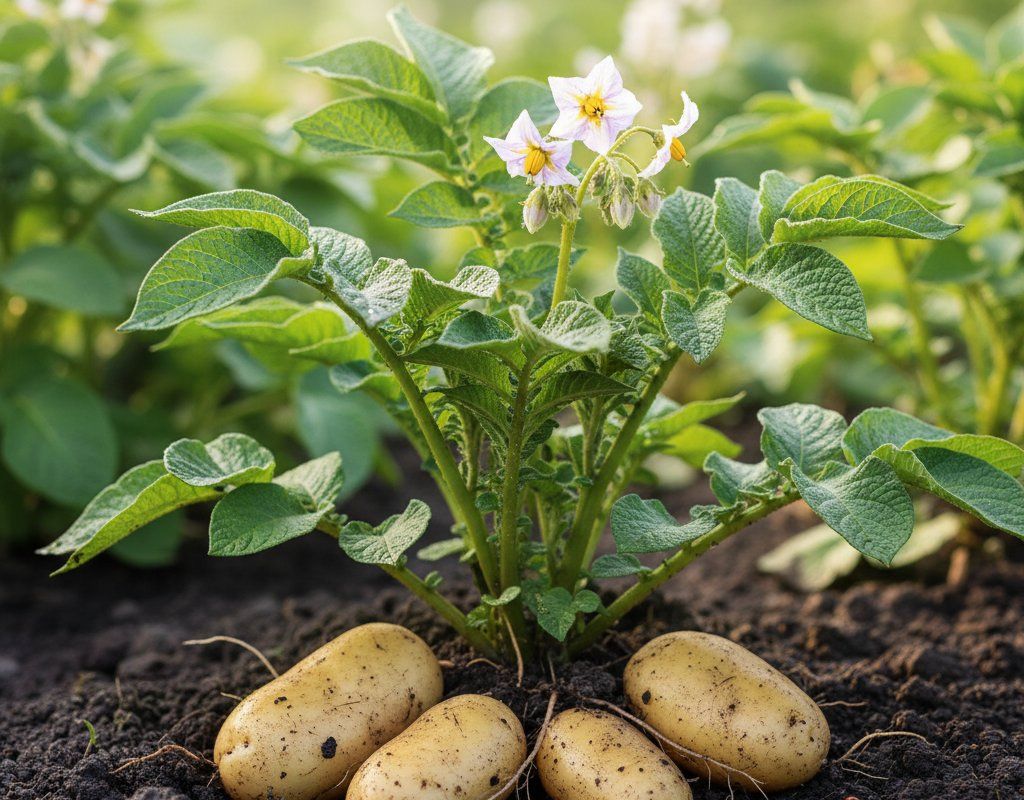


Companion Planting Details
Tansy is a great companion plant for several vegetables in our Mountain West gardens. It repels many common pests, making it a valuable addition to your planting scheme.
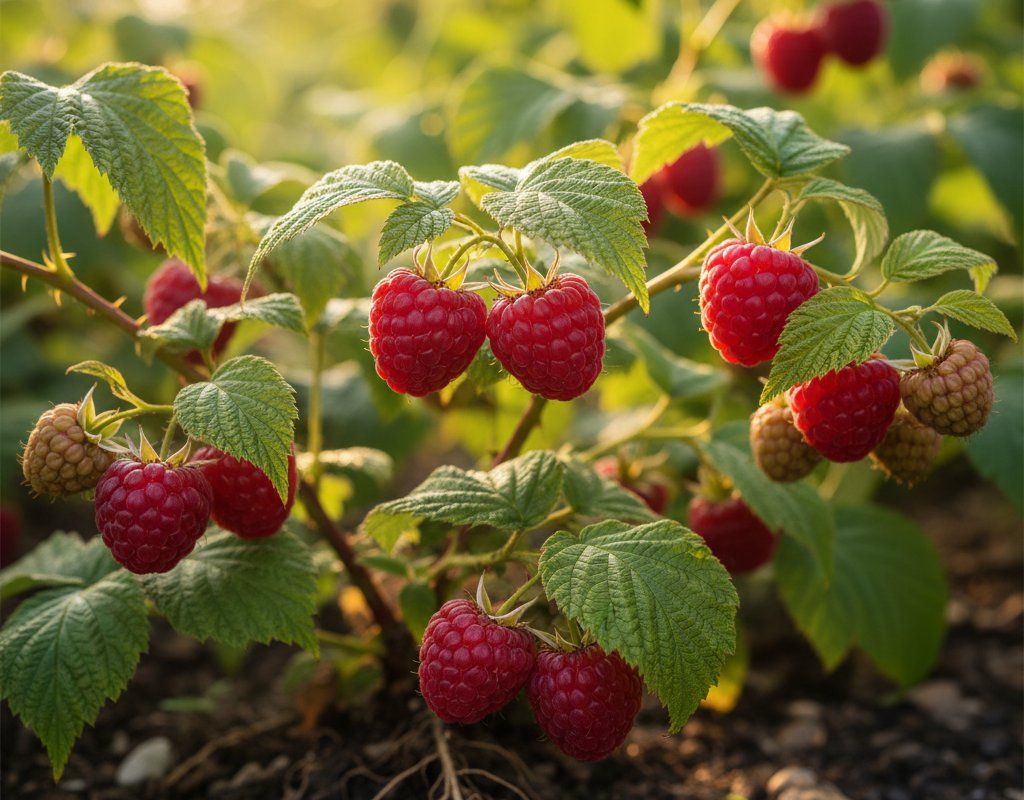
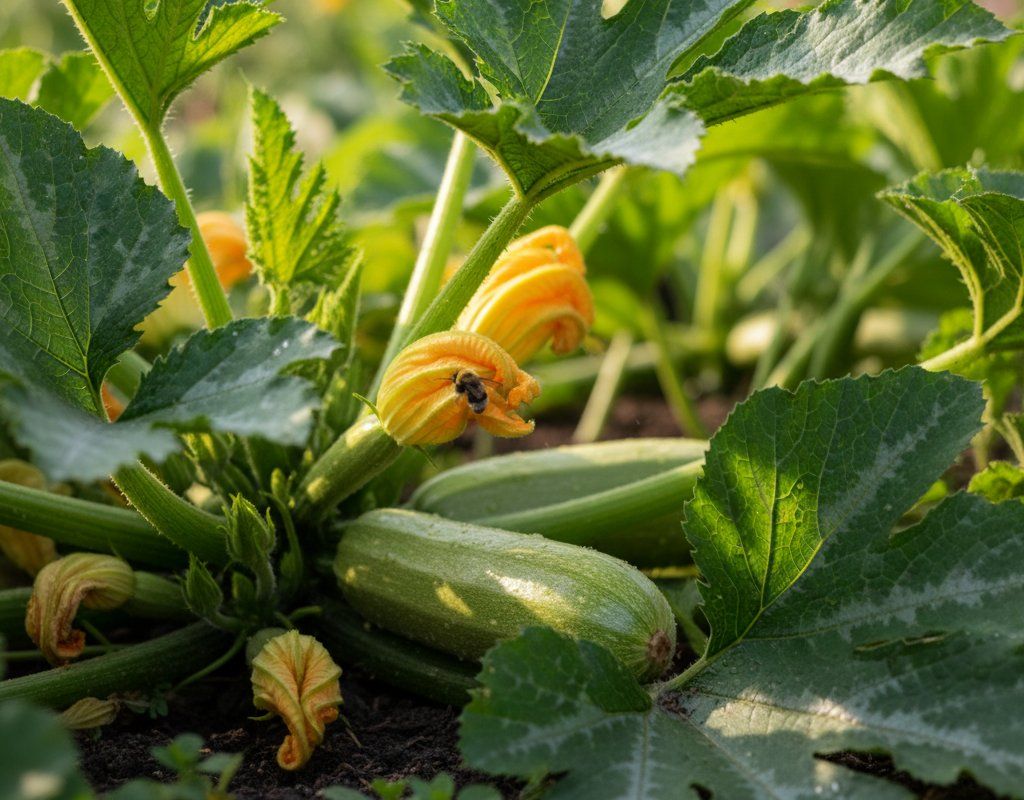
Good companions include potatoes, squash, and cucumbers. Tansy's strong scent deters potato beetles, squash bugs, and cucumber beetles, protecting these crops from damage. It also pairs well with raspberries, supposedly deterring raspberry beetles. The intense sunlight we get here helps Tansy produce even stronger-smelling oils, enhancing its pest-repelling abilities.
Avoid planting Tansy near brassicas like cabbage and broccoli, as it can inhibit their growth.
🥬Best Vegetables to Pair With Tansy
Tansy benefits these vegetables through pest control, pollinator attraction, or improved garden health.


Get a Reminder When It's Time to Plant
We'll email you when key planting windows open for your zone.