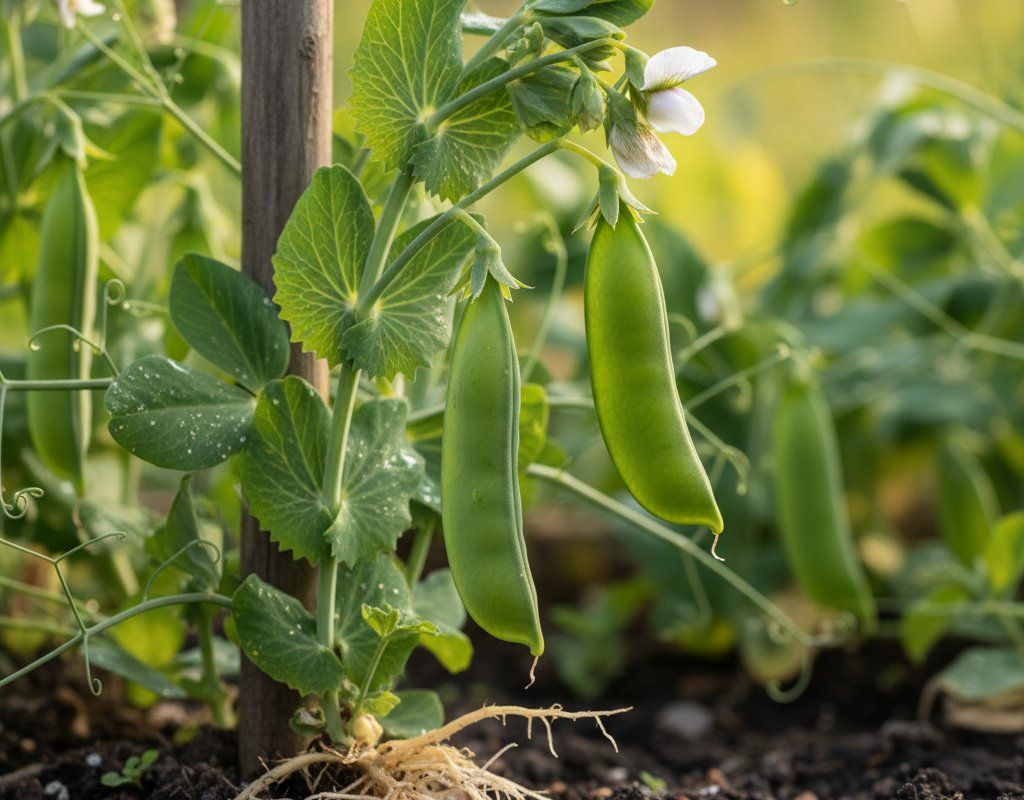
Snap Peas in Zone 8B — Pacific Northwest
Pisum sativum var. macrocarpon · Your Complete 2026 Planting Guide
Still Time to Sow!
The sowing window is still open for Snap Peas.
Sow Seeds Soon
Same as garden peas — direct sow in early spring.
How to Plant Snap Peas in Zone 8B — Pacific Northwest
Here are all your options for getting snap peas in the ground, from the easiest method to more advanced approaches.
Direct Sow Seeds
RecommendedLate February through mid August
around February 22
Consider succession planting every 2-3 weeks for continuous harvest.
Same as garden peas — direct sow in early spring.
Buy Starts
Works WellEarly March through early April
around March 8
Plant purchased starts after last frost (April 5).
Start Seeds Indoors
ChallengingThis plant is typically not started indoors.
Transplant Outdoors
Timing InfoEarly March through early April
around March 8
Can tolerate light frost, but wait for soil to be workable.
You have a nice window — no need to rush.
Fall Planting
Mid August through mid September
August 30 ideal · Direct sow for fall harvest
Plant a second crop in mid-summer for fall harvest. Snap Peas actually prefers the cooling temperatures of fall.
Overview
Snap peas are a delightful addition to any Pacific Northwest garden. Their crisp, sweet pods are delicious raw, stir-fried, or added to salads. Plus, the satisfaction of harvesting your own fresh produce, especially after our overcast spring days, is hard to beat.
While our region's mild summers can sometimes challenge heat-loving crops, snap peas thrive in our cooler conditions. With our long 210-day growing season, you have ample opportunity to plant multiple crops of these tasty legumes.
Transplanting Outdoors
You can transplant snap peas outdoors in early March through early April. Before transplanting, remember to harden off your seedlings. Give them about a week of gradual exposure to outdoor conditions so they can adjust to the cooler temperatures and brighter sunlight.
When transplanting, space the seedlings about 3-4 inches apart. Keep an eye on the weather forecast, as we can still get some chilly spells and late frosts during this time. Cover your young plants with row covers if a frost is predicted to protect them.
Direct Sowing
Direct sowing is the preferred and easiest method for growing snap peas in our region. You can start sowing seeds directly into the garden from late February through mid August. Snap peas are just like garden peas – they want to go in the ground early.
Make sure the soil temperature is at least 40°F. Prepare the soil by loosening it and adding compost. Plant seeds about 1 inch deep and 3-4 inches apart. Keep the soil consistently moist until the seedlings emerge.
Watering Snap Peas in Zone 8B (Pacific Northwest)
Consistent watering is key to getting plump, sweet snap pea pods, especially during our dry summer months. While snap peas are more tolerant of heat than shell peas, they still need regular moisture. Our dry summers means you'll need to be diligent.
During the wet springs, you might not need to water at all, but once the dry summer months arrive, check the soil moisture regularly. Use the "finger test" – stick your finger about 2 inches deep into the soil. If it feels dry, it's time to water. Aim for about 1 inch of water per week, either from rainfall or irrigation. Water at the base of the plants to avoid wetting the foliage, which can help prevent fungal diseases in our region, even though our humidity is relatively low.
Signs of underwatering include wilted leaves and shriveled pods. Overwatering can lead to yellowing leaves and root rot. A layer of mulch, such as straw or wood chips, can help retain moisture and regulate soil temperature, which is beneficial in our climate.
Supporting Your Snap Peas
Snap peas are vines and need support to climb. A trellis is the best option, allowing the plants to grow vertically and maximizing your garden space. String trellises, chicken wire, or even repurposed pea brush all work well.
Install the support at planting time to avoid disturbing the roots later. A trellis that is 4-6 feet tall is usually sufficient. Gently train the vines to climb the support as they grow.
🧪Fertilizing Snap Peas
Feeding Schedule
Organic Fertilizer Options
Harvest Time
You can expect your first harvest of snap peas in late April through early November, about 60 days after planting. The pods are ready to harvest when they are plump, crisp, and the peas inside are fully developed. The entire pod is edible.
Harvest snap peas regularly to encourage continued production. Use scissors or pruning shears to snip the pods from the vine, being careful not to damage the plant. As the first frost approaches in early November, harvest all remaining pods, even if they are not fully ripe. They can still be eaten, though they may not be as sweet.
Common Problems in Zone 8B (Pacific Northwest)
Here are some common problems you might encounter with snap peas in the Pacific Northwest:
Powdery Mildew
- What it looks like: White or grayish powdery coating on leaves, stems, and sometimes pods. Leaves curl, yellow, and die. Reduces plant vigor.
- What causes it: Various fungi that thrive in warm days, cool nights, and moderate humidity. Dry leaf surfaces actually favor it (unlike most fungi).
- How to fix/prevent it: Improve air circulation through spacing and pruning. Remove affected leaves. Neem oil or potassium bicarbonate sprays help. Milk spray (1 part milk to 9 parts water) is surprisingly effective. Plant resistant varieties.
Pea Aphids
- What it looks like: Small, soft-bodied insects, often green, clustered on stems and undersides of leaves. Leaves may be curled, distorted, or yellowed. Sticky honeydew may be present.
- What causes it: Aphids are attracted to stressed plants. Warm, dry weather can exacerbate infestations. They suck plant sap, weakening the plant.
- How to fix/prevent it: Strong blast of water from a hose can dislodge aphids. Introduce beneficial insects like ladybugs or lacewings. Insecticidal soap or neem oil can be effective. Check plants regularly and address infestations early.
Root Rot
- What it looks like: Stunted growth, yellowing leaves, wilting, and eventual death of the plant. Roots are brown, mushy, and decayed.
- What causes it: Fungi or water molds in the soil, often exacerbated by poorly drained soil and overwatering. Cool, wet conditions favor root rot development.
- How to fix/prevent it: Improve soil drainage by adding compost and avoiding overwatering. Plant in raised beds if necessary. Ensure good air circulation. Use disease-free seeds. Rotate crops.
Fusarium Wilt
- What it looks like: Wilting on one side of the plant first, then spreading. Yellow leaves starting on one side. Brown streaks in stem when cut open.
- What causes it: Soil-borne fungus (Fusarium oxysporum). Persists in soil for years. Enters through roots. Warm soil temperatures favor it.
- How to fix/prevent it: No cure once infected – remove and destroy the plant. Plant resistant varieties (look for 'F' on seed labels). Rotate crops on a 4-year cycle. Solarize soil in hot zones. Raise soil pH above 6.5.
Pacific Northwest Specific Challenges: Late blight is less of a concern for snap peas than tomatoes, but it's still wise to provide good air circulation to avoid fungal issues. Cool soil in spring can slow germination, so wait until the soil warms up a bit before planting, or use black plastic to preheat the soil. Slugs can be a problem, especially for young seedlings, so use slug bait or traps as needed.
Best Companions for Snap Peas
Plant these nearby for healthier Snap Peas and better harvests.
View Full Companion Planting Chart →




Companion Planting Details
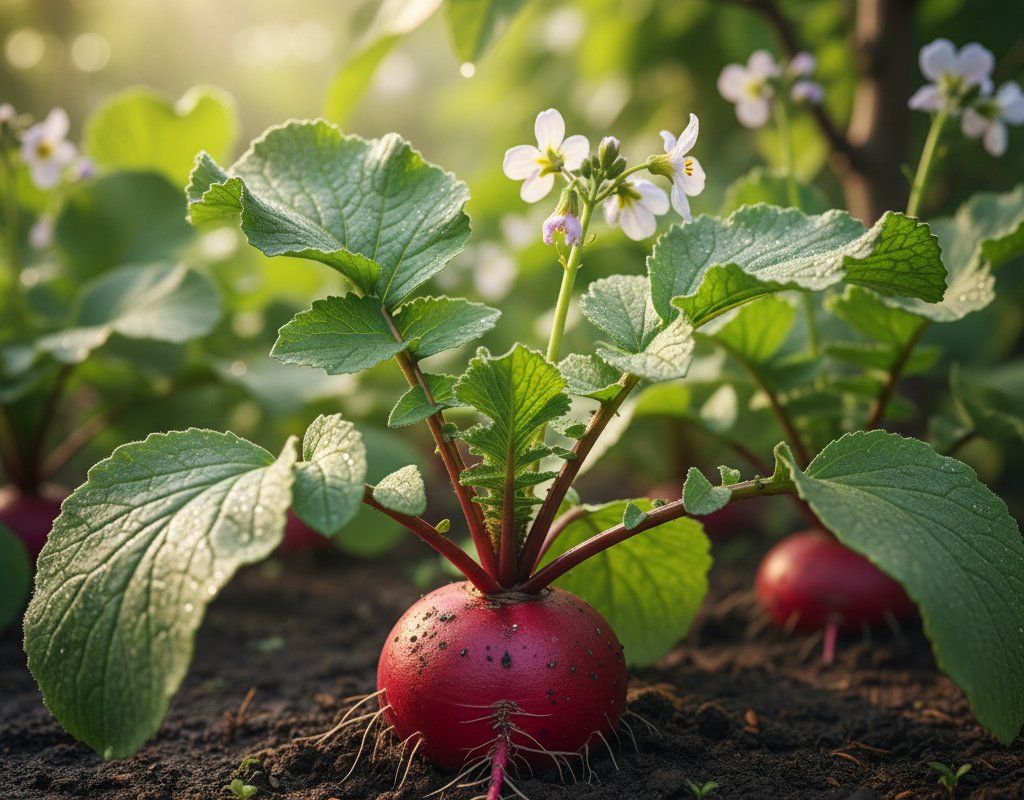
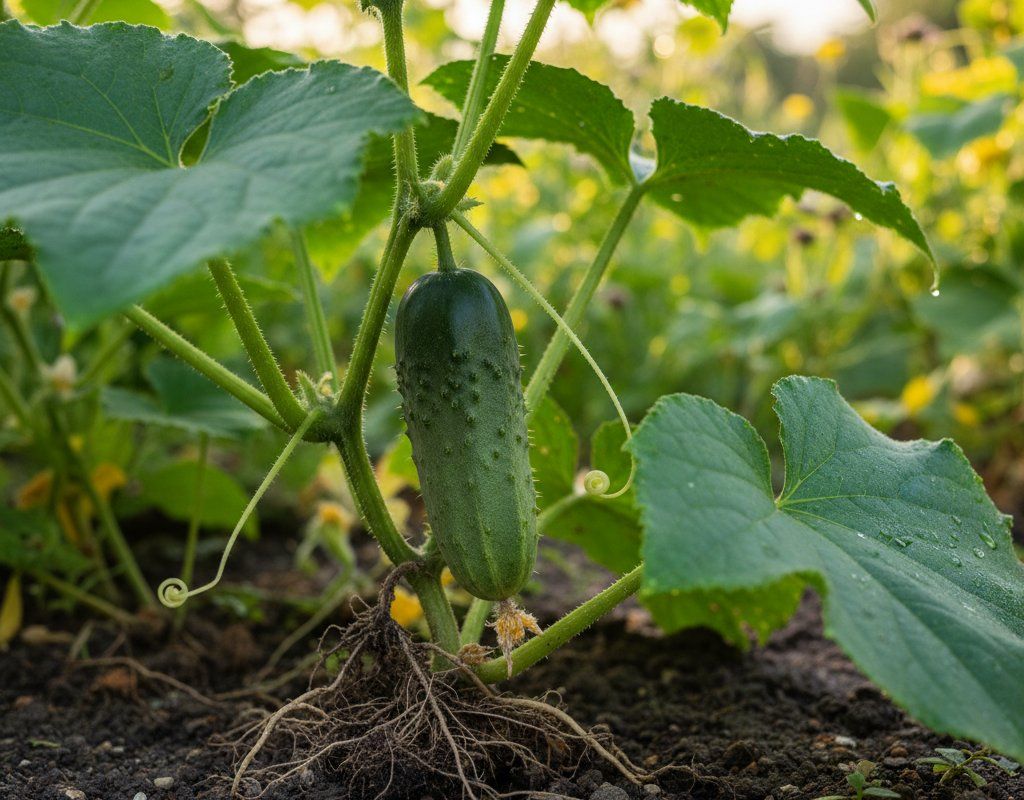
Snap peas benefit from companion planting. Carrots and radishes help to loosen the soil, making it easier for pea roots to grow. Cucumbers provide a natural trellis for the peas to climb. Corn also acts as a trellis, providing support and shade during the warmer parts of the day. Lettuce benefits from the nitrogen fixed by the peas in the soil.
Avoid planting snap peas near onions or garlic, as these can inhibit pea growth. Onions and garlic are alliums, and they can have an allelopathic effect on peas, hindering their development.
🌸Best Flowers to Plant with Snap Peas
These flowers protect your Snap Peas from pests and attract pollinators for better harvests.




Get a Reminder When It's Time to Plant
We'll email you when key planting windows open for your zone.