
Tansy in Zone 6A — Mountain West
Tanacetum vulgare · Your Complete 2026 Planting Guide
Ideal Time: Start Seeds Indoors!
This is the perfect time for the biggest, best harvest.
Start Seeds Now
- Start seeds in trays or pots with seed-starting mix
- Keep soil moist and warm (70-80°F)
- Transplant outdoors Mid April through mid May
Not Starting from Seed?
Buy starts around April 17 — that works great too!
How to Plant Tansy in Zone 6A — Mountain West
Here are all your options for getting tansy in the ground, from the easiest method to more advanced approaches.
Direct Sow Seeds
RecommendedMid April through early July
around April 17
Consider succession planting every 2-3 weeks for continuous harvest.
Start Seeds Indoors
RecommendedLate February through mid March
around March 6
Then transplant: Mid April through mid May
Start seeds 6-8 weeks before transplanting outdoors.
Buy Starts
Works WellMid April through mid May
around April 17
Plant purchased starts after last frost (May 1).
Transplant Outdoors
Timing InfoMid April through mid May
around April 17
Can tolerate light frost, but wait for soil to be workable.
You have a nice window — no need to rush.
Overview
Tansy is a worthwhile addition to any Mountain West garden, especially if you're looking for a natural insect repellent. Its clumping growth habit and bright yellow flowers bring a touch of wild beauty to your yard, and it's incredibly low-maintenance, even thriving in our dry climate. Plus, those cool nights even in summer seem to intensify its aromatic oils.
While our high altitude and short growing season (around 153 days) can present challenges, Tansy is surprisingly adaptable. By timing your planting right, you can enjoy its benefits without too much fuss.
Starting Seeds Indoors
Starting Tansy indoors isn't strictly necessary, but it can give you a head start if you're eager to get a jump on our short season. Begin in late February through mid March, about 6 weeks before you plan to transplant.
Use seed trays with a well-draining seed-starting mix. Keep them consistently moist (bottom watering works well to prevent damping off) and provide warmth and plenty of light. Remember, spring here is often late, so don't be tempted to rush things outdoors too early.
Transplanting Outdoors
Transplant your Tansy seedlings outdoors in mid April through mid May, after the last expected frost. Before planting, harden off your seedlings by gradually exposing them to outdoor conditions for about a week.
Choose a spot with full sun to partial shade, and space the plants 12-18 inches apart. Keep an eye on the weather forecast – a late-season cold snap or hailstorm can still happen, so be prepared to protect your young plants if needed.
Direct Sowing
Direct sowing Tansy is a perfectly viable option, especially since it's quite hardy. Sow seeds in mid April through early July, once the soil has warmed up a bit.
Prepare the soil by loosening it and removing any weeds. Scatter the seeds lightly over the surface and gently press them in. Keep the soil consistently moist until the seedlings emerge. Thin the seedlings to 12-18 inches apart.
Watering Tansy in Zone 6A (Mountain West)
Tansy is incredibly drought-tolerant and thrives on neglect, making it perfect for our dry Mountain West climate. Once established, it needs very little supplemental watering.
During the peak of summer (when we might hit those moderate-at-altitude highs around 85°F), water deeply but infrequently. Use the finger test: if the top 2 inches of soil are dry, it's time to water. Aim for about ½ inch of water per week. Water at the base of the plant to avoid wetting the foliage, which can encourage fungal issues in some plants, even though our low humidity typically keeps those problems at bay.
Signs of underwatering include wilting or drooping leaves. Overwatering, on the other hand, can lead to root rot and make the plant overly aggressive. A light layer of mulch around the base of the plant will help retain moisture and suppress weeds.
Pruning & Maintaining Tansy
Pruning Tansy is mainly about controlling its spread and maintaining its appearance. Deadhead spent flowers regularly throughout the season to prevent aggressive self-seeding.
Cut back the entire plant in the fall, after the first frost around early October. This will help keep it tidy and encourage new growth in the spring. Because Tansy is so vigorous, you might also need to contain it by digging a barrier around the planting area.
🧪Fertilizing Tansy
Feeding Schedule
Organic Fertilizer Options
Harvest Time
You can expect your first harvest of Tansy in early July through early October, about 75 days after planting. Look for the button-like yellow flowers, which bloom in midsummer.
Harvest the stems and leaves as needed for your intended purpose (typically insect repellent). Cut the stems cleanly with sharp scissors or pruners, being careful not to damage the rest of the plant. Regular harvesting will encourage continued production.
As the first frost approaches in early October, you can harvest the remaining foliage and dry it for later use.
Common Problems in Zone 6A (Mountain West)
Here are a couple of common problems you might encounter with Tansy in the Mountain West:
Invasive Spread
- What it looks like: Tansy spreads rapidly, popping up in unwanted areas of your garden.
- What causes it: Tansy is a vigorous self-seeder and can also spread through its roots. Our intense sun and relatively long days (for our altitude) can fuel its growth.
- How to fix/prevent it: Deadhead spent flowers regularly. Consider planting Tansy in a container or using a physical barrier (like edging) to contain its roots. Be vigilant about removing unwanted seedlings.
Aphids
- What it looks like: Clusters of tiny insects (green, black, or white) on stems and leaf undersides. Sticky honeydew residue. Curled or distorted new growth.
- What causes it: Aphids are sap-sucking insects that thrive in warm weather. Our alkaline soil can sometimes weaken plants, making them more susceptible.
- How to fix/prevent it: A strong spray of water can knock them off. Encourage natural predators like ladybugs. Use insecticidal soap or neem oil for heavy infestations. Avoid over-fertilizing with nitrogen.
Mountain West Specific Challenges: The moderate-at-altitude heat and low humidity of the Mountain West generally favor Tansy, but the dry rainfall means you need to monitor for aphids, as stressed plants can be more vulnerable. Be proactive about containment to prevent it from taking over your garden.
Best Companions for Tansy
Plant these nearby for healthier Tansy and better harvests.
View Full Companion Planting Chart →


Companion Planting Details
Tansy makes a good companion plant for several vegetables and fruits in the Mountain West. Its insect-repelling properties can benefit:
- Potatoes: Tansy helps deter potato beetles, a common pest in our region.
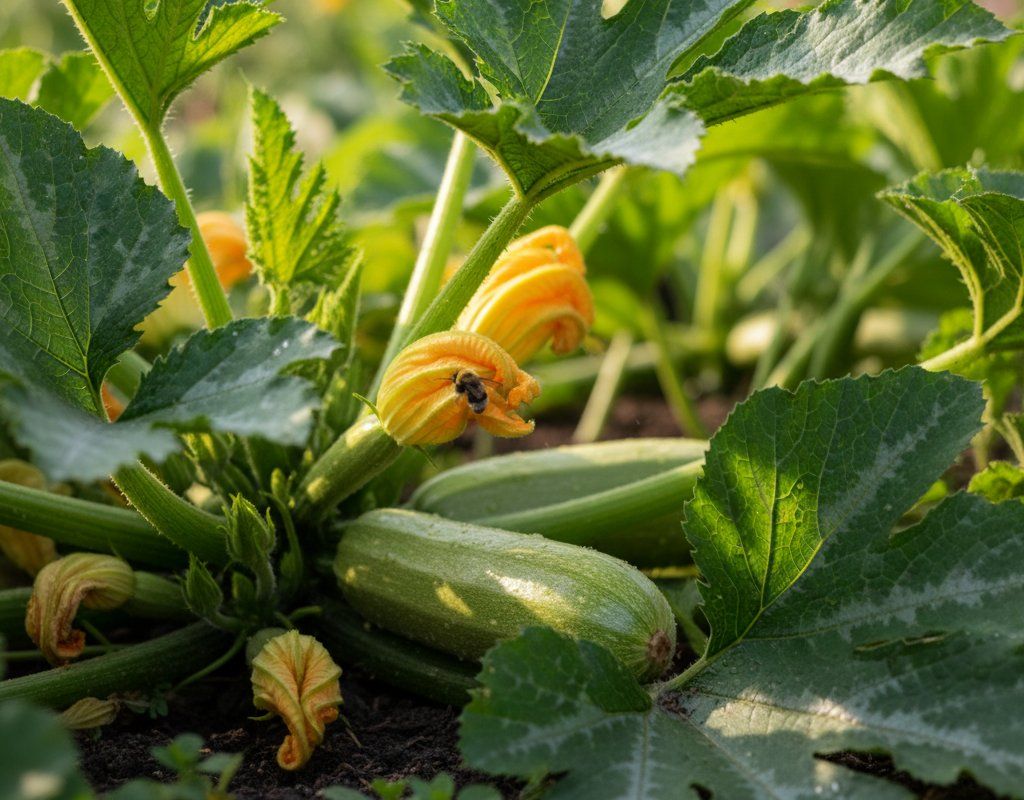
- Squash & Cucumbers: It can repel squash bugs and cucumber beetles, which can be problematic in our gardens.
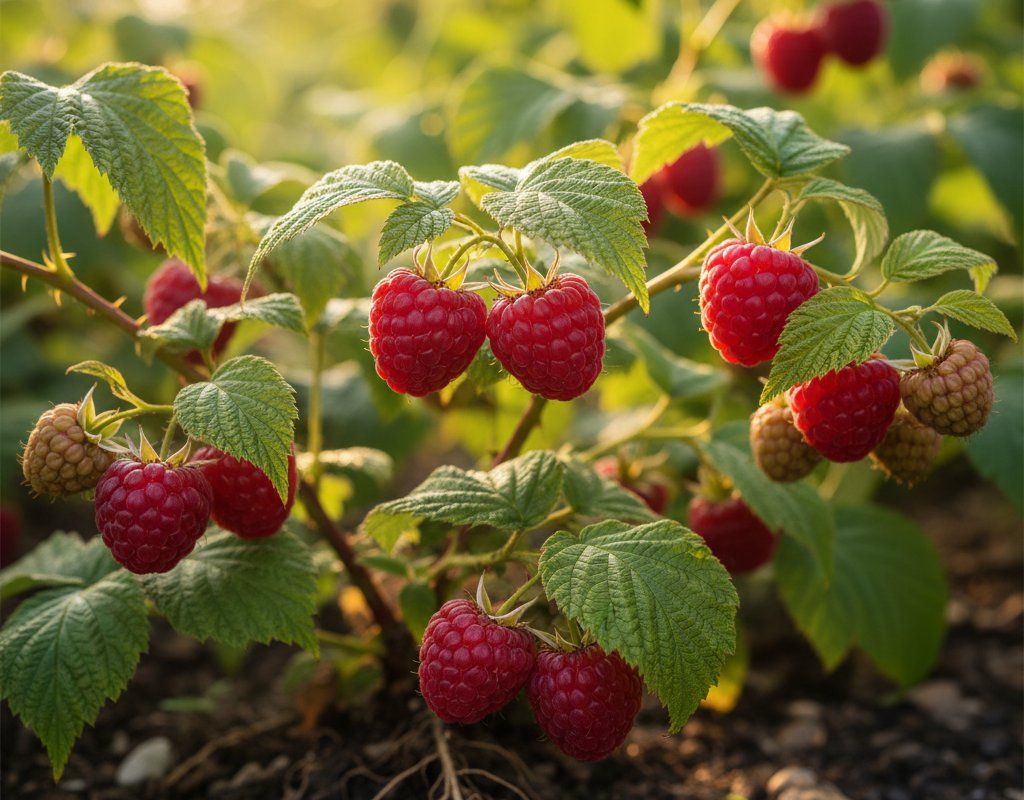
- Raspberries: Tansy is said to deter raspberry beetles.
Avoid planting Tansy near brassicas (cabbage, broccoli, cauliflower) as it may inhibit their growth.
🥬Best Vegetables to Pair With Tansy
Tansy benefits these vegetables through pest control, pollinator attraction, or improved garden health.


Get a Reminder When It's Time to Plant
We'll email you when key planting windows open for your zone.