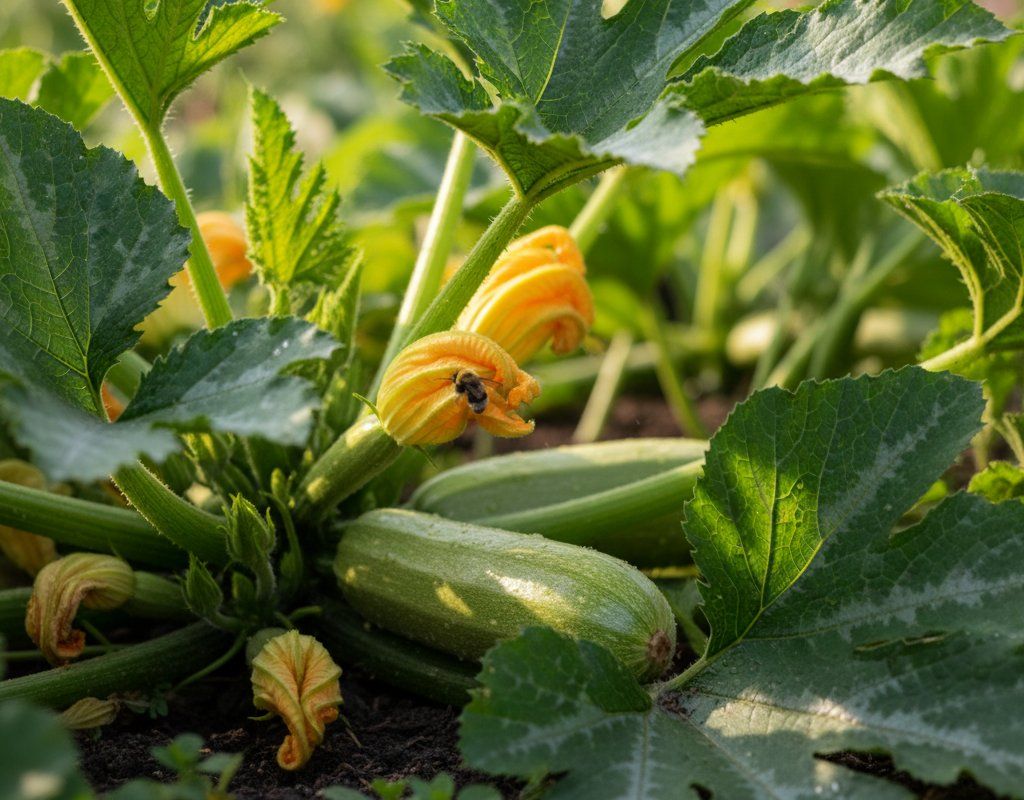
Zucchini in Zone 6A — Mountain West
Cucurbita pepo · Your Complete 2026 Planting Guide
Planning Ahead — Great!
You’re ahead of the season. Here’s when to start.
Mark Your Calendar
How to Plant Zucchini in Zone 6A — Mountain West
Here are all your options for getting zucchini in the ground, from the easiest method to more advanced approaches.
Direct Sow Seeds
RecommendedEarly May through late July
around May 8
Consider succession planting every 2-3 weeks for continuous harvest.
Zucchini grows so fast that direct sowing is usually easiest.
Buy Starts
Works WellMid May through late June
around May 15
Plant purchased starts after last frost (May 1).
Start Seeds Indoors
Works WellMid April through early May
around April 24
Then transplant: Mid May through late June
Start seeds 3-5 weeks before transplanting outdoors.
Only start indoors if you want earlier harvest. Don't start too early.
Transplant Outdoors
Timing InfoMid May through late June
around May 15
Wait until nighttime temperatures stay above 50°F.
You have a nice window — no need to rush.
Overview
Zucchini thrives in our Mountain West gardens, delivering prolific harvests that make the most of our intense sunlight and cool nights. The temperature swings that define our high altitude climate actually improve zucchini's flavor and texture, while our low humidity keeps many fungal diseases at bay. Few vegetables give you such dramatic returns on space and effort — a single plant can produce enough zucchini to share with neighbors all summer long.
Our short 153-day growing season and late spring might seem challenging for this warm-season crop, but zucchini's fast growth makes it perfectly suited for Mountain gardeners. The key is understanding our unique timing windows and working with our intense sun and cool nights rather than fighting them.
Starting Seeds Indoors
Starting zucchini seeds indoors makes sense if you want to push your harvest window earlier, but it's not essential in our Mountain climate. Plant seeds in small pots mid-April through early May, about three weeks before you plan to transplant outdoors. Zucchini seeds germinate quickly in warm soil — keep them at 70-80°F and use bottom watering to prevent damping off.
Our late spring character means there's no rush to start too early indoors. Zucchini grows so rapidly that direct-sown plants often catch up to transplants within weeks. The main advantage of indoor starting is extending your harvest into late June rather than waiting until mid-July for direct-sown crops.
Keep seedlings under grow lights or in a south-facing window, and don't let them get pot-bound. Zucchini hates root disturbance, so use biodegradable pots if possible.
Transplanting Outdoors
Transplant your indoor-started zucchini seedlings from mid-May through late June, after our last frost danger passes and soil has warmed. In our Mountain climate, soil temperature matters more than air temperature — wait until soil reaches at least 65°F consistently.
Harden off seedlings gradually over a full week, starting with just an hour of morning sun and building up. Our intense UV at altitude can shock plants that haven't been properly acclimated. Even a cloudy day here delivers more radiation than sea-level gardens experience in full sun.
Space plants 36-48 inches apart — zucchini needs room for good air circulation in our cool nights. Plant on a calm day if possible, as our afternoon winds can stress newly transplanted seedlings.
Direct Sowing
Direct sowing is the preferred method for zucchini in our Mountain gardens. Plant seeds from early May through late July, depending on when you want to harvest. The soil temperature should be consistently above 65°F — use a soil thermometer rather than guessing.
Prepare your planting area by working in plenty of compost, as zucchini are heavy feeders. Our alkaline soil benefits from organic matter to improve both drainage and nutrient availability. Plant seeds 1 inch deep and space them 36-48 inches apart — resist the urge to plant closer, as overcrowding invites problems in our high altitude conditions.
Direct-sown zucchini often outperforms transplants because there's no transplant shock. The plants establish strong root systems quickly and handle our temperature swings better. For continuous harvest, make succession plantings every 2-3 weeks through mid-July.
Watering Zucchini in Zone 6A (Mountain West)
Zucchini needs consistent, deep watering in our dry Mountain climate — expect to provide about 1-1.5 inches per week including any rainfall. Our low humidity and intense sun mean plants lose moisture quickly, but the key is steady moisture rather than frequent light watering.
Water at the base of plants rather than overhead. Our low humidity might seem like it would prevent fungal problems, but wet leaves combined with our cool nights can still encourage powdery mildew. Use soaker hoses or water slowly at soil level to keep foliage dry.
Check soil moisture with the finger test — stick your finger 2 inches into the soil near the plant. If it's dry at that depth, it's time to water deeply. In our intense sun, this might mean daily watering during peak summer, especially for plants in containers or raised beds.
Mulch heavily around plants with straw or shredded leaves to retain soil moisture and reduce watering frequency. This is especially important in our dry climate where soil can go from moist to bone-dry quickly.
🧪Fertilizing Zucchini
Feeding Schedule
Organic Fertilizer Options
Harvest Time
Your first zucchini harvest typically begins in late June through early October, depending on when you planted and our specific growing season. From direct-sown seeds, expect your first harvest about 50 days after planting, which works perfectly with our Mountain timing.
Harvest zucchini when they're 6-8 inches long and still tender — the skin should give slightly to pressure but not be soft. Check plants daily during peak season because zucchini can double in size overnight in our intense sun. Those baseball-bat-sized monsters are impressive but spongy and full of seeds.
Cut zucchini from the plant with a sharp knife rather than twisting them off, which can damage the stem and invite disease. Harvest regularly to keep plants producing — leaving oversized fruit on the plant signals it to stop flowering.
As our first frost approaches in early October, harvest all remaining fruit regardless of size. Green zucchini won't ripen off the vine, but you can use small ones in cooking and even grate large ones for baking. The sudden end to our growing season means getting everything picked before that first hard freeze.
Common Problems in Zone 6A (Mountain West)
Squash Vine Borers show up as sudden wilting of entire vines or sections, often with sawdust-like frass around the base of stems. Our Mountain timing actually helps here — the adult moths that lay eggs typically emerge in mid-summer, so late-season plantings often avoid the worst damage. If you find the fat white grubs inside stems, try slitting the stem and removing them, then mounding soil over the wound. Wrapping the base of stems with aluminum foil when plants are young can prevent egg-laying.
Powdery Mildew appears as white, powdery coating on leaves and stems. Ironically, our dry climate can actually favor this fungus because it doesn't need wet leaves like other fungi. Our cool nights combined with warm days create perfect conditions. Improve air circulation with proper spacing, and remove affected leaves promptly. A spray of 1 part milk to 9 parts water works surprisingly well as both prevention and treatment.
Blossom End Rot shows up as dark, sunken spots on the bottom of fruits, usually affecting the first zucchini of the season. This isn't a disease but a calcium uptake problem caused by inconsistent watering — exactly what happens in our dry climate if you're not careful. The solution is simple: consistent, deep watering throughout the growing season. Mulch heavily to maintain even soil moisture.
Mountain West Specific Challenges: Our intense UV can stress plants and make them more susceptible to problems, while our alkaline soil can affect nutrient uptake. The good news is our low humidity dramatically reduces most fungal diseases, and our cool nights help plants recover from daily stress.
Best Companions for Zucchini
Plant these nearby for healthier Zucchini and better harvests.


Keep Away From
Companion Planting Details
Plant zucchini with corn and beans for a modified "three sisters" approach that works well in our Mountain conditions. The corn provides some afternoon shade during our intense sun, while beans fix nitrogen that hungry zucchini can use. Radishes planted around zucchini help break up soil and may deter squash bugs, plus they'll be harvested before the zucchini needs the space.
Avoid planting potatoes near zucchini — both are susceptible to similar soil-borne diseases, and potatoes can harbor pests that move to squash family plants. In our short growing season, it's better to give zucchini plenty of space rather than crowding it with competing plants.
🌸Best Flowers to Plant with Zucchini
These flowers protect your Zucchini from pests and attract pollinators for better harvests.
For Pest Control








Get a Reminder When It's Time to Plant
We'll email you when key planting windows open for your zone.