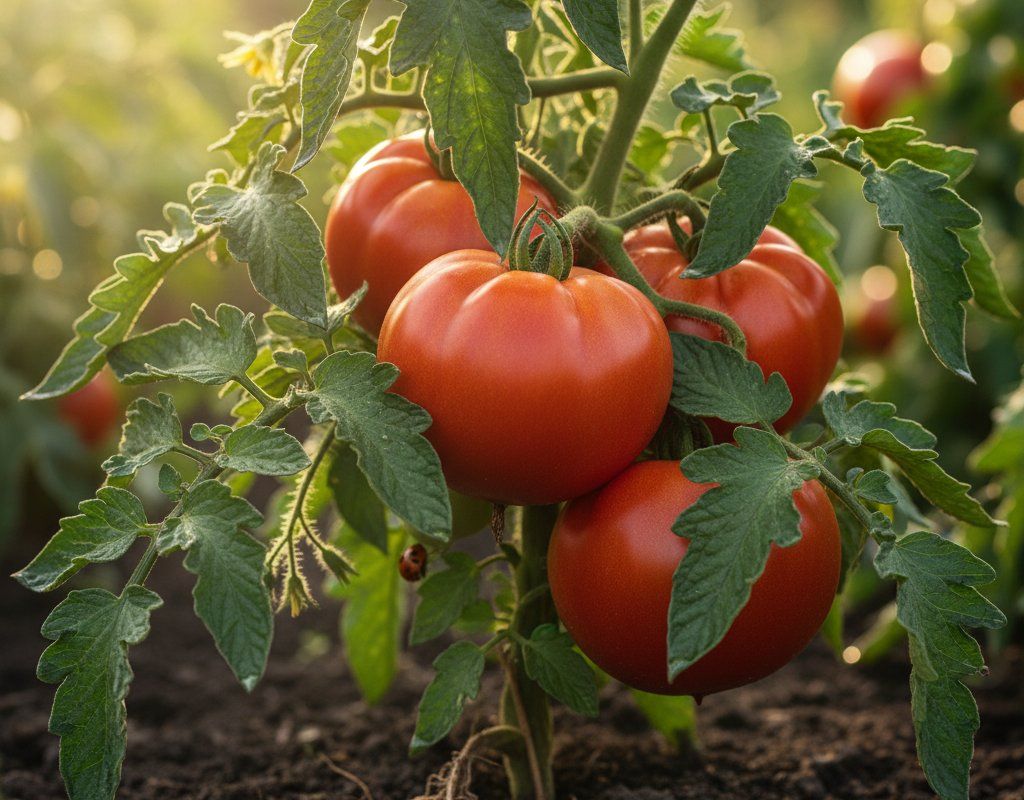
Beefsteak Tomatoes in Zone 7A — Midwest
Solanum lycopersicum · Your Complete 2026 Planting Guide
Planning Ahead — Great!
You’re ahead of the season. Here’s when to start.
Mark Your Calendar
How to Plant Beefsteak Tomatoes in Zone 7A — Midwest
Here are all your options for getting beefsteak tomatoes in the ground, from the easiest method to more advanced approaches.
Start Seeds Indoors
RecommendedEarly to late March
around March 13
Then transplant: Late April through late May
Start seeds 6-8 weeks before transplanting outdoors.
Buy Starts
Works WellLate April through late May
around April 24
Plant purchased starts after last frost (April 10).
Direct Sow Seeds
ChallengingDirect sowing is not typical for Beefsteak Tomatoes.
Transplant Outdoors
Timing InfoLate April through late May
around April 24
Wait until nighttime temperatures stay above 50°F.
You have a nice window — no need to rush.
Overview
Beefsteak tomatoes are the crown jewel of Midwest gardens, producing massive fruit that can weigh over a pound each. In our Zone 7A climate, these indeterminate giants thrive in the summer heat spells and make the most of our 193-day growing season, delivering thick, meaty slices perfect for sandwiches and fresh eating. The fertile soil and adequate rainfall of the Midwest provide exactly what these heavy feeders need to reach their full potential.
Our variable spring weather and mid-October frost date mean timing is everything with beefsteaks, but don't let that intimidate you. With proper indoor starting and careful transplant timing, you'll have plenty of growing season to enjoy these spectacular tomatoes from mid-summer right up until that first frost warning.
Starting Seeds Indoors
Start your beefsteak tomato seeds indoors during early to late March, about 6 weeks before you plan to transplant them outside. This timing works perfectly with our moderate-to-late spring character, giving your seedlings time to develop strong root systems before facing Midwest weather.
Set up seed trays with a quality seed-starting mix and keep them warm (70-75°F works well). A heat mat helps maintain consistent soil temperature in your still-cool house. Once seeds germinate, provide 14-16 hours of light daily using grow lights positioned 2-3 inches above the seedlings.
Water from the bottom by placing trays in shallow pans of water, letting the soil wick up moisture. This prevents damping-off disease and encourages strong root development. Your seedlings will be ready for transplanting by late April through late May, depending on when you started them and how quickly spring arrives.
Transplanting Outdoors
Plan to transplant your beefsteak seedlings outdoors from late April through late May, after all danger of frost has passed. In our Zone 7A Midwest climate, this usually means waiting until Memorial Day for the safest bet, though experienced gardeners often push it earlier during stable weather patterns.
Harden off your plants for a full week before transplanting by gradually exposing them to outdoor conditions. Start with just 2-3 hours of morning sun, then gradually increase their time outside. Watch for those late spring cold snaps that can still surprise us in early May.
Space your beefsteak plants 36-48 inches apart to accommodate their massive size and improve air circulation. These plants will easily spread 4-5 feet wide by season's end, so resist the urge to crowd them. Plant them slightly deeper than they were in their pots, burying part of the stem to encourage additional root development in our fertile Midwest soil.
Watering Beefsteak Tomatoes in Zone 7A (Midwest)
Beefsteak tomatoes are thirsty plants that demand consistent, deep watering throughout our moderate-to-hot summers. These large-fruited varieties need about 1.5-2 inches of water per week, including rainfall. With our typical 30-40 inches of annual precipitation, you'll need to supplement regularly during dry spells but watch for overwatering during wet periods.
Check soil moisture using the finger test - stick your finger 2 inches deep into the soil near the base of the plant. If it's dry at that depth, it's time to water deeply. Water slowly at the base of the plant rather than overhead, especially given our moderate-to-humid conditions that can promote disease when leaves stay wet.
During summer heat spells when temperatures hit the upper 80s, increase watering frequency but maintain the same deep, slow approach. Signs of water stress include wilting during hot afternoons (normal) that doesn't recover by evening, cracking fruit, or blossom end rot on developing tomatoes.
Apply 3-4 inches of organic mulch around each plant to maintain consistent soil moisture and reduce your watering workload. Straw or shredded leaves work well in our climate and help moderate the boom-bust moisture cycles that plague beefsteak varieties.
Supporting Your Beefsteak Tomatoes
Install heavy-duty cages or thick stakes at planting time, before the roots spread. Beefsteak plants can reach 6-8 feet tall and carry 20+ pounds of fruit, so standard tomato cages won't cut it. Use 6-foot tall cages made from concrete reinforcing wire, or drive in 2x2 inch wooden stakes at least 2 feet deep.
If staking, tie the main stem loosely with soft material like cloth strips or tomato ties, adding new ties every 12-18 inches as the plant grows. Check and adjust ties regularly - these fast-growing plants can outgrow their supports quickly during our humid summer growing conditions.
Support individual heavy fruit clusters with tomato hammocks or pantyhose slings tied to the main support structure. The sheer weight of mature beefsteak tomatoes can snap branches even on well-supported plants, especially during summer storms that are common in our region.
Pruning & Maintaining Beefsteak Tomatoes
Remove suckers (shoots growing between the main stem and branches) throughout the growing season to direct the plant's energy into fewer, larger fruit. Focus on removing suckers below the first flower cluster and any that develop in the main crotches of the plant. Leave 2-3 main stems for maximum production while maintaining manageable size.
Strip off lower leaves once they start yellowing or touching the ground, usually by mid-summer. This improves air circulation around the base of the plant - important in our moderate-to-humid climate where fungal diseases can take hold quickly. Remove any leaves showing signs of disease immediately.
As first frost approaches in mid-October, top the plants (pinch growing tips) to redirect energy into ripening existing fruit rather than producing new flowers. About 4-6 weeks before your expected first frost, stop all pruning to allow the plant to focus on maturing the tomatoes already set.
🧪Fertilizing Beefsteak Tomatoes
Feeding Schedule
Organic Fertilizer Options
Harvest Time
Your first beefsteak tomatoes will be ready from mid-July through early September, depending on variety and when you transplanted. These 85-day varieties need our full summer heat to develop their characteristic size and flavor, so patience pays off in the Midwest.
Harvest when tomatoes show deep, rich color but still feel firm when cupped gently in your hand. Beefsteaks often develop full color while still quite firm, unlike smaller varieties. Don't wait for them to feel soft - that's overripe for fresh eating, though fine for cooking.
Pick regularly to encourage continued production throughout the season. A single healthy plant can produce 10-15 large fruits over the growing season in our climate. Harvest in the morning when possible, as fruit picked during hot afternoons may not store as well.
As first frost approaches in mid-October, harvest all mature green fruit and bring them indoors to ripen. Wrap individual green tomatoes in newspaper and store in a cool, dark place, checking weekly. Many will ripen perfectly indoors, extending your harvest well into November despite our early frost date.
Common Problems in Zone 7A (Midwest)
Cracking appears as splits in the tomato skin, either in circles around the stem or radiating lines from the stem end. These splits expose the flesh to rot and insects. This happens when plants get heavy watering or rain after a dry spell - common during our wet summers following brief drought periods. Water consistently rather than letting plants dry out between waterings, and mulch heavily to maintain even moisture levels.
Catfacing shows up as deep crevices, scars, and lumpy deformities on the blossom end of fruit, making tomatoes look like they have a face. Cool nighttime temperatures during flowering cause incomplete pollination, and this problem hits beefsteak varieties hardest. Avoid transplanting too early when nights still drop into the 50s, and use row covers during cool snaps in late spring.
Blossom end rot creates sunken, dark brown or black leathery patches on the bottom of fruit. This isn't a disease but a calcium deficiency triggered by inconsistent watering - the biggest culprit in our variable Midwest weather patterns. Water deeply and consistently, mulch heavily, and avoid over-fertilizing with nitrogen which blocks calcium uptake.
Slow ripening leaves you with large green tomatoes that won't turn red, even past the expected maturity date. Cool temperatures below 60°F at night, too much nitrogen, or insufficient sun all contribute to this problem. In our Zone 7A climate, ensure plants get full sun and reduce nitrogen fertilizer after mid-summer to encourage ripening rather than continued vegetative growth.
Midwest Specific Challenges: Our moderate-to-humid summers with 30-40 inches of rainfall create perfect conditions for fungal diseases, while our clay soil can lead to drainage issues that worsen blossom end rot and cracking problems. The key is managing moisture consistently despite our unpredictable precipitation patterns.
Best Companions for Beefsteak Tomatoes
Plant these nearby for healthier Beefsteak Tomatoes and better harvests.
View Full Companion Planting Chart →



Companion Planting Details
Plant basil nearby for natural pest control and improved flavor - the aromatic oils help repel aphids and hornworms while the shallow roots won't compete with your tomatoes' deep root system. Carrots make excellent companions since they help break up clay soil and their roots occupy a different soil layer than tomatoes. Marigolds planted around the perimeter deter nematodes and many flying pests with their strong scent.
Avoid planting brassicas (cabbage family) near beefsteaks as they can stunt tomato growth and attract different pest problems. Skip fennel entirely - it inhibits tomato growth through chemical compounds in its roots. Corn creates too much competition for nutrients in our fertile but finite garden space, and the tall stalks can shade your sun-loving tomatoes during our shorter growing season.
🌸Best Flowers to Plant with Beefsteak Tomatoes
These flowers protect your Beefsteak Tomatoes from pests and attract pollinators for better harvests.


Get a Reminder When It's Time to Plant
We'll email you when key planting windows open for your zone.