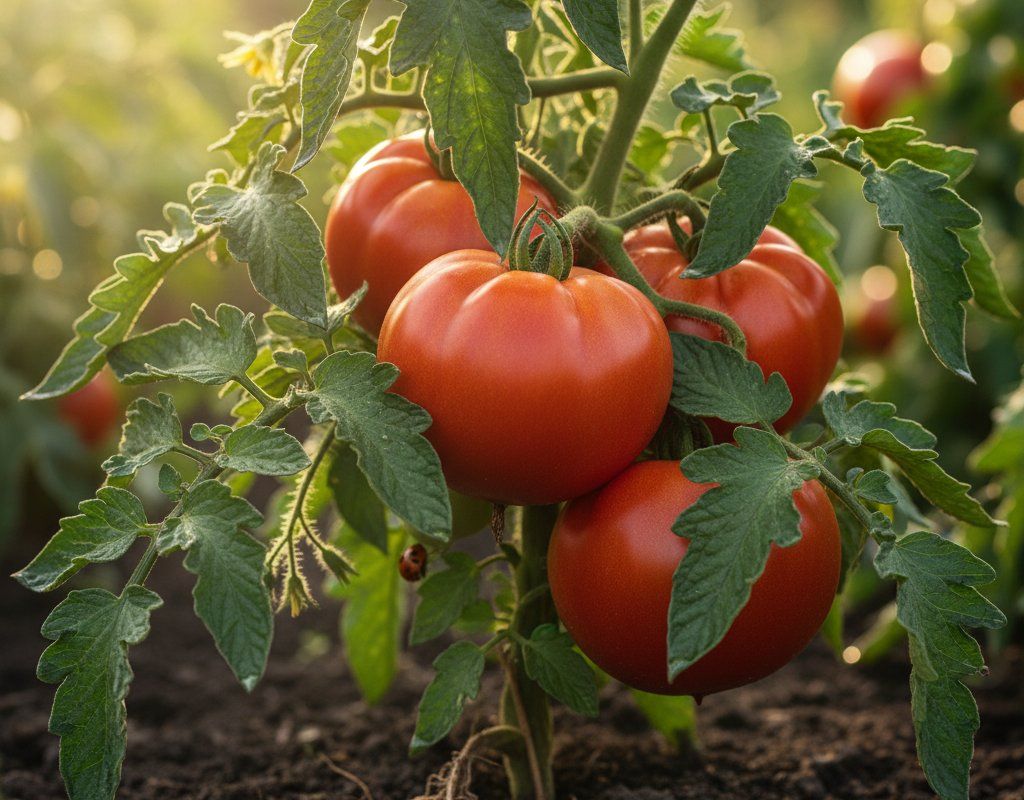
Beefsteak Tomatoes in Zone 7B — Texas
Solanum lycopersicum · Your Complete 2026 Planting Guide
Missed Seed Starting? No Problem!
Wait for starts to become available.
What to Do
Starts will be available at nurseries in 20 days (around March 24).
How to Plant Beefsteak Tomatoes in Zone 7B — Texas
Here are all your options for getting beefsteak tomatoes in the ground, from the easiest method to more advanced approaches.
Start Seeds Indoors
RecommendedEarly to late February
around February 10
Then transplant: Late March through late April
Start seeds 6-8 weeks before transplanting outdoors.
Buy Starts
Works WellLate March through late April
around March 24
Plant purchased starts after last frost (March 10).
Direct Sow Seeds
ChallengingDirect sowing is not typical for Beefsteak Tomatoes.
Transplant Outdoors
Timing InfoLate March through late April
around March 24
Wait until nighttime temperatures stay above 50°F.
You have a nice window — no need to rush.
Overview
Beefsteak tomatoes are the giants of the tomato world, and they're absolutely worth the effort here in Texas. These massive, meaty fruits can weigh over a pound each and deliver that perfect balance of sweet and tangy flavor that makes store-bought tomatoes taste like cardboard. With our long 255-day growing season, you have plenty of time to grow these slower-maturing varieties and enjoy fresh slicing tomatoes from midsummer well into fall.
Yes, the Texas heat and unpredictable weather can be challenging for these large-fruited varieties, but proper timing makes all the difference. Start your seeds indoors during our mild winter months, transplant after the last freeze risk passes in spring, and you'll have strong plants ready to handle whatever our climate throws at them. The key is working with our natural rhythms rather than fighting them.
Starting Seeds Indoors
Start your beefsteak tomato seeds indoors during early to late February, about 6 weeks before you plan to transplant outdoors. This timing takes advantage of our early spring character while avoiding the risk of late freezes that can still surprise us in March. You'll need seed starting trays, quality potting mix, and either a sunny south-facing window or grow lights.
Keep your seed trays warm (70-80°F) for the best germination - a heat mat helps tremendously during our cooler winter nights. Bottom watering works best for tomato seedlings; place the trays in shallow water and let the soil absorb moisture from below rather than watering from the top. This prevents damping off disease and keeps the soil consistently moist without being waterlogged.
Once your seedlings emerge and develop their first true leaves, they'll need strong light for 12-14 hours daily. If you're using a sunny window, rotate the trays regularly so plants don't lean. These indoor weeks are crucial for developing strong root systems that can handle our intense spring and summer conditions once transplanted.
Transplanting Outdoors
Transplant your beefsteak tomato seedlings outdoors during late March through late April, after the soil has warmed and the risk of late freezes has passed. The exact timing depends on your specific location within Zone 7B - areas closer to Dallas can often plant earlier than those further west or north. Wait until nighttime temperatures consistently stay above 55°F.
Harden off your seedlings gradually over a full week before transplanting. Start by placing them outside for just a few hours in filtered light, then gradually increase their outdoor time and sun exposure. This process is especially important in Texas because our spring sun is already quite intense, and the transition from indoor conditions to full Texas sun can shock unprepared plants.
Space your beefsteak tomatoes 36-48 inches apart to ensure good air circulation in our variable humidity conditions. These large plants need room to breathe, and proper spacing helps prevent fungal diseases that thrive in crowded, humid conditions. Dig your planting holes deep enough to bury two-thirds of the stem - tomatoes will develop additional roots along the buried portion, creating a stronger root system to support those heavy fruits.
Watering Beefsteak Tomatoes in Zone 7B (Texas)
Beefsteak tomatoes have high water needs and are definitely not drought tolerant - those massive fruits demand consistent deep watering to develop properly. In Texas, this means adapting your watering strategy to our unpredictable rainfall patterns and increasingly intense summer heat. During our typical 97°F summer days, established plants need at least 1.5-2 inches of water per week, delivered in deep, less frequent waterings rather than daily sprinkles.
Use the finger test to check soil moisture: stick your finger 2 inches deep into the soil around the plant base. If it's dry at that depth, it's time to water deeply. During the brutal Texas heat of July and August, you may need to water every other day, especially if we're experiencing one of our periodic drought spells. When we get those sudden heavy rains that can dump 3 inches in an hour, hold off on supplemental watering until the soil begins to dry.
Water at the base of plants rather than overhead to minimize disease issues in our variable humidity conditions. Drip irrigation or soaker hoses work perfectly for consistent deep watering. Signs of underwatering include wilting during the heat of the day (even with adequate morning moisture), blossom end rot, and cracking when rain finally comes. Overwatering shows up as yellowing lower leaves and poor fruit development.
Apply 2-3 inches of mulch around your plants to help maintain consistent soil moisture and protect roots from temperature swings. In Texas, organic mulches like shredded leaves or grass clippings work well, but avoid thick layers right against plant stems during our humid periods to prevent pest and disease issues.
Supporting Your Beefsteak Tomatoes
Beefsteak tomatoes absolutely require sturdy support systems because of their indeterminate growth habit and the sheer weight of those massive fruits. A single beefsteak tomato can weigh 1-2 pounds, and a healthy plant will produce multiple fruits throughout the season. Flimsy tomato cages from the garden center won't cut it - you need heavy-duty cages at least 6 feet tall or thick wooden stakes (2x2 inches minimum) driven 18 inches deep.
Install your support system at planting time to avoid damaging roots later. If using stakes, place them 6 inches from the plant stem on the side opposite prevailing winds. As plants grow, tie the main stem to the stake every 12 inches using soft materials like cloth strips or stretchy plant ties. Avoid wire or string that can cut into stems as they thicken.
For cage systems, choose cages with large openings (6 inches or more) so you can reach through to harvest those big fruits. Train the main stems inside the cage and gently guide wayward branches back through the openings. In our windy Texas weather, anchor cages by driving rebar or stakes through the cage feet into the ground - nothing's worse than watching a loaded tomato plant topple over during a summer thunderstorm.
Pruning & Maintaining Beefsteak Tomatoes
Remove suckers (the shoots that grow between the main stem and branches) regularly throughout the growing season to direct the plant's energy into fewer, larger fruits. For beefsteak varieties, this is especially important because allowing too many branches reduces fruit size and delays ripening. Pinch out suckers when they're small and tender, ideally 2-3 inches long, using your fingers rather than tools.
Remove the lower leaves that touch the ground or grow below the first fruit cluster to improve air circulation and reduce disease pressure in our humid conditions. As the season progresses and fruits begin forming, remove any leaves that shade developing fruit - beefsteaks need full sun exposure to develop their best flavor and color.
About 4-6 weeks before your expected first frost (so around early to mid-October in most of Texas), top your plants by removing the growing tips. This forces the plant to put its energy into ripening existing fruits rather than setting new ones that won't have time to mature before cold weather arrives. Also remove any new flower clusters that appear during this period.
🧪Fertilizing Beefsteak Tomatoes
Feeding Schedule
Organic Fertilizer Options
Harvest Time
Expect your first beefsteak tomatoes to ripen during mid-June through early August, depending on when you transplanted and your specific variety. With an 85-day maturity period, plants set out in late March should start producing by mid-June, while later transplants will begin harvesting in July. This timing works perfectly with our growing season, giving you fresh tomatoes before the most brutal summer heat sets in.
Harvest beefsteaks when they show deep, rich color but still feel slightly firm when you cup them gently in your hand. They should give slightly to gentle pressure but not feel squishy. The shoulders (top part around the stem) should be fully colored - green shoulders indicate the fruit needs more time. If a tomato sounds hollow when tapped gently, it's likely overripe.
Cut or twist fruits carefully from the vine rather than pulling, which can damage the plant and reduce continued production. Beefsteak plants produce continuously until frost, so proper harvesting techniques ensure steady production throughout the season. Check plants every 2-3 days during peak season, as these large fruits can go from perfect to overripe quickly in our Texas heat.
As we approach the first frost in mid-November, harvest all remaining green fruits larger than golf ball size. Beefsteak tomatoes ripen well indoors - wrap them individually in newspaper and store at room temperature. Check weekly and remove any showing signs of rot. Properly stored green tomatoes can continue ripening into December, extending your harvest season well beyond the first frost.
Common Problems in Zone 7B (Texas)
Cracking shows up as splits in the tomato skin, either in circles around the stem (concentric cracks) or radiating outward like spokes (radial cracks). These splits expose the flesh and create entry points for rot. In Texas, cracking typically happens when heavy rains or irrigation follow a dry period - the fruit absorbs water faster than the skin can expand. Our unpredictable rainfall patterns make this especially common. Prevent cracking by maintaining consistent soil moisture through regular deep watering and mulching heavily. Harvest fruits promptly when ripe, and choose crack-resistant varieties for future plantings.
Catfacing appears as deep crevices, scars, and lumpy deformities on the blossom end of fruits, making them look severely misshapen. This happens when cool temperatures during flowering (below 60°F nights) cause incomplete pollination. It's more common with large-fruited varieties like beefsteaks and can also result from herbicide drift. While the fruit looks terrible, it's perfectly edible. Avoid planting too early when nights are still cool, use row covers for early transplants, and accept that first fruits of the season may show some catfacing.
Blossom end rot appears as dark brown or black leathery patches on the bottom (blossom end) of fruits. This isn't a disease but a calcium deficiency caused by inconsistent watering - our drought-to-flood rainfall cycles trigger this problem frequently. The plant can't uptake calcium properly when soil moisture fluctuates wildly. Fix this with consistent deep watering (the most effective solution), heavy mulching to maintain even soil moisture, and avoiding over-fertilization with nitrogen. Remove affected fruits immediately.
Slow ripening means fruits take much longer than the expected 85 days to develop color, leaving you with large green tomatoes that seem stuck. In Texas, this usually results from too much nitrogen fertilizer (common with enthusiastic gardeners), insufficient sun due to overcrowding, or our extreme heat periods when temperatures exceed 95°F for extended periods. Reduce nitrogen applications, ensure full sun exposure, remove excess foliage shading fruits, and be patient - extreme heat actually slows ripening until temperatures moderate.
Texas-specific challenges include our extreme heat waves that can sunscald fruits and slow ripening, flash floods that promote cracking and root diseases, and fire ants that love to build colonies around the base of tomato plants. Protect fruits with shade cloth during heat waves above 100°F, ensure excellent drainage to handle heavy rains, and treat fire ant mounds promptly to prevent them from interfering with root development.
Best Companions for Beefsteak Tomatoes
Plant these nearby for healthier Beefsteak Tomatoes and better harvests.
View Full Companion Planting Chart →



Companion Planting Details
Basil makes an excellent companion for beefsteak tomatoes in Texas - it reportedly improves tomato flavor while repelling aphids and hornworms. Plant basil in the partial shade created by your large tomato plants, where it appreciates some relief from our intense afternoon sun. Marigolds help deter nematodes and whiteflies while adding color to your garden, and they thrive in our heat. Carrots work well planted around the base of tomato cages since their shallow roots don't compete, and parsley provides ground cover while attracting beneficial insects that help control pest problems.
Avoid planting brassicas (cabbage, broccoli, cauliflower) near your beefsteak tomatoes as they're heavy feeders that compete for nutrients, and their growing seasons don't align well in Texas anyway. Fennel can inhibit tomato growth, and corn creates too much shade for proper fruit development while attracting similar pests like tomato hornworms. Focus on low-growing, complementary plants that won't compete for space or nutrients with your heavy-feeding beefsteak plants.
🌸Best Flowers to Plant with Beefsteak Tomatoes
These flowers protect your Beefsteak Tomatoes from pests and attract pollinators for better harvests.


Get a Reminder When It's Time to Plant
We'll email you when key planting windows open for your zone.