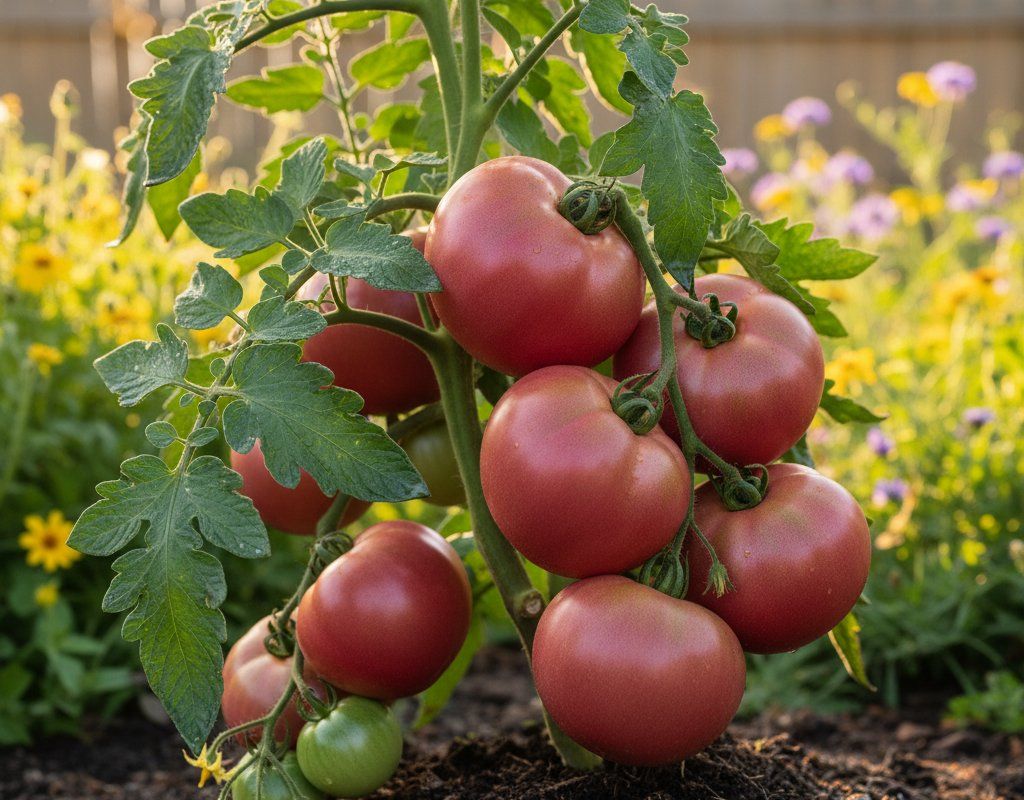
Brandywine Tomatoes in Zone 7B — Texas
Solanum lycopersicum · Your Complete 2026 Planting Guide
Missed Seed Starting? No Problem!
Wait for starts to become available.
What to Do
Starts will be available at nurseries in 20 days (around March 24).
How to Plant Brandywine Tomatoes in Zone 7B — Texas
Here are all your options for getting brandywine tomatoes in the ground, from the easiest method to more advanced approaches.
Start Seeds Indoors
RecommendedEarly to late February
around February 10
Then transplant: Late March through mid April
Start seeds 6-8 weeks before transplanting outdoors.
Buy Starts
Works WellLate March through mid April
around March 24
Plant purchased starts after last frost (March 10).
Direct Sow Seeds
ChallengingDirect sowing is not typical for Brandywine Tomatoes.
Transplant Outdoors
Timing InfoLate March through mid April
around March 24
Wait until nighttime temperatures stay above 50°F.
Plan to transplant within a few weeks of your target date.
Overview
Growing Brandywine tomatoes in Texas Zone 7B gives you access to one of the most prized heirloom varieties, famous for its incredible sweet, complex flavor that puts grocery store tomatoes to shame. These large, pink-red beauties thrive in our long 255-day growing season, and while they take their time to mature at 90 days, the payoff in taste makes them worth every bit of patience and care.
Yes, our unpredictable Texas weather and brutal summer heat present challenges for these tender heirlooms, but timing your plantings right makes all the difference. Starting seeds indoors during our mild winter months and getting transplants established before the worst heat hits sets you up for success through our excellent fall harvest window.
Starting Seeds Indoors
Start your Brandywine seeds indoors during early to late February, about 6 weeks before you plan to transplant them outside. This timing takes advantage of our early spring character while avoiding the risk of unexpected late freezes that can still surprise us in March.
Set up seed trays with quality potting mix and keep them warm - around 70-75°F works perfectly. A heat mat underneath helps maintain consistent temperature. Once seedlings emerge, provide bright light from either a sunny south window or grow lights positioned 4-6 inches above the plants.
Water from the bottom by setting seed trays in shallow pans of water rather than watering from above. This prevents damping-off disease and encourages strong root development. Your seedlings will be ready for hardening off by late March when our spring weather starts to settle into more predictable patterns.
Transplanting Outdoors
Plan to transplant your Brandywine seedlings outdoors during late March through mid-April, after the last frost risk has passed and soil temperatures consistently stay above 60°F. This window gives you the best chance to establish strong plants before Texas heat really kicks in.
Harden off your seedlings gradually over a week by placing them outside for increasing amounts of time each day, starting with just 2-3 hours in filtered light. Space your transplants 36-48 inches apart - these indeterminate plants get massive and need room for good air circulation, especially important in our variable humidity.
Watch the weather closely during transplant time since late cold snaps can still hit unexpectedly. Have row covers or milk jugs ready to protect young plants if temperatures threaten to drop below 50°F at night.
Watering Brandywine Tomatoes in Zone 7B (Texas)
Brandywines need consistent, deep watering throughout the season - they're not drought tolerant and will suffer quickly in our unpredictable rainfall patterns. With Texas summer highs hitting 97°F regularly and our annual rainfall ranging anywhere from 15 to 50 inches, you can't rely on nature alone.
Aim for 1-2 inches of water per week, checking soil moisture with the finger test - stick your finger 2 inches deep and water when it feels dry at that level. During our brutal summer months, you'll likely need to water every other day or even daily during heat waves. Water at the base of plants rather than overhead to reduce disease pressure in our variable humidity.
The key with Brandywines is avoiding the wet-dry cycle that causes fruit cracking. These heirlooms split more easily than hybrids when they get a big drink after being thirsty. Mulch around plants with 2-3 inches of organic matter to help maintain even soil moisture and keep roots cooler during extreme heat.
Signs of underwatering include wilting during the day (even with adequate soil moisture) and blossom end rot on developing fruit. Overwatering shows up as yellowing lower leaves and poor fruit set - yes, even water-loving tomatoes can get too much when our clay soils don't drain well.
Supporting Your Brandywine Tomatoes
Install strong cages or stakes at planting time since Brandywines produce large, heavy fruit on vigorous indeterminate vines that can easily reach 6-8 feet tall in our long growing season. Heavy-duty tomato cages or sturdy wooden stakes with multiple tie points work best - flimsy supports will buckle under the weight.
These plants have potato-leaf foliage that provides less natural shade than regular tomato varieties, which means the fruit is more exposed to our intense Texas sun. Position your support system to allow for some afternoon shade if possible, or plan to provide additional protection during extreme heat spells.
Train the main stem up your support and tie loosely with soft materials like cloth strips or tomato ties every 12-18 inches as the plant grows. The large fruit clusters will need individual support too - use pantyhose or cloth slings to cradle heavy tomatoes and prevent branch breakage.
Pruning & Maintaining Brandywine Tomatoes
Prune Brandywines moderately by removing suckers (shoots growing between the main stem and branches) when they're small and tender. Focus on the suckers below the first flower cluster and any that emerge from the base of the plant. Leave some upper suckers since these heirlooms need good leaf coverage to protect fruit from our intense sun.
Remove lower leaves that touch the ground or show signs of disease, working your way up as the plant grows. This improves air circulation - crucial for preventing fungal issues that Brandywines are more susceptible to than modern hybrids. Do your pruning in dry weather to reduce disease transmission.
As first frost approaches in mid-November, top the plants by pinching out the growing tips. This redirects energy into ripening existing fruit rather than producing new flowers that won't have time to mature. Remove any obviously diseased or damaged foliage but leave healthy leaves to continue feeding the developing tomatoes.
🧪Fertilizing Brandywine Tomatoes
Feeding Schedule
Organic Fertilizer Options
Harvest Time
Expect your first Brandywine harvest during late June through early August, about 90 days from transplanting. These beauties ripen to a pink-red color with slight softness when gently squeezed - don't wait for them to turn completely red like a hybrid tomato.
The shoulders (top area around the stem) may stay green even when fully ripe - this is normal for Brandywines and doesn't mean they need more time. Harvest by gently twisting and lifting, or use clean pruning shears to cut the stem, leaving a small stub attached to the fruit.
Check plants every 2-3 days during peak season since ripe fruit can quickly become overripe in our heat. Brandywines will continue producing through fall if you keep harvesting regularly and maintain consistent watering through the summer stress period.
As mid-November approaches and frost threatens, harvest any tomatoes showing the first blush of color - they'll ripen perfectly indoors on a sunny windowsill or in a paper bag with a ripe apple. This extends your harvest well past the first frost date and lets you enjoy homegrown Brandywines into December.
Common Problems in Zone 7B (Texas)
Fruit Cracking Concentric circles or radial lines split the tomato skin, often exposing the flesh underneath. This happens when fruit absorbs water faster than the skin can expand, typically after heavy watering or rain following a dry spell. Our unpredictable rainfall patterns make this especially common in Texas. Maintain consistent soil moisture with regular watering and mulching. Harvest promptly when tomatoes reach the pink stage rather than waiting for deep red color.
Low Yields Plants look healthy but produce fewer tomatoes than expected. Heirloom varieties naturally yield less than hybrids, but insufficient pollination during extreme heat, nutrient imbalances from too much nitrogen, or irregular watering stress the plants further. Ensure adequate spacing for air circulation, provide consistent moisture, and use balanced fertilizer rather than high-nitrogen formulations. Hand-pollinate during heat waves by gently shaking flower clusters in the morning.
Disease Susceptibility Brandywines lack the disease resistance genes found in modern hybrids, making them prone to fungal issues like early blight and bacterial problems. Our variable humidity and summer thunderstorms create perfect disease conditions. Improve air circulation with proper spacing and pruning, apply preventative organic fungicides, and remove affected leaves immediately. Plant in well-draining soil and avoid overhead watering during humid periods.
Catfacing Deep crevices, scars, and lumpy deformities appear on the blossom end of fruit, making tomatoes look misshapen. Cool night temperatures during flowering cause incomplete pollination - this can happen during unexpected cool spells in late spring or early summer. The fruit is perfectly edible despite its appearance. Avoid planting too early when nights are still cool, and use row covers if temperatures drop below 55°F during flowering.
Texas Specific Challenges: Our extreme heat and variable humidity stress Brandywines more than heat-tolerant hybrids. Provide afternoon shade during the worst summer heat, maintain consistent moisture to prevent heat stress, and be prepared for lower yields during July and August when temperatures regularly exceed 95°F.
Best Companions for Brandywine Tomatoes
Plant these nearby for healthier Brandywine Tomatoes and better harvests.
View Full Companion Planting Chart →



Companion Planting Details
Plant basil alongside your Brandywines - it reportedly improves tomato flavor while deterring aphids and other pests. Carrots and parsley make excellent companions since their deep taproots don't compete with tomato roots, and parsley attracts beneficial insects that help with pest control. Marigolds planted around the tomato bed help repel nematodes and add color while thriving in our Texas heat.
Avoid planting brassicas like cabbage, broccoli, or kale near tomatoes since they're heavy nitrogen feeders that compete for nutrients. Skip fennel entirely - it can stunt tomato growth. Corn isn't ideal either since both crops attract similar pests like corn earworms, and the tall corn can create too much shade for sun-loving Brandywines in our intense growing conditions.
🌸Best Flowers to Plant with Brandywine Tomatoes
These flowers protect your Brandywine Tomatoes from pests and attract pollinators for better harvests.
For Pest Control

Get a Reminder When It's Time to Plant
We'll email you when key planting windows open for your zone.