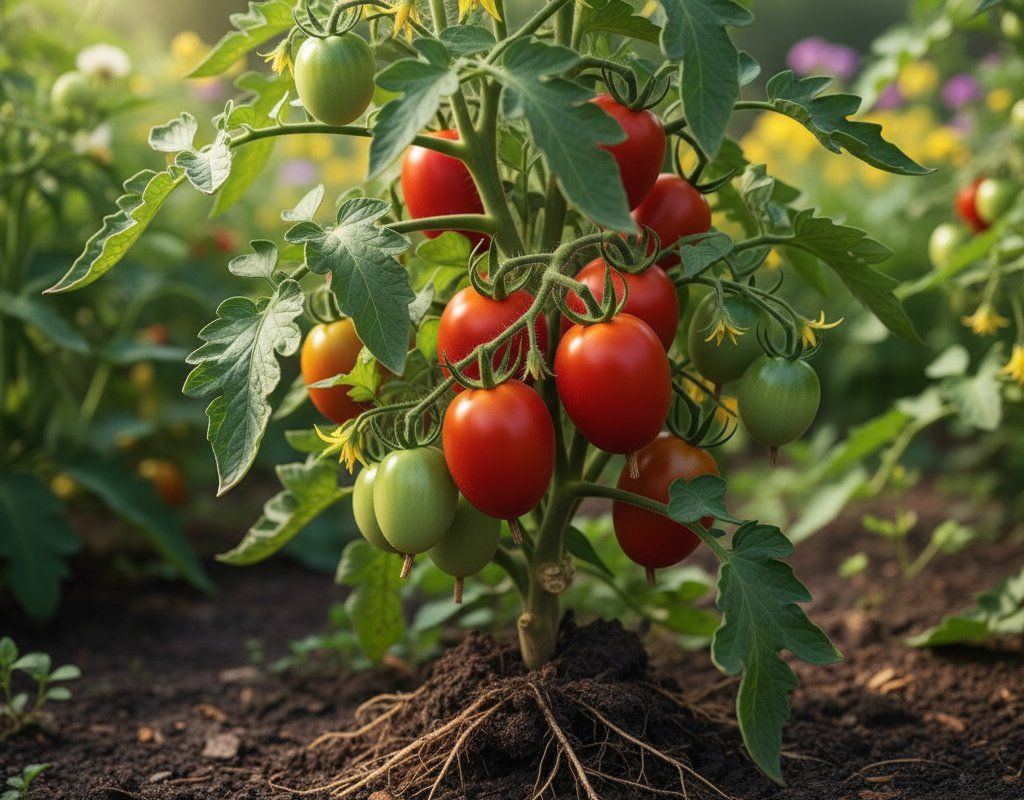
Roma Tomatoes in Zone 7B — Texas
Solanum lycopersicum · Your Complete 2026 Planting Guide
Missed Seed Starting? No Problem!
Wait for starts to become available.
What to Do
Starts will be available at nurseries in 20 days (around March 24).
How to Plant Roma Tomatoes in Zone 7B — Texas
Here are all your options for getting roma tomatoes in the ground, from the easiest method to more advanced approaches.
Start Seeds Indoors
RecommendedEarly to late February
around February 10
Then transplant: Late March through late April
Start seeds 6-8 weeks before transplanting outdoors.
Buy Starts
Works WellLate March through late April
around March 24
Plant purchased starts after last frost (March 10).
Direct Sow Seeds
ChallengingDirect sowing is not typical for Roma Tomatoes.
Transplant Outdoors
Timing InfoLate March through late April
around March 24
Wait until nighttime temperatures stay above 50°F.
You have a nice window — no need to rush.
Overview
Roma tomatoes are the workhorses of the Texas garden, producing meaty, paste-type fruit perfect for sauces, canning, and fresh eating. These determinate varieties set all their fruit within a concentrated window, making them ideal for our unpredictable Texas weather patterns. You'll get a heavy harvest before the brutal summer heat really kicks in, and their thick flesh holds up better than slicers when temperatures soar past 95°F.
Our Texas climate throws curveballs with late cold snaps and sudden heat waves, but Roma tomatoes are forgiving if you time things right. With our 255-day growing season, you have flexibility to start early and still beat the worst summer stress. The key is getting transplants in the ground during that sweet spot when soil has warmed but before the Texas heat becomes relentless.
Starting Seeds Indoors
Start your Roma seeds indoors during early to late February, about 6 weeks before you plan to transplant outside. You want seedlings ready when soil temperatures hit 60°F consistently, which happens late March through late April in our area. Use seed starting trays filled with quality potting mix, and keep them warm - a heat mat helps since February nights can still dip into the 40s.
Place trays in a sunny south window or under grow lights, keeping soil consistently moist but not soggy. Bottom watering works best - set trays in shallow pans of water and let the soil soak up moisture from below. This prevents damping-off disease that kills seedlings. Your seeds should germinate within 7-14 days with temperatures around 70-75°F.
Texas springs come early and fast, so don't start too soon or your seedlings will get leggy waiting for transplant time. Six weeks gives you sturdy, 4-6 inch plants ready to handle our variable spring weather once they're hardened off properly.
Transplanting Outdoors
Transplant your Roma seedlings outside from late March through late April, once nighttime temperatures stay consistently above 50°F. Soil should feel warm to the touch - cold soil will stunt growth and invite disease. Before planting, harden off seedlings gradually over a full week, starting with 2-3 hours outdoors in filtered sun and working up to full days outside.
Space plants 24-36 inches apart in full sun locations that get 6-8 hours of direct light. Wider spacing helps with air circulation, which matters in our variable humidity. Dig holes slightly deeper than the root ball and bury about two-thirds of the stem - tomatoes root along buried stems, creating stronger plants that handle Texas heat better.
Watch the weather closely during transplant season. Late freezes can still surprise us through early April, and you'll need to protect young plants with row cover or even overturned buckets if temperatures threaten to drop below 35°F. Have protection ready - Texas weather changes fast.
Watering Roma Tomatoes in Zone 7B (Texas)
Roma tomatoes need consistent moisture throughout the growing season, especially critical since inconsistent watering concentrates blossom end rot on their elongated fruit. Check soil moisture with the finger test - stick your finger 2 inches deep, and water when it feels dry at that depth. In Texas heat, this often means daily watering once temperatures climb above 85°F.
Provide about 1-2 inches of water per week, but adjust based on our unpredictable rainfall patterns. During dry spells, you might water deeply every other day rather than light daily watering. Water at the base of plants rather than overhead - our variable humidity can promote fungal diseases when leaves stay wet, especially during muggy periods.
Mulch heavily with 3-4 inches of organic matter to maintain even soil moisture and protect roots from extreme heat. Straw, shredded leaves, or wood chips work well. During drought periods, which hit us regularly, focus on deep, thorough watering rather than frequent shallow watering. This encourages deep root growth that helps plants survive heat stress.
Watch for stress signals - wilting during midday heat is normal, but wilting in the morning means they need water. Overwatering shows up as yellowing lower leaves and slow growth. During flash flood periods, ensure good drainage since waterlogged roots lead to disease and poor fruit quality.
Supporting Your Roma Tomatoes
Install cages or stakes at planting time since Roma tomatoes, despite being determinate, produce heavy loads of fruit that can snap branches. Tomato cages work well for these shorter plants - you don't need the tall cages required for indeterminate varieties. Choose sturdy wire cages at least 4 feet tall and 18 inches wide.
For staking, use 6-foot stakes driven 12 inches deep, placed 6 inches from the plant. Tie stems loosely with soft cloth strips or tomato ties, never wire or string that cuts into stems. As plants grow, add ties every 12 inches up the stake.
The concentrated fruit set of determinate varieties means you'll have lots of tomatoes ripening at once, creating significant weight. Proper support prevents branch breakage and keeps fruit off the ground, away from soil-borne diseases and fire ants that can be problematic in Texas gardens.
🧪Fertilizing Roma Tomatoes
Feeding Schedule
Organic Fertilizer Options
Harvest Time
Your first Roma tomatoes will be ready from early June through late July, about 75 days from transplanting. Look for deep red color throughout the fruit with firm flesh that gives slightly when pressed. The fruit should detach easily from the stem when gently twisted and lifted - forcing unripe fruit damages both the tomato and plant.
Since Roma tomatoes are determinate, most of your harvest will come within a 2-3 week period rather than continuously. This concentrated harvest is actually perfect for making large batches of sauce or canning. Pick fruit at the breaker stage (first blush of color) if extreme heat threatens - they'll ripen perfectly indoors on your counter.
Check plants daily during peak harvest since Texas heat can cause fruit to ripen quickly once it starts. Overripe fruit splits and attracts insects. If you can't process tomatoes immediately, store ripe ones in the refrigerator for up to a week.
As our first frost approaches in mid-November, harvest all remaining fruit regardless of ripeness. Green tomatoes ripen indoors when stored in a warm, dark place with good air circulation. Wrap individual fruits in newspaper or place in cardboard boxes, checking weekly and removing any that show signs of rot.
Common Problems in Zone 7B (Texas)
Blossom End Rot appears as dark, sunken patches on the bottom of Roma tomatoes, often affecting the first fruits. This isn't a disease but a calcium deficiency triggered by inconsistent watering - exactly what happens during our drought-to-flash-flood cycles. The plant can't uptake calcium when soil moisture swings from bone dry to waterlogged. Fix this by maintaining consistent soil moisture through mulching and regular watering schedules. Remove affected fruit and focus on steady watering - calcium sprays help marginally, but consistent moisture is the real solution.
Early Blight shows up as brown spots with concentric rings (bullseye pattern) on lower leaves, spreading upward until leaves yellow and drop. This fungal disease thrives in our warm, humid conditions and spreads when rain or irrigation splashes soil onto leaves. Remove affected leaves immediately and destroy them - don't compost diseased material. Mulch around plants to prevent soil splash, water at the base rather than overhead, and ensure good air circulation. Copper fungicides slow the spread but won't cure infected plants.
Fusarium Wilt causes wilting on one side of the plant first, with yellow leaves and brown streaks visible when you cut the stem open. This soil-borne fungus persists for years and loves warm soil temperatures - perfect conditions for Texas. Once infected, there's no cure - remove and destroy the entire plant. Prevent by choosing resistant varieties marked with 'F' on seed packets, rotating crops every four years, and raising soil pH above 6.5.
Texas-Specific Challenges: Our extreme heat stress, unpredictable rainfall, and variable humidity create perfect conditions for these problems. The key is consistent care - steady watering, good air circulation, and choosing varieties bred for heat tolerance when possible.
Best Companions for Roma Tomatoes
Plant these nearby for healthier Roma Tomatoes and better harvests.
View Full Companion Planting Chart →



Companion Planting Details
Plant basil nearby - it repels aphids and whiteflies while thriving in the same hot conditions as tomatoes. Carrots and parsley make excellent companions since their root systems don't compete, and parsley attracts beneficial insects that control tomato hornworms. Marigolds planted around the garden border help deter nematodes in our warm soils and add color when tomatoes start looking heat-stressed.
Avoid planting brassicas like cabbage or broccoli near tomatoes - they compete for nutrients and attract different pests that can spread between plant families. Skip corn as a companion since both are heavy nitrogen feeders, and corn can harbor tomato fruitworms. Never plant fennel near tomatoes - it inhibits tomato growth and attracts pests that damage fruit. In Texas heat, your tomatoes need every advantage they can get.
🌸Best Flowers to Plant with Roma Tomatoes
These flowers protect your Roma Tomatoes from pests and attract pollinators for better harvests.
For Pest Control



For Pollinators

Get a Reminder When It's Time to Plant
We'll email you when key planting windows open for your zone.