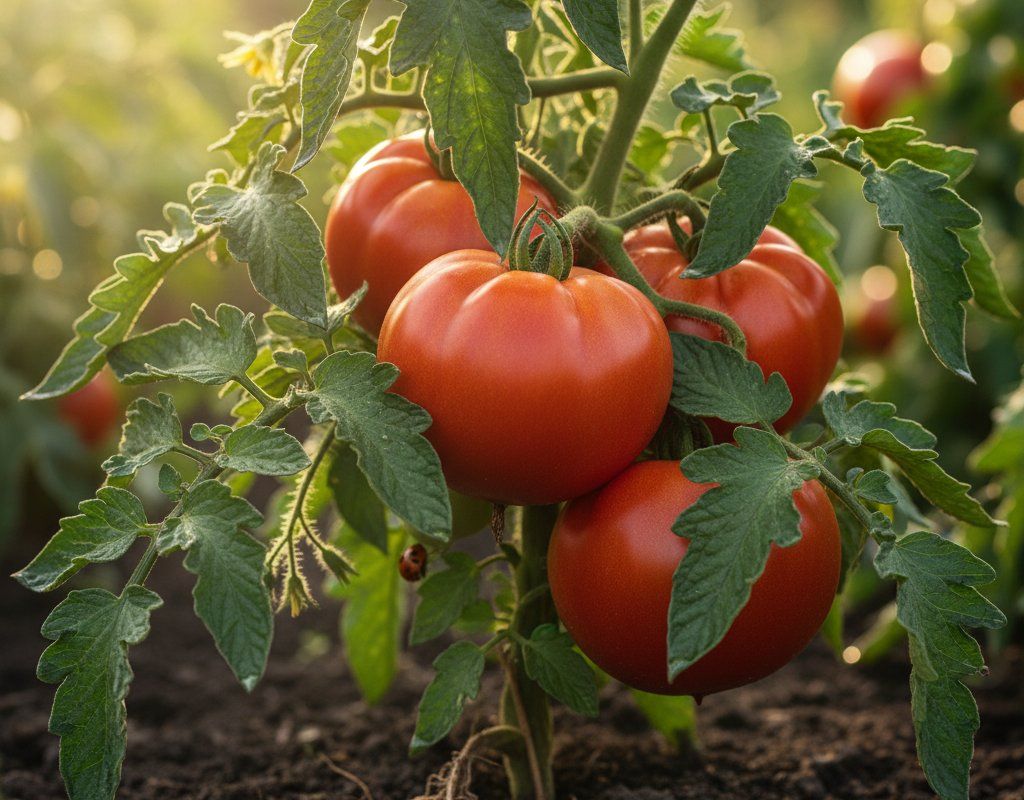
Beefsteak Tomatoes in Zone 8A — Florida
Solanum lycopersicum · Your Complete 2026 Planting Guide
Missed Seed Starting? No Problem!
Wait for starts to become available.
What to Do
Starts will be available at nurseries in 7 days (around March 11).
How to Plant Beefsteak Tomatoes in Zone 8A — Florida
Here are all your options for getting beefsteak tomatoes in the ground, from the easiest method to more advanced approaches.
Start Seeds Indoors
RecommendedLate January through mid February
around January 28
Then transplant: Mid March through early April
Start seeds 6-8 weeks before transplanting outdoors.
Buy Starts
Works WellMid March through early April
around March 11
Plant purchased starts after last frost (February 25).
Direct Sow Seeds
ChallengingDirect sowing is not typical for Beefsteak Tomatoes.
Transplant Outdoors
Timing InfoMid March through early April
around March 11
Wait until nighttime temperatures stay above 50°F.
You have a nice window — no need to rush.
Overview
Growing massive, juicy beefsteak tomatoes in Florida feels like hitting the gardening jackpot. These giants can easily weigh a pound or more, delivering that perfect sweet-tart flavor that makes store-bought tomatoes taste like cardboard. In our subtropical climate, you'll get the satisfaction of harvesting restaurant-quality slicers from March plantings right through our blazing summer heat.
Florida's reversed growing calendar actually works in your favor with beefsteaks. While northern gardeners struggle with short seasons, your 283-day growing window gives you plenty of time to nurture these slow-maturing beauties. Yes, our extreme humidity and fungal pressure require some extra attention, but proper timing and consistent care will have you slicing into perfect tomatoes by early summer.
Starting Seeds Indoors
Starting beefsteak tomato seeds indoors is essential in Florida since direct sowing simply doesn't work for these tender plants. Begin your seeds during late January through mid-February, about 6 weeks before your planned transplant date. This timing takes advantage of our reversed spring season, giving seedlings time to establish before the heat hits.
Set up your seed trays in a warm spot around 70-75°F with good grow lights or a sunny south-facing window. Use a quality seed starting mix and bottom water your trays to prevent the damping-off problems that love our humid conditions. The seeds typically germinate within 7-10 days in our warm indoor temperatures.
Once seedlings develop their first true leaves, you can begin weekly feeding with diluted fertilizer. Keep them growing steadily indoors until mid-March through early April when nighttime temperatures consistently stay above 55°F.
Transplanting Outdoors
Plan to transplant your beefsteak seedlings outdoors during mid-March through early April, when the last frost threat has passed and nights stay reliably warm. This window gives your plants time to establish before summer's brutal heat arrives. Start hardening off your seedlings about a week before transplant by gradually exposing them to outdoor conditions.
Space your beefsteak plants 36-48 inches apart since these indeterminate varieties will sprawl into massive plants by midsummer. Our sandy Florida soil drains quickly, so amend each planting hole with compost to help retain moisture around the roots.
Watch the weather during transplant season since late cold fronts can still surprise us in March. Keep row covers handy for any unexpected temperature drops below 50°F, which can shock young tomato plants and cause future flower problems.
Watering Beefsteak Tomatoes in Zone 8A (Florida)
Beefsteak tomatoes demand consistent, deep watering throughout Florida's growing season, and their large fruit size makes them particularly sensitive to water stress. During spring establishment, provide about 1-2 inches of water per week, checking soil moisture with the finger test down to 2 inches deep.
As summer heat builds toward those typical 93°F days, increase watering to 2-3 inches per week. Our afternoon thunderstorms during wet season can help, but don't rely on rainfall alone since beefsteaks need steady moisture rather than the feast-or-famine cycle that leads to fruit cracking. Water at the base of plants rather than overhead to minimize fungal problems in our very high humidity.
Watch for signs of water stress: wilting during peak heat, yellowing lower leaves, or hard, slow-growing fruit. Overwatering shows up as consistently soggy soil, root rot, or excessive leaf growth with poor fruit set. The finger test remains your best guide – soil should feel moist but not waterlogged at 2 inches deep.
Apply a thick layer of organic mulch around plants to maintain even soil moisture in our sandy soil. This becomes critical as summer progresses and helps prevent the water stress that causes blossom end rot and fruit cracking.
Supporting Your Beefsteak Tomatoes
Install heavy-duty tomato cages or thick wooden stakes at planting time since beefsteak varieties produce enormous plants loaded with heavy fruit. Standard tomato cages often collapse under the weight, so invest in extra-sturdy 6-foot cages or use 2-inch wooden stakes driven deep into the ground.
Train the main stem up your support system and tie branches regularly with soft plant ties or strips of old t-shirt fabric. Beefsteak branches can snap suddenly under the weight of large fruit, especially during our summer thunderstorms with high winds.
As plants grow, you may need to provide additional support for individual fruit clusters. Fashion slings from old pantyhose or soft fabric to cradle heavy tomatoes and prevent branches from breaking. This extra step pays off when you're harvesting pound-plus tomatoes instead of dealing with broken plants.
Pruning & Maintaining Beefsteak Tomatoes
Remove suckers (shoots growing between the main stem and branches) regularly throughout the growing season to focus the plant's energy on producing fewer but larger fruit. Start this process when plants are about 12 inches tall and continue weekly through the growing season.
Strip off lower leaves that touch the ground to improve air circulation in our humid climate and prevent soil-borne diseases from splashing up onto foliage. As fruit begins developing, remove some leaves around fruit clusters to improve air circulation and reduce fungal pressure.
In late fall as your first frost approaches around early December, top your plants by pinching out the growing tip. This forces the plant to put energy into ripening existing fruit rather than producing new flowers that won't have time to mature. You can also reduce watering slightly to encourage ripening of green fruit.
🧪Fertilizing Beefsteak Tomatoes
Feeding Schedule
Organic Fertilizer Options
Harvest Time
Expect your first beefsteak tomatoes during early June through late July, about 85 days from transplanting. These large tomatoes need extra time to develop their full size and complex flavor, so patience pays off with superior taste compared to smaller varieties.
Harvest when tomatoes show deep, even color but still feel firm when cupped gently in your hand. Beefsteaks often develop their best flavor when picked at the "breaker" stage (first blush of color) and allowed to finish ripening indoors, away from fruit flies and splitting from sudden downpours.
Check plants every 2-3 days during peak season since fruit can go from perfect to overripe quickly in our heat. Twist and lift gently when harvesting, or use clean pruning shears to avoid damaging the vine. Regular picking encourages continued production through summer.
As your first frost approaches in early December, harvest all remaining fruit regardless of size. Large green tomatoes ripen well indoors on a sunny windowsill or wrapped in newspaper in a cool spot. This extends your harvest well into winter, maximizing your investment in these premium plants.
Common Problems in Zone 8A (Florida)
Cracking appears as splits radiating from the stem or concentric circles around the shoulders of fruit. You'll see deep cracks that expose the flesh, making tomatoes prone to rot and pest invasion. This frustrating problem typically strikes your biggest, most beautiful tomatoes just as they reach perfection.
Our wet-summer rainfall pattern combined with sandy soil creates the perfect storm for cracking. Heavy afternoon thunderstorms after dry spells cause fruit to absorb water faster than the skin can expand. Maintain consistent soil moisture with regular deep watering and thick mulch to prevent the dry-wet cycles that trigger splitting.
Catfacing shows up as deep crevices, scars, and bizarre deformities on the blossom end, making fruit look lumpy and misshapen like it was sewn together poorly. While ugly, catfaced tomatoes remain perfectly edible – just more challenging to slice.
Cool nighttime temperatures during flowering (below 55°F) cause incomplete pollination, leading to these deformities. Our occasional late cold fronts in March can trigger catfacing, especially on early plantings. Wait for consistently warm nights before transplanting, or use row covers during unexpected cool snaps.
Blossom end rot appears as sunken, dark brown or black leathery patches on the bottom (blossom end) of fruit. This calcium deficiency problem often strikes the first fruit clusters of the season, leaving you with rotted tomatoes despite healthy-looking plants.
Inconsistent watering disrupts calcium uptake even when soil contains adequate calcium. Our sandy soil compounds this by draining quickly between waterings. Maintain steady soil moisture with consistent deep watering and avoid over-fertilizing with nitrogen, which interferes with calcium absorption.
Slow ripening leaves you with huge green tomatoes that seem stuck in time, refusing to develop color despite reaching full size. Beefsteak varieties naturally ripen more slowly than smaller types, but environmental factors can extend this process frustratingly.
Florida's specific challenges include our extreme humidity promoting fungal diseases that weaken plants, and summer heat that can actually slow ripening when temperatures exceed 95°F. Our afternoon thunderstorms and hurricane threats also stress plants, redirecting energy from fruit ripening to survival.
Best Companions for Beefsteak Tomatoes
Plant these nearby for healthier Beefsteak Tomatoes and better harvests.
View Full Companion Planting Chart →



Companion Planting Details
Plant basil around your beefsteak tomatoes to naturally repel aphids and hornworms while improving the flavor of both crops. Carrots make excellent companions since their deep taproots don't compete with tomato roots, and marigolds planted nearby help deter nematodes – a serious problem in Florida's sandy soil.
Parsley planted as a living mulch provides ground cover that retains moisture in our fast-draining soil while attracting beneficial insects. Avoid planting brassicas like cabbage or broccoli near tomatoes since they're heavy feeders that compete for nutrients, and their different watering needs don't mesh well with tomato requirements. Skip corn as a companion since it attracts similar pests and provides too much shade for sun-loving beefsteaks.
🌸Best Flowers to Plant with Beefsteak Tomatoes
These flowers protect your Beefsteak Tomatoes from pests and attract pollinators for better harvests.


Get a Reminder When It's Time to Plant
We'll email you when key planting windows open for your zone.