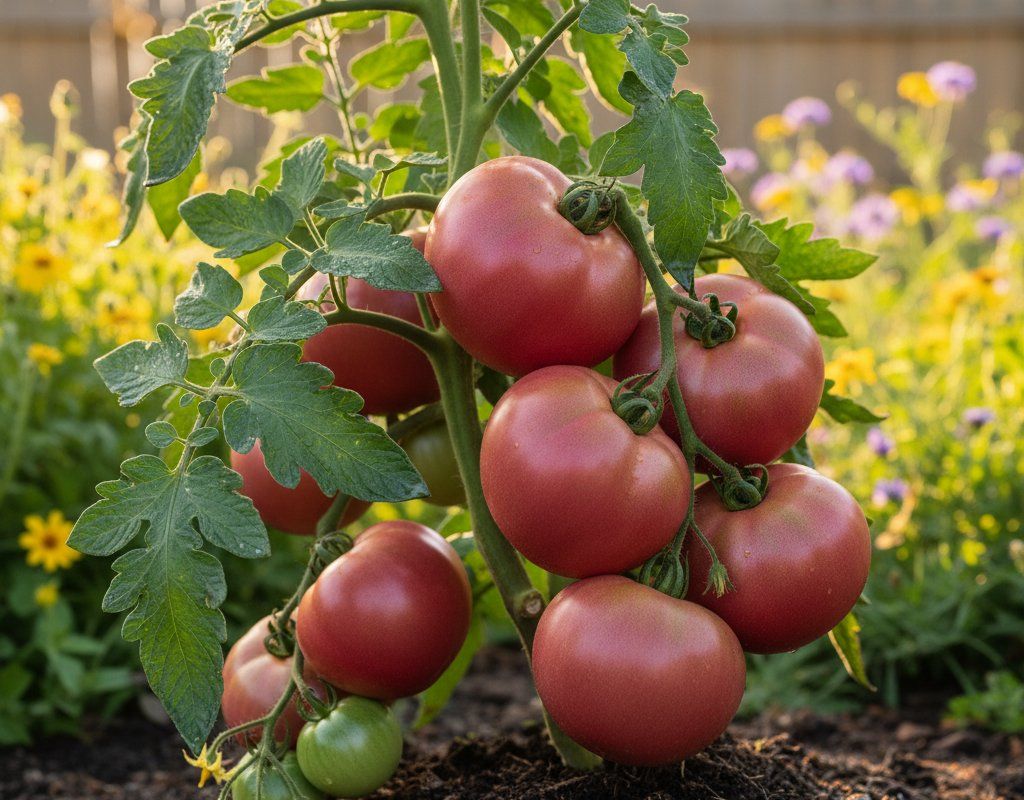
Brandywine Tomatoes in Zone 8A — Florida
Solanum lycopersicum · Your Complete 2026 Planting Guide
Missed Seed Starting? No Problem!
Wait for starts to become available.
What to Do
Starts will be available at nurseries in 7 days (around March 11).
How to Plant Brandywine Tomatoes in Zone 8A — Florida
Here are all your options for getting brandywine tomatoes in the ground, from the easiest method to more advanced approaches.
Start Seeds Indoors
RecommendedLate January through mid February
around January 28
Then transplant: Mid March through early April
Start seeds 6-8 weeks before transplanting outdoors.
Buy Starts
Works WellMid March through early April
around March 11
Plant purchased starts after last frost (February 25).
Direct Sow Seeds
ChallengingDirect sowing is not typical for Brandywine Tomatoes.
Transplant Outdoors
Timing InfoMid March through early April
around March 11
Wait until nighttime temperatures stay above 50°F.
Plan to transplant within a few weeks of your target date.
Overview
Brandywine tomatoes bring that old-fashioned tomato flavor Florida gardeners remember from childhood - deep, complex taste with perfect balance of sweet and tangy that makes store-bought tomatoes taste like cardboard. These pink beefsteak heirlooms from the 1880s thrive in our Zone 8A spring weather, giving you massive 1-2 pound fruits perfect for slicing thick on summer sandwiches before our heat becomes too intense for most tomato production.
Yes, Florida's extreme humidity and fungal disease pressure make Brandywines more challenging than hybrid varieties, but our 283-day growing season gives you flexibility other regions don't have. Plant them in our reversed spring season (while northern gardeners are still dealing with snow), and you'll be harvesting beautiful tomatoes by early summer before transitioning to heat-tolerant crops.
Starting Seeds Indoors
Start your Brandywine seeds indoors from late January through mid-February, about 6 weeks before your planned transplant date. Since Florida's spring arrives early compared to most Zone 8A regions, you'll want seeds germinating while northern gardeners are still planning their season.
Set up seed trays in a warm spot - aim for 70-80°F soil temperature, which is easy to maintain in heated Florida homes. Use a quality seed starting mix and practice bottom watering by placing trays in shallow pans of water rather than watering from above. This prevents fungal issues that plague tomato seedlings in our humid climate.
Place seedlings under grow lights or in your brightest south-facing window once they emerge. Brandywines are slower to germinate than hybrids, taking 7-14 days, so be patient. Keep soil consistently moist but not waterlogged - the same moisture management skills you'll need once they're in the garden.
Transplanting Outdoors
Transplant your Brandywine seedlings outdoors from mid-March through early April, after our last frost danger passes in late February. This timing puts them in the ground during Florida's ideal spring weather - warm days and cool nights that tomatoes love before summer heat arrives.
Harden off seedlings gradually over a week, starting with 2-3 hours of morning sun and increasing daily. Florida's intense UV can shock indoor-grown plants, so this step is crucial. Watch for late cold snaps that can still surprise us in March - have row covers ready just in case.
Space plants 36-48 inches apart, wider than you might expect. Brandywines are vigorous indeterminate varieties that need excellent air circulation to combat our humidity and prevent fungal diseases. This generous spacing also makes harvesting those large fruits much easier once the vines fill out.
Watering Brandywine Tomatoes in Zone 8A (Florida)
Brandywines need consistent, deep watering throughout our growing season - about 1.5-2 inches per week through spring and early summer. These large-fruited heirlooms are particularly prone to cracking when watering becomes erratic, and Florida's variable spring rainfall makes consistent moisture a real challenge.
Use the finger test regularly: stick your finger 2 inches into the soil near the plant base. If it's dry at that depth, it's time to water deeply. Water at soil level rather than overhead - our very high humidity already creates perfect conditions for fungal diseases without adding wet foliage to the mix.
During our wet summer season (50-65 inches annual rainfall), you might think watering worries are over, but afternoon thunderstorms create the worst possible scenario for tomatoes: bone dry soil followed by deluges. Maintain consistent moisture with mulch and supplemental watering during dry spells, even when summer rains seem adequate.
Monitor for overwatering signs like yellowing lower leaves or fruit splitting after heavy rains. In sandy Florida soils, water drains quickly, but our humid air slows plant transpiration, creating a tricky balance. Mulch heavily with straw or shredded leaves to moderate moisture swings and keep soil temperature steady.
Supporting Your Brandywine Tomatoes
Install heavy-duty tomato cages or sturdy stakes at planting time - Brandywines produce massive fruits on vigorous indeterminate vines that can easily reach 6-8 feet tall in our long growing season. Those 1-2 pound tomatoes will snap branches and topple inadequate support systems.
Use 6-foot tall, heavy-gauge cages or drive 8-foot stakes 2 feet into the ground for stability against Florida's summer storms. The potato-leaf foliage of Brandywines provides less natural shade than regular tomato varieties, making strong support even more critical as heavy fruits develop on exposed branches.
Train main stems loosely to supports using soft ties, checking and adjusting weekly as plants grow rapidly in spring weather. Don't wait until plants are struggling - by then the root system may already be damaged from plants rocking in the wind.
Pruning & Maintaining Brandywine Tomatoes
Prune Brandywines moderately by removing suckers (shoots growing between main stem and branches) when they're small, about 2-4 inches long. This variety is more disease-susceptible than modern hybrids, so improving air circulation through selective pruning is essential in our humid climate.
Remove lower leaves that touch the soil to prevent soil-borne diseases from splashing up during watering or rain. Also trim any yellowing or spotted leaves throughout the season - in Florida's fungal disease paradise, prevention is much easier than cure.
As our December frost approaches, top the plants by pinching growing tips in early November. This redirects energy into ripening existing fruits rather than producing new ones that won't have time to mature. You can also remove flower clusters that appear after October since those fruits won't ripen before cold weather arrives.
🧪Fertilizing Brandywine Tomatoes
Feeding Schedule
Organic Fertilizer Options
Harvest Time
Expect your first Brandywine harvest from early June through late July, about 90 days from transplanting. These beauties ripen to a deep pink-red color with slight softness when gently squeezed - don't wait for them to turn bright red like hybrid varieties.
Watch for the shoulders (area around the stem) to start changing color, though they may remain slightly green even when ripe - that's normal for Brandywines. Harvest by gently twisting and pulling, or use clean pruning shears to avoid damaging the vine when fruits are particularly large.
Pick tomatoes regularly to encourage continued production through early summer. Once our heat becomes intense in July, production typically slows dramatically, but plants often get a second wind when temperatures moderate in early fall.
When December's first frost threatens, harvest all remaining fruits regardless of ripeness. Green and partially ripe Brandywines ripen beautifully indoors in a paper bag with a ripe apple. This extends your harvest well into winter, giving you homegrown tomato flavor when others are buying expensive greenhouse varieties.
Common Problems in Zone 8A (Florida)
Cracking Concentric circles or radial lines splitting the tomato skin, exposing flesh to rot and insects. Brandywines are particularly prone to this issue, especially the large fruits that make them so desirable.
Florida's erratic spring rainfall patterns - dry spells followed by heavy downpours - cause fruits to absorb water faster than skins can expand. Our afternoon thunderstorms after hot, dry mornings create perfect cracking conditions. Maintain consistent soil moisture with deep, regular watering and thick mulch to buffer moisture swings. Harvest promptly when fruits start showing color.
Low Yields Despite healthy-looking plants, you're getting far fewer tomatoes than expected from these vigorous vines. This frustrates many Florida gardeners who expect prolific production from their efforts.
Heirloom varieties like Brandywine naturally produce fewer fruits than modern hybrids, but inconsistent pollination in our humid conditions makes it worse. Hot, humid air interferes with pollen transfer, and our spring storms can damage flowers. Hand-pollinate by gently tapping flower clusters mid-morning. Ensure balanced fertilization - too much nitrogen creates lush foliage at the expense of fruit production.
Disease Susceptibility Multiple fungal and bacterial issues throughout the growing season - leaf spots, wilts, and fruit rots that rarely affect hybrid tomatoes. Brandywines lack the disease resistance genes bred into modern varieties.
Florida's extreme humidity and wet summers create ideal conditions for tomato diseases. Improve air circulation through wider plant spacing (36-48 inches) and selective pruning. Water at soil level, never overhead. Apply preventative fungicide sprays before problems appear. Remove affected foliage immediately and don't compost it.
Catfacing Deep crevices, scars, and lumpy deformities on the blossom end of fruits, making them look like they've been clawed. Large-fruited varieties like Brandywine are especially prone to this issue.
Cool nighttime temperatures during flowering (below 55°F) cause incomplete pollination, common during Florida's variable spring weather. Late March cold snaps often trigger this problem. Use row covers during cool spells and avoid planting too early. The disfigured fruits are perfectly edible - just ugly.
Florida Specific Challenges: Our combination of extreme humidity, intense summer heat, and wet-dry rainfall cycles makes Brandywines more challenging than in drier climates. Plan for shorter production windows, invest in disease prevention, and focus on consistent moisture management to succeed with these temperamental but delicious heirlooms.
Best Companions for Brandywine Tomatoes
Plant these nearby for healthier Brandywine Tomatoes and better harvests.
View Full Companion Planting Chart →



Companion Planting Details
Plant basil around your Brandywines - it naturally repels aphids and whiteflies while improving tomato flavor, plus you'll harvest both together for perfect caprese combinations. Carrots and parsley make excellent ground covers that don't compete for nutrients while their deep taproots break up our sandy soil. Marigolds planted nearby deter nematodes, a serious problem in Florida's warm soils, while their bright flowers attract beneficial insects for natural pest control.
Avoid planting brassicas (cabbage, broccoli) or fennel near tomatoes - they can stunt growth and attract different pest problems. Keep corn at a distance since both crops attract similar hornworms, and you don't want to concentrate pest pressure. Focus on companions that either repel our common Florida garden pests or provide beneficial ground coverage in the spaces between your widely-spaced Brandywine plants.
🌸Best Flowers to Plant with Brandywine Tomatoes
These flowers protect your Brandywine Tomatoes from pests and attract pollinators for better harvests.
For Pest Control

Get a Reminder When It's Time to Plant
We'll email you when key planting windows open for your zone.