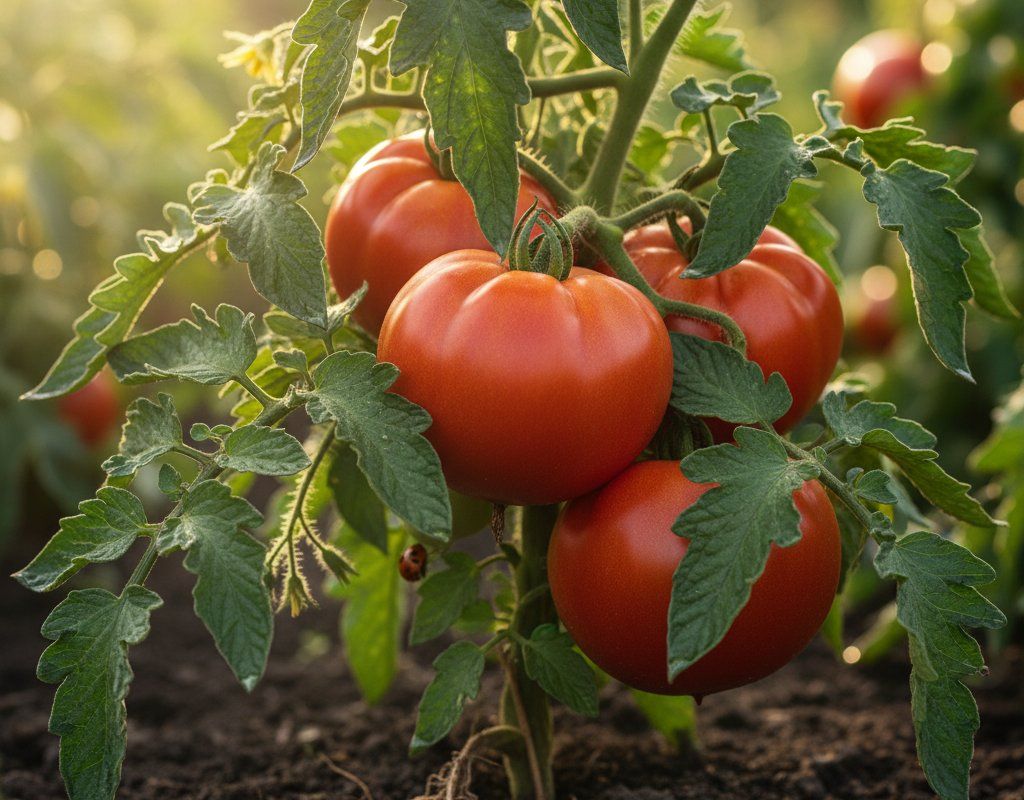
Beefsteak Tomatoes in Zone 8A — Northern California
Solanum lycopersicum · Your Complete 2026 Planting Guide
Missed Seed Starting? No Problem!
Wait for starts to become available.
What to Do
Starts will be available at nurseries in 20 days (around March 24).
How to Plant Beefsteak Tomatoes in Zone 8A — Northern California
Here are all your options for getting beefsteak tomatoes in the ground, from the easiest method to more advanced approaches.
Start Seeds Indoors
RecommendedEarly to late February
around February 10
Then transplant: Late March through late April
Start seeds 6-8 weeks before transplanting outdoors.
Buy Starts
Works WellLate March through late April
around March 24
Plant purchased starts after last frost (March 10).
Direct Sow Seeds
ChallengingDirect sowing is not typical for Beefsteak Tomatoes.
Transplant Outdoors
Timing InfoLate March through late April
around March 24
Wait until nighttime temperatures stay above 50°F.
You have a nice window — no need to rush.
Overview
Beefsteak tomatoes are the crown jewel of any Northern California garden, delivering those massive, meaty slices perfect for our summer sandwiches and salads. In our Mediterranean climate with its long, warm growing season, these giants have plenty of time to develop their full, complex flavor – something you'll never get from store-bought varieties. Our dry summers and abundant sunshine create ideal conditions for these heat-loving plants to thrive.
While beefsteaks need consistent watering and sturdy support, our 255-day growing season gives you plenty of flexibility in timing. Yes, they're more demanding than cherry tomatoes, but with our mild winters allowing early indoor starts and our extended fall season, you can work around their needs and still harvest until well into autumn.
Starting Seeds Indoors
Start your beefsteak tomato seeds indoors during early to late February, about 6 weeks before you plan to transplant them outside. Our early spring character means you can get these slow-growing giants started while it's still cool, giving them the head start they need to produce those massive fruits.
Set up seed trays with quality seed-starting mix and place them somewhere warm – a heat mat helps, but the top of your water heater works too. You'll need grow lights or a very sunny south-facing window once the seeds germinate. Bottom watering works best for tomato seedlings; it keeps the leaves dry and encourages strong root development.
Keep the soil consistently moist but not soggy, and once your seedlings develop their first true leaves, you can start feeding them with diluted fertilizer every couple of weeks. They'll be ready to transplant when nighttime temperatures reliably stay above 50°F and they have 4-6 sets of true leaves.
Transplanting Outdoors
Transplant your beefsteak seedlings outdoors from late March through late April, once our last frost risk has passed and soil temperatures warm up. Don't rush this step – beefsteaks are particularly sensitive to cold soil and will sulk if planted too early in our sometimes unpredictable spring weather.
Harden off your seedlings gradually over a week, starting with just a few hours outdoors in filtered sun and working up to full day exposure. This prevents transplant shock and helps them adjust to our sometimes strong spring winds and temperature swings.
Space plants 36 to 48 inches apart – beefsteaks need serious elbow room for good air circulation, especially important in our low-humidity climate. Plant them deep, burying 2/3 of the stem to encourage a strong root system. Water thoroughly after transplanting and consider using wall-o-water or row covers if a late cold snap threatens.
Watering Beefsteak Tomatoes in Zone 8A (Northern California)
Beefsteak tomatoes are water hogs, and in our dry summer climate, consistent irrigation becomes absolutely critical. These plants need about 1 to 2 inches of water per week, applied slowly and deeply to encourage roots to grow down rather than spread shallow. The finger test works well – stick your finger 2 inches into the soil, and if it's dry, it's time to water.
Our Mediterranean climate creates specific challenges for tomato watering. Summer days can hit 88°F while nights cool down significantly, and with virtually no summer rainfall, you're the only source of moisture these thirsty plants will get. Water early morning or late evening to minimize evaporation, and always water at the base of the plant rather than overhead – our low humidity means leaves dry quickly, but why waste water?
Watch for signs of water stress: wilting during the heat of the day (normal), but also leaf curl, cracking fruit, or blossom end rot. Overwatering shows up as yellowing lower leaves and generally soggy soil. A thick layer of mulch – straw, shredded leaves, or wood chips – helps maintain consistent soil moisture and reduces your watering frequency.
The key in our climate is consistency rather than quantity. Better to water deeply twice a week than lightly every day, especially as summer heat intensifies and water restrictions may limit your irrigation schedule.
Supporting Your Beefsteak Tomatoes
Install sturdy support at planting time – beefsteak tomatoes are indeterminate plants that will grow 6 to 8 feet tall and produce fruit that can weigh over a pound each. Standard tomato cages from the garden center won't cut it; you need either extra-heavy cages or thick wooden stakes (at least 2x2 inches) driven 2 feet into the ground.
If using stakes, install them on the north side of the plant to avoid shading and tie the main stem loosely with soft materials like fabric strips or tomato ties. Check and adjust ties every few weeks as the plant grows – tight ties can girdle and kill the stem.
For cage systems, choose cages at least 6 feet tall with large openings that let you reach in to harvest those big fruits. The weight of mature beefsteak tomatoes can snap branches unexpectedly, so consider supporting individual heavy trusses with additional ties or slings made from old t-shirts.
Pruning & Maintaining Beefsteak Tomatoes
Remove suckers – those shoots that grow in the crotch between the main stem and branches – throughout the growing season to direct the plant's energy into fewer, larger fruits. Pinch them off when they're small and tender, or cut larger ones with clean pruners to avoid tearing the plant.
Strip off the lowest leaves once plants are established and flowering begins, removing any foliage that touches the ground. This improves air circulation around the base and reduces disease pressure. Continue removing lower leaves as the plant grows, keeping the bottom 12 inches of stem clear.
In late summer (around early September in our climate), top the plants by pinching out the growing tip. This forces the plant to put energy into ripening existing fruit rather than making new flowers that won't have time to mature before our first frost in mid-November. Also remove any new flower clusters that form after early September.
🧪Fertilizing Beefsteak Tomatoes
Feeding Schedule
Organic Fertilizer Options
Harvest Time
Your first beefsteak tomatoes will be ready from mid-June through early August, depending on when you transplanted and which variety you chose. These 85-day varieties need patience – the large fruits take significant time to develop and ripen fully on the vine.
Look for deep, even color and slight softness when you cup the tomato in your hand. The shoulder (top) should lose its green tinge completely. Unlike smaller tomatoes, beefsteaks often need a gentle twist and pull rather than just lifting off the vine – support the fruit's weight as you harvest to avoid tearing the plant.
Beefsteaks continue producing until frost, so keep harvesting regularly to encourage more fruit set. In our climate, you'll typically get fruit into October or even early November. If cold weather threatens before fruits ripen, harvest large green tomatoes and ripen them indoors on a countertop – they'll continue developing flavor even off the vine.
Late in the season, focus the plant's energy by removing small, immature fruits that won't have time to size up. This helps existing larger fruits reach full potential before our first frost arrives in mid-November.
Common Problems in Zone 8A (Northern California)
Cracking shows up as splits in the tomato skin – either concentric rings around the stem end or radial cracks shooting out from the top. This is especially problematic in our dry summer climate when inconsistent watering creates a feast-or-famine cycle. The fruit absorbs water faster than the skin can stretch, causing it to split and potentially rot. Fix this by maintaining consistent soil moisture with regular deep watering and thick mulch. Our Mediterranean climate makes this easier than in areas with summer rains, since you control all the water input.
Catfacing appears as deep crevices, scars, and puckered deformities on the blossom end, making fruits look lumpy and misshapen. Cool nighttime temperatures during flowering (common in our spring and early summer) cause incomplete pollination, leading to these malformed fruits. While ugly, catfaced tomatoes are perfectly edible. Prevent this by waiting until nights consistently stay above 55°F before transplanting, or use row covers during cool spells.
Blossom end rot creates sunken, dark brown or black leathery patches on the bottom of fruits. This isn't a disease but a calcium deficiency triggered by inconsistent watering – exactly the challenge our dry summers present. The plant can't uptake calcium properly when soil moisture fluctuates wildly. Consistent watering is the single most effective fix, along with maintaining steady soil moisture through mulching. Remove affected fruits immediately.
Slow ripening means large green tomatoes that seem stuck in limbo, refusing to turn red even after the expected 85 days. Our sometimes cool nighttime temperatures, even in summer, can slow the ripening process. Ensure plants get full sun exposure, reduce nitrogen fertilizing (which promotes leaves over fruit), and remove excess foliage that shades developing tomatoes. Consider red plastic mulch to reflect additional heat to the fruit.
Northern California's specific challenges – drought conditions, potential water restrictions, and widely varying microclimates – mean beefsteak success depends heavily on consistent irrigation management and choosing varieties suited to your specific location's heat and fog patterns.
Best Companions for Beefsteak Tomatoes
Plant these nearby for healthier Beefsteak Tomatoes and better harvests.
View Full Companion Planting Chart →



Companion Planting Details
Plant basil alongside your beefsteak tomatoes – it naturally repels aphids and whiteflies while some gardeners swear it improves tomato flavor. Carrots make excellent companions since their deep taproots don't compete with tomato roots, and they help break up clay soil common in many NorCal gardens. Parsley and marigolds both attract beneficial insects that prey on tomato hornworms and other pests.
Avoid planting brassicas (cabbage, broccoli, kale) near tomatoes as they can stunt each other's growth through chemical competition. Keep fennel far away – it inhibits tomato growth significantly. Corn creates too much shade for these sun-loving plants and can harbor similar pests. In our water-conscious climate, group plants with similar irrigation needs together, making beefsteaks natural partners with other high-water vegetables like peppers and eggplant.
🌸Best Flowers to Plant with Beefsteak Tomatoes
These flowers protect your Beefsteak Tomatoes from pests and attract pollinators for better harvests.


Get a Reminder When It's Time to Plant
We'll email you when key planting windows open for your zone.