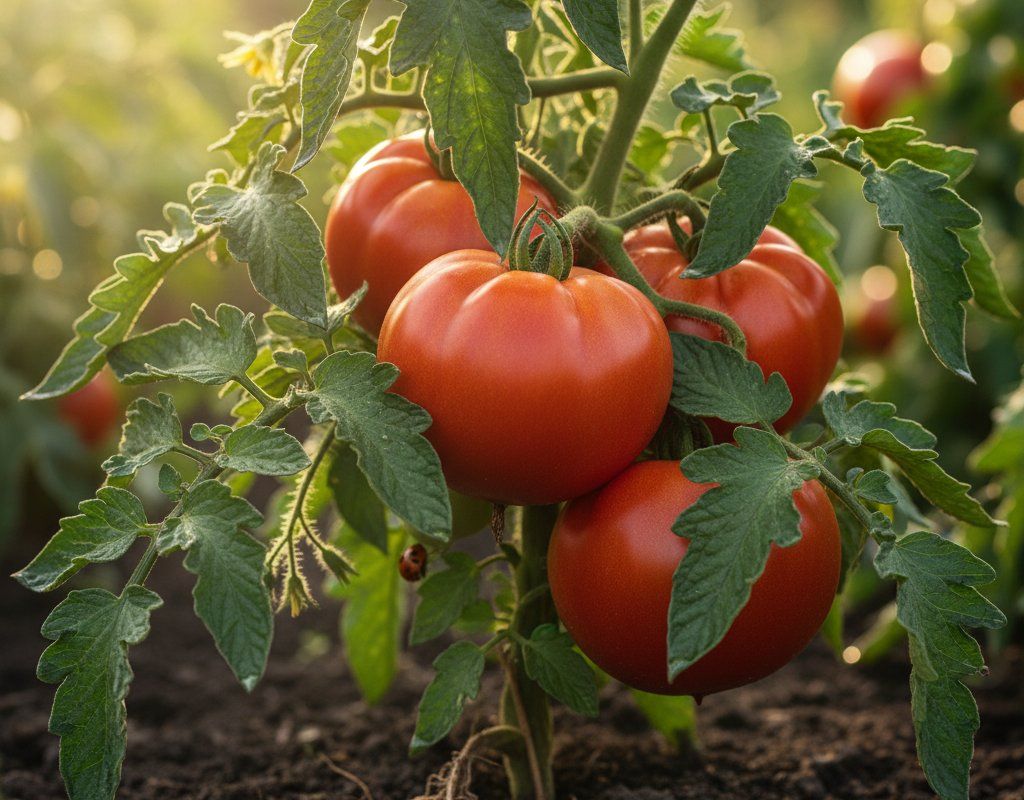
Beefsteak Tomatoes in Zone 8A — Pacific Northwest
Solanum lycopersicum · Your Complete 2026 Planting Guide
Planning Ahead — Great!
You’re ahead of the season. Here’s when to start.
Mark Your Calendar
How to Plant Beefsteak Tomatoes in Zone 8A — Pacific Northwest
Here are all your options for getting beefsteak tomatoes in the ground, from the easiest method to more advanced approaches.
Start Seeds Indoors
RecommendedEarly to late March
around March 13
Then transplant: Late April through late May
Start seeds 6-8 weeks before transplanting outdoors.
Buy Starts
Works WellLate April through late May
around April 24
Plant purchased starts after last frost (April 10).
Direct Sow Seeds
ChallengingDirect sowing is not typical for Beefsteak Tomatoes.
Transplant Outdoors
Timing InfoLate April through late May
around April 24
Wait until nighttime temperatures stay above 50°F.
You have a nice window — no need to rush.
Overview
Beefsteak tomatoes represent the holy grail for Pacific Northwest gardeners who want that perfect summer sandwich slice. These massive fruits can easily reach one to two pounds each, offering unmatched flavor and that satisfying heft you just can't get from smaller varieties. Our mild summers and cool nights actually enhance their complex flavor development, creating tomatoes that balance sweetness with rich, deep taste that hot-climate regions often struggle to achieve.
While our relatively short warm season and cool spring soils present challenges for these heat-loving giants, our 203-day growing season provides plenty of time for success with proper timing. The key lies in starting early indoors and being patient with our wet springs, but once established, these plants thrive in our dry summer months with consistent watering and benefit tremendously from our naturally cool nights.
Starting Seeds Indoors
Start your beefsteak tomato seeds indoors during early to late March, about six weeks before your planned transplant date. Our slow Pacific Northwest springs make indoor starting essential - direct sowing simply won't give these 85-day varieties enough time to mature before fall arrives.
Set up seed trays in a warm location, ideally 70-75°F, using a heat mat if necessary since our homes stay cool during those overcast spring days. Place containers under grow lights or in your sunniest south-facing window. Bottom watering works best to prevent damping-off disease that can be problematic in our humid spring conditions.
Once seedlings develop their first true leaves, transplant them into individual 4-inch pots. Keep them warm and gradually introduce more light as days lengthen. By late April, you'll have sturdy transplants ready for hardening off when soil temperatures finally warm up.
Transplanting Outdoors
Plan to transplant your beefsteak seedlings outdoors from late April through late May, depending on soil temperature and weather patterns. Wait until nighttime temperatures consistently stay above 50°F and soil has warmed to at least 60°F - our cool spring soils can stunt growth if you rush this step.
Harden off plants for one week by gradually exposing them to outdoor conditions, starting with a few hours of filtered sunlight and working up to full days outside. Watch for late cold snaps that can surprise us even into early May. Space plants 36-48 inches apart to ensure good air circulation, which helps prevent disease issues that our wet springs can encourage.
Choose the warmest, most protected spot in your garden with full southern exposure. Consider using wall o' water or row covers for the first few weeks if temperatures remain unpredictable, as beefsteaks need that extra warmth to establish strong root systems in our relatively cool climate.
Watering Beefsteak Tomatoes in Zone 8A (Pacific Northwest)
Beefsteak tomatoes demand consistent, deep watering throughout our dry summer months, typically requiring 1-2 inches per week once established. Their massive fruit size makes them particularly sensitive to water stress, which can lead to cracking and catfacing problems that plague large-fruited varieties.
During our wet spring, you'll do minimal watering until the dry season kicks in around mid-June. Once summer arrives, check soil moisture using the finger test - stick your finger 2 inches deep near the plant base. If it's dry at that depth, it's time for a thorough soaking. Water at the base rather than overhead to prevent disease issues, though our naturally dry summer air helps reduce foliar problems.
As temperatures climb to our typical 82°F summer highs, increase watering frequency but maintain deep, infrequent sessions rather than light daily sprinkles. Watch for early signs of water stress like leaf wilting during the hottest part of the day, even when soil feels moist. Apply a thick layer of organic mulch around plants to maintain consistent soil moisture and reduce your watering workload during our rainless summer stretch.
The key difference in our region is timing - while other zones worry about summer rainfall disrupting watering schedules, you'll have complete control once our dry season begins. This actually works in your favor for preventing the wet-dry cycles that cause fruit cracking.
Supporting Your Beefsteak Tomatoes
Install sturdy cages or thick wooden stakes at planting time, as beefsteak tomatoes become incredibly heavy once loaded with those massive fruits. Standard tomato cages often collapse under the weight, so invest in extra-tall, heavy-gauge wire cages or use 2-inch wooden stakes driven at least 18 inches into the ground.
For indeterminate varieties like most beefsteaks, you'll be supporting plants that can easily reach 6-8 feet tall in our long growing season. Tie branches loosely using soft materials like cloth strips or tomato tape, checking and adjusting ties regularly as stems thicken. Position ties just above fruit clusters to prevent branches from snapping under the weight of those prize-winning tomatoes.
Consider the "Florida weave" method for multiple plants - run strong twine between stakes to create horizontal support lines every 12 inches up the stakes. This provides continuous support and works particularly well for beefsteaks that tend to sprawl as they mature.
Pruning & Maintaining Beefsteak Tomatoes
Remove suckers (shoots growing between main stem and branches) regularly throughout the growing season to direct the plant's energy toward fewer, larger fruits. For beefsteaks, this practice is especially important since you want maximum size rather than quantity. Pinch small suckers with your fingers or use clean pruners for larger ones.
Strip off the bottom 12 inches of leaves once plants are established to improve air circulation and reduce disease pressure. Continue removing lower leaves throughout the season as they yellow or touch the ground. Our mild, humid conditions can encourage foliar diseases, so good airflow around the base is crucial.
As our first frost approaches in late October, top the plants by pinching out growing tips in early September. This forces the plant to focus energy on ripening existing fruits rather than producing new flowers that won't have time to mature. Remove any obviously diseased or damaged foliage throughout the season to keep plants healthy.
🧪Fertilizing Beefsteak Tomatoes
Feeding Schedule
Organic Fertilizer Options
Harvest Time
Expect your first ripe beefsteak tomatoes from mid-July through early September, depending on variety and when you transplanted. These large fruits take their time developing that complex flavor, so patience pays off with dramatically better taste than rushed, underripe tomatoes.
Harvest when tomatoes show deep color and yield slightly to gentle pressure when cupped in your hand - they should feel heavy and full. The shoulders (area around the stem) should lose their green tinge completely. If night temperatures start dropping consistently below 55°F in late September, harvest remaining large green fruits to ripen indoors on a counter or windowsill.
Cut or twist fruits carefully from the vine rather than pulling, which can damage the plant and reduce continued production. A properly supported beefsteak plant will keep producing until frost, often giving you spectacular late-season harvests through our excellent fall weather.
Since our first frost typically arrives in late October, you'll have time for multiple harvests if you start early enough. The last few weeks of September often produce some of the best fruits as cool nights concentrate flavors while days remain warm enough for ripening.
Common Problems in Zone 8A (Pacific Northwest)
Cracking: Look for splits in the tomato skin, either as concentric circles around the stem or radial lines spreading outward from the top. These splits expose the flesh and create entry points for rot. Our dry summer months followed by heavy fall rains can trigger this problem when soil moisture fluctuates dramatically. Water consistently throughout the growing season, maintain thick mulch to buffer moisture changes, and harvest promptly when fruits ripen. Consider varieties specifically bred for crack resistance.
Catfacing: Deep crevices, scars, and deformities appear on the blossom end, making fruits look lumpy and misshapen with deep indentations. Cool nighttime temperatures during flowering cause incomplete pollination, and this problem strikes beefsteaks more than smaller varieties. Our cool spring nights often trigger catfacing on early fruit clusters. Wait until nights consistently stay above 55°F before transplanting, use row covers during cool spells, and accept that first fruits may be ugly but perfectly edible.
Blossom End Rot: Dark brown or black leathery patches appear on the bottom (blossom end) of fruits, creating sunken, rotted areas. This calcium deficiency stems from inconsistent watering patterns rather than actual soil calcium shortage. Maintain steady soil moisture with deep, regular watering and thick organic mulch. Our transition from wet spring to dry summer can trigger this if you don't adjust watering schedules appropriately.
Slow to Ripen: Large green tomatoes refuse to turn color despite reaching full size, often hanging on the vine well past expected maturity dates. Our relatively mild summer temperatures and cool nights can slow ripening, especially if plants receive too much nitrogen or insufficient sunlight. Reduce nitrogen fertilizer after flowering begins, ensure full sun exposure by removing excess foliage, and consider red plastic mulch to boost soil temperature around plants.
Pacific Northwest Specific Challenges: Our mild summers and naturally cool nights benefit flavor development but can extend ripening times significantly. Late blight pressure during wet springs requires careful attention to air circulation and avoiding overhead watering. Slugs love tomato seedlings during our moist spring conditions, so use barriers or organic slug control around young transplants.
Best Companions for Beefsteak Tomatoes
Plant these nearby for healthier Beefsteak Tomatoes and better harvests.
View Full Companion Planting Chart →



Companion Planting Details
Plant basil nearby for natural pest deterrence and flavor enhancement - the aromatic oils help repel aphids and hornworms while improving tomato flavor when grown together. Carrots make excellent root-level companions since they don't compete for surface nutrients and their taproots help break up soil around tomato roots. Parsley provides beneficial insect habitat and doesn't shade or compete with tomatoes, while marigolds offer natural nematode control in our Pacific Northwest soils.
Avoid planting brassicas (cabbage family) near beefsteaks since they can stunt tomato growth and attract different pests that may spread to your tomatoes. Keep fennel far away as it releases growth inhibitors that specifically harm tomato development. Corn creates too much shade and competition for nutrients, plus both crops attract similar pests, concentrating problems in one area of your garden.
🌸Best Flowers to Plant with Beefsteak Tomatoes
These flowers protect your Beefsteak Tomatoes from pests and attract pollinators for better harvests.


Get a Reminder When It's Time to Plant
We'll email you when key planting windows open for your zone.