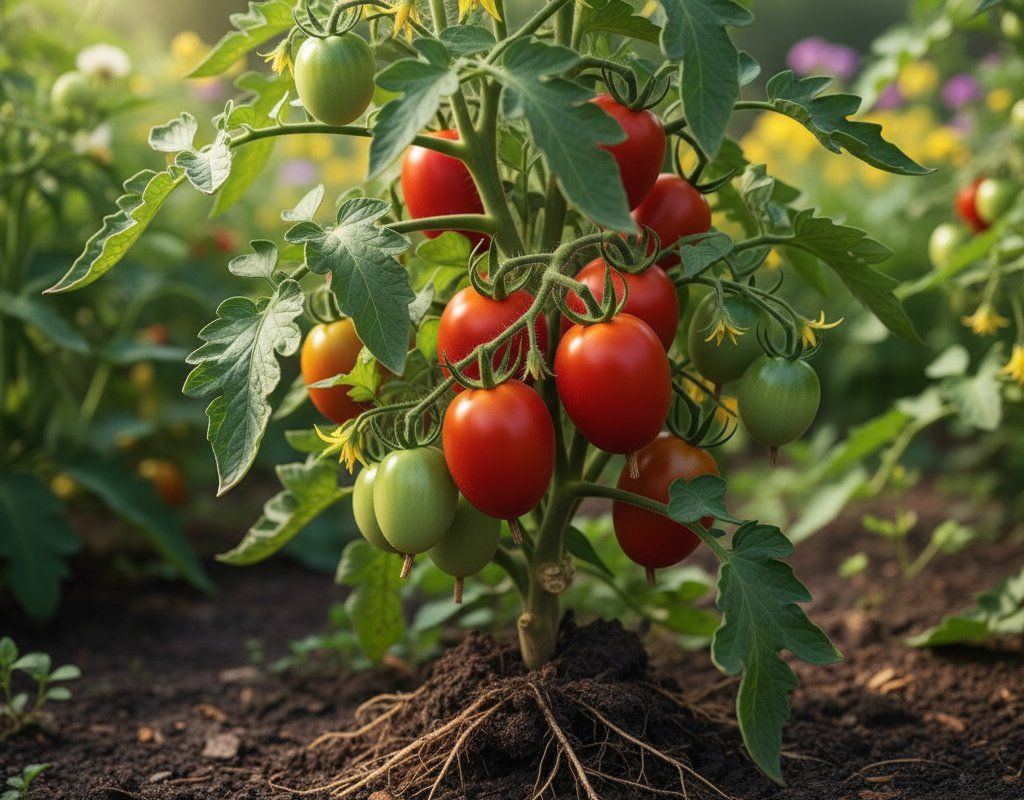
Roma Tomatoes in Zone 8A — Pacific Northwest
Solanum lycopersicum · Your Complete 2026 Planting Guide
Planning Ahead — Great!
You’re ahead of the season. Here’s when to start.
Mark Your Calendar
How to Plant Roma Tomatoes in Zone 8A — Pacific Northwest
Here are all your options for getting roma tomatoes in the ground, from the easiest method to more advanced approaches.
Start Seeds Indoors
RecommendedEarly to late March
around March 13
Then transplant: Late April through late May
Start seeds 6-8 weeks before transplanting outdoors.
Buy Starts
Works WellLate April through late May
around April 24
Plant purchased starts after last frost (April 10).
Direct Sow Seeds
ChallengingDirect sowing is not typical for Roma Tomatoes.
Transplant Outdoors
Timing InfoLate April through late May
around April 24
Wait until nighttime temperatures stay above 50°F.
You have a nice window — no need to rush.
Overview
Roma tomatoes are a Pacific Northwest gardener's dream for preserving season – their meaty, low-seed flesh makes exceptional sauces, pastes, and dried tomatoes that capture our brief but intense summer growing period. In our mild summers with cool nights, Roma tomatoes develop incredible flavor concentration while avoiding the heat stress that plagues gardeners in hotter regions.
While our cool spring soil and shorter heat season can challenge warm-season crops like tomatoes, Roma's determinate growth habit works perfectly with our 203-day growing season. You'll get a concentrated harvest period that aligns beautifully with late summer canning season, and the cooler nights actually improve fruit quality by slowing sugar conversion.
Starting Seeds Indoors
Start your Roma tomato seeds indoors in early to late March, about 6 weeks before you plan to transplant outside. Our slow Pacific Northwest springs mean soil stays cool well into April, so getting a head start indoors is essential for a good harvest before fall weather arrives.
Set up seed trays in a warm spot (70-80°F) with good light – either a sunny south window or grow lights. Plant seeds about ¼ inch deep in quality seed starting mix. Bottom watering works best to prevent damping-off disease, which can be problematic during our overcast spring days when air circulation is poor.
Keep the soil consistently moist but not waterlogged, and expect germination in 7-14 days. Once your seedlings have their first true leaves, you can begin weekly dilute fertilizer feedings to build strong transplants ready for our variable spring weather.
Transplanting Outdoors
Plan to transplant your Roma seedlings outdoors from late April through late May, after soil has warmed and the threat of surprise cold snaps has passed. Our last frost typically occurs in early April, but cool soil and occasional temperature swings mean patience pays off.
Harden off your seedlings gradually over a week, starting with just an hour or two of outdoor exposure in a protected spot. Our spring weather can shift quickly from mild to chilly, so bring them in if temperatures drop below 50°F at night. Space plants 24-36 inches apart – the wider spacing helps with air circulation during our humid spring months.
Choose a spot with full sun (6-8 hours) and well-draining soil. In the Pacific Northwest, good drainage is critical since our wet springs can lead to root problems in heavy soils. Consider raised beds or adding compost to improve drainage if your soil holds water.
Watering Roma Tomatoes in Zone 8A (Pacific Northwest)
Roma tomatoes need consistent, deep watering throughout the growing season – about 1-2 inches per week total. This is especially critical for paste tomatoes like Roma, as inconsistent watering concentrates blossom end rot on their elongated fruit shape more than round varieties.
During our dry summer months, you'll need to water 2-3 times per week once the soil begins to dry out. Use the finger test: stick your finger 2 inches into the soil near the plant base. If it's dry at that depth, it's time to water. Our mild summer temperatures (rarely above 90°F) mean you won't need the aggressive watering schedules required in hotter climates.
Water at the base of plants rather than overhead – our dry summer humidity means disease pressure is lower than in humid regions, but soil splash can still spread early blight. Apply water slowly and deeply, allowing it to soak down to the root zone rather than running off.
A 2-3 inch layer of straw or grass clipping mulch helps maintain even soil moisture between waterings, which is crucial for preventing the calcium uptake problems that cause blossom end rot. Watch for yellowing lower leaves (overwatering) or wilting despite moist soil (underwatering stress).
Supporting Your Roma Tomatoes
Roma tomatoes benefit from caging or staking despite their determinate growth habit. While they stay more compact than indeterminate varieties, the heavy fruit load can cause branches to break or fruit to touch the ground, especially during our long harvest period.
Install 4-5 foot cages or stakes at planting time to avoid disturbing roots later. Shorter cages work fine since determinate Roma plants typically max out around 4 feet tall in our mild climate. Wire tomato cages or sturdy wooden stakes with soft ties work equally well.
As plants grow, gently tie main stems to supports and tuck wayward branches inside cage openings. Remove suckers (shoots growing between main stem and branches) early in the season to focus energy on fruit production, but don't over-prune since determinate varieties have limited growing time.
🧪Fertilizing Roma Tomatoes
Feeding Schedule
Organic Fertilizer Options
Harvest Time
Your first Roma tomatoes should be ready in early July through late August, about 75 days from transplanting. In the Pacific Northwest's mild summer climate, fruit development can be slower than in hotter regions, but the extended growing season gives you plenty of time for a full crop.
Look for deep red color throughout the fruit with firm flesh that gives slightly to gentle pressure. Ripe Roma tomatoes detach easily from the stem with a slight twist – if you're tugging, they're not quite ready. The fruit should feel heavy for its size and have lost any green shoulders near the stem.
Since Roma is a determinate variety, you'll get most of your harvest within a 2-3 week period rather than continuous picking. This concentrated harvest timing works perfectly for preservation projects like sauce-making or canning.
As our first frost approaches in late October, harvest any remaining green tomatoes. Roma tomatoes ripen well indoors if picked when they're just starting to show color. Place them in a paper bag with a ripe apple or banana to speed ripening, or spread them on newspaper in a cool, dark place.
Common Problems in Zone 8A (Pacific Northwest)
Blossom End Rot This appears as sunken, dark brown or black leathery patches on the bottom of your Roma tomatoes, often affecting the first fruits of the season. It looks alarming but isn't a disease – it's a calcium deficiency caused by inconsistent watering that prevents nutrient uptake. Roma's elongated shape makes it particularly susceptible to this problem. Maintain consistent soil moisture through regular watering and heavy mulching. Remove affected fruits and focus on steady watering going forward.
Early Blight You'll see brown spots with distinctive concentric rings (like a bullseye) starting on lower leaves and spreading upward. Affected leaves yellow and drop, weakening the plant. This fungal disease thrives in our wet spring conditions when soil splashes onto lower leaves during rain or overhead watering. Remove affected leaves immediately and don't compost them. Mulch around plants to prevent soil splash, water at the base rather than overhead, and ensure good air circulation with proper spacing.
Fusarium Wilt This shows up as wilting on one side of the plant first, then spreading, with yellowing leaves and brown streaks visible when you cut the stem open. It's a soil-borne fungus that persists for years and has no cure once plants are infected. Remove and destroy affected plants immediately. For future seasons, choose fusarium-resistant varieties (look for 'F' on seed packets), rotate crops on a 4-year cycle, and maintain soil pH above 6.5.
Pacific Northwest Specific Challenges: Our mild summers and dry summer conditions actually reduce many common tomato problems compared to hotter, more humid regions. However, our cool spring soil can stress young plants, making them more susceptible to soilborne diseases. Late blight can be an issue during unusually wet summers, and slugs may damage young transplants during our moist spring weather.
Best Companions for Roma Tomatoes
Plant these nearby for healthier Roma Tomatoes and better harvests.
View Full Companion Planting Chart →



Companion Planting Details
Plant basil near your Roma tomatoes – it repels aphids and thrips while potentially improving tomato flavor. Carrots make excellent companions since their deep taproots don't compete with tomato roots, and parsley attracts beneficial insects that help control pest populations naturally in our relatively pest-free Pacific Northwest climate.
Marigolds planted around the tomato bed can help deter nematodes (though less of an issue in our cooler soils) and add bright color to your garden. Avoid planting brassicas like cabbage or broccoli near tomatoes, as they can stunt tomato growth. Keep fennel and corn away too – fennel inhibits tomato growth, while corn can attract pests that also target tomatoes.
🌸Best Flowers to Plant with Roma Tomatoes
These flowers protect your Roma Tomatoes from pests and attract pollinators for better harvests.
For Pest Control



For Pollinators

Get a Reminder When It's Time to Plant
We'll email you when key planting windows open for your zone.