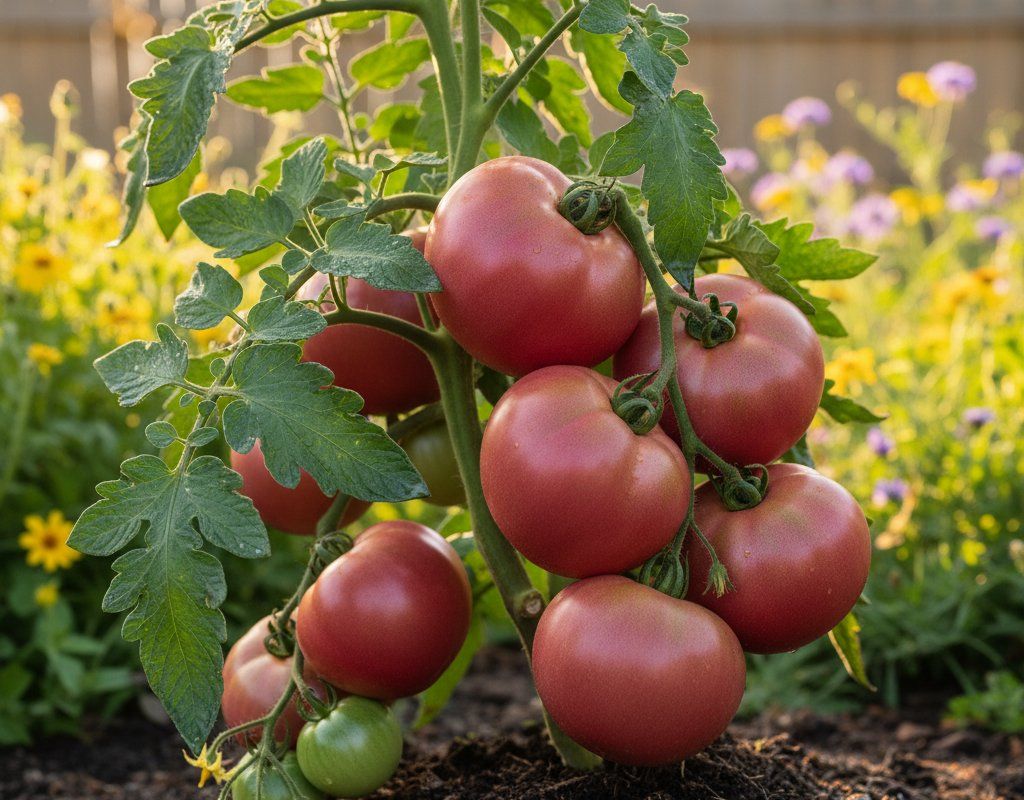
Brandywine Tomatoes in Zone 8A — Pacific Northwest
Solanum lycopersicum · Your Complete 2026 Planting Guide
Planning Ahead — Great!
You’re ahead of the season. Here’s when to start.
Mark Your Calendar
How to Plant Brandywine Tomatoes in Zone 8A — Pacific Northwest
Here are all your options for getting brandywine tomatoes in the ground, from the easiest method to more advanced approaches.
Start Seeds Indoors
RecommendedEarly to late March
around March 13
Then transplant: Late April through mid May
Start seeds 6-8 weeks before transplanting outdoors.
Buy Starts
Works WellLate April through mid May
around April 24
Plant purchased starts after last frost (April 10).
Direct Sow Seeds
ChallengingDirect sowing is not typical for Brandywine Tomatoes.
Transplant Outdoors
Timing InfoLate April through mid May
around April 24
Wait until nighttime temperatures stay above 50°F.
Plan to transplant within a few weeks of your target date.
Overview
Brandywine tomatoes bring unmatched flavor to Pacific Northwest gardens, offering that rich, complex taste that makes store-bought tomatoes seem like cardboard. In our mild summers with cool nights, these heirloom beauties develop exceptional sweetness and balanced acidity that hot-climate gardeners rarely achieve. The large, pink-red fruits are perfect for fresh eating, and there's real satisfaction in growing a variety that's been passed down through generations.
While Brandywine's 90-day maturity might seem challenging given our reputation for short growing seasons, our 203-day frost-free period actually provides plenty of time when you start seeds indoors. Yes, these tender plants need protection from our cool springs and face the usual PNW challenges like late blight and slugs, but proper timing and care make success very achievable.
Starting Seeds Indoors
Start your Brandywine seeds indoors during early to late March, about six weeks before your planned transplant date. Our slow spring warmup means indoor starting is essential - direct sowing simply won't give these heat-lovers enough time to mature before fall's return.
Set up seed trays with quality potting mix in a warm location (70-75°F works best). A heating mat helps maintain consistent soil temperature during our cool, overcast spring days. Once seedlings emerge, provide bright light from a south window or grow lights positioned 2-3 inches above the plants.
Use bottom watering by placing trays in shallow pans of water - this prevents damping off and encourages strong root development. Your seedlings will be ready to harden off by late April when soil temperatures finally start cooperating and the last frost risk passes.
Transplanting Outdoors
Plan to transplant your Brandywine seedlings outdoors from late April through mid-May, after soil has warmed and night temperatures stay consistently above 50°F. Our wet springs can delay this timing, so wait for a stretch of settled weather rather than rushing.
Harden off seedlings gradually over a full week, starting with just an hour outdoors in filtered light and building up to full days outside. This process is especially important in the PNW where the difference between indoor and outdoor conditions can be dramatic during spring.
Space plants 36-48 inches apart - these indeterminate giants need room for air circulation, particularly important for preventing disease issues in our humid spring conditions. Choose the sunniest, most protected spot in your garden, as every bit of warmth and light will help these heat-lovers thrive in our mild climate.
Watering Brandywine Tomatoes in Zone 8A (Pacific Northwest)
Brandywines demand consistent moisture throughout the growing season, and getting this right in our dry summer climate requires attention to timing. Unlike regions with summer rainfall, you'll be the sole provider of water from June through September when we typically receive less than an inch of rain per month.
Establish a deep watering schedule early in the season - aim for 1-2 inches per week, delivered slowly at the base of plants rather than overhead. Check soil moisture by inserting your finger 2 inches deep near the plant; if it's dry at that depth, it's time to water. Our mild summer temperatures (rarely above 85°F) mean plants won't be under the same heat stress as gardens in hotter regions, but the lack of humidity means consistent watering becomes even more critical.
Watch for signs of water stress: wilting during the heat of the day (even on mild days), small fruit size, or leaf edges turning brown. These heirloom varieties are particularly prone to fruit cracking when watering is inconsistent, so avoid the wet-dry cycle that causes skin to split. A 2-3 inch layer of straw mulch helps maintain even soil moisture during our dry months.
The beauty of our cool nights is that plants recover well from any daily moisture stress, but don't rely on this - prevention through consistent watering produces the best fruit quality and helps prevent the blossom end rot that can plague tomatoes in uneven moisture conditions.
Supporting Your Brandywine Tomatoes
Install sturdy cages or stakes at planting time, as Brandywine's indeterminate growth habit will quickly outgrow weak supports. These plants easily reach 6-8 feet tall in our long growing season and produce heavy fruit that can snap branches without proper support.
Heavy-duty tomato cages (not the flimsy store-bought versions) or 7-foot stakes with horizontal supports work best. The potato-leaf foliage characteristic of Brandywine varieties provides less shade than regular tomato leaves, so the fruit clusters get more direct sun exposure and need extra support to prevent breaking.
Train main stems to your support system weekly throughout the growing season, using soft ties that won't cut into stems. Our cool, moist springs can promote rapid vegetative growth, so stay on top of training before stems become unwieldy or break under their own weight.
Pruning & Maintaining Brandywine Tomatoes
Prune Brandywine tomatoes moderately to improve air circulation - crucial for preventing disease issues that these heirloom varieties are more susceptible to than modern hybrids. Remove suckers (shoots growing between main stem and branches) when they're small, but don't go overboard as some foliage helps protect fruit from our occasional hot days.
Focus on removing lower branches that touch the ground and any diseased or yellowing leaves throughout the season. This is especially important during our wet springs when soil-borne diseases can splash up onto lower foliage. The goal is balance - enough leaves for photosynthesis and fruit protection, but adequate airflow to prevent fungal issues.
As your first frost date approaches in late October, top the plants (remove growing tips) about 6-8 weeks beforehand to redirect energy into ripening existing fruit rather than producing new flowers. This timing helps ensure your late-season tomatoes have time to mature before cold weather arrives.
🧪Fertilizing Brandywine Tomatoes
Feeding Schedule
Organic Fertilizer Options
Harvest Time
Your first Brandywine tomatoes should be ready from late July through early September, depending on when you transplanted and how warm the season has been. Look for fruits that have developed their characteristic pink-red color with a slight give when gently squeezed - don't wait for them to be completely soft.
The shoulders (stem end) of Brandywine tomatoes often stay green even when fully ripe - this is normal and doesn't indicate underripeness. Harvest in the morning when fruits are cool and firm, using clean pruning shears to cut stems rather than pulling, which can damage the plant and reduce future production.
These indeterminate plants will continue producing until frost, so regular harvesting encourages more fruit development. During our excellent fall weather, plants often experience a second productive flush as cool nights return but days remain warm enough for ripening.
As late October approaches and frost threatens, harvest any tomatoes that have started changing color - they'll ripen perfectly indoors on a kitchen counter. Green tomatoes can also ripen in a paper bag with a banana, extending your harvest well into November despite the end of the outdoor growing season.
Common Problems in Zone 8A (Pacific Northwest)
Cracking Brandywine tomatoes show characteristic splits in the skin - either concentric circles around the stem or radial lines extending downward. These cracks expose the flesh and can lead to rot, particularly problematic during our fall rains. The cause is typically heavy watering or sudden rainfall after a dry period, which happens frequently in our climate when September rains arrive after dry August conditions. Prevent cracking by maintaining consistent soil moisture through mulching and regular watering, and harvest promptly when fruits reach the pink stage rather than waiting for full ripeness on the vine.
Low Yields Despite healthy-looking plants, fruit production may be disappointingly low compared to hybrid varieties. This often results from our cool spring temperatures during flowering, which can interfere with pollination, or from too much nitrogen fertilizer creating leafy growth at fruit's expense. Our mild summers mean less heat stress than other regions, but insufficient heat can still limit fruit set. Focus on balanced fertilizing with more phosphorus than nitrogen, ensure adequate spacing for air circulation, and consider hand-pollinating flowers during cool spells by gently shaking plants or transferring pollen with a small brush.
Disease Susceptibility Heirloom varieties like Brandywine lack the disease resistance bred into modern hybrids, making them more prone to late blight, early blight, and other fungal issues common in our region. You'll notice yellowing leaves, dark spots, or fuzzy growth on foliage, particularly during humid conditions. Combat this with preventative copper fungicide applications, wider plant spacing, and prompt removal of affected foliage. Our dry summers help, but wet springs and fall conditions create ideal disease environments.
Catfacing Deep crevices and scars on the blossom end create misshapen, lumpy fruits that look unsightly but remain edible. This deformity results from cool temperatures during flower formation, which commonly occurs when gardeners transplant too early into our cool spring soils. The large-fruited nature of Brandywine makes it particularly susceptible to this issue. Prevent catfacing by waiting for consistently warm weather before transplanting and using row covers during cool snaps in late spring.
Pacific Northwest Specific Challenges: Our mild, dry summers actually favor Brandywine production once plants are established, as cool nights enhance flavor development without the fruit-damaging heat of other regions. However, the combination of cool, wet springs and our reputation for late blight requires vigilant disease management and patience with transplant timing to achieve success with these disease-susceptible heirlooms.
Best Companions for Brandywine Tomatoes
Plant these nearby for healthier Brandywine Tomatoes and better harvests.
View Full Companion Planting Chart →



Companion Planting Details
Plant basil near your Brandywine tomatoes - it reportedly improves flavor while deterring aphids and whiteflies with its strong scent. Carrots make excellent companions as their deep roots don't compete with tomato roots, and they help break up clay soils common in PNW gardens. Parsley provides ground cover that helps retain moisture during our dry summers while attracting beneficial insects that prey on tomato pests.
Marigolds planted throughout the tomato bed help deter nematodes and add color while requiring minimal water - important in our dry summer months. Avoid planting brassicas like cabbage or broccoli nearby, as they're heavy feeders that compete for nutrients and can harbor similar diseases. Keep fennel and corn away from tomatoes - fennel inhibits growth through allelopathic compounds, while corn can attract the same hornworms that target tomatoes and provides no beneficial exchange in return.
🌸Best Flowers to Plant with Brandywine Tomatoes
These flowers protect your Brandywine Tomatoes from pests and attract pollinators for better harvests.
For Pest Control

Get a Reminder When It's Time to Plant
We'll email you when key planting windows open for your zone.