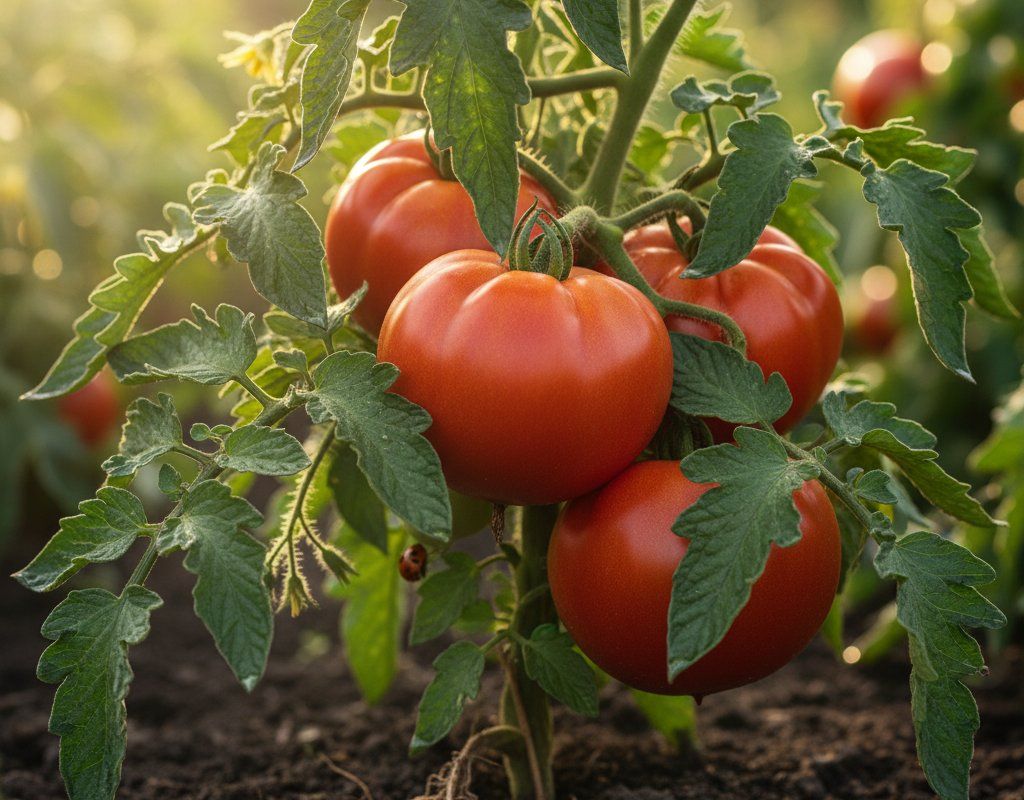
Beefsteak Tomatoes in Zone 9A — Desert Southwest
Solanum lycopersicum · Your Complete 2026 Planting Guide
Time to Buy Starts!
Seed starting window passed, but starts are available now.
Buy Starts Now
Head to your local nursery, Home Depot, or farmers market for transplants.
- Look for stocky plants with dark green leaves
- Avoid leggy seedlings or plants already flowering
- Check that roots aren't circling the pot (rootbound)
How to Plant Beefsteak Tomatoes in Zone 9A — Desert Southwest
Here are all your options for getting beefsteak tomatoes in the ground, from the easiest method to more advanced approaches.
Start Seeds Indoors
RecommendedMid January through early February
around January 18
Then transplant: Early to late March
Start seeds 6-8 weeks before transplanting outdoors.
Buy Starts
Works WellEarly to late March
around March 1
Plant purchased starts after last frost (February 15).
Direct Sow Seeds
ChallengingDirect sowing is not typical for Beefsteak Tomatoes.
Transplant Outdoors
Timing InfoEarly to late March
around March 1
Wait until nighttime temperatures stay above 50°F.
You have a nice window — no need to rush.
Overview
Growing beefsteak tomatoes in the Desert Southwest gives you those massive, meaty slicers perfect for our region's love of fresh salsas and summer sandwiches. These giants can reach over a pound each when grown right, delivering that rich tomato flavor that makes store-bought varieties taste like cardboard. In Zone 9A, our very early spring and long fall season let you potentially harvest these beauties from late May clear into early December.
Yes, our extreme heat and arid conditions challenge tomato growing, but beefsteaks are surprisingly manageable when you time them right. With our 298-day growing season, you have plenty of flexibility to work around the brutal summer months. The key is getting them established in our mild spring before the real heat hits.
Starting Seeds Indoors
Start your beefsteak tomato seeds indoors from mid-January through early February, about six weeks before you plan to transplant. This timing takes advantage of our very early spring character while avoiding the risk of setting tender plants out too soon.
Set up seed trays with quality potting mix in a warm spot—around 70-75°F is ideal for germination. Once seedlings emerge, move them under grow lights or to your brightest south-facing window. Bottom watering works best to prevent damping off; set your seed trays in shallow pans of water and let the soil absorb moisture from below.
Keep seedlings consistently moist but not soggy, and start hardening them off about a week before transplant time. In the Desert Southwest, indoor starting is really your only option with beefsteaks—direct sowing just doesn't work with our temperature swings and timing needs.
Transplanting Outdoors
Plan to transplant your beefsteak seedlings from early to late March, once nighttime temperatures consistently stay above 50°F. This window works perfectly in our region because it gets plants established before our extreme heat arrives, but after our last frost risk passes around mid-February.
Spend a full week hardening off your seedlings before transplant day. Start with just an hour outdoors in filtered light, gradually increasing their time outside and sun exposure. Our intense Desert Southwest sun can shock tender seedlings that haven't been properly acclimated.
Space your beefsteak plants 36-48 inches apart—these indeterminate varieties get massive and need room for good air circulation. The wider spacing also makes it easier to provide shade cloth coverage during our summer survival months. Plant on a calm day if possible, as our frequent spring winds can snap newly transplanted stems.
Watering Beefsteak Tomatoes in Zone 9A (Desert Southwest)
Beefsteak tomatoes demand consistent, deep watering throughout the growing season—this isn't a plant you can let dry out between waterings. With fruit that can reach over a pound, these plants are basically water pumps that need steady moisture to develop properly. In our arid climate with 8-15 inches of annual rainfall, you'll be doing most of the heavy lifting when it comes to irrigation.
During spring establishment, water deeply twice per week, providing about 1-2 inches total. Use the finger test—stick your finger 2 inches into the soil near the base of the plant. If it's dry at that depth, it's time to water. Always water at the base rather than overhead; our low humidity means foliar watering just wastes precious water to evaporation.
Once summer heat kicks in, increase to deep watering every other day, sometimes daily during extreme heat spells over 105°F. The key is maintaining consistent moisture without waterlogged soil—inconsistent watering leads to cracking, catfacing, and blossom end rot. Apply 2-3 inches of organic mulch around plants to help retain moisture and moderate soil temperature swings.
Watch for signs of water stress: wilting during the hottest part of the day is normal, but if plants stay wilted into the evening, increase your watering frequency. Overwatering shows up as yellowing lower leaves and stunted growth, though this is less common than underwatering in our desert conditions.
Supporting Your Beefsteak Tomatoes
Install heavy-duty support systems at planting time—beefsteak tomatoes produce massive fruit that can easily snap branches or topple flimsy cages. Use either extra-sturdy tomato cages (at least 6 feet tall with thick wire) or wooden stakes that are 8 feet long and 2 inches thick, driven 18 inches into the ground.
For staking, tie the main stem loosely with soft cloth strips or plant ties every 12-18 inches as the plant grows. Don't wait until the plant is already leaning or heavy with fruit—by then it's too late to provide adequate support without damaging stems.
Consider the weight factor: a single beefsteak tomato can weigh over a pound, and each plant might carry 6-8 large fruit at once. That's serious weight that will test any support system. Many Desert Southwest gardeners prefer the sturdy cage method because it provides support from multiple angles and stands up better to our frequent wind.
Pruning & Maintaining Beefsteak Tomatoes
Remove suckers (shoots that grow in the crotch between the main stem and branches) regularly to direct the plant's energy toward fewer, larger fruit. Start this when plants are about 12 inches tall and continue throughout the growing season. Pinch small suckers with your fingers, but use clean pruning shears for larger ones.
Also remove the lowest set of leaves once the plant is well-established and about 18 inches tall. This improves air circulation around the base and reduces disease pressure. Continue removing lower leaves that touch the ground or show signs of yellowing throughout the season.
As first frost approaches in early December, top the plants by pinching out the growing tip. This forces the plant to put energy into ripening existing fruit rather than producing new flowers that won't have time to mature. About 6 weeks before expected frost is the right timing for this final pruning step.
🧪Fertilizing Beefsteak Tomatoes
Feeding Schedule
Organic Fertilizer Options
Harvest Time
Expect your first beefsteak tomatoes from late May through mid-July, roughly 85 days after transplanting. In our Desert Southwest climate, you'll often get that first flush before the extreme summer heat really kicks in, which is perfect timing.
Harvest when tomatoes show deep, full color and give slightly when you cup them gently in your hand—they should feel heavy for their size. The shoulder area around the stem should lose its green tinge completely. Don't wait until they're soft, as overripe beefsteaks often develop splits and attract insects.
Pick regularly to keep plants producing, checking every 2-3 days during peak harvest. Twist and pull gently, or cut the stem with clean shears to avoid damaging the vine. Handle these large tomatoes carefully—their size makes them more prone to bruising than smaller varieties.
As our first frost approaches in early December, harvest all remaining green tomatoes larger than golf ball size. They'll ripen perfectly indoors at room temperature over the next few weeks. This extended harvest period, combined with spring production, often gives Desert Southwest gardeners tomatoes from May through January with proper storage.
Common Problems in Zone 9A (Desert Southwest)
Cracking shows up as splits in the tomato skin—either concentric circles around the stem or radial lines shooting out from the top. In our Desert Southwest climate, this happens when monsoon rains or heavy irrigation follow dry periods, causing fruit to absorb water faster than the skin can expand. Maintain consistent watering schedules and apply mulch to moderate soil moisture swings. During monsoon season, reduce supplemental watering to avoid the wet/dry cycle that triggers cracking.
Catfacing appears as deep crevices, scars, and lumpy deformities on the bottom of tomatoes, making them look seriously malformed. Cool nighttime temperatures during flowering cause this problem, which is why proper timing matters so much in our region. Plant after mid-March when night temps stay consistently above 50°F, or use row covers for early plantings. The fruit is perfectly edible despite looking ugly.
Blossom end rot creates sunken, dark brown or black leathery patches on the bottom of fruit—often your first beautiful tomatoes of the season. This isn't a disease but a calcium uptake problem triggered by inconsistent watering, which is especially challenging in our arid climate. Water consistently and deeply, mulch heavily, and avoid over-fertilizing with nitrogen. Once you see it, remove affected fruit immediately to redirect plant energy.
Slow ripening means your large green tomatoes just sit there refusing to turn red, even past the expected 85-day mark. Our intense heat can actually slow ripening when temperatures stay above 85°F consistently, while too much nitrogen from over-fertilizing also delays the process. Reduce nitrogen fertilizer, ensure full sun exposure, and remove excess foliage shading the fruit. In our climate, providing afternoon shade cloth during extreme heat spells (over 105°F) can actually help fruit ripen better.
Desert Southwest Specific Challenges: Our extreme heat, low humidity, and irregular monsoon rainfall create the perfect storm for water-related tomato problems. The combination of 105°F+ temperatures and arid conditions means these water-hungry plants face constant stress. Success comes from understanding that consistent deep watering isn't just helpful—it's absolutely critical for preventing most problems that plague beefsteak tomatoes in our challenging climate.
Best Companions for Beefsteak Tomatoes
Plant these nearby for healthier Beefsteak Tomatoes and better harvests.
View Full Companion Planting Chart →



Companion Planting Details
Plant basil near your beefsteak tomatoes—it reportedly improves tomato flavor while repelling aphids and hornworms, plus you'll have fresh basil for all those tomatoes. Carrots work well as they don't compete for nutrients and actually help break up our often-compacted desert soil. Marigolds planted around the tomato bed help deter nematodes and other soil pests, which is especially valuable in our region where soil problems are common.
Avoid planting brassicas (cabbage family), fennel, or corn near beefsteaks. Brassicas can stunt tomato growth, fennel inhibits tomato development, and corn creates too much shade while competing heavily for water—something you can't afford in our water-scarce environment. In the Desert Southwest, every companion plant needs to earn its space and water allocation.
🌸Best Flowers to Plant with Beefsteak Tomatoes
These flowers protect your Beefsteak Tomatoes from pests and attract pollinators for better harvests.


Get a Reminder When It's Time to Plant
We'll email you when key planting windows open for your zone.