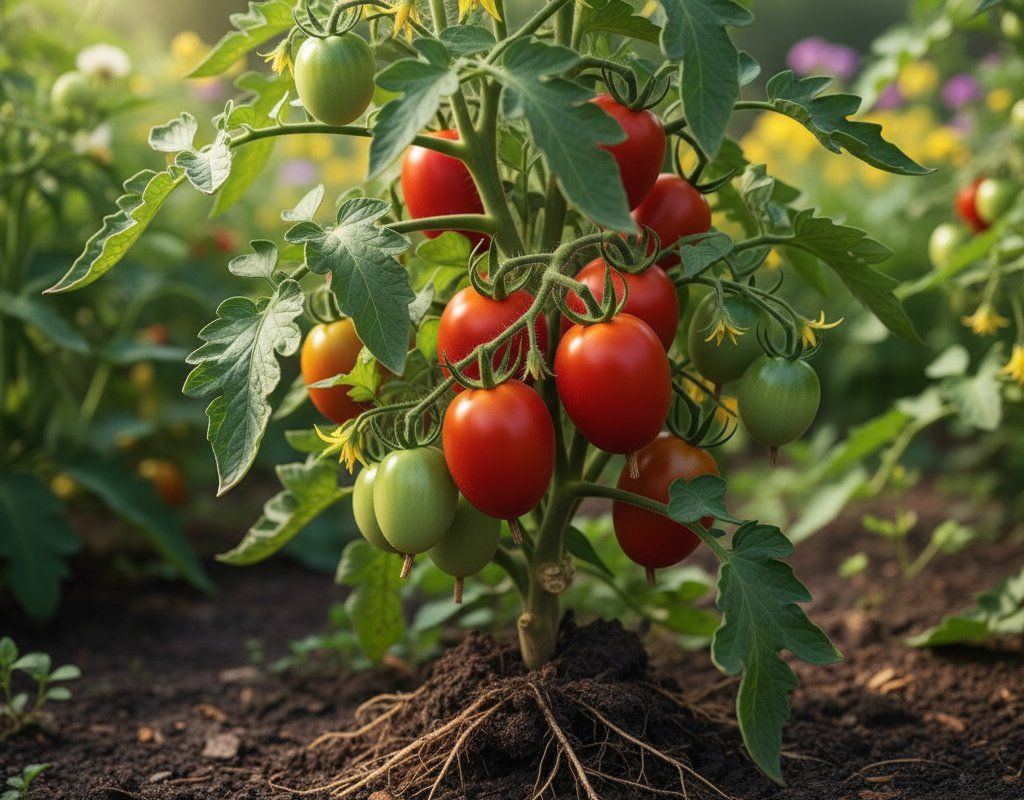
Roma Tomatoes in Zone 9A — Desert Southwest
Solanum lycopersicum · Your Complete 2026 Planting Guide
Time to Buy Starts!
Seed starting window passed, but starts are available now.
Buy Starts Now
Head to your local nursery, Home Depot, or farmers market for transplants.
- Look for stocky plants with dark green leaves
- Avoid leggy seedlings or plants already flowering
- Check that roots aren't circling the pot (rootbound)
How to Plant Roma Tomatoes in Zone 9A — Desert Southwest
Here are all your options for getting roma tomatoes in the ground, from the easiest method to more advanced approaches.
Start Seeds Indoors
RecommendedMid January through early February
around January 18
Then transplant: Early to late March
Start seeds 6-8 weeks before transplanting outdoors.
Buy Starts
Works WellEarly to late March
around March 1
Plant purchased starts after last frost (February 15).
Direct Sow Seeds
ChallengingDirect sowing is not typical for Roma Tomatoes.
Transplant Outdoors
Timing InfoEarly to late March
around March 1
Wait until nighttime temperatures stay above 50°F.
You have a nice window — no need to rush.
Overview
Roma tomatoes thrive in our Desert Southwest climate when timed correctly, delivering those perfect meaty paste tomatoes that transform into incredible salsas, sauces, and roasted dishes. Their determinate growth habit means concentrated harvest periods that work beautifully with our extreme heat schedule – you'll get your full crop before the summer survival mode kicks in.
Our 298-day growing season gives you plenty of flexibility for timing, though the key is working with our very early spring character rather than against it. The extreme heat and arid conditions that challenge many crops actually help concentrate flavors in Roma tomatoes, while our low disease pressure means fewer fungal issues than gardeners face in humid regions.
Starting Seeds Indoors
Start your Roma tomato seeds indoors between mid-January and early February, giving yourself that crucial 6-week head start before transplanting. Use seed starting trays filled with quality potting mix, keeping them consistently warm (70-75°F works well) in a sunny south-facing window or under grow lights.
Bottom watering works best here in our dry air – set your seed trays in shallow water and let the soil absorb moisture from below. This prevents the soil surface from crusting over, which can happen quickly in our low humidity. Your seeds should germinate within 7-10 days.
Once your seedlings develop their first true leaves, begin hardening them off gradually during the day if temperatures stay above 50°F. Our very early spring character means you can often start this process by late February, taking advantage of those warm Desert Southwest afternoons.
Transplanting Outdoors
Transplant your Roma seedlings outdoors anytime from early to late March, once nighttime temperatures consistently stay above 45°F. This timing aligns perfectly with our Desert Southwest spring pattern, getting plants established before the extreme heat arrives.
Spend one week hardening off your seedlings with gradual outdoor exposure, starting with 2-3 hours of morning sun and building up to full days. Space plants 24-36 inches apart – the wider spacing helps with air circulation and gives you room to work around the plants during our intense growing season.
Watch for late cold snaps during transplanting season, though these are less common in our region than further north. If temperatures threaten to drop below 40°F, protect young transplants with row covers or water walls until the weather stabilizes.
Watering Roma Tomatoes in Zone 9A (Desert Southwest)
Roma tomatoes need consistent, deep watering throughout their growing season – this isn't a plant that tolerates our natural boom-bust rainfall patterns. Plan on 1-2 inches per week through soaker hoses or drip irrigation, adjusting upward as summer heat intensifies.
Check soil moisture using the finger test: stick your finger 2 inches deep near the base of the plant. If it's dry at that depth, it's time to water. In our arid climate, this might mean daily watering by late May, especially for container-grown plants.
Even moisture is absolutely critical for Roma tomatoes because inconsistent watering concentrates blossom end rot on those elongated fruits. The calcium can't move properly when plants go through drought-stress followed by flooding cycles. Water deeply at the base rather than overhead – our low humidity means foliar diseases aren't as problematic as other regions, but root-zone watering is still more efficient.
Mulch heavily around plants with wood chips or straw to maintain soil moisture and reduce watering frequency. This becomes essential once our extreme heat arrives – without mulch, you'll be fighting a losing battle against evaporation in 105°F temperatures.
Supporting Your Roma Tomatoes
Install cages or stakes at planting time, even though Roma tomatoes are determinate varieties. These plants stay more compact than indeterminate types, but their heavy fruit load still benefits from support to keep branches from snapping under weight.
Shorter tomato cages (3-4 feet) work perfectly for Roma varieties, or use sturdy stakes with soft ties. The concentrated harvest period means you'll have lots of fruit ripening simultaneously, putting extra stress on branches during that 2-3 week window.
Train main stems loosely to supports as they grow, using soft fabric strips or tomato clips rather than wire ties that can cut into stems. In our intense Desert Southwest sun, any damage to plant stems can quickly become entry points for problems.
🧪Fertilizing Roma Tomatoes
Feeding Schedule
Organic Fertilizer Options
Harvest Time
Your first Roma tomatoes will be ready between mid-May and early July, typically 75 days from transplanting. Look for deep red color throughout the fruit, with flesh that has slight give when gently squeezed but still feels firm overall.
Roma tomatoes should detach easily from the stem when ripe – if you have to pull hard, they need more time. Harvest regularly to encourage continued production, though being determinate, Roma plants will give you most of their crop within a 2-3 week period.
These tomatoes ripen beautifully off the vine, so don't hesitate to harvest slightly underripe fruit if your first frost approaches in early December. Bring green or partly colored tomatoes indoors and let them finish ripening on a counter away from direct sunlight.
The concentrated harvest works perfectly with our Desert Southwest growing pattern – you'll get your full crop before extreme heat stress becomes overwhelming, leaving you with plenty of tomatoes for sauce-making and preservation projects.
Common Problems in Zone 9A (Desert Southwest)
Blossom End Rot appears as sunken, dark brown or black leathery patches on the bottom (blossom end) of Roma fruits. This calcium deficiency problem hits paste tomatoes especially hard because of their elongated shape, and it's triggered by our inconsistent monsoon patterns creating drought-stress followed by flooding cycles. Fix this with consistent watering above all else – mulch heavily, use drip irrigation, and avoid over-fertilizing with nitrogen which blocks calcium uptake.
Early Blight shows up as brown spots with distinctive concentric rings (bullseye pattern) on lower leaves first, then spreads upward. While our arid climate reduces many fungal diseases, early blight can still occur during monsoon season when humidity spikes temporarily. Remove affected leaves immediately, mulch to prevent soil splash, and water at the base rather than overhead. Our low overall humidity actually helps control this better than in more humid regions.
Fusarium Wilt causes wilting on one side of the plant initially, with yellow leaves and brown streaks visible when you cut the stem open. This soil-borne fungus loves our warm Desert Southwest soil temperatures and can persist for years. No cure exists once infected – remove and destroy plants immediately, choose resistant varieties marked with 'F' on seed packets, and rotate crops on a 4-year cycle.
Our extreme heat and alkaline soil create additional stress that can worsen any of these problems. Provide afternoon shade during peak summer heat, and amend soil with compost to buffer pH and improve moisture retention. The silver lining: our arid conditions prevent many of the fungal diseases that plague tomato growers in humid climates.
Best Companions for Roma Tomatoes
Plant these nearby for healthier Roma Tomatoes and better harvests.
View Full Companion Planting Chart →



Companion Planting Details
Plant basil alongside your Roma tomatoes – it helps repel aphids and other pests while thriving in the same growing conditions. Carrots work well as companions since their deep taproots break up our often-compacted desert soil, while parsley provides ground cover that helps retain soil moisture. Marigolds planted around the perimeter can deter nematodes, which become more active in our warm soil temperatures.
Avoid planting brassicas like cabbage or broccoli near tomatoes, as they compete for similar nutrients and both are heavy feeders in our nutrient-poor desert soils. Skip fennel entirely – it inhibits tomato growth through allelopathic compounds. Corn isn't recommended either, as both crops are susceptible to similar hornworm pests, and our intense sun creates enough heat stress without adding competition for water and nutrients.
🌸Best Flowers to Plant with Roma Tomatoes
These flowers protect your Roma Tomatoes from pests and attract pollinators for better harvests.
For Pest Control



For Pollinators

Get a Reminder When It's Time to Plant
We'll email you when key planting windows open for your zone.