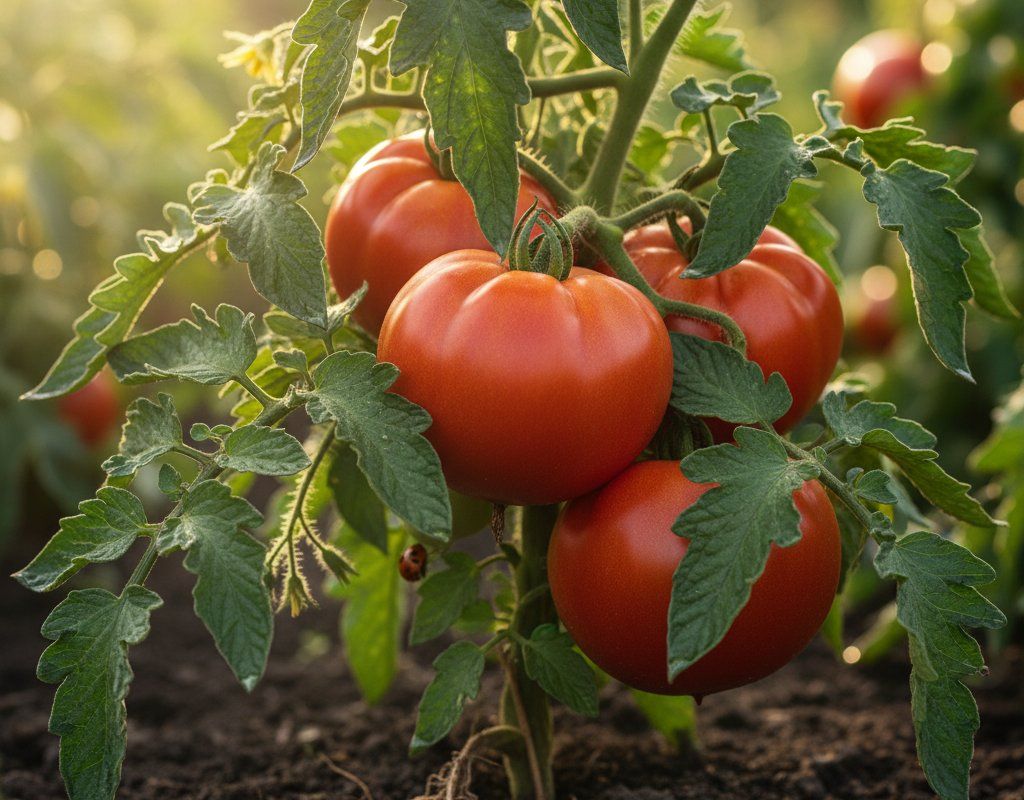
Beefsteak Tomatoes in Zone 9B — Desert Southwest
Solanum lycopersicum · Your Complete 2026 Planting Guide
Time to Buy Starts!
Seed starting window passed, but starts are available now.
Buy Starts Now
Head to your local nursery, Home Depot, or farmers market for transplants.
- Look for stocky plants with dark green leaves
- Avoid leggy seedlings or plants already flowering
- Check that roots aren't circling the pot (rootbound)
How to Plant Beefsteak Tomatoes in Zone 9B — Desert Southwest
Here are all your options for getting beefsteak tomatoes in the ground, from the easiest method to more advanced approaches.
Start Seeds Indoors
RecommendedEarly to late January
around January 8
Then transplant: Mid February through mid March
Start seeds 6-8 weeks before transplanting outdoors.
Buy Starts
Works WellMid February through mid March
around February 19
Plant purchased starts after last frost (February 5).
Direct Sow Seeds
ChallengingDirect sowing is not typical for Beefsteak Tomatoes.
Transplant Outdoors
Timing InfoMid February through mid March
around February 19
Wait until nighttime temperatures stay above 50°F.
You have a nice window — no need to rush.
Overview
Growing beefsteak tomatoes in the Desert Southwest gives you those massive, meaty slicers perfect for our outdoor grilling season and fresh salsas. These giants can reach over a pound each when grown properly, offering that rich tomato flavor you just can't get from store-bought varieties. In our Zone 9B climate, you'll appreciate having homegrown tomatoes ready by late spring, well before the extreme heat makes gardening a survival challenge.
Yes, our arid climate and scorching summers present unique hurdles, but beefsteak tomatoes actually thrive in our long 313-day growing season when you time things right. Plant them during our mild winter months, and they'll produce heavily through late spring before you need to focus on summer survival mode gardening.
Starting Seeds Indoors
Start your beefsteak tomato seeds indoors during early to late January, about 6 weeks before you plan to transplant outside. This timing works perfectly with our very-early spring character, giving seedlings time to develop strong root systems before facing outdoor conditions.
Set up seed trays in a warm spot (70-75°F works well) with good light exposure. A sunny south-facing window or grow lights will keep seedlings from getting leggy. Use bottom watering to keep soil consistently moist without disturbing tiny seeds - fill a tray with water and let the seed containers absorb moisture from below.
Your seedlings will be ready to harden off by mid-February when our last frost typically passes. This indoor start method is essential in the Desert Southwest since direct-sown tomatoes won't survive our temperature swings and late winter winds.
Transplanting Outdoors
Transplant your beefsteak tomato seedlings outdoors from mid-February through mid-March, after the last frost has passed. Our mild winter nights make this earlier planting possible compared to colder regions, giving you a head start on the growing season.
Harden off seedlings gradually over one week by placing them outside for increasing periods daily. Start with 2-3 hours of morning sun and work up to full days. This prevents shock from our intense desert sun and dry air.
Space plants 36-48 inches apart to accommodate their massive size and improve air circulation. Beefsteak varieties need room for their sprawling growth habit, and proper spacing helps prevent disease issues in our low-humidity climate where plants can struggle with water uptake.
Watering Beefsteak Tomatoes in Zone 9B (Desert Southwest)
Beefsteak tomatoes demand consistent, deep watering throughout our growing season, especially as fruit develops. These large-fruited varieties need significantly more water than smaller tomatoes - plan on about 2 inches per week through spring, increasing as temperatures climb toward summer.
Water deeply at soil level rather than overhead to maximize moisture retention in our arid climate. Check soil moisture using the finger test: stick your finger 2 inches down, and water when soil feels dry at that depth. Our low humidity means surface soil dries quickly while deeper roots may still have adequate moisture.
During our spring growing period, establish a twice-weekly deep watering schedule, adjusting for monsoon moisture if you're growing into summer. Watch for signs of water stress like wilting during afternoon heat or cracking fruit after watering - both indicate inconsistent moisture levels that beefsteaks particularly hate.
Apply 2-3 inches of organic mulch around plants to conserve precious water and maintain even soil moisture. This becomes critical as we approach extreme heat season, helping your plants survive longer into the challenging summer months.
Supporting Your Beefsteak Tomatoes
Install heavy-duty tomato cages or thick wooden stakes at planting time - beefsteak tomatoes will quickly outgrow standard supports. These indeterminate giants produce fruit weighing over a pound each, creating tremendous weight that can snap branches or topple inadequate supports.
Choose cages at least 6 feet tall or use 2x2 inch wooden stakes driven 18 inches deep. Tie branches loosely with soft cloth strips every 12 inches as plants grow, allowing room for stem expansion. Check ties monthly since rapid spring growth can make them too tight.
Train main stems upward and support heavy fruit clusters with individual slings made from old t-shirts or pantyhose. The combination of large fruit size and our occasional spring winds makes extra support essential for preventing crop loss.
Pruning & Maintaining Beefsteak Tomatoes
Remove suckers (shoots growing between main stem and branches) weekly throughout the growing season to direct energy toward fewer, larger fruit. Focus on suckers below the first flower cluster and any growing from the bottom 6 inches of the main stem.
Prune lower leaves once fruit begins forming to improve air circulation and reduce soil splash during watering. In our arid climate, good airflow helps plants process water more efficiently and reduces stress during temperature swings.
As first frost approaches in mid-December, pinch growing tips and remove new flower clusters to encourage existing fruit to ripen. You can also prune heavily to redirect energy into final fruit development before bringing green tomatoes indoors.
🧪Fertilizing Beefsteak Tomatoes
Feeding Schedule
Organic Fertilizer Options
Harvest Time
Your first beefsteak tomatoes will be ready from mid-May through early July, about 85 days from transplanting. Look for deep color development and slight softness when you cup the fruit in your hand - they should give slightly to gentle pressure without being mushy.
Harvest early morning when fruits are cool and stems cut easily. Use clean pruning shears to avoid damaging the vine, cutting stems about half an inch above the fruit. Twist-pulling can damage plants and reduce future production.
Continue harvesting regularly as fruits ripen to encourage ongoing production through early summer. In our Desert Southwest climate, plants often slow production during extreme heat but may resume in fall if you can keep them alive through summer survival mode.
As first frost approaches in mid-December, harvest all remaining fruit regardless of ripeness. Green beefsteaks ripen well indoors when stored in a cool, dark place - wrap individually in newspaper and check weekly for color development.
Common Problems in Zone 9B (Desert Southwest)
Cracking appears as splits in the tomato skin, either in circles around the stem or radiating lines from top to bottom. The exposed flesh often leads to rot and makes fruit unusable. This happens when plants get heavy water after dry periods - the fruit absorbs moisture faster than the skin can stretch. Maintain consistent watering schedules and mulch heavily to avoid the dry-wet cycle that triggers cracking in our monsoon climate.
Catfacing shows up as deep crevices, scars, and lumpy deformities on the bottom of fruits, making them look grotesque but still edible. Cool nighttime temperatures during flowering cause incomplete pollination, which is common during our late winter transplant period. Avoid planting too early when nights dip below 50°F, or protect plants with row covers during unexpected cold snaps.
Blossom end rot creates dark, sunken patches on the bottom of fruits that look like leather and spread as fruit grows. Despite how it appears, this isn't a disease but a calcium deficiency triggered by inconsistent watering. Our alkaline soils often have plenty of calcium, but drought-flood cycles prevent proper uptake. Water consistently and mulch heavily - this single fix prevents most blossom end rot issues.
Slow ripening leaves you with large green tomatoes that refuse to turn red even when mature size is reached. Our cool winter nights and naturally slow-growing beefsteak varieties combine to extend ripening time significantly beyond the 85-day estimate. Ensure full sun exposure, reduce nitrogen fertilizer that promotes leafy growth over fruiting, and plan to bring green fruit indoors at season's end.
Desert Southwest Specific Challenges: Our extreme heat and arid conditions intensify water stress issues, making consistent irrigation absolutely critical for beefsteak success. The combination of intense sun and low humidity can quickly turn minor watering inconsistencies into major crop problems, so monitoring soil moisture becomes your most important daily task.
Best Companions for Beefsteak Tomatoes
Plant these nearby for healthier Beefsteak Tomatoes and better harvests.
View Full Companion Planting Chart →



Companion Planting Details
Plant basil alongside your beefsteak tomatoes - it naturally repels hornworms and whiteflies while thriving in similar growing conditions. Carrots work well as understory plants, making efficient use of space while their taproots don't compete with tomato root systems. Marigolds planted around the bed edges help deter nematodes and add beneficial insect habitat that our desert gardens often lack.
Avoid planting brassicas like cabbage or broccoli near tomatoes since they compete for similar nutrients and can harbor diseases that affect both plant families. Keep fennel and corn separated from tomatoes as well - fennel inhibits tomato growth through root secretions, while corn attracts tomato hornworms and creates too much shade for optimal fruit development in our intense sun conditions.
🌸Best Flowers to Plant with Beefsteak Tomatoes
These flowers protect your Beefsteak Tomatoes from pests and attract pollinators for better harvests.


Get a Reminder When It's Time to Plant
We'll email you when key planting windows open for your zone.