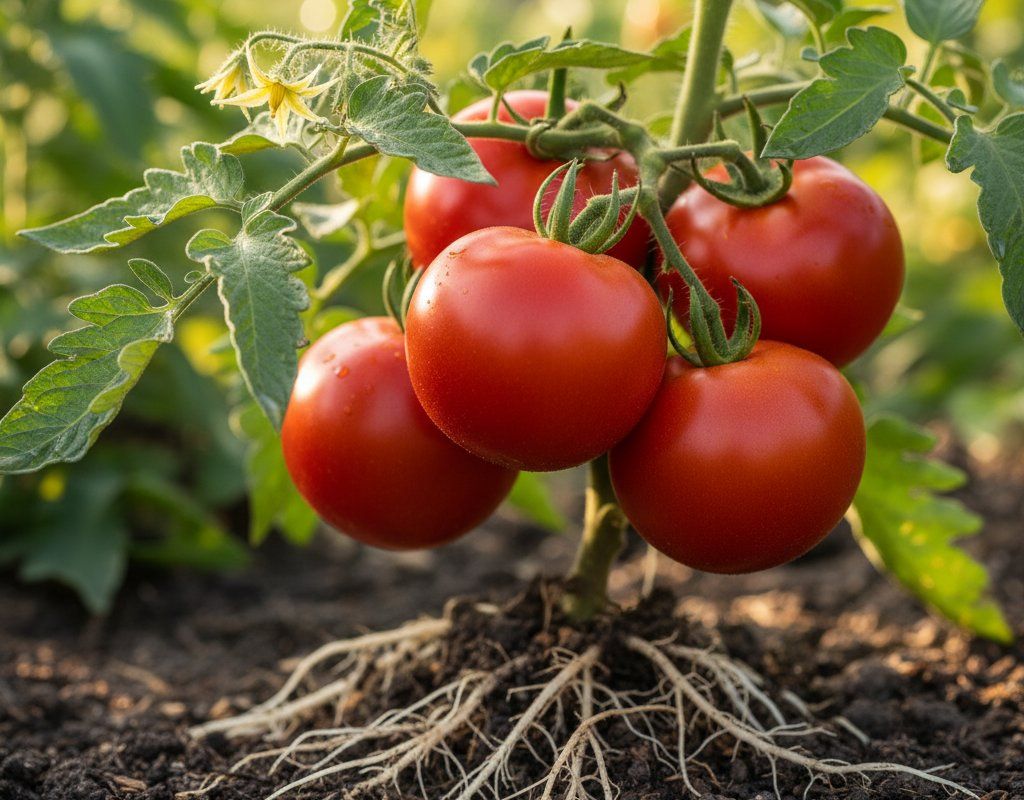
Celebrity Tomato in Zone 9B — Desert Southwest
Solanum lycopersicum 'Celebrity' · Your Complete 2026 Planting Guide
Time to Buy Starts!
Seed starting window passed, but starts are available now.
Buy Starts Now
Head to your local nursery, Home Depot, or farmers market for transplants.
- Look for stocky plants with dark green leaves
- Avoid leggy seedlings or plants already flowering
- Check that roots aren't circling the pot (rootbound)
How to Plant Celebrity Tomato in Zone 9B — Desert Southwest
Here are all your options for getting celebrity tomato in the ground, from the easiest method to more advanced approaches.
Start Seeds Indoors
RecommendedEarly to late January
around January 8
Then transplant: Mid February through mid March
Start seeds 6-8 weeks before transplanting outdoors.
Buy Starts
Works WellMid February through mid March
around February 19
Plant purchased starts after last frost (February 5).
Direct Sow Seeds
ChallengingDirect sowing is not typical for Celebrity Tomato.
Transplant Outdoors
Timing InfoMid February through mid March
around February 19
Wait until nighttime temperatures stay above 50°F.
You have a nice window — no need to rush.
Overview
Celebrity Tomato is a fantastic choice for Desert Southwest gardeners. Its reliable yields of flavorful, medium-sized fruits make it perfect for slicing, salads, and sauces. Plus, its disease resistance means you can enjoy a bountiful harvest with less fuss, which is always a win when you're battling our alkaline soil and intense sun.
Sure, desert gardening presents unique challenges like extreme heat and water scarcity. But with careful timing and a few smart strategies, you can absolutely grow Celebrity Tomatoes in our Zone 9B gardens. Our long, 313-day growing season gives you two opportunities to grow warm-season crops like tomatoes.
Starting Seeds Indoors
Get a head start on your Celebrity Tomato crop by starting seeds indoors in early to late January, about six weeks before you plan to transplant. Use seed trays or small pots filled with a good seed-starting mix. Keep the soil consistently moist and provide warmth (a heat mat helps) and plenty of light – a grow light is ideal.
Bottom watering is your friend! Set the trays in a shallow container of water and let the soil soak it up from the bottom. This prevents damping off and encourages strong root growth. Remember, our very-early spring means starting early is key to a successful tomato harvest before the extreme heat hits.
Transplanting Outdoors
Transplant your Celebrity Tomato seedlings outdoors from mid February through mid March, once the danger of frost has passed. Before transplanting, harden off your seedlings by gradually exposing them to outdoor conditions for about a week. This helps them adjust to the sun and wind, preventing transplant shock.
Space your Celebrity Tomato plants 24-36 inches apart in well-draining soil. Even in February and March, our desert sun can be intense, so consider providing some afternoon shade with shade cloth, especially for the first few days after transplanting.
Watering Celebrity Tomato in Zone 9B (Desert Southwest)
Consistent watering is crucial for Celebrity Tomato, especially in our arid Desert Southwest climate. These plants aren't drought-tolerant, so don't let them dry out. During the cooler months of February through April, aim for about 1-1.5 inches of water per week, delivered in one or two deep soakings.
Once the extreme heat of May and June arrives, increase watering to 2-3 inches per week, possibly even more during heat waves. The finger test is your best friend: stick your finger about 2 inches deep into the soil. If it feels dry, it's time to water. Water deeply at the base of the plant to encourage deep root growth and reduce the risk of fungal diseases, which are less of a problem in our low-humidity environment.
Signs of underwatering include wilting leaves and slow growth. Overwatering can lead to yellowing leaves and root rot. A layer of organic mulch, like straw or wood chips, will help retain moisture in the soil and keep the roots cool during our scorching summers.
Supporting Your Celebrity Tomato
Celebrity Tomato is a determinate variety, but it still benefits from support. Since it's semi-determinate, meaning it grows to a certain size and then stops, medium-height cages work perfectly. You can also use sturdy stakes.
Install your chosen support system at planting time to avoid damaging the roots later. As the plant grows, gently guide the stems through the cage or tie them to the stake with soft twine. This keeps the fruit off the ground, preventing rot and making harvesting easier.
🧪Fertilizing Celebrity Tomato
Feeding Schedule
Organic Fertilizer Options
Harvest Time
You can expect your first Celebrity Tomato harvest from late April through mid June, about 70 days after transplanting. The fruits are ready to pick when they are a deep red color, firm to the touch but with a slight give when gently squeezed. Excellent disease resistance means you'll get plenty of fruit if you keep up with watering.
To harvest, gently twist the fruit from the vine, leaving a small piece of stem attached. Regular harvesting encourages continued production. As our first frost approaches in mid- December, harvest any remaining green tomatoes and bring them indoors to ripen. They'll ripen on a windowsill in a week or two.
Common Problems in Zone 9B (Desert Southwest)
Blossom Drop
- What it looks like: Flowers fall off the plant without setting fruit. Small fruit turns yellow and drops prematurely. The plant itself looks healthy, but produces few or no tomatoes.
- What causes it: Temperature stress is the main culprit in the Desert Southwest. When nighttime temperatures stay above 75°F or daytime temperatures exceed 95°F, tomatoes often won't set fruit. Low humidity and insufficient pollination can also contribute.
- How to fix/prevent it: Be patient – fruit set usually resumes when temperatures moderate, especially with the arrival of monsoon moisture. Provide afternoon shade with shade cloth during the hottest periods. Keep plants consistently watered. Try hand-pollination by gently shaking the flowers.
Hornworms
- What it looks like: Large sections of leaves are stripped overnight. Look for large (up to 4 inches) green caterpillars with white diagonal stripes. You'll also see dark droppings on the leaves below.
- What causes it: These are the larvae of hawk moths. The moths lay their eggs on tomato plants, and the caterpillars feed voraciously.
- How to fix/prevent it: Handpicking is the easiest solution. They're large, so they're easy to spot. Bt (Bacillus thuringiensis) spray is an effective organic control. If you see hornworms covered in white cocoons, leave them alone – those are parasitic wasp eggs that will kill the hornworm and release beneficial wasps.
Early Blight
- What it looks like: Brown spots with concentric rings (a target or bullseye pattern) appear on the lower leaves first, spreading upwards. Affected leaves turn yellow and eventually drop off.
- What causes it: This is a fungal disease (Alternaria solani) that thrives in warm, humid conditions. In our Desert Southwest climate, it's often spread by soil splashing onto the lower leaves during monsoon season.
- How to fix/prevent it: Remove and destroy any affected leaves (don't compost them). Mulch around the base of the plant to prevent soil splash. Water at the base of the plant, avoiding overhead watering. Improve air circulation by spacing plants adequately and pruning if needed. Copper fungicide can help slow the spread of the disease.
Desert Southwest Specific Challenges: Our extreme heat can cause blossom drop and sunscald on fruits. Arid humidity means plants dry out quickly, requiring frequent watering. Monsoon rainfall can exacerbate fungal diseases like early blight. Be vigilant and adjust your care accordingly.
Best Companions for Celebrity Tomato
Plant these nearby for healthier Celebrity Tomato and better harvests.
View Full Companion Planting Chart →




Companion Planting Details
Basil is a fantastic companion for Celebrity Tomato in the Desert Southwest. It repels pests like tomato hornworms and whiteflies, and it's thought to improve the flavor of tomatoes. Carrots also make good companions, as they loosen the soil and attract beneficial insects. Parsley attracts pollinators and beneficial insects that prey on tomato pests.
Avoid planting brassicas (like broccoli, cabbage, and cauliflower) near tomatoes, as they compete for nutrients and can stunt tomato growth. Fennel inhibits the growth of many plants, including tomatoes. Corn can shade tomatoes too much, reducing fruit production, especially in our already intense sun.
🌸Best Flowers to Plant with Celebrity Tomato
These flowers protect your Celebrity Tomato from pests and attract pollinators for better harvests.
For Pest Control





Get a Reminder When It's Time to Plant
We'll email you when key planting windows open for your zone.