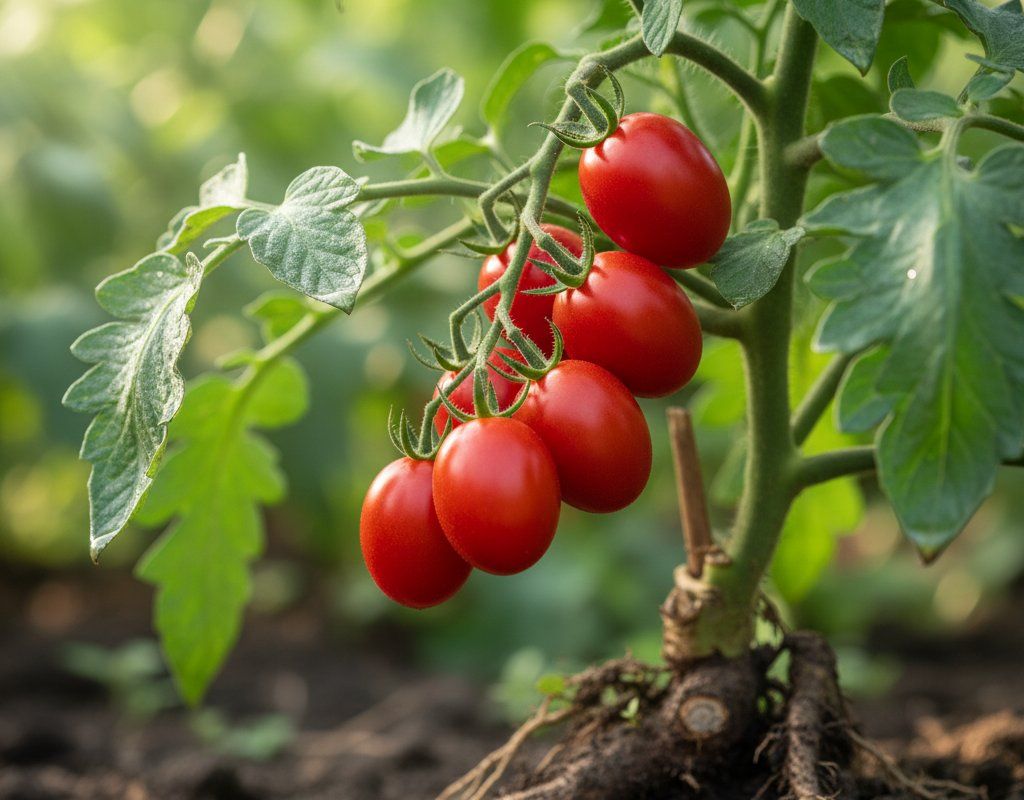
Grape Tomatoes in Zone 10A — Florida
Solanum lycopersicum var. cerasiforme · Your Complete 2026 Planting Guide
Check Planting Details Below
See the full planting guide for timing information.
How to Plant Grape Tomatoes in Zone 10A — Florida
Here are all your options for getting grape tomatoes in the ground, from the easiest method to more advanced approaches.
Start Seeds Indoors
RecommendedEarly to late December
around December 13
Then transplant: Late January through late February
Start seeds 6-8 weeks before transplanting outdoors.
Buy Starts
Works WellLate January through late February
around January 24
Plant purchased starts after last frost (January 10).
Direct Sow Seeds
ChallengingDirect sowing is not typical for Grape Tomatoes.
Transplant Outdoors
Timing InfoLate January through late February
around January 24
Wait until nighttime temperatures stay above 50°F.
You have a nice window — no need to rush.
Overview
Grape tomatoes are a Florida gardener's dream crop for our reversed growing season. These prolific little gems deliver that perfect balance of sweet and tangy flavor that makes store-bought tomatoes taste like disappointment. Unlike their delicate cherry cousins, grape tomatoes have thicker skins that resist cracking in our unpredictable weather patterns, and their oblong shape makes them perfect for everything from fresh salads to quick pan-roasting when the heat hasn't quite broken.
Yes, our extreme humidity and sandy soil present challenges, but timing is everything in Florida gardening. Plant in fall, harvest through winter and early spring – that's our secret weapon. With 355 growing days a year, you have the luxury of avoiding the brutal summer heat entirely while still enjoying fresh, homegrown tomatoes when the rest of the country is buying greenhouse imports.
Starting Seeds Indoors
Start your grape tomato seeds indoors during early to late December, about 6 weeks before you plan to transplant outdoors. Our Florida gardening calendar is backwards from most places – while northern gardeners are dreaming of spring, we're getting our tomato season started in the depths of winter.
Set up your seed trays in a warm spot that stays around 70-75°F (a heated garage or spare room works well). Use quality seed starting mix and keep those seeds consistently moist with bottom watering – this prevents the soil surface from staying soggy, which can lead to damping off in our humid conditions. Once seedlings emerge, they'll need strong light for 14-16 hours daily, either from a sunny south-facing window or grow lights.
Your seedlings will be ready for hardening off by mid to late January. The key is starting early enough that you can transplant before our unpredictable late winter warm spells trick the plants into thinking it's summer.
Transplanting Outdoors
Transplant your grape tomato seedlings outdoors from late January through late February, after you've hardened them off for a full week. This gradual outdoor exposure is crucial in Florida – our winter days can swing from 45°F at dawn to 80°F by afternoon, and you want those plants tough enough to handle the swings.
Space your transplants 24-36 inches apart to allow for proper air circulation in our humid climate. The wider spacing helps prevent fungal diseases that love our moisture-laden air. Choose a spot with full sun exposure (6-8 hours), as grape tomatoes need all the light they can get during our shorter winter days.
Watch the weather closely during this transplant window. A sudden cold snap can set your plants back weeks, but waiting too long means they'll hit the brutal summer heat before producing their main crop. You're aiming for that sweet spot where they'll establish quickly and start producing by late March.
Watering Grape Tomatoes in Zone 10A (Florida)
Grape tomatoes need consistent, deep watering throughout their growing season, especially in our sandy Florida soils that drain quickly. Even though they have thicker skins than cherry tomatoes, inconsistent watering will still cause problems with fruit cracking and blossom end rot.
During the cooler months (your main growing season), water deeply 2-3 times per week, providing about 1-2 inches total. Use the finger test – if the soil is dry 2 inches down, it's time to water. Always water at the base of the plants rather than overhead; our extreme humidity means wet foliage stays wet longer, inviting fungal diseases.
As temperatures climb toward summer, you'll need to increase watering frequency. Our typical 93°F summer highs combined with very high humidity create a challenging environment where plants need more water but also face increased disease pressure. This is why most Florida gardeners wrap up their tomato harvest by late May.
Apply a 2-3 inch layer of mulch around your plants to help maintain consistent soil moisture and reduce the need for frequent watering. Organic mulches like shredded leaves or straw work well in our climate, breaking down to improve our sandy soil structure.
Supporting Your Grape Tomatoes
Install sturdy support systems at planting time since grape tomatoes are vigorous indeterminate growers that will easily reach 6-8 feet tall in Florida's long growing season. Standard tomato cages work well, but choose heavy-duty ones that won't topple in our frequent thunderstorms and potential hurricane-force winds.
For even better support, use 6-foot stakes driven 12-18 inches into the ground, paired with soft plant ties or cloth strips. Avoid wire ties that can cut into stems during windy weather – something every Florida gardener learns to consider.
Train your plants by gently weaving the main stem through cage openings or tying it to stakes every 8-12 inches of growth. Start this training early when stems are flexible, and check weekly since these plants grow rapidly in our favorable conditions.
Pruning & Maintaining Grape Tomatoes
Grape tomatoes are forgiving when it comes to pruning – they'll produce prolifically even with minimal intervention. Focus on removing suckers (shoots growing between main stems and branches) when they're small and easy to pinch off with your fingers.
Remove the bottom set of leaves once fruits begin forming to improve air circulation near the soil line, which helps prevent fungal diseases in our humid climate. Throughout the season, prune any diseased or yellowing foliage immediately and dispose of it in the trash, not your compost pile.
As your growing season winds down in late November through December, top your plants by pinching off the growing tips. This forces energy into ripening existing fruits before our first frost arrives around late December. Any green tomatoes can ripen indoors on a sunny windowsill.
🧪Fertilizing Grape Tomatoes
Feeding Schedule
Organic Fertilizer Options
Harvest Time
Your first grape tomatoes will be ready for harvest from late March through mid-May, about 60 days from transplanting. Look for fruits that have developed their full color (usually deep red) and have a slight give when gently squeezed. The oblong shape should be well-defined, and the skin will have a subtle glossy sheen.
Harvest by gently twisting and pulling, or use clean scissors to cut the stem just above the fruit. Check your plants every 2-3 days during peak production – grape tomatoes ripen quickly in our warm spring weather, and leaving overripe fruits on the vine can slow down production.
The beauty of grape tomatoes is their extended harvest period. Unlike determinate varieties that ripen all at once, these indeterminate plants will keep producing until the heat becomes unbearable or frost arrives. In Florida, you'll typically get a solid 8-10 weeks of continuous harvest.
As late December approaches and first frost threatens, harvest all remaining fruits regardless of size. Green grape tomatoes ripen beautifully indoors when placed in a paper bag with a banana or stored on a sunny windowsill. This way, you can enjoy your homegrown tomatoes well into the new year.
Common Problems in Zone 10A (Florida)
Cracking appears as splits in the tomato skin, either in concentric circles around the stem or as radial lines spreading outward from the top. While grape tomatoes are more resistant than other types, heavy rainfall after a dry spell can still cause this issue. In Florida's wet summer climate (50-65 inches annually), maintain consistent moisture through mulching and regular watering schedules. Water deeply but less frequently rather than light daily watering, and harvest fruits promptly when ripe.
Blossom End Rot shows up as a sunken, dark brown or black leathery patch on the bottom of the fruit. This isn't a disease but a calcium deficiency triggered by inconsistent watering – especially problematic in our sandy soils that drain quickly. The most effective fix is consistent watering and heavy mulching to maintain even soil moisture. Avoid over-fertilizing with nitrogen, which can interfere with calcium uptake.
Early Blight creates brown spots with distinctive concentric rings (bullseye pattern) on lower leaves first, then spreads upward. This fungal disease thrives in Florida's warm, humid conditions and spreads through soil splash onto leaves. Remove affected leaves immediately (bag them, don't compost), mulch heavily to prevent soil splash, and always water at the base rather than overhead. Space plants properly for air circulation and consider copper fungicide during humid spells.
Florida Specific Challenges: Our extreme humidity and frequent summer thunderstorms create perfect conditions for fungal diseases, while sandy soils require more frequent watering and better nutrient management. The key is working with our reversed seasons – grow during the drier, less humid months and avoid the challenging summer conditions entirely.
Best Companions for Grape Tomatoes
Plant these nearby for healthier Grape Tomatoes and better harvests.
View Full Companion Planting Chart →



Companion Planting Details
Plant basil alongside your grape tomatoes – it naturally repels aphids and whiteflies while thriving in the same growing conditions. Carrots make excellent companions since their taproots help break up our compacted sandy soil without competing for nutrients in the same soil layer. Marigolds planted nearby deter nematodes, a persistent problem in Florida gardens, while parsley attracts beneficial insects that help with pest control.
Avoid planting brassicas (cabbage, broccoli, kale) near your tomatoes since they're heavy nitrogen feeders that will compete for nutrients, and their different watering needs don't match well with tomatoes' requirements. Skip fennel entirely – it inhibits tomato growth through allelopathy. Corn is also problematic since both crops attract similar pests and corn's tall growth can shade your tomatoes during our critical winter growing months when every ray of sun counts.
🌸Best Flowers to Plant with Grape Tomatoes
These flowers protect your Grape Tomatoes from pests and attract pollinators for better harvests.
For Pest Control

Get a Reminder When It's Time to Plant
We'll email you when key planting windows open for your zone.