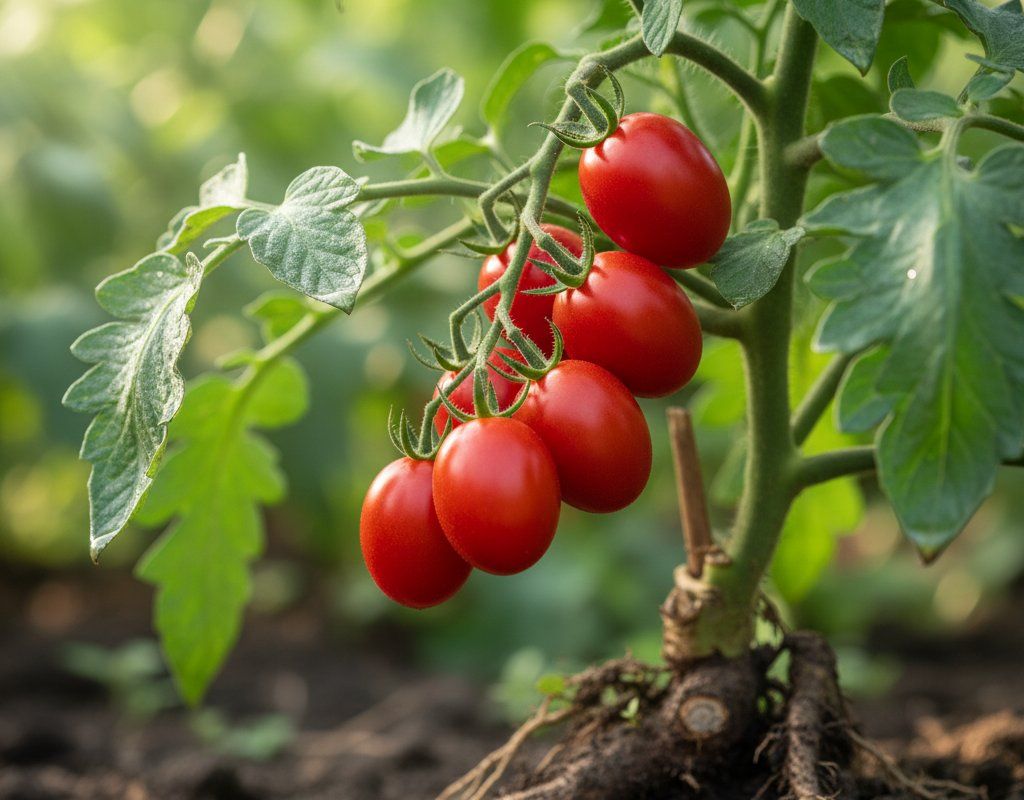
Grape Tomatoes in Zone 5B — Great Plains
Solanum lycopersicum var. cerasiforme · Your Complete 2026 Planting Guide
Planning Ahead — Great!
You’re ahead of the season. Here’s when to start.
Mark Your Calendar
How to Plant Grape Tomatoes in Zone 5B — Great Plains
Here are all your options for getting grape tomatoes in the ground, from the easiest method to more advanced approaches.
Start Seeds Indoors
RecommendedMid March through early April
around March 23
Then transplant: Early May through early June
Start seeds 6-8 weeks before transplanting outdoors.
Buy Starts
Works WellEarly May through early June
around May 4
Plant purchased starts after last frost (April 20).
Direct Sow Seeds
ChallengingDirect sowing is not typical for Grape Tomatoes.
Transplant Outdoors
Timing InfoEarly May through early June
around May 4
Wait until nighttime temperatures stay above 50°F.
You have a nice window — no need to rush.
Overview
Grape tomatoes thrive in our Plains climate, delivering sweet, oblong fruits that resist cracking better than cherry varieties while handling our intense summer sunshine beautifully. Their thick skin and prolific production make them perfect for fresh eating, salads, and preserving through our hot, dry summers when garden-fresh flavor really matters. The concentrated growing season works well for these 60-day producers.
While our variable spring weather and extreme temperature swings can challenge tender crops like tomatoes, starting seeds indoors gives you complete control over timing. With our 178-day growing season and typically mild spring nights, you can get grape tomatoes established well before summer heat peaks and harvest continuously until our first frost in mid-October.
Starting Seeds Indoors
Start your grape tomato seeds indoors from mid-March through early April, about 6 weeks before your planned transplant date. This timing works perfectly with our variable spring weather patterns, giving seedlings time to develop strong root systems before facing Plains conditions outdoors.
Set up seed trays with quality potting mix in a warm location (65-70°F works well). Bottom watering prevents damping off and keeps soil surface from crusting over. Place trays near a south-facing window or under grow lights once seeds germinate in 7-10 days.
Keep seedlings warm and provide plenty of light as they develop their first true leaves. Our intense Plains sunshine will serve them well once transplanted, but they need consistent conditions indoors during those critical early weeks when spring temperatures swing wildly outside.
Transplanting Outdoors
Transplant your grape tomato seedlings outdoors from early May through early June, after soil has warmed and nighttime temperatures stay consistently above 50°F. Our last frost typically occurs around mid-April, but those late-season cold snaps can still threaten tender tomatoes well into May.
Harden off seedlings gradually over one week, starting with just 2-3 hours of outdoor exposure and increasing daily. This prepares them for our windy conditions and temperature extremes. Choose a calm, cloudy day for transplanting when possible.
Space plants 24-36 inches apart to allow for good air circulation in our low-to-moderate humidity climate. The wider spacing also helps plants withstand our frequent winds and makes support systems more stable. Plant deep, burying 2/3 of the stem to encourage strong root development in our prairie soil.
Watering Grape Tomatoes in Zone 5B (Great Plains)
Grape tomatoes need consistent moisture throughout the growing season, requiring about 1-1.5 inches of water weekly during our hot summers. With typical highs around 93°F and low-to-moderate humidity, plants lose moisture quickly through transpiration even with their thick-skinned fruit.
Check soil moisture using the finger test - stick your finger 2 inches deep near the plant base. If it's dry at that depth, it's time to water. Our variable rainfall (15-35 inches annually) means you can't rely on natural precipitation alone, especially during those stretches of intense heat and wind.
Water deeply at the base rather than overhead to reduce disease pressure and conserve moisture in our dry climate. Early morning watering allows plants to absorb moisture before the heat peaks and reduces evaporation loss. Deep, less frequent watering encourages roots to grow down into our fertile prairie soil rather than staying shallow.
Apply 2-3 inches of organic mulch around plants to maintain consistent soil moisture and reduce the wet-dry cycles that stress tomatoes. Watch for wilting during afternoon heat (normal) versus morning wilting (needs water), and yellowing lower leaves (often indicates overwatering in our well-draining soils).
Supporting Your Grape Tomatoes
Install sturdy cages or stakes at planting time since grape tomatoes are vigorous indeterminate varieties that can reach 6-8 feet tall by season's end. Standard tomato cages work well, but choose heavy-duty versions that won't topple in our persistent Plains winds.
For staking, use 6-foot tall posts driven at least 18 inches deep and tie plants loosely with soft materials as they grow. The support system needs to handle both the weight of heavy fruit loads and our wind stress throughout the growing season.
Train main stems upward and loosely secure new growth every 8-10 inches. Wind protection becomes essential as plants mature - consider installing windbreaks or positioning cages to shelter plants from prevailing winds while maintaining good air circulation for disease prevention.
Pruning & Maintaining Grape Tomatoes
Remove suckers (shoots growing between main stem and branches) when they're small, but don't stress about getting every one since grape tomatoes produce prolifically even with light pruning. Focus on removing suckers below the first flower cluster and any that crowd the center of the plant.
Prune lower leaves touching the soil once plants are established to prevent soil-borne diseases from splashing up during watering or storms. Remove any yellowing or diseased foliage throughout the season to maintain good air circulation in our humid summer conditions.
As first frost approaches in mid-October, stop pruning and pinch growing tips to encourage remaining fruits to ripen. About 4 weeks before expected frost, remove any new flower clusters since they won't have time to develop mature fruit in our relatively short growing season.
🧪Fertilizing Grape Tomatoes
Feeding Schedule
Organic Fertilizer Options
Harvest Time
Expect your first ripe grape tomatoes from early July through late August, depending on when you transplanted and weather conditions during fruit development. These 60-day varieties often produce their first clusters about 2 months after transplanting in our climate.
Harvest when fruits are fully colored with their characteristic oblong shape and give slightly to gentle pressure. Unlike cherry tomatoes, grape varieties have thicker skins that resist cracking and can stay on the vine a few extra days without splitting. Pick regularly to encourage continued production.
Harvest in early morning when temperatures are cooler and fruits have the best texture and flavor. Gentle twisting motion usually separates ripe fruit cleanly from the vine without damaging stems or neighboring tomatoes.
As first frost threatens in mid-October, harvest all remaining fruit regardless of ripeness. Green tomatoes will continue ripening indoors if stored in a cool, dark place with good air circulation. You can extend your harvest by several weeks this way, making the most of our growing season.
Common Problems in Zone 5B (Great Plains)
Cracking Splits appear in the fruit skin, either as concentric circles around the stem or radial lines spreading outward. While grape tomatoes resist cracking better than cherry types, it still occurs during periods of inconsistent moisture. Our variable rainfall patterns and extreme temperature swings create the perfect conditions for this problem.
Blossom End Rot Dark, sunken patches develop on the bottom end of fruits, creating leathery brown or black areas that ruin the tomato. This calcium deficiency results from inconsistent watering rather than actual soil calcium shortage, and our hot, windy conditions make maintaining consistent moisture challenging.
Early Blight Brown spots with distinctive target-like concentric rings appear on lower leaves first, then spread upward as leaves yellow and drop. This fungal disease thrives in our warm summer temperatures and spreads through soil splash during irrigation or storms.
Great Plains gardeners face unique challenges with tomatoes due to our combination of hot summers, persistent winds, and variable moisture. The intense sunshine helps plants produce well, but the extreme temperature swings and drought cycles stress plants and make consistent care essential for preventing these common problems.
Best Companions for Grape Tomatoes
Plant these nearby for healthier Grape Tomatoes and better harvests.
View Full Companion Planting Chart →



Companion Planting Details
Plant basil near your grape tomatoes to improve flavor and repel aphids and hornworms, while carrots help break up soil around tomato roots and don't compete for nutrients. Parsley attracts beneficial insects that prey on tomato pests, and marigolds release compounds that deter nematodes in the soil while their bright flowers attract pollinators.
Avoid planting brassicas like cabbage or broccoli nearby since they're heavy nitrogen feeders that compete with tomatoes for nutrients, and their different watering needs don't match well in our variable climate. Skip fennel completely as it can inhibit tomato growth, and keep corn at a distance since both crops attract similar pests and create too much competition for space and nutrients in our often water-limited conditions.
🌸Best Flowers to Plant with Grape Tomatoes
These flowers protect your Grape Tomatoes from pests and attract pollinators for better harvests.
For Pest Control

Get a Reminder When It's Time to Plant
We'll email you when key planting windows open for your zone.