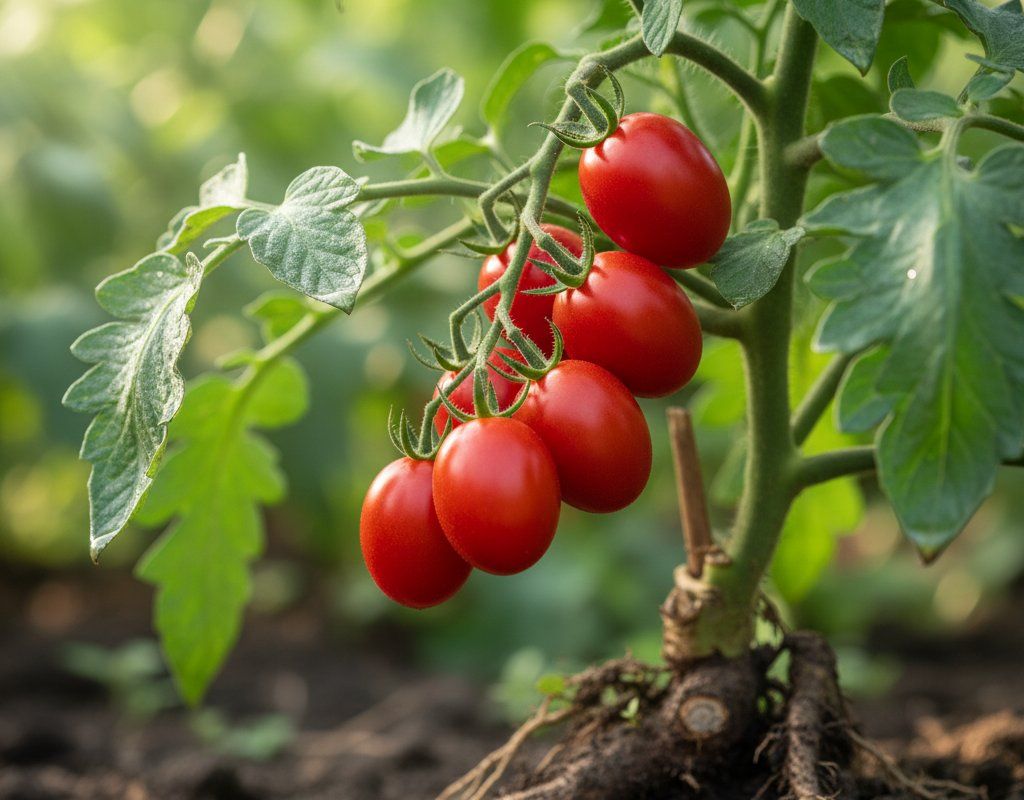
Grape Tomatoes in Zone 9A — Gulf Coast
Solanum lycopersicum var. cerasiforme · Your Complete 2026 Planting Guide
Time to Buy Starts!
Seed starting window passed, but starts are available now.
Buy Starts Now
Head to your local nursery, Home Depot, or farmers market for transplants.
- Look for stocky plants with dark green leaves
- Avoid leggy seedlings or plants already flowering
- Check that roots aren't circling the pot (rootbound)
How to Plant Grape Tomatoes in Zone 9A — Gulf Coast
Here are all your options for getting grape tomatoes in the ground, from the easiest method to more advanced approaches.
Start Seeds Indoors
RecommendedEarly to late January
around January 13
Then transplant: Late February through late March
Start seeds 6-8 weeks before transplanting outdoors.
Buy Starts
Works WellLate February through late March
around February 24
Plant purchased starts after last frost (February 10).
Direct Sow Seeds
ChallengingDirect sowing is not typical for Grape Tomatoes.
Transplant Outdoors
Timing InfoLate February through late March
around February 24
Wait until nighttime temperatures stay above 50°F.
You have a nice window — no need to rush.
Overview
Grape tomatoes are a Gulf Coast gardener's dream crop, delivering intensely sweet flavor in bite-sized packages that outshine anything you'll find in the store. These prolific little fruits thrive in our long growing season, producing clusters of oblong tomatoes perfect for snacking, salads, or roasting. Their thicker skin makes them less prone to cracking than cherry varieties, which is a real advantage when our afternoon storms dump unexpected rainfall on the garden.
Yes, our high humidity and disease pressure can challenge tomatoes, but grape varieties tend to be more resilient than their larger cousins. With our 303-day growing season, you have plenty of time to get multiple plantings established and can enjoy fresh tomatoes from late spring clear through our first frost in early December. The key is starting strong indoors and timing your transplants right.
Starting Seeds Indoors
Start your grape tomato seeds indoors during early to late January, about six weeks before you plan to transplant outdoors. This timing takes advantage of our early spring character, giving plants a solid head start before the heat and humidity of summer arrive. You'll want seed starting trays filled with quality potting mix, along with a heat mat to maintain soil temperatures around 70-75°F for good germination.
Set up grow lights or place your trays in a sunny south-facing window, keeping the soil consistently moist but not waterlogged. Bottom watering works best - set your seed trays in shallow pans of water and let the soil absorb moisture from below. This prevents fungal issues that can plague seedlings in our humid climate.
Once seedlings emerge and develop their first true leaves, you can begin feeding them with diluted liquid fertilizer every couple of weeks. Keep them under lights for 12-14 hours daily, maintaining that steady warmth until it's time to harden them off for transplanting.
Transplanting Outdoors
Plan to transplant your grape tomato seedlings outdoors from late February through late March, once nighttime temperatures consistently stay above 50°F. In our Gulf Coast climate, this window gives you flexibility to work around late cold snaps while still getting plants established before the intense summer heat arrives.
Harden off your seedlings gradually over one week before transplanting. Start by placing them outside for just a few hours in filtered sunlight, gradually increasing their exposure to direct sun and outdoor conditions. Our spring weather can be unpredictable, so watch for sudden temperature swings and be ready to bring them back inside if needed.
Space your grape tomato plants 24-36 inches apart in full sun locations that receive 6-8 hours of direct sunlight daily. Choose spots with good air circulation to help combat our high humidity, and ensure your soil drains well since our wet climate can lead to waterlogged conditions. Install support structures at planting time rather than trying to add them later when roots are established.
Watering Grape Tomatoes in Zone 9A (Gulf Coast)
Grape tomatoes need consistent moisture throughout the growing season, especially critical in our hot, humid Gulf Coast climate where plants face both heat stress and disease pressure. Despite receiving 50-65 inches of annual rainfall, you'll still need to supplement irrigation during dry spells and manage moisture during our frequent afternoon storms.
Water deeply 1-2 times per week, providing about 1-1.5 inches total including rainfall. Use the finger test - stick your finger 2 inches into the soil near the base of the plant. If it feels dry at that depth, it's time to water. During peak summer heat when temperatures hit 93°F regularly, you may need to increase frequency to every other day.
Always water at the base of plants rather than overhead. Our very high humidity creates perfect conditions for fungal diseases, and wet foliage only makes the problem worse. Soaker hoses or drip irrigation work excellently for tomatoes, delivering water slowly and directly to the root zone. If you must hand water, aim for the soil around the stem rather than splashing leaves.
Watch for signs of stress: wilting during the hottest part of the day (normal), yellowing lower leaves (often overwatering), or blossom end rot (inconsistent watering). Apply 2-3 inches of organic mulch around plants to maintain even soil moisture and prevent soil splash that can spread disease. In our wet climate, avoid mulching directly against plant stems to prevent crown rot.
Supporting Your Grape Tomatoes
Grape tomatoes are vigorous indeterminate plants that absolutely need strong support to handle their prolific fruit production. Standard tomato cages work well for most home gardeners, but choose sturdy ones at least 5-6 feet tall since these plants can easily reach 6-8 feet in our long growing season. Flimsy cages will collapse under the weight of heavy fruit clusters.
Install your support system at transplanting time rather than waiting until plants are established. Trying to cage or stake mature tomato plants damages roots and disturbs the plant when it's starting to set fruit. Push cages firmly into the ground - our afternoon storms and occasional hurricane-force winds can topple poorly anchored supports.
For staking, use 8-foot stakes and tie plants loosely with soft materials like cloth strips or tomato ties. As plants grow, gently weave branches through cage openings or tie main stems to stakes every 12-18 inches. Grape tomatoes produce multiple side shoots that get heavy with fruit clusters, so you'll need to guide growth regularly throughout the season rather than just setting up support and forgetting about it.
Pruning & Maintaining Grape Tomatoes
Grape tomatoes are naturally productive and don't require aggressive pruning like large slicing tomatoes. Focus on removing suckers - the shoots that grow between the main stem and branches - but you don't need to catch every single one. Light pruning maintains good air circulation, which is crucial for preventing fungal diseases in our humid climate.
Remove suckers when they're small and tender, easily pinched off with your fingers. Also prune any branches touching the ground and remove lower leaves once plants are well-established, typically 12-18 inches of clear stem at the base. This prevents soil splash from reaching foliage during our frequent downpours and reduces disease pressure.
As first frost approaches in early December, you can top your plants by pinching out the growing tips. This directs energy into ripening existing fruit rather than producing new flowers that won't have time to mature. If plants become unruly during peak growing season, selective pruning of interior branches improves air circulation without significantly reducing harvest.
🧪Fertilizing Grape Tomatoes
Feeding Schedule
Organic Fertilizer Options
Harvest Time
Your first grape tomatoes will be ready for harvest from late April through mid-June, about 60 days after transplanting. Look for fruits that have developed full color - typically deep red for most varieties - with the characteristic oblong shape and firm texture with just slight give when gently squeezed. The thicker skin of grape tomatoes means they hold better on the vine than cherry types and are less prone to cracking.
Harvest regularly by gently twisting and pulling ripe fruits, or use clean pruning shears to snip entire clusters when multiple tomatoes on the same stem are ready. Pick in the morning when temperatures are cooler and fruits are fully hydrated. Don't let ripe fruits sit on the plant too long, especially during our hot, humid summers when overripe tomatoes attract insects and can develop split skin.
Grape tomatoes will continue producing until first frost in early December, giving you months of continuous harvest in our extended growing season. During peak summer production, you may need to harvest every 2-3 days to keep up with ripening. Plants often slow production during the hottest part of summer but pick up again as temperatures moderate in fall.
If frost threatens in December, harvest all mature green fruits - grape tomatoes ripen well indoors when stored in a cool, dark place. Wrap individual fruits in newspaper or place them in paper bags with a ripe apple to speed ripening. This extends your harvest by several weeks beyond the first frost date.
Common Problems in Zone 9A (Gulf Coast)
Cracking Grape tomatoes show less cracking than cherry varieties, but you'll still see splits in the skin - either concentric circles around the stem or radial lines shooting out from the top. This happens when fruit absorbs water faster than the skin can expand, typically after heavy rainfall following dry periods. Our Gulf Coast pattern of drought spells broken by afternoon storms creates perfect conditions for this problem. Maintain consistent moisture through regular watering and heavy mulching. During dry spells, don't let soil get bone dry, and harvest promptly when fruits reach full color.
Blossom End Rot This shows up as sunken, dark brown or black leathery patches on the bottom (blossom end) of fruits, often affecting the first tomatoes of the season. It's not a disease but a calcium deficiency caused by inconsistent watering - our wet-dry cycles prevent plants from absorbing calcium properly. The single most effective fix is consistent watering. Mulch heavily to maintain even soil moisture, and avoid over-fertilizing with nitrogen which can interfere with calcium uptake. Remove affected fruits promptly since they won't recover.
Early Blight Look for brown spots with distinctive concentric rings (bullseye pattern) on lower leaves first, then spreading upward as leaves yellow and drop. This fungal disease thrives in our warm, humid conditions and spreads through soil splash onto lower leaves during heavy rains. Remove affected leaves immediately and destroy them - don't compost. Water at the base rather than overhead, improve air circulation through proper spacing, and apply organic mulch to prevent soil splash. Copper fungicide can slow spread if applied early.
Gulf Coast Specific Challenges: Our combination of intense heat, very high humidity, and year-round moisture creates a perfect storm for fungal diseases on tomatoes. The key to success is maximizing air circulation, avoiding overhead watering, and staying vigilant about removing diseased plant material before problems spread.
Best Companions for Grape Tomatoes
Plant these nearby for healthier Grape Tomatoes and better harvests.
View Full Companion Planting Chart →



Companion Planting Details
Plant basil near your grape tomatoes - it helps repel aphids and hornworms while thriving in similar growing conditions. The aromatic oils also seem to improve tomato flavor, and you'll have fresh basil for all those tomatoes you'll be harvesting. Carrots make excellent companions since their deep taproots don't compete with tomato roots, plus they help break up clay soil common in our area. Parsley planted nearby attracts beneficial insects that prey on tomato pests.
Marigolds are particularly valuable in our humid climate since they release compounds that suppress certain soil-borne diseases and nematodes that can plague tomatoes in Gulf Coast gardens. Avoid planting brassicas like cabbage or broccoli nearby - they compete heavily for nutrients and can attract pests that also target tomatoes. Skip corn as a companion since it attracts corn earworms that readily switch to tomato hornworms, and avoid fennel which can inhibit tomato growth through allelopathic compounds.
🌸Best Flowers to Plant with Grape Tomatoes
These flowers protect your Grape Tomatoes from pests and attract pollinators for better harvests.
For Pest Control

Get a Reminder When It's Time to Plant
We'll email you when key planting windows open for your zone.