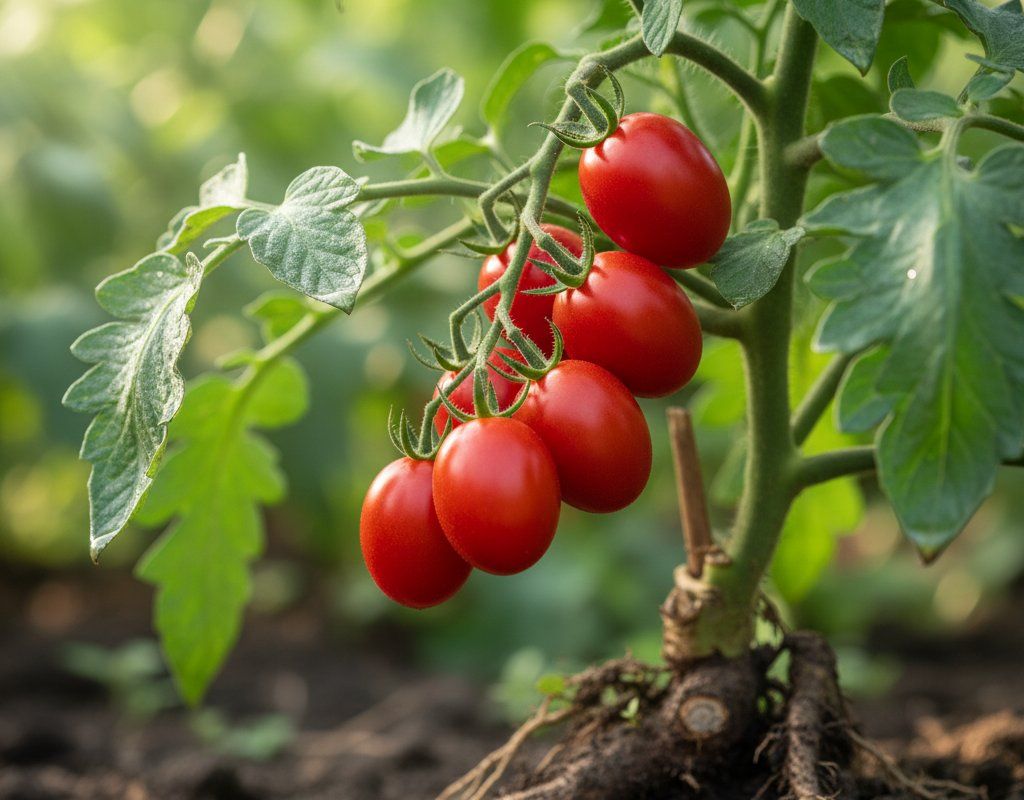
Grape Tomatoes in Zone 9B — Desert Southwest
Solanum lycopersicum var. cerasiforme · Your Complete 2026 Planting Guide
Time to Buy Starts!
Seed starting window passed, but starts are available now.
Buy Starts Now
Head to your local nursery, Home Depot, or farmers market for transplants.
- Look for stocky plants with dark green leaves
- Avoid leggy seedlings or plants already flowering
- Check that roots aren't circling the pot (rootbound)
How to Plant Grape Tomatoes in Zone 9B — Desert Southwest
Here are all your options for getting grape tomatoes in the ground, from the easiest method to more advanced approaches.
Start Seeds Indoors
RecommendedEarly to late January
around January 8
Then transplant: Mid February through mid March
Start seeds 6-8 weeks before transplanting outdoors.
Buy Starts
Works WellMid February through mid March
around February 19
Plant purchased starts after last frost (February 5).
Direct Sow Seeds
ChallengingDirect sowing is not typical for Grape Tomatoes.
Transplant Outdoors
Timing InfoMid February through mid March
around February 19
Wait until nighttime temperatures stay above 50°F.
You have a nice window — no need to rush.
Overview
Grape tomatoes offer Desert Southwest gardeners the perfect balance of sweet flavor and practical durability. These oblong beauties resist cracking better than cherry tomatoes while delivering that same burst of concentrated sweetness—ideal for our extreme heat and low humidity conditions. With their thicker skins and prolific production, they're particularly well-suited to our two growing seasons and can handle the intensity of desert gardening better than many larger tomato varieties.
While our extreme summer heat and alkaline soil present challenges, grape tomatoes thrive when you time plantings correctly. Our 313-day growing season gives you flexibility to establish strong plants before the heat hits, and with proper watering and shade protection, you'll harvest continuously from spring through late fall. The key is working with our desert climate rather than fighting it.
Starting Seeds Indoors
Start your grape tomato seeds indoors during early to late January, about six weeks before your planned transplant date. Our very-early spring character means you'll want plants ready to go out by mid-February when nighttime temperatures consistently stay above freezing. Use seed starting trays filled with quality potting mix, keeping soil consistently moist but not soggy.
Bottom watering works exceptionally well for tomato seeds—place your seed trays in a shallow pan of water and let the soil absorb moisture from below. This prevents the soil surface from crusting over in our dry indoor air. Keep seeds warm (70-75°F) until germination, then provide strong light from grow lights or a bright south-facing window.
Once seedlings develop their first true leaves, you can begin gradual fertilizing with diluted liquid fertilizer. The controlled environment indoors protects young plants from our temperature swings and occasional late-season cold snaps that can surprise even experienced desert gardeners.
Transplanting Outdoors
Transplant your grape tomato seedlings outdoors from mid-February through mid-March, once nighttime temperatures consistently stay above 40°F. This timing takes advantage of our mild winter-to-spring transition before extreme heat arrives. Space plants 24-36 inches apart to ensure good air circulation—crucial in our low humidity environment where plants need room to breathe.
Hardening off is essential for desert success. Gradually expose seedlings to outdoor conditions over one week, starting with just a few hours of morning sun and building up to full exposure. Our intense UV radiation and low humidity can shock tender indoor-grown plants, so this gradual transition prevents transplant shock.
Plant on a calm day when possible, as our frequent spring winds can stress newly transplanted seedlings. Water immediately after planting and consider temporary shade cloth for the first week if daytime temperatures climb above 80°F. Your plants need time to establish strong root systems before facing the full intensity of desert conditions.
Watering Grape Tomatoes in Zone 9B (Desert Southwest)
Grape tomatoes need consistent, deep watering throughout our desert growing season—expect to provide 1-2 inches per week through spring, increasing to 2-3 inches during extreme heat periods. The finger test works perfectly here: stick your finger 2 inches into the soil near the plant base. If it's dry at that depth, it's time to water deeply.
Water at the base rather than overhead to conserve moisture in our arid climate and prevent leaf diseases. Drip irrigation or soaker hoses work exceptionally well, delivering water directly to root zones without waste through evaporation. During monsoon season, you may need to reduce supplemental watering, but never let plants experience the dry-wet extremes that cause fruit cracking.
Watch for underwatering signs like wilting during morning hours, leaf edges turning brown, or blossom end rot appearing on fruits. Overwatering shows up as yellowing leaves, poor fruit production, or fungal issues. Our alkaline soil can compound watering problems by affecting nutrient uptake, so consistent moisture helps plants access available nutrients more effectively.
Apply 2-3 inches of organic mulch around plants to conserve moisture and moderate soil temperature swings. Good mulch choices for our region include shredded bark or compost—avoid materials that break down too quickly in our heat or that might harbor pests during our long growing season.
Supporting Your Grape Tomatoes
Install sturdy tomato cages or tall stakes at planting time since grape tomatoes are vigorous indeterminate growers that can easily reach 6-8 feet in our long growing season. Standard tomato cages work well, but choose heavy-duty versions that won't topple in our frequent spring winds or under the weight of heavy fruit clusters. For stakes, use 6-foot posts driven at least 18 inches deep.
Begin training vines early by gently weaving main stems through cage openings or tying to stakes with soft materials like plant ties or strips of old t-shirts. Check and adjust ties weekly as plants grow rapidly during our mild spring weather. Proper support prevents fruit from touching the ground where it can rot or attract pests, especially important during monsoon season when soil stays damp longer.
Indeterminate grape tomatoes continue growing and producing until frost, so your support system needs to handle months of growth and multiple heavy harvests. In our desert conditions, well-supported plants also handle wind better and receive improved air circulation, reducing disease pressure in our occasionally humid monsoon weather.
Pruning & Maintaining Grape Tomatoes
Grape tomatoes need only light pruning compared to large slicing varieties. Remove suckers—the shoots that emerge between main stems and branches—when they're small and tender, but don't stress about getting every single one. These prolific producers can handle more foliage than other tomato types, and some leaf cover actually helps protect fruit from sunscald during extreme heat.
Focus on removing lower leaves that touch the ground or show signs of disease, especially important during monsoon season when soil splash can spread problems. Prune away any damaged, yellowing, or diseased foliage promptly to maintain plant health through our long growing season.
As first frost approaches in mid-December, stop pruning altogether and let plants put energy into ripening existing fruit rather than new growth. About a month before expected frost, you can pinch growing tips to redirect energy into maturing green tomatoes already on the vine.
🧪Fertilizing Grape Tomatoes
Feeding Schedule
Organic Fertilizer Options
Harvest Time
Your first grape tomatoes will be ready from mid-April through early June, approximately 60 days after transplanting. Look for fruits that have developed full color—typically deep red—with the characteristic oblong shape and firm texture with just slight give when gently squeezed. Unlike cherry tomatoes, grape varieties have thicker skins that resist splitting and hold well on the vine even when fully ripe.
Harvest by gently twisting and pulling individual fruits or cutting small clusters with scissors. Check plants every 2-3 days during peak season as fruits ripen quickly in our heat. Regular harvesting encourages continued production, essential for maximizing your yield through our two growing seasons.
During extreme heat periods in late spring and early summer, fruits may develop slower or stop ripening temporarily. This is normal—plants resume heavy production during our second growing season in fall when temperatures moderate. Consider using shade cloth during the hottest months to extend production.
As first frost approaches in mid-December, harvest all green fruits that have reached full size. Grape tomatoes ripen excellently indoors when stored at room temperature. Wrap green fruits individually in newspaper or place in a paper bag with a ripe banana to speed ripening. This extends your harvest well into winter, making the most of your desert garden investment.
Common Problems in Zone 9B (Desert Southwest)
Cracking Splits appear in the tomato skin, either as circles around the stem end (concentric) or lines radiating outward (radial). The fruit may still be edible if caught early, but cracks expose flesh to rot and pest entry. This problem becomes more common during monsoon season when heavy rains follow our typically dry periods, causing fruit to absorb water faster than the skin can expand.
Prevent cracking through consistent watering—the most critical factor in our desert climate. Mulch heavily to maintain even soil moisture and harvest promptly when fruits reach full color. During monsoon season, consider temporary covers to protect plants from excessive rainfall that can trigger cracking in ripe fruit.
Blossom End Rot Dark brown or black leathery patches appear on the bottom (blossom end) of fruits, often affecting the first tomatoes of the season. This isn't a disease but rather a calcium deficiency caused by inconsistent watering—common in our desert environment where plants struggle with water uptake in alkaline soil conditions.
The most effective fix is consistent watering to help plants absorb available calcium. Our alkaline desert soil often contains plenty of calcium, but plants can't access it during drought stress. Mulch heavily and avoid over-fertilizing with nitrogen, which can interfere with calcium uptake. Remove affected fruits to redirect plant energy to healthy production.
Early Blight Brown spots with distinctive concentric rings (bullseye pattern) appear first on lower leaves, gradually spreading upward. Leaves yellow and drop, weakening the plant and reducing production. This fungal disease thrives when monsoon humidity combines with our warm temperatures, spreading through soil splash onto lower foliage.
Remove affected leaves immediately and dispose in trash—never compost diseased material. Water at plant bases rather than overhead to minimize leaf wetness and soil splash. Improve air circulation through proper spacing and light pruning. Mulch prevents soil from splashing onto lower leaves during monsoon rains.
Desert Southwest Specific Challenges Our extreme heat and intense UV radiation can cause sunscald on fruits, appearing as white or yellow patches that later turn brown. Use shade cloth during peak summer and ensure adequate leaf cover. The combination of alkaline soil and water scarcity makes consistent irrigation crucial—grape tomatoes simply cannot tolerate the drought stress that some desert plants handle easily.
Best Companions for Grape Tomatoes
Plant these nearby for healthier Grape Tomatoes and better harvests.
View Full Companion Planting Chart →



Companion Planting Details
Plant basil near your grape tomatoes—it thrives in similar warm conditions and may help deter aphids and whiteflies that can be problematic in our desert heat. Carrots make excellent companions since they grow in the cool months when tomato plants are getting established, and their deep taproots help break up any caliche layers in your soil. Marigolds provide natural pest deterrence and add color to your garden while tolerating our intense sun and heat.
Avoid planting brassicas like cabbage or broccoli nearby, as they prefer cooler conditions and may struggle to compete for water resources during our extreme heat. Skip fennel entirely—it can inhibit tomato growth and attracts pests. Corn should also be avoided as it requires similar nutrients and water, creating competition that neither plant needs in our challenging desert environment where every resource counts.
🌸Best Flowers to Plant with Grape Tomatoes
These flowers protect your Grape Tomatoes from pests and attract pollinators for better harvests.
For Pest Control

Get a Reminder When It's Time to Plant
We'll email you when key planting windows open for your zone.