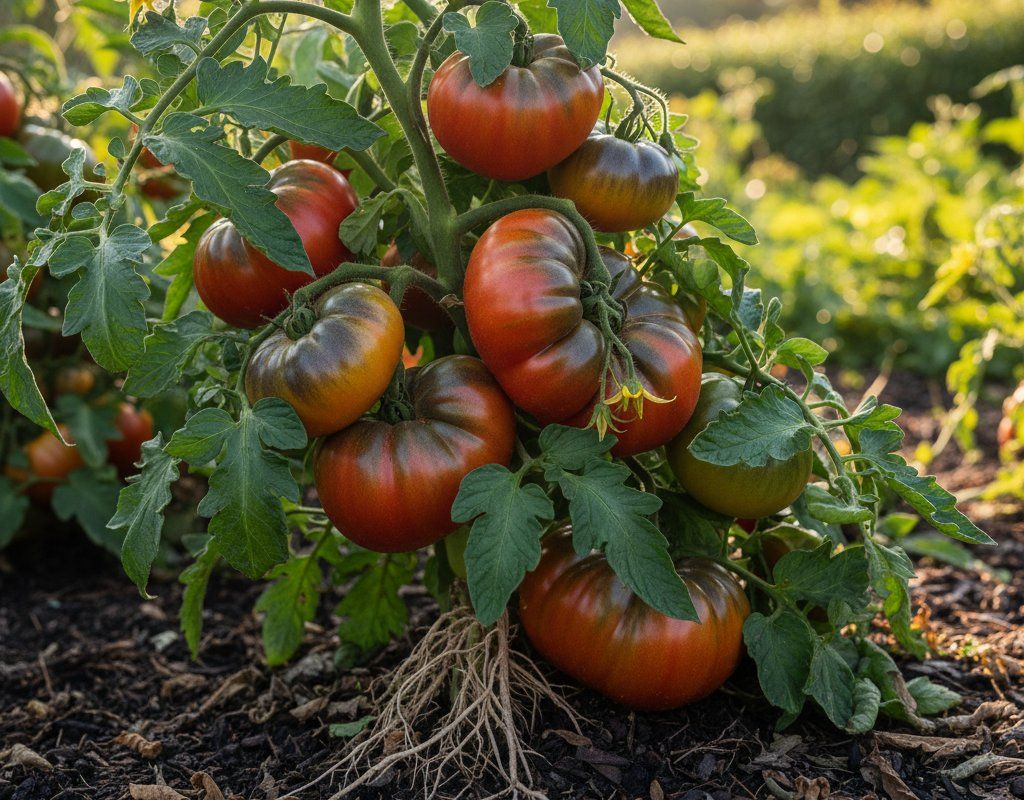
Heirloom Tomatoes in Zone 10A — Florida
Solanum lycopersicum · Your Complete 2026 Planting Guide
Check Planting Details Below
See the full planting guide for timing information.
How to Plant Heirloom Tomatoes in Zone 10A — Florida
Here are all your options for getting heirloom tomatoes in the ground, from the easiest method to more advanced approaches.
Start Seeds Indoors
RecommendedEarly to late December
around December 13
Then transplant: Late January through late February
Start seeds 6-8 weeks before transplanting outdoors.
Buy Starts
Works WellLate January through late February
around January 24
Plant purchased starts after last frost (January 10).
Direct Sow Seeds
ChallengingDirect sowing is not typical for Heirloom Tomatoes.
Transplant Outdoors
Timing InfoLate January through late February
around January 24
Wait until nighttime temperatures stay above 50°F.
You have a nice window — no need to rush.
Overview
Heirloom tomatoes offer Florida gardeners something magical that no grocery store tomato can match—true flavor diversity and the satisfaction of growing varieties with real history. In our subtropical climate, you can enjoy these treasure tomatoes during our prime growing season from late winter through late spring, when cooler temperatures bring out their best flavor and texture. These open-pollinated varieties thrive in Florida's winter sunshine, giving you everything from Cherokee Purples to Brandywines right in your own backyard.
Yes, Florida's extreme humidity and fungal disease pressure can challenge heirloom tomatoes, but our timing advantage makes success very manageable. With 355 growing days per year, you have flexibility to plant when conditions are right—during our cooler months when disease pressure is lower and these heat-sensitive plants can actually flourish. The key is working with Florida's reversed seasons rather than fighting them.
Starting Seeds Indoors
Starting heirloom tomato seeds indoors is essential in Florida since these tender plants need protection from both cold snaps and our unpredictable winter weather. Start your seeds during early to late December, about 6 weeks before you plan to transplant outdoors. This timing works perfectly with our reversed Florida gardening calendar—while northern gardeners are battening down for winter, we're starting our spring crops.
Set up your seed trays in a warm spot around 70-75°F, which is easy to maintain in Florida homes during December. Use quality seed starting mix and keep it consistently moist through bottom watering—set your seed trays in a shallow pan of water rather than watering from above. This prevents fungal issues that our humid climate encourages. Once seedlings emerge, they'll need bright light from a south-facing window or grow lights for 12-14 hours daily.
Your seedlings will be ready for hardening off by mid to late January, just as our weather begins to settle into those perfect growing conditions that make Florida winters so ideal for tomatoes.
Transplanting Outdoors
Transplant your heirloom tomato seedlings outdoors during late January through late February, when nighttime temperatures consistently stay above 50°F and daytime highs reach the comfortable 70s and low 80s. This window gives your plants time to establish before our heat arrives, and it's after most cold snap risks have passed in Zone 10A.
Before transplanting, harden off your seedlings over one week by gradually increasing their outdoor exposure. Start with a few hours of morning sun, then work up to full days outside. Florida's winter sun can be surprisingly intense for tender seedlings, so don't rush this process.
Space your heirloom tomatoes 36-48 inches apart—wider than you might expect, but essential in Florida's humid climate for good air circulation. This spacing helps prevent the fungal diseases that love our moisture-laden air. Plant them slightly deeper than they were in their containers, burying part of the stem to encourage strong root development in our sandy soils.
Watering Heirloom Tomatoes in Zone 10A (Florida)
Heirloom tomatoes need consistent, deep watering throughout their growing season, which becomes especially critical as Florida temperatures climb into the 80s and 90s by late spring. During their peak growing period from February through April, provide about 1.5-2 inches of water per week, checking soil moisture by inserting your finger 2 inches deep near the base of the plant.
Water at the base rather than overhead—Florida's very high humidity means wet foliage stays wet longer, creating perfect conditions for fungal diseases that plague heirloom varieties. Use a soaker hose or drip irrigation if possible, or hand water directly at soil level early in the morning so any splash-back can dry quickly.
Watch for signs of stress as our weather heats up. Underwatered plants show wilting during the hottest part of the day and fruit that's small or cracking. Overwatered plants in our poorly-draining sandy soils develop yellowing lower leaves and soft, mushy fruit. Both problems become more serious as summer approaches and temperatures soar.
Apply 2-3 inches of organic mulch around your plants to maintain consistent soil moisture and protect roots from Florida's intense sun. Pine needles or shredded leaves work well and help moderate the wild moisture swings that cause heirloom tomatoes to crack more readily than their hybrid cousins.
Supporting Your Heirloom Tomatoes
Install sturdy cages or stakes at planting time since most heirloom varieties are indeterminate and will grow vigorously in Florida's favorable winter-to-spring conditions. These plants can easily reach 6-8 feet tall and produce heavy, irregularly-shaped fruit that needs strong support to prevent branches from breaking under the weight.
Heavy-duty tomato cages at least 5-6 feet tall work best, or use 8-foot stakes with soft ties to secure the main stem every 12-18 inches as it grows. Florida's afternoon thunderstorms and potential hurricane-season weather make robust support systems essential—you don't want months of careful growing destroyed by a summer storm.
Train your plants by gently weaving branches through cage openings or tying them to stakes as they grow. Check weekly during the active growing season since heirloom tomatoes put on rapid growth in our ideal late winter and spring weather.
Pruning & Maintaining Heirloom Tomatoes
Prune heirloom tomatoes moderately to improve air circulation, which is crucial for preventing fungal diseases in Florida's humid environment. Remove suckers (shoots growing between the main stem and branches) when they're 2-4 inches long, but don't over-prune since heirlooms are often more sensitive than hybrids to aggressive pruning.
Focus on removing lower leaves that touch the ground or show any disease spots, and thin out dense interior growth to allow air movement through the plant. This becomes increasingly important as humidity builds through spring and into our wet summer season. Remove any yellowing or spotted leaves immediately to prevent disease spread.
As your first frost approaches in late December, you can help remaining green tomatoes ripen by pinching off new flower clusters and focusing the plant's energy on existing fruit. Many Florida gardeners also prune the growing tips about 4 weeks before expected frost to encourage faster ripening of the current crop.
🧪Fertilizing Heirloom Tomatoes
Feeding Schedule
Organic Fertilizer Options
Harvest Time
Your first heirloom tomatoes will be ready from mid-April through early June, about 80 days from transplanting. Unlike hybrids that ripen uniformly, heirloom varieties show readiness through variety-specific color changes—some stay green-shouldered even when ripe, while others develop deep purples, oranges, or striped patterns that signal peak flavor.
Check for slight softness when gently squeezed and easy separation from the vine with a gentle twist. Heirloom tomatoes often have the best flavor when picked slightly underripe and allowed to finish ripening on your kitchen counter, especially as Florida temperatures climb above 85°F and can cause fruit to become mealy on the vine.
Harvest regularly every 2-3 days during peak season to encourage continued production. Your plants will keep producing through late spring and into early summer until heat stress slows them down. Many Florida gardeners get good production through May before the combination of heat, humidity, and disease pressure becomes overwhelming.
As your first frost approaches in late December, harvest all remaining fruit—even completely green tomatoes will ripen indoors over several weeks if stored in a paper bag with a ripe banana to provide ethylene gas.
Common Problems in Zone 10A (Florida)
Fruit Cracking Concentric circles or radial splits appear in the tomato skin, sometimes exposing the flesh inside. This creates entry points for rot and ruins the appearance of your beautiful heirlooms. Florida's pattern of dry spells followed by heavy thunderstorms creates perfect conditions for this problem, as fruit absorbs water faster than the skin can expand. Maintain consistent soil moisture through regular watering and thick mulch, avoid the wet-dry cycles that our weather naturally creates, and harvest fruit promptly when ripe rather than leaving it on the vine.
Disease Susceptibility Leaves develop spots, yellowing, or wilting, and fruit may show rot or unusual markings. Multiple disease issues can affect plants throughout the growing season. Heirloom varieties lack the disease-resistance genes bred into modern hybrids, making them more vulnerable to Florida's fungal and bacterial diseases that thrive in our humid conditions. Improve air circulation through wider spacing and selective pruning, apply preventative copper-based fungicides during humid periods, rotate your tomato beds yearly, and remove any affected foliage immediately to prevent spread.
Lower Yields Plants produce fewer tomatoes than expected, with smaller harvests compared to hybrid varieties. This is characteristic of many heirloom varieties, which were selected for flavor rather than productivity, and Florida's challenging climate can further reduce yields through disease pressure and heat stress. Set realistic expectations—heirlooms often produce 25-40% less than hybrids but make up for it in superior flavor. Focus on soil health with plenty of compost, consistent watering, and disease prevention to maximize what your plants can produce.
Irregular Fruit Shapes Tomatoes develop unusual bumps, ridges, deep ribbing, or uneven growth patterns that look nothing like store-bought tomatoes. This is actually normal for most heirloom varieties, which maintain the diverse shapes that were bred out of commercial tomatoes. Cool weather during flowering, which we sometimes get during Florida winter cold snaps, can worsen irregular shaping. Embrace the character—these odd-shaped tomatoes often have the most complex flavors and are perfectly delicious despite their appearance.
Florida-Specific Challenges: Our extreme humidity creates perfect conditions for fungal diseases, while sandy soils drain quickly and require more frequent watering. Summer heat arrives early, shortening the productive season, and nematodes in the soil can weaken plants over time. Success comes from working with our winter-growing season rather than fighting summer conditions.
Best Companions for Heirloom Tomatoes
Plant these nearby for healthier Heirloom Tomatoes and better harvests.
View Full Companion Planting Chart →



Companion Planting Details
Plant basil near your heirloom tomatoes—it naturally repels aphids and thrips while improving tomato flavor when grown together. Carrots make excellent neighbors since their deep taproots don't compete with tomatoes' spreading roots, and marigolds planted around the bed help deter nematodes, which are a serious problem in Florida's sandy soils. Parsley attracts beneficial insects that prey on tomato pests and provides a living mulch that helps retain soil moisture during our dry spells.
Avoid planting brassicas like broccoli or cabbage near tomatoes since they're heavy feeders that compete for nutrients in our already-challenging sandy soils. Skip fennel entirely—it releases compounds that can stunt tomato growth. Corn is also a poor companion since it attracts corn earworms that readily move to tomato plants, and both crops are susceptible to similar fungal diseases that spread quickly in Florida's humid conditions.
🌸Best Flowers to Plant with Heirloom Tomatoes
These flowers protect your Heirloom Tomatoes from pests and attract pollinators for better harvests.
For Pest Control

Get a Reminder When It's Time to Plant
We'll email you when key planting windows open for your zone.