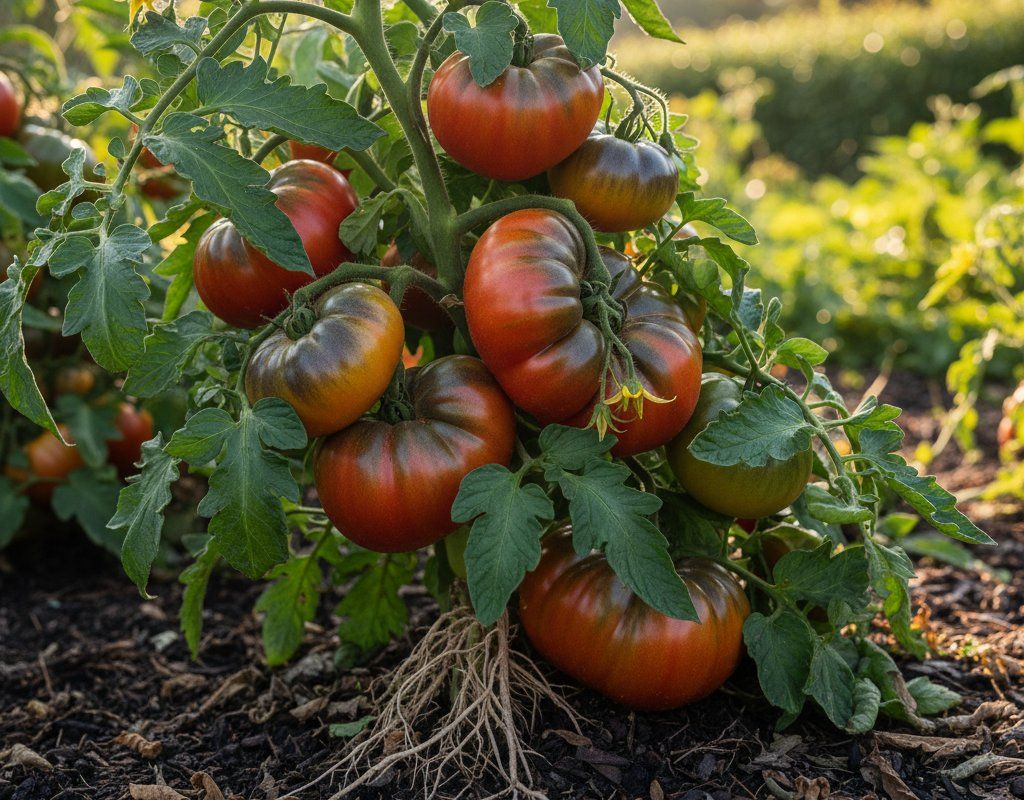
Heirloom Tomatoes in Zone 3B — Great Plains
Solanum lycopersicum · Your Complete 2026 Planting Guide
Planning Ahead — Great!
You’re ahead of the season. Here’s when to start.
Mark Your Calendar
How to Plant Heirloom Tomatoes in Zone 3B — Great Plains
Here are all your options for getting heirloom tomatoes in the ground, from the easiest method to more advanced approaches.
Start Seeds Indoors
RecommendedMid April through early May
around April 22
Then transplant: Early to mid June
Start seeds 6-8 weeks before transplanting outdoors.
Buy Starts
Works WellEarly to mid June
around June 3
Plant purchased starts after last frost (May 20).
Direct Sow Seeds
ChallengingDirect sowing is not typical for Heirloom Tomatoes.
Transplant Outdoors
Timing InfoEarly to mid June
around June 3
Wait until nighttime temperatures stay above 50°F.
Plan to transplant within a few weeks of your target date.
Overview
Heirloom tomatoes bring unmatched flavor and character to your Great Plains garden, with varieties that have been passed down through generations of gardeners. In our region's intense prairie sunshine and fertile soil, these open-pollinated treasures develop deep, complex flavors that make store-bought tomatoes taste like cardboard. You'll discover varieties with incredible diversity — from Cherokee Purples to Brandywines — each offering unique tastes, colors, and textures that hybrids simply can't match.
While our 118-day growing season and extreme weather swings present challenges for these tender plants, proper timing makes heirloom tomatoes absolutely doable in Zone 3B. Starting seeds indoors during our variable spring and transplanting after the last frost gives you the full season these slower-maturing varieties need. With wind protection and consistent watering, you'll be harvesting exceptional tomatoes by late summer.
Starting Seeds Indoors
Start your heirloom tomato seeds indoors from mid-April through early May, about six weeks before you plan to transplant outdoors. Our variable spring weather makes indoor starting essential — you can't risk direct seeding these tender plants in the Plains. Set up seed trays in a warm spot (70-75°F) with good light, either from a south-facing window or grow lights.
Plant seeds about ¼ inch deep in quality seed-starting mix, keeping the soil consistently moist but not waterlogged. Bottom watering works best for tomato seedlings — set your seed trays in shallow pans of water and let the soil absorb moisture from below. This prevents damping-off and keeps the delicate stems from getting knocked around.
Once seedlings emerge and develop their first true leaves, transplant them into individual 3-4 inch pots. Keep them in bright light and gradually reduce watering frequency while increasing the amount each time — this encourages strong root development that'll serve them well in our windy, dry conditions.
Transplanting Outdoors
Transplant your heirloom tomatoes outdoors from early to mid-June, after all danger of frost has passed and soil has warmed consistently. In the Plains, this timing is crucial since late frosts can wipe out entire crops, and our extreme temperature swings mean waiting for truly stable conditions.
Harden off your seedlings for a full week before transplanting by gradually exposing them to outdoor conditions. Start with an hour of morning sun, then increase exposure daily while bringing them in if strong winds or temperature drops threaten. This process is especially important here since our spring weather can shift dramatically overnight.
Space plants 36-48 inches apart to ensure good air circulation — essential in our region where disease pressure builds quickly in humid conditions. Choose a sunny, protected location with some wind protection from structures or taller plants. The wider spacing also gives you room to work around your supports and makes harvesting easier when these indeterminate varieties reach full size.
Watering Heirloom Tomatoes in Zone 3B (Great Plains)
Heirloom tomatoes need consistent, deep watering throughout our hot Plains summers, requiring about 1-2 inches per week including rainfall. With our variable precipitation patterns and typical 93°F summer highs, you'll need to supplement natural rainfall most weeks. These varieties are particularly sensitive to moisture fluctuations and will crack badly if you let them dry out then flood them.
Check soil moisture by sticking your finger 2 inches deep near the base of each plant. If it's dry at that depth, it's time to water deeply. Water at the base of plants rather than overhead — while our low-to-moderate humidity reduces fungal disease risk compared to more humid regions, wet foliage still invites problems that heirlooms are prone to.
During our intense summer heat, you'll likely need to water every 2-3 days, applying enough to soak 6-8 inches deep. Early morning watering works best, giving plants time to absorb moisture before the day's heat hits. Signs of underwatering include wilting during hot afternoons and blossom end rot on developing fruit. Overwatering shows up as yellowing lower leaves and splitting fruit after heavy watering sessions.
Apply 2-3 inches of organic mulch around each plant to conserve moisture and moderate soil temperature swings. In our windy conditions, use heavier materials like chopped straw or grass clippings that won't blow away, keeping mulch a few inches away from the stem to prevent pest problems.
Supporting Your Heirloom Tomatoes
Install sturdy cages or stakes at planting time since most heirloom varieties are vigorous indeterminates that can easily reach 6-8 feet tall in our fertile prairie soil. Use heavy-duty tomato cages at least 5 feet tall, or drive 6-8 foot stakes deep into the ground. Heirlooms produce heavy, irregularly shaped fruit that puts extra stress on branches, so your support system needs to handle more weight than typical hybrid varieties.
Wind protection is absolutely essential in the Plains — even well-supported plants can suffer broken branches in our frequent strong winds. Position cages or stakes on the windward side of prevailing winds, or create windbreaks using taller plants, fencing, or row covers during particularly windy periods.
As plants grow, tie main stems loosely to supports using soft materials like fabric strips or tomato ties. Check ties regularly since these vigorous varieties can outgrow their supports quickly during our intense summer growing conditions. Train major branches within the cage structure and tie up heavy fruit clusters before they can snap under their own weight.
Pruning & Maintaining Heirloom Tomatoes
Remove suckers (shoots growing between the main stem and branches) regularly to keep your heirloom tomatoes manageable and improve air circulation. This is particularly important with heirlooms since they're more disease-susceptible than hybrids, and good airflow helps prevent fungal problems in our variable humidity conditions.
Pinch out suckers when they're small and soft, focusing on those in the lower third of the plant. Leave some suckers on upper portions to maintain good leaf coverage — our intense Plains sunshine can scald exposed fruit. Remove any leaves touching the ground and thin crowded areas where branches cross or rub against each other.
As first frost approaches in mid-September, top your plants by pinching out growing tips in late August. This redirects energy into ripening existing fruit rather than producing new blossoms that won't have time to mature. Remove any diseased or yellowing foliage throughout the season, but leave healthy leaves that shade and feed developing fruit.
🧪Fertilizing Heirloom Tomatoes
Feeding Schedule
Organic Fertilizer Options
Harvest Time
Your first heirloom tomatoes will be ready from late August through mid-September, about 80 days from transplanting. Unlike hybrids, heirlooms show ripeness through variety-specific color changes and a slight softening rather than uniform redness. Many varieties maintain green shoulders or develop unique color patterns, so learn your specific variety's appearance when ripe.
Test ripeness by gentle pressure — ripe heirlooms yield slightly and detach easily from the vine with a gentle twist. Don't wait for perfect softness since overripe heirlooms split easily and attract insects. Harvest in the morning when fruits are cool and firm, handling these often-delicate varieties carefully to avoid bruising.
Continue harvesting every 2-3 days through September to encourage continued production. As nights start cooling in late August, pick tomatoes showing the first blush of color and let them finish ripening indoors on a sunny windowsill. This extends your harvest window and protects developing fruit from our early autumn temperature swings.
When the first frost threatens in mid-September, harvest all remaining fruit regardless of size. Green tomatoes can ripen indoors over several weeks if stored in a cool, dark place with good air circulation. Wrap individual green tomatoes in newspaper or place them in paper bags to speed ripening.
Common Problems in Zone 3B (Great Plains)
Cracking appears as splits in the tomato skin, either in concentric circles around the stem or radiating lines from the stem end. The exposed flesh quickly attracts insects and develops rot, ruining otherwise perfect fruit. This happens when heavy watering or sudden rainfall follows a dry period — the fruit absorbs water faster than the skin can expand. Combat cracking by maintaining consistent soil moisture through our variable rainfall patterns. Mulch heavily and water deeply but less frequently rather than light, frequent watering.
Disease susceptibility shows up as various leaf spots, wilting, and fruit problems throughout the season. Heirlooms lack the disease resistance genes bred into modern hybrids, making them vulnerable to both fungal and bacterial diseases. Early blight appears as brown spots with target-like rings on lower leaves, while late blight causes dark, water-soaked patches that spread rapidly. Prevent problems by spacing plants widely for air circulation, watering at soil level rather than overhead, and applying preventative fungicide during humid periods. Remove affected foliage immediately and consider rotating your tomato planting area each year.
Lower yields compared to hybrid varieties is normal for heirlooms — they're bred for flavor and character rather than production efficiency. These varieties typically produce fewer but larger, more flavorful fruits over a longer season. Accept this trade-off as part of growing heirlooms, and plant a few extra plants if you need higher total production. Focus on varieties known for reasonable productivity in short seasons.
Irregular shapes include unusual bumps, ridges, shoulders, and uneven development that can make slicing difficult. This is actually characteristic of many beloved heirloom varieties — their irregular appearance often correlates with superior flavor. Cool temperatures during fruit set can worsen irregular development, but this improves as summer progresses. Embrace the character of oddly shaped tomatoes since they often taste better than perfect-looking hybrids.
Great Plains Specific Challenges: Our region's extreme temperature swings and intense heat stress heirloom tomatoes more than hardier hybrids. Sudden hailstorms can devastate these tender plants, while our frequent winds increase water stress and can break loaded branches. The combination of hot days and variable rainfall creates perfect conditions for the moisture swings that cause cracking in susceptible varieties.
Best Companions for Heirloom Tomatoes
Plant these nearby for healthier Heirloom Tomatoes and better harvests.
View Full Companion Planting Chart →



Companion Planting Details
Plant basil near your heirloom tomatoes — it naturally repels aphids and whiteflies while thriving in the same warm, sunny conditions. Carrots work well as understory plants since their deep taproots don't compete with tomato roots, and parsley attracts beneficial insects that prey on tomato pests. Marigolds planted around the perimeter help deter nematodes and add color while tolerating our intense Plains sunshine.
Avoid planting brassicas like cabbage or broccoli near tomatoes since they compete for nutrients and can harbor diseases that affect both plant families. Keep fennel away from tomatoes as it can stunt their growth, and avoid corn since it attracts armyworms that also target tomatoes. In our windy conditions, also consider the mature height of companion plants — you don't want them shading your sun-loving tomatoes or creating wind tunnels that increase moisture stress.
🌸Best Flowers to Plant with Heirloom Tomatoes
These flowers protect your Heirloom Tomatoes from pests and attract pollinators for better harvests.
For Pest Control

Get a Reminder When It's Time to Plant
We'll email you when key planting windows open for your zone.