
Basil in Zone 3B — Great Plains
Ocimum basilicum · Your Complete 2026 Planting Guide
Planning Ahead — Great!
You’re ahead of the season. Here’s when to start.
Mark Your Calendar
How to Plant Basil in Zone 3B — Great Plains
Here are all your options for getting basil in the ground, from the easiest method to more advanced approaches.
Direct Sow Seeds
RecommendedEarly June through early August
around June 3
Consider succession planting every 2-3 weeks for continuous harvest.
Can direct sow after soil is warm, but indoor start gives earlier harvest.
Start Seeds Indoors
RecommendedMid April through early May
around April 22
Then transplant: Early June through mid July
Start seeds 6-8 weeks before transplanting outdoors.
Buy Starts
Works WellEarly June through mid July
around June 3
Plant purchased starts after last frost (May 20).
Basil starts are widely available and inexpensive.
Transplant Outdoors
Timing InfoEarly June through mid July
around June 3
Wait until nighttime temperatures stay above 50°F.
You have a nice window — no need to rush.
Overview
Basil brings the flavor of summer to your Great Plains garden like nothing else can. In our region's intense sunshine and fertile prairie soil, basil develops incredibly aromatic oils that put store-bought herbs to shame. Whether you're growing classic sweet basil for caprese salads or purple ruffles for stunning flower arrangements, this tender annual thrives in our hot summers and rewards you with continuous harvests all season long.
Our 118-day growing season and extreme temperature swings mean timing is everything with basil. But don't let our variable spring weather discourage you — once our soil warms up in early June, basil absolutely loves the Plains heat and low humidity. With proper timing and a little wind protection, you'll have more fresh basil than you know what to do with.
Starting Seeds Indoors
Starting basil indoors makes sense if you want an earlier harvest or live in the northern Plains where our growing season runs tight. Sow seeds in seed trays from mid-April through early May, about six weeks before you plan to transplant outdoors. Basil seeds need warmth to germinate well — keep them at 70-75°F on top of the refrigerator or with a heat mat.
Once seedlings emerge, they need strong light and consistent moisture. Bottom watering works best to prevent damping off — set your seed trays in shallow water and let the soil soak it up from below. Our variable spring weather means indoor starting gives you insurance against late cold snaps.
Keep seedlings warm and gradually introduce them to outdoor conditions starting in late May. The extra effort pays off with basil ready to harvest by early July instead of waiting until August with direct sowing.
Transplanting Outdoors
Transplant your basil seedlings outdoors from early June through mid-July, once nighttime temperatures stay consistently above 50°F. Our Plains nights can still drop unexpectedly in early June, so watch the forecast carefully. Basil is extremely cold-sensitive and even a brief chill will set plants back for weeks.
Harden off seedlings gradually over a week — start with just an hour outdoors in a protected spot, increasing exposure daily. Space plants 12-18 inches apart to give them room to bush out and ensure good air circulation. This spacing also helps them withstand our constant Plains winds without competing for resources.
Plant nursery starts work just as well as homegrown seedlings and are widely available and inexpensive. Choose sturdy, green plants without flowers — flowering basil has already started focusing energy away from leaf production.
Direct Sowing
Direct sowing basil works well in the Plains from early June through early August, once soil temperatures reach 60°F consistently. This method saves you the indoor starting hassle, but you'll get your first harvest about a month later than transplanted seedlings. Wait until after our last frost danger passes in mid-May, then wait another 2-3 weeks for soil to warm.
Prepare your planting area by working compost into the prairie soil and creating a smooth seedbed. Sow seeds ¼ inch deep and space them 12-18 inches apart, or plant more thickly and thin later. Keep the soil consistently moist until germination, which takes 7-10 days in warm conditions.
Direct-sown basil often grows more robust root systems since they're never disturbed, making them better at handling our drought conditions once established. Just remember that late-sown basil in August will have less time to mature before our first frost in mid-September.
Watering Basil in Zone 3B (Great Plains)
Basil needs consistent moisture but absolutely hates waterlogged soil — a tricky balance in our variable Plains rainfall. During our hot summers with typical highs around 93°F and low-to-moderate humidity, plan on providing about 1 inch of water per week. Check soil moisture with the finger test: stick your finger 2 inches deep, and if it's dry, it's time to water.
Water deeply at the base of plants rather than overhead, especially during our humid spells. Basil leaves are prone to fungal problems when they stay wet, and our occasional high humidity combined with warm nights creates perfect disease conditions. Room temperature water is essential — cold water shocks basil roots and causes immediate wilting even in moist soil.
Watch for dramatic wilting as your first sign of thirst. Basil puts on quite a show when it needs water, with leaves drooping completely flat, but it recovers remarkably fast once watered. Overwatering shows up as yellowing lower leaves and slow growth — our clay-rich prairie soils hold water longer than basil prefers.
A 2-inch layer of straw mulch helps maintain consistent soil moisture and keeps roots cool during our intense summer heat. Pull mulch back slightly from plant stems to prevent pest hiding spots and allow air circulation around the base.
Pruning & Maintaining Basil
Pinch off flower buds the moment you see them forming — flowering immediately makes basil leaves bitter and reduces production. Look for small spikes forming at the growing tips, usually starting when plants are 6-8 inches tall. Regular pinching keeps plants bushy and productive instead of tall and sparse.
Always harvest from the top by cutting just above a pair of leaves. This encourages branching and gives you more productive stems. Never take more than one-third of the plant at once, especially during our intense summer heat when plants need leaves for shade and cooling.
As our first frost approaches in mid-September, you can harvest more aggressively since the plant won't survive anyway. Consider making a final big harvest for pesto or drying just before the first freeze warning.
🧪Fertilizing Basil
Feeding Schedule
Organic Fertilizer Options
Harvest Time
Your first basil harvest starts from early July through mid-September, depending on when you planted. With our 30-day maturity time, direct-sown June basil is ready in July, while indoor-started plants can be harvested even earlier. Look for plants with at least 3-4 sets of true leaves before taking your first cutting.
Cut stems just above a pair of leaves, never just picking individual leaves. This pruning method encourages branching and more productive growth. The best harvest time is mid-morning after dew dries but before the day's heat starts — leaves have maximum oil content and won't wilt as quickly.
Basil produces continuously until our first frost, typically in mid-September. Regular harvesting actually increases production, so don't be shy about cutting stems for dinner. During our hottest weeks in July and August, harvest every few days to keep plants from bolting to seed.
As September approaches and nighttime temperatures start dropping into the 40s, begin your final harvest push. Cut entire plants and process into pesto, or hang bundles in a dry, airy spot for winter herb storage. Even a light frost will turn basil black overnight, so stay ahead of the weather forecast.
Common Problems in Zone 3B (Great Plains)
Downy Mildew Yellow patches appear on leaf tops with fuzzy gray-purple growth on the undersides. Leaves turn brown and die from the bottom up, often during our cooler, humid mornings in late summer. This oomycete pathogen spreads through wind-carried spores and thrives when humidity stays high overnight. Remove affected leaves immediately and improve air circulation around plants. Water only at the base, never overhead, and consider copper-based fungicides for prevention if this becomes a recurring problem.
Fusarium Wilt Plants wilt on one side first, then the wilting spreads across the entire plant. Yellow leaves start on one side, and if you cut the stem open, you'll see brown streaks inside. This soil-borne fungus persists for years and enters through roots, especially in our warm prairie soils. There's no cure once infected — remove and destroy the entire plant. Plant resistant varieties marked with 'F' on seed packets, rotate your basil to different garden areas each year, and maintain soil pH above 6.5.
Aphids Tiny soft-bodied insects cluster on stems and leaf undersides, leaving sticky honeydew residue and causing new growth to curl. These sap-suckers multiply rapidly during our hot Plains summers, and ant colonies often farm them. Knock them off with a strong water spray from the hose, or use insecticidal soap for heavy infestations. Encourage natural predators like ladybugs and lacewings. Avoid excess nitrogen fertilizer, which makes plants more attractive to aphids.
Great Plains Specific Challenges: Our intense summer heat and low-to-moderate humidity actually help basil thrive compared to more humid regions, but watch for stress during extreme temperature swings. Wind protection is essential for young plants, and our variable rainfall means you'll need to monitor soil moisture carefully rather than relying on natural precipitation.
Best Companions for Basil
Plant these nearby for healthier Basil and better harvests.
Keep Away From
Companion Planting Details
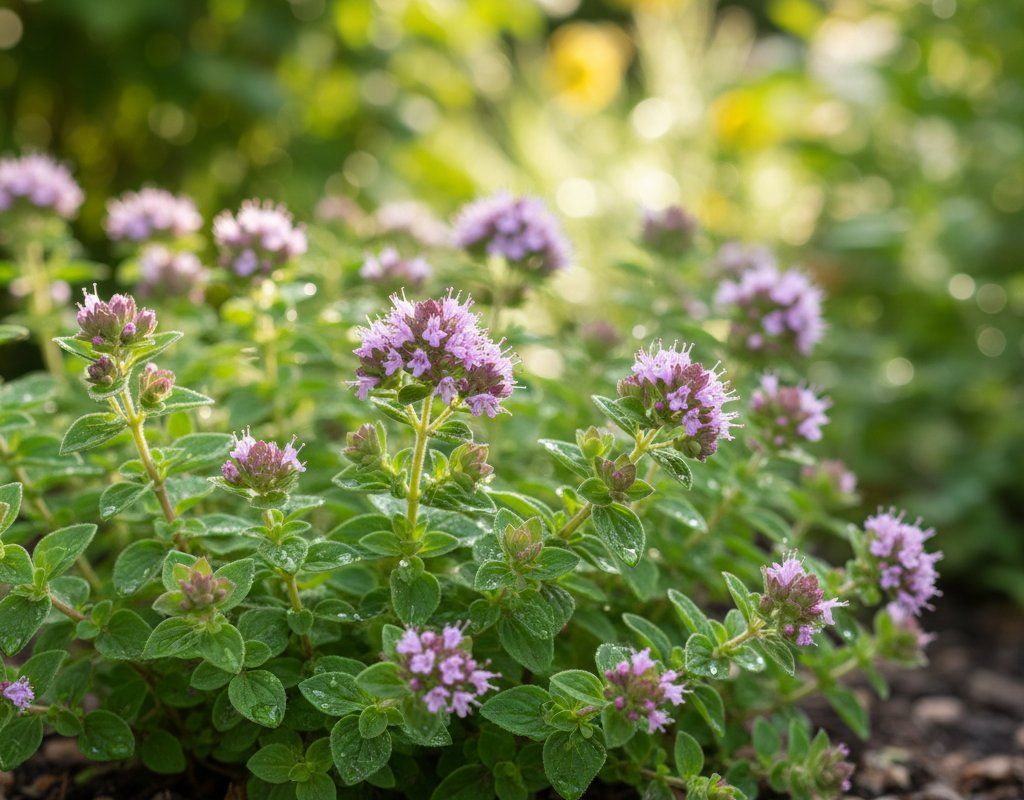
Plant basil near tomatoes and peppers — this classic combination works especially well in our Plains heat. Basil's aromatic oils may help repel pests from both crops, and they all appreciate similar warm growing conditions and consistent watering. The combination also makes practical sense since they're often used together in cooking. Oregano makes another excellent neighbor, sharing similar growing requirements and creating a Mediterranean herb section in your garden.
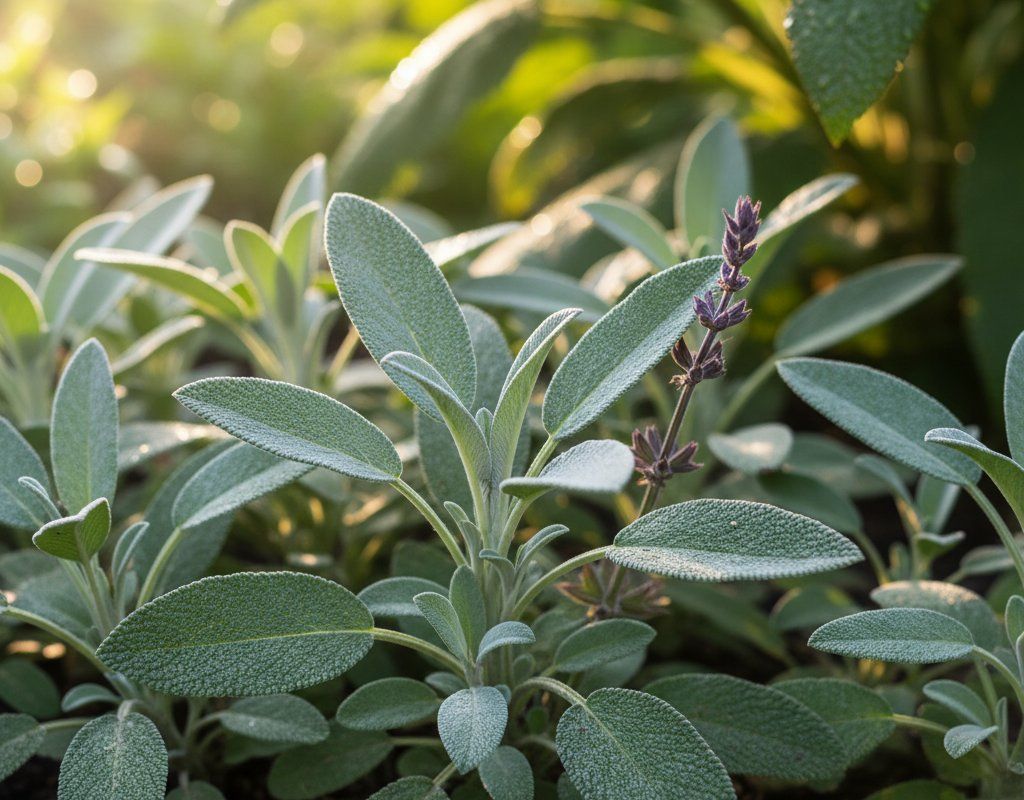
Avoid planting basil near sage or rue, which can inhibit basil's growth through allelopathic compounds. These stronger herbs can overwhelm basil's more delicate root system, especially when competing for water during our drought periods. Give basil its own space with wind protection, and you'll be rewarded with the most aromatic herbs your Plains garden can produce.
🌸Best Flowers to Plant with Basil
These flowers protect your Basil from pests and attract pollinators for better harvests.
For Pest Control




Get a Reminder When It's Time to Plant
We'll email you when key planting windows open for your zone.