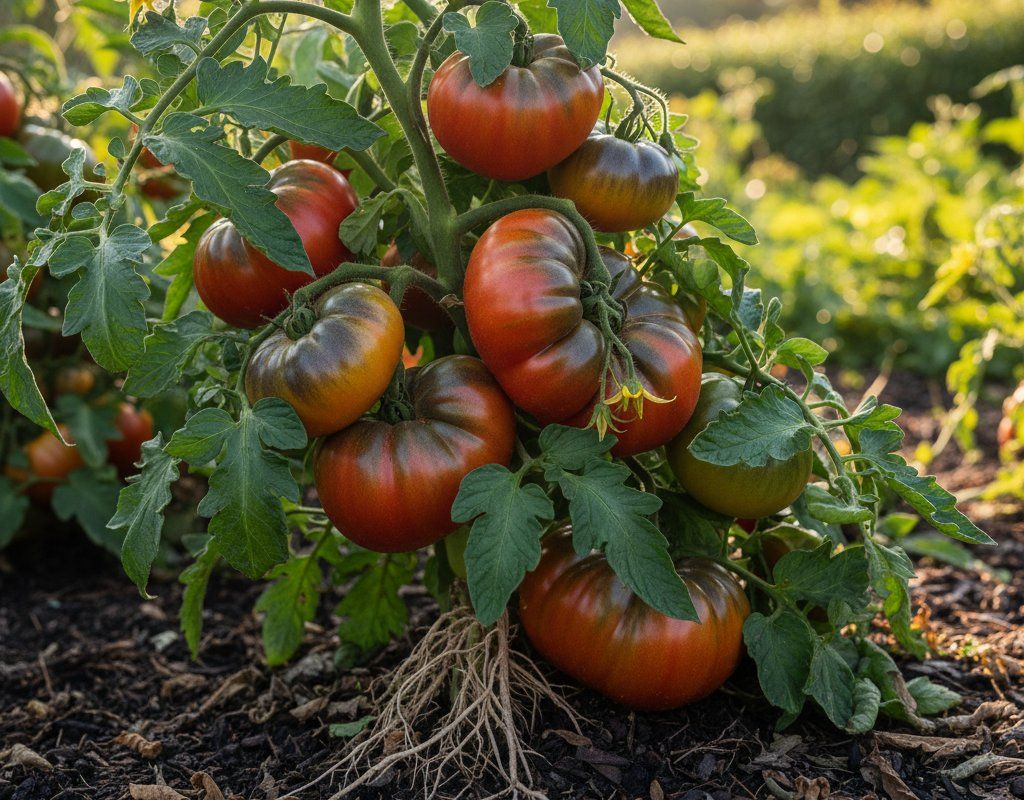
Heirloom Tomatoes in Zone 4B — Great Plains
Solanum lycopersicum · Your Complete 2026 Planting Guide
Planning Ahead — Great!
You’re ahead of the season. Here’s when to start.
Mark Your Calendar
How to Plant Heirloom Tomatoes in Zone 4B — Great Plains
Here are all your options for getting heirloom tomatoes in the ground, from the easiest method to more advanced approaches.
Start Seeds Indoors
RecommendedLate March through late April
around April 7
Then transplant: Mid May through mid June
Start seeds 6-8 weeks before transplanting outdoors.
Buy Starts
Works WellMid May through mid June
around May 19
Plant purchased starts after last frost (May 5).
Direct Sow Seeds
ChallengingDirect sowing is not typical for Heirloom Tomatoes.
Transplant Outdoors
Timing InfoMid May through mid June
around May 19
Wait until nighttime temperatures stay above 50°F.
You have a nice window — no need to rush.
Overview
Growing heirloom tomatoes in Zone 4B across the Great Plains delivers unmatched flavor that makes our short season worth every effort. These varieties offer complex tastes you'll never find in store-bought tomatoes, from sweet cherry types to meaty slicers perfect for our prairie summer meals. The intense sunshine here develops exceptional flavor in heirlooms, while our fertile prairie soils provide the nutrients these heavy feeders crave.
Our 149-day growing season requires careful timing, but don't let that intimidate you. Starting seeds indoors gives you a significant head start against our variable spring weather and ensures fruit ripens before our first frost in early October. The key is working with our climate patterns rather than against them.
Starting Seeds Indoors
Start your heirloom tomato seeds indoors during late March through late April, about 6 weeks before you plan to transplant outdoors. This timing accounts for our unpredictable Plains spring weather—you want seedlings ready when soil temperatures stabilize, not when calendar dates suggest.
Set up seed trays with quality potting mix in a warm location, ideally 70-75°F for germination. A heat mat helps maintain consistent temperatures despite our variable indoor heating during spring temperature swings. Once seedlings emerge, provide strong light for 14-16 hours daily—a grow light works better than windowsills in our often-cloudy spring weather.
Use bottom watering to prevent damping-off disease, which thrives in the cool, damp conditions common during Plains springs. Water from below by setting seed trays in shallow pans of water, allowing soil to absorb moisture gradually. This method keeps soil surface drier while ensuring roots get adequate moisture.
Transplanting Outdoors
Transplant your heirloom seedlings outdoors from mid-May through mid-June, when soil temperatures consistently reach 60°F and nighttime temperatures stay above 50°F. Don't rush this timing—our notorious late cold snaps can destroy tender plants overnight, and stressed transplants often struggle all season.
Harden off seedlings gradually over a full week by moving them outdoors for increasing periods daily. Start with 2-3 hours in filtered sun, gradually building to full day exposure. This process is critical here because our intense Plains sunshine can shock indoor-grown plants, while sudden temperature drops can stunt growth permanently.
Space plants 36-48 inches apart to accommodate their sprawling growth and improve air circulation. The wider spacing also helps during our windy conditions—crowded plants create wind tunnels that can snap stems or strip leaves. Install support structures at planting time since our frequent storms make retroactive staking difficult.
Watering Heirloom Tomatoes in Zone 4B (Great Plains)
Heirloom tomatoes demand consistent, deep watering throughout our hot Plains summers, requiring about 1.5-2 inches weekly when rainfall doesn't cooperate. Unlike drought-tolerant crops, these plants suffer quickly in our variable precipitation patterns, with uneven moisture causing the fruit cracking that plagues many heirloom varieties.
Check soil moisture using the finger test—stick your finger 2 inches deep near the plant base. If dry at that depth, water deeply until moisture penetrates 6-8 inches down. Our clay-rich prairie soils can appear moist on top while remaining bone dry below, fooling many gardeners into under-watering.
Water at the base rather than overhead to prevent disease issues and reduce water loss to our constant winds. Soaker hoses or drip irrigation work exceptionally well here, delivering water directly to root zones while avoiding wet foliage. During peak summer heat when temperatures hit 93°F or higher, you may need daily watering despite our typically low-to-moderate humidity.
Apply 3-4 inches of organic mulch around plants to maintain soil moisture between waterings and buffer against our extreme temperature swings. Grass clippings, straw, or shredded leaves work well, but keep mulch 2-3 inches away from plant stems to prevent pest harboring and disease issues in our humid microclimates.
Supporting Your Heirloom Tomatoes
Install tall, sturdy cages or stakes at planting time since most heirloom varieties grow indeterminate, reaching 6-8 feet tall with heavy, irregularly shaped fruit that can snap unsupported branches. Choose 6-foot tall cages or 8-foot stakes—the standard 3-foot tomato cages sold everywhere are useless for vigorous heirlooms.
Wind protection becomes essential for tall plants in our exposed Plains location. Position supports on the windward side of plants and consider creating windbreaks with taller companion plants or temporary screening during severe weather warnings. Our sudden storms can topple even well-supported plants when combined with heavy fruit loads.
Train main stems to supports weekly throughout the growing season, using soft ties that won't cut into stems during high winds. Check and adjust ties regularly—our temperature swings cause rapid growth spurts that can make ties too tight quickly, cutting off circulation and weakening plants just when they need maximum strength.
Pruning & Maintaining Heirloom Tomatoes
Remove suckers—the shoots growing between main stems and leaf branches—weekly throughout the growing season to focus plant energy on fruit production rather than excessive foliage. Pinch small suckers with your fingers, but use clean pruners for larger ones to prevent disease transmission between plants.
Strip lower leaves touching the soil as plants mature to improve air circulation and prevent soil-borne diseases from splashing onto foliage during our sporadic heavy rains. Remove yellowing or diseased leaves promptly throughout the season—our low disease pressure means problems spread slowly if caught early.
By late August, pinch growing tips to redirect energy toward ripening existing fruit before our first frost arrives in early October. This "topping" ensures maximum harvest from your short season rather than letting plants waste energy on new growth that won't have time to produce mature fruit.
🧪Fertilizing Heirloom Tomatoes
Feeding Schedule
Organic Fertilizer Options
Harvest Time
Expect your first ripe heirlooms from early August through late September, depending on variety and planting timing. The 80-day maturity countdown starts from transplant date, not seed starting, so factor in your specific timing when planning harvest expectations for meal planning or preserving projects.
Harvest when tomatoes show full color development for their variety—some heirlooms stay green-shouldered even when ripe, while others develop deep, rich colors throughout. Test ripeness by gentle pressure; ripe fruit yields slightly to touch and detaches easily from the vine with a slight upward twist.
Pick regularly to encourage continued production, checking plants every 2-3 days during peak season. Leaving overripe fruit on vines signals the plant to stop producing new flowers, reducing your total harvest significantly. During our hot late-summer periods, harvest slightly underripe fruit and ripen indoors to prevent sun scalding and cracking.
As first frost approaches in early October, harvest all remaining fruit regardless of ripeness. Green tomatoes ripen well indoors when stored in paper bags with a ripe banana or apple, giving you fresh tomatoes well into November despite our short growing season.
Common Problems in Zone 4B (Great Plains)
Fruit Cracking Concentric circles or radial lines splitting tomato skin, often exposing flesh to rot and insect damage. This problem intensifies during our variable Plains weather patterns when heavy rains follow dry periods, causing fruit to absorb water faster than skin can stretch.
What causes it: Our inconsistent rainfall creates the wet-dry cycles that trigger cracking, while certain heirloom varieties are genetically prone to this issue. Temperature swings compound the problem by affecting how quickly plants uptake water.
How to fix it: Maintain consistent soil moisture through regular deep watering and thick mulching. Harvest fruit at first color break to finish ripening indoors during unpredictable weather periods. Choose crack-resistant varieties like 'Mountain Fresh Plus' or 'Iron Lady' for problem areas.
Disease Susceptibility Yellowing leaves, brown spots, or wilting despite adequate moisture, progressing through the plant as the season advances. Heirlooms lack the disease resistance bred into modern hybrids, making them vulnerable to fungal issues that develop during humid periods following our summer storms.
What causes it: High humidity after rain events, combined with poor air circulation, creates ideal conditions for fungal diseases. Our variable weather stresses plants, making them more susceptible to problems.
How to fix it: Space plants wider than recommended to improve airflow, and prune lower branches touching soil. Apply preventative copper fungicide during humid spells, and remove affected leaves immediately to prevent spread.
Lower Yields Fewer tomatoes per plant compared to hybrid varieties, with some plants producing only 10-15 fruits instead of 30-40. This characteristic of heirlooms becomes more pronounced during stressful growing conditions like extreme heat or inconsistent watering.
What causes it: Heirlooms prioritize flavor development over production efficiency. Our hot summers and variable growing conditions can reduce flower set and fruit development compared to more forgiving climates.
How to fix it: Accept that quality trumps quantity with heirlooms. Provide consistent care including regular watering, adequate nutrition, and wind protection to maximize the harvest you do get.
Irregular Fruit Shapes Bumpy, ridged, or oddly shaped tomatoes that look nothing like store varieties. While characteristic of many heirlooms, poor pollination during our windy conditions or temperature extremes can worsen the irregularity.
What causes it: Genetic traits of heirloom varieties, plus environmental stress from our extreme temperature swings during flower and fruit set. Wind can interfere with proper pollination, leading to malformed fruit.
How to fix it: Embrace the unique shapes—they often signal the most flavorful fruit. Provide wind protection during flowering, and maintain consistent growing conditions to minimize stress-induced deformities.
Great Plains Specific Challenges: Our combination of intense heat, variable rainfall, and constant wind creates unique stress on heirloom tomatoes. The low-to-moderate humidity means less disease pressure than eastern regions, but rapid soil moisture loss requires vigilant watering. Plan for fruit protection during hail season and have row covers ready for unexpected temperature drops.
Best Companions for Heirloom Tomatoes
Plant these nearby for healthier Heirloom Tomatoes and better harvests.
View Full Companion Planting Chart →



Companion Planting Details
Plant basil alongside your heirloom tomatoes for natural pest deterrence—it repels aphids and hornworms while improving tomato flavor according to many Plains gardeners. Carrots make excellent companions since their deep taproots don't compete with tomato roots and help break up our sometimes compacted prairie soils. Marigolds planted around tomato beds deter nematodes and add bright color while tolerating our extreme temperature swings better than more delicate flowers.
Avoid planting brassicas like cabbage or broccoli near tomatoes since they're heavy nitrogen feeders that compete directly with tomatoes for nutrients in our fertile but finite prairie soils. Keep fennel away from tomatoes entirely—it releases compounds that stunt tomato growth and can reduce yields significantly. Corn creates problematic microclimates that trap humidity and reduce air circulation, increasing disease pressure despite our normally dry Plains air.
🌸Best Flowers to Plant with Heirloom Tomatoes
These flowers protect your Heirloom Tomatoes from pests and attract pollinators for better harvests.
For Pest Control

Get a Reminder When It's Time to Plant
We'll email you when key planting windows open for your zone.