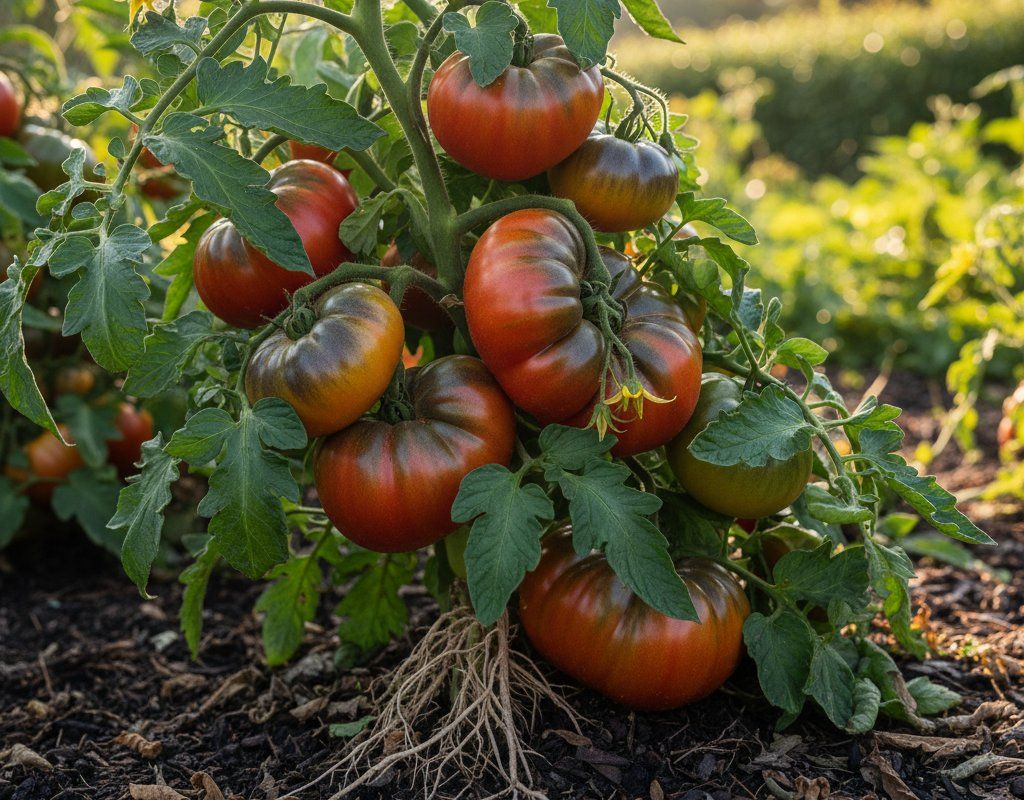
Heirloom Tomatoes in Zone 6A — Mountain West
Solanum lycopersicum · Your Complete 2026 Planting Guide
Planning Ahead — Great!
You’re ahead of the season. Here’s when to start.
Mark Your Calendar
How to Plant Heirloom Tomatoes in Zone 6A — Mountain West
Here are all your options for getting heirloom tomatoes in the ground, from the easiest method to more advanced approaches.
Start Seeds Indoors
RecommendedLate March through mid April
around April 3
Then transplant: Mid May through mid June
Start seeds 6-8 weeks before transplanting outdoors.
Buy Starts
Works WellMid May through mid June
around May 15
Plant purchased starts after last frost (May 1).
Direct Sow Seeds
ChallengingDirect sowing is not typical for Heirloom Tomatoes.
Transplant Outdoors
Timing InfoMid May through mid June
around May 15
Wait until nighttime temperatures stay above 50°F.
You have a nice window — no need to rush.
Overview
Heirloom tomatoes are the crown jewels of Mountain West gardens, offering flavors and colors you'll never find in a grocery store. Our intense high-altitude sun produces incredibly concentrated flavors, while cool nights even in summer keep these beauties firm and sweet. The satisfaction of slicing into a Cherokee Purple or Brandywine that you started from seed makes every effort worthwhile in our challenging climate.
Yes, our short growing season and unpredictable weather can make heirlooms tricky, but with proper timing, these 80-day varieties fit perfectly within our 153-day season. The key is starting seeds indoors well before our late spring arrives and choosing the right varieties for our conditions. Once you master the timing, you'll wonder why you ever bothered with store-bought tomatoes.
Starting Seeds Indoors
Start your heirloom tomato seeds indoors from late March through mid-April, about six weeks before you plan to transplant outside. This timing accounts for our notoriously late spring and gives plants enough time to develop strong root systems before facing Mountain weather. You'll need seed trays, quality potting mix, and either a sunny south window or grow lights.
Keep soil warm (65-75°F) for germination, then move seedlings to slightly cooler conditions once they emerge. Bottom watering works best here in our dry air—it prevents damping off and keeps soil moisture even without creating humid conditions that invite fungal problems. Our intense UV means you can get away with a simple setup since even indoor light is stronger at altitude.
Once seedlings develop their first true leaves, transplant to individual pots. Keep them in the warmest, brightest spot you have, and resist the urge to move them outside too early. Our spring temperature swings can shock tender plants, so patience pays off with stronger transplants.
Transplanting Outdoors
Plan to transplant your heirloom tomatoes from mid-May through mid-June, after all danger of frost has passed. In the Mountain West, this usually means waiting until soil temperatures consistently stay above 60°F, even during our notoriously cold nights. Don't rush this step—cold-shocked tomatoes never fully recover and will underperform all season.
Harden off plants gradually over a full week, starting with just an hour of morning sun and building up to full days outdoors. Our intense high-altitude UV can sunburn tender leaves in minutes, so increase exposure slowly. Watch for late spring storms that can bring hail or unexpected temperature drops.
Space plants 36-48 inches apart to ensure good air circulation in our dry climate. The wider spacing helps prevent disease issues that heirlooms are prone to, and gives each plant room to spread without competing for our precious water. Dig holes slightly deeper than the root ball and bury part of the stem—this encourages stronger root development in our alkaline soil.
Watering Heirloom Tomatoes in Zone 6A (Mountain West)
Consistent moisture is absolutely critical for heirloom tomatoes in our dry Mountain climate, where humidity rarely tops 30% and annual rainfall barely reaches 10-20 inches. These varieties crack more easily than hybrids when subjected to the wet-dry cycles that happen naturally here. You'll need to water deeply 2-3 times per week during peak summer, providing about 1-2 inches total weekly.
Water at soil level rather than overhead—our low humidity means foliage dries quickly, but wet leaves still invite disease problems that heirlooms are susceptible to. The finger test works perfectly in our sandy, well-draining soil: stick your finger 2 inches down, and if it's dry, it's time to water. During our moderate summer temperatures (typically peaking around 85°F), plants need less water than in hotter climates but more than our natural rainfall provides.
Watch for signs of stress in our intense sun and dry air. Underwatered plants show wilting during the heat of the day even when soil feels moist—this means roots can't keep up with our rapid evaporation rates. Overwatering shows as yellowing lower leaves and sluggish growth. Mulch heavily with straw or grass clippings to maintain even soil moisture and reduce watering frequency.
During fruit development, maintain especially consistent moisture to prevent the fruit cracking that ruins so many beautiful heirlooms. Our afternoon thunderstorms can dump an inch in minutes after weeks of dry weather—exactly the condition that causes prize tomatoes to split wide open.
Supporting Your Heirloom Tomatoes
Install strong cages or stakes at planting time since most heirloom varieties are indeterminate and will grow 6-8 feet tall in our intense Mountain sun. The irregular, often heavy fruits these plants produce need substantial support—a flimsy tomato cage will collapse under the weight of a few large Brandywines. Use 6-foot tall cages made from concrete reinforcing wire, or drive 8-foot stakes deep into the ground.
Our afternoon winds can be fierce at altitude, so secure supports well. Tie plants loosely with soft materials like old t-shirts or tomato tape, allowing for stem growth throughout the season. Check ties regularly as plants put on rapid growth during our short but intense summer.
Train main stems upward and secure major branches that develop heavy fruit clusters. The goal is keeping fruit off the ground where it's vulnerable to pests and soil-borne diseases, while maintaining good air circulation through the plant—especially important for disease-prone heirloom varieties.
Pruning & Maintaining Heirloom Tomatoes
Remove suckers (shoots growing between main stem and branches) regularly throughout the growing season to keep plants manageable and improve air circulation. This is especially important for heirlooms since they're more susceptible to fungal diseases than modern hybrids. Pinch small suckers with your fingers or use clean pruners for larger ones.
Prune lower branches that touch the ground and any yellowing or diseased foliage promptly. Our dry climate helps prevent disease spread, but heirlooms still benefit from good airflow and clean growing conditions. Remove leaves below the first fruit cluster once plants are established and fruiting well.
As first frost approaches in early October, pinch growing tips to direct plant energy into ripening existing fruit rather than producing new flowers. About a month before expected frost, stop removing suckers and reduce watering slightly to encourage remaining tomatoes to ripen. This end-of-season strategy helps you get the most from your short Mountain growing season.
🧪Fertilizing Heirloom Tomatoes
Feeding Schedule
Organic Fertilizer Options
Harvest Time
Expect your first ripe heirloom tomatoes from early August through late September, depending on variety and when you transplanted. The 80-day maturity window starts counting from transplant, not from seed starting. Our intense high-altitude sun helps fruits ripen quickly once they begin changing color.
Heirloom tomatoes show ripeness differently than store varieties—look for the background color to change from green to the variety's mature color, slight softening when gently squeezed, and easy detachment from the vine with a gentle twist. Many heirlooms stay green around the shoulders even when ripe, so don't wait for complete color change. The stem end should smell sweet and fruity.
Harvest regularly to encourage continued production through our short season. Pick fruits at the "breaker" stage (just starting to show color) if rain or hail threatens—they'll ripen perfectly indoors on a sunny windowsill. This also works well as first frost approaches in early October, allowing you to save dozens of green tomatoes that would otherwise be lost.
Handle these tender-skinned beauties gently to avoid bruising. Unlike hybrids, heirloom fruits continue ripening and developing flavor after harvest, so don't worry if you pick them slightly early. Store ripe tomatoes at room temperature and use within a few days for best flavor—never refrigerate unless you want to kill that incredible taste you worked so hard to achieve.
Common Problems in Zone 6A (Mountain West)
Fruit Cracking Concentric circles or radial splits appear on ripening fruit, often exposing flesh to rot and insects. This happens when fruit absorbs water faster than the skin can expand, typically after heavy watering or our sudden afternoon thunderstorms following dry periods. Our dry climate makes this worse since soil moisture swings are more extreme. Maintain consistent soil moisture with regular deep watering and thick mulch. Harvest fruits at first blush of color rather than waiting for full ripeness on the vine.
Disease Susceptibility Yellowing leaves, brown spots, wilting, or fuzzy growth appear on foliage throughout the season. Heirloom varieties lack the disease resistance bred into modern hybrids, making them vulnerable to fungal and bacterial problems. While our low humidity helps, poor air circulation and overhead watering can still cause issues. Space plants wider than recommended, prune suckers regularly, and water at soil level only. Remove affected foliage immediately and consider organic fungicide sprays during humid periods.
Lower Yields Plants produce fewer fruits than expected, with long gaps between harvests. Many heirloom varieties naturally produce less than hybrids, focusing energy on flavor rather than quantity. Our short season also limits production potential. Choose early-maturing heirloom varieties (70-80 days) and start seeds early to maximize harvest window. Accept that you're growing for quality over quantity—one perfect Cherokee Purple beats a dozen flavorless supermarket tomatoes.
Irregular Fruit Shapes Tomatoes develop unusual bumps, ridges, or lopsided growth instead of smooth, round shapes. This is actually normal for many heirloom varieties—it's part of their character and doesn't affect flavor. Cool nights during fruit set (common in our Mountain climate) can also cause irregular development. Embrace the uniqueness—these "ugly" tomatoes often have the most incredible flavors. If appearance matters for slicing, choose naturally uniform varieties like Cherokee Purple or Early Girl.
Mountain West Specific Challenges Our intense UV can sunscald fruits, especially during heat waves, so provide afternoon shade if needed. Hail storms can devastate tender plants in minutes—consider row covers during storm season. The combination of our dry air and alkaline soil means plants need consistent watering and may benefit from acidifying amendments like sulfur or pine needles worked into planting holes.
Best Companions for Heirloom Tomatoes
Plant these nearby for healthier Heirloom Tomatoes and better harvests.
View Full Companion Planting Chart →



Companion Planting Details
Plant basil nearby for both culinary convenience and practical benefits—it helps repel aphids and hornworms while thriving in the same warm, sunny conditions your tomatoes love. Carrots make excellent companions since their deep taproots don't compete with tomato roots, and they help break up our often-compacted clay soils. Marigolds planted around the tomato bed deter nematodes and other soil pests while adding bright color that attracts beneficial insects.
Avoid planting brassicas like cabbage or broccoli near tomatoes since they compete for similar nutrients and can harbor diseases that affect both plant families. Keep fennel away from the tomato patch—it releases compounds that can inhibit tomato growth. Corn isn't a great companion either since both crops are heavy feeders that will compete for nutrients in our often-thin Mountain soils, plus corn attracts hornworms that also love tomatoes.
🌸Best Flowers to Plant with Heirloom Tomatoes
These flowers protect your Heirloom Tomatoes from pests and attract pollinators for better harvests.
For Pest Control

Get a Reminder When It's Time to Plant
We'll email you when key planting windows open for your zone.