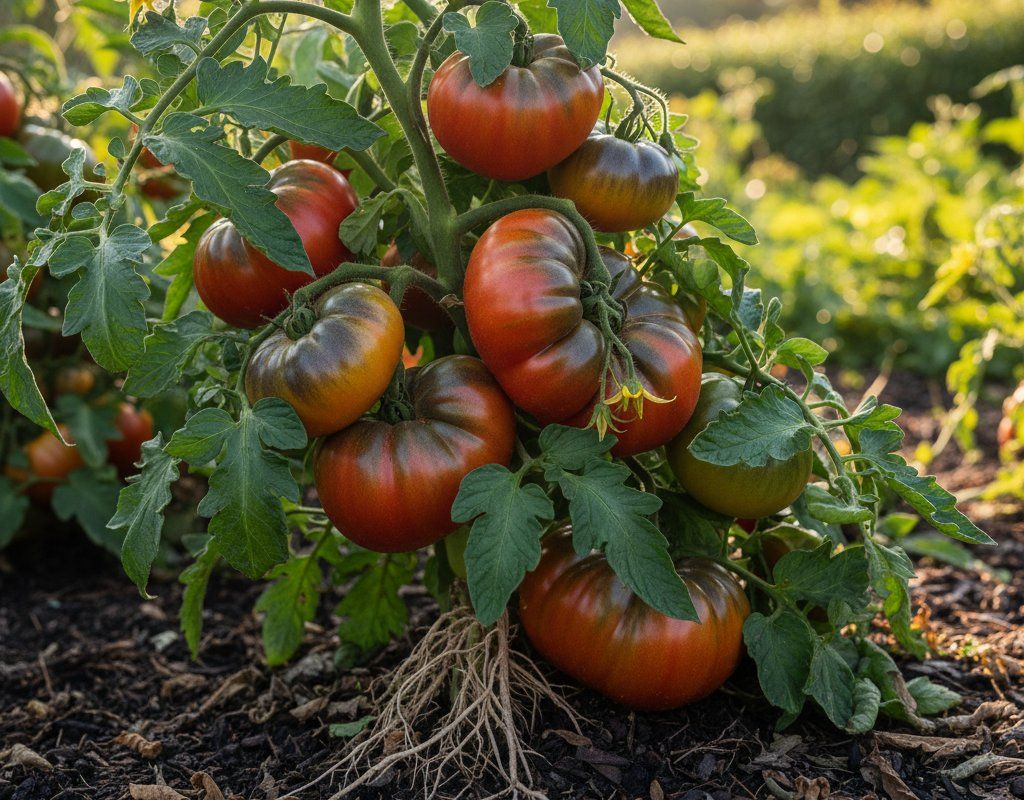
Heirloom Tomatoes in Zone 6A — Southeast
Solanum lycopersicum · Your Complete 2026 Planting Guide
Planning Ahead — Great!
You’re ahead of the season. Here’s when to start.
Mark Your Calendar
How to Plant Heirloom Tomatoes in Zone 6A — Southeast
Here are all your options for getting heirloom tomatoes in the ground, from the easiest method to more advanced approaches.
Start Seeds Indoors
RecommendedEarly to late March
around March 13
Then transplant: Late April through late May
Start seeds 6-8 weeks before transplanting outdoors.
Buy Starts
Works WellLate April through late May
around April 24
Plant purchased starts after last frost (April 10).
Direct Sow Seeds
ChallengingDirect sowing is not typical for Heirloom Tomatoes.
Transplant Outdoors
Timing InfoLate April through late May
around April 24
Wait until nighttime temperatures stay above 50°F.
You have a nice window — no need to rush.
Overview
Heirloom tomatoes offer something no grocery store variety can match — complex, rich flavors that range from sweet and fruity to deep and smoky. In our Zone 6A Southeast climate, you get nearly 200 days of growing season to nurture these treasures from seed to harvest. The hot, humid summers that challenge other crops actually work in your favor here, giving these heat-loving plants the long, warm season they crave.
Our Southeast climate does present some hurdles — the humidity creates disease pressure, and those afternoon thunderstorms can complicate watering schedules. But with proper timing and a few regional adjustments, you can grow tomatoes that put store-bought varieties to shame. That 198-day growing season gives you plenty of time to start seeds indoors, transplant after the last frost, and harvest through multiple flushes before October's first frost arrives.
Starting Seeds Indoors
Start your heirloom tomato seeds indoors during early to late March, about 6 weeks before you plan to transplant outdoors. Our moderate spring weather gives you flexibility in timing — you're not racing against extreme heat or late freezes like gardeners in other regions. Use seed starting trays filled with quality seed starting mix, and keep the soil temperature around 70-75°F for best germination.
Place your trays in a warm spot and provide strong light once seedlings emerge — a sunny south window or grow lights work well. Bottom watering is your best friend here; fill a tray with water and let the soil absorb moisture from below rather than watering from above. This prevents fungal issues that our humid climate can encourage, even indoors.
Once seedlings develop their first true leaves, you can transplant them to individual pots. Keep them in that bright, warm spot and water when the top inch of soil feels dry. By late April, you'll have strong, stocky plants ready for hardening off.
Transplanting Outdoors
Plan to transplant your heirloom tomatoes outdoors from late April through late May, once soil temperatures consistently reach 60°F and nighttime temperatures stay above 50°F. Our last frost typically occurs in early April, but those occasional cool snaps in late April can still damage tender plants. Wait for truly stable weather before making the move.
Harden off your seedlings gradually over a week before transplanting. Start with 2-3 hours of filtered outdoor light, then increase exposure daily until they're spending full days outside. This process is crucial in our climate because the jump from indoor conditions to our hot, humid outdoors can shock plants.
Space your plants 36-48 inches apart — wider than you might think necessary, but essential in our humid climate. Good air circulation helps prevent the fungal diseases that thrive in our wet summers. Those afternoon thunderstorms and high humidity make proper spacing one of your best defenses against disease pressure throughout the growing season.
Watering Heirloom Tomatoes in Zone 6A (Southeast)
Heirloom tomatoes need consistent moisture throughout the growing season, but our Southeast climate requires a different approach than drier regions. During spring, you'll likely rely on rainfall and occasional supplemental watering. Once summer heat arrives in June, plan to provide about 1-1.5 inches of water weekly, including rainfall.
The key challenge in our humid climate is avoiding the wet-dry cycles that cause fruit cracking and stress. Use the finger test — stick your finger 2 inches into the soil near the base of the plant. If it's dry at that depth, it's time to water. Our clay soils hold moisture longer than sandy soils, so you may water less frequently but more deeply than gardeners in other regions.
Always water at the base of plants rather than overhead. Wet foliage in our humid climate is an invitation for fungal diseases like early blight and septoria leaf spot. Those afternoon thunderstorms will wet the leaves anyway, so don't add to the problem with overhead watering. A soaker hose or drip irrigation works perfectly for tomatoes.
During our wet summer periods, you might go weeks without needing to water at all. Watch for signs of overwatering — yellowing lower leaves, slow growth, or a musty smell around the base of plants. In heavy clay soil that doesn't drain well, consider raised beds or adding compost to improve drainage. Signs of underwatering include wilting during the hottest part of the day, leaf edges turning brown, and blossom end rot on developing fruit.
Supporting Your Heirloom Tomatoes
Install strong support systems at planting time — most heirloom varieties are indeterminate, meaning they'll grow 6-8 feet tall or more in our long growing season. Heavy-duty tomato cages or sturdy stakes work best, but many gardeners find that heirloom varieties outgrow standard cages by midsummer. Consider 6-foot stakes with soft ties or extra-tall cages designed for indeterminate varieties.
The irregular shapes and hefty size of many heirloom fruits put extra stress on branches, especially when combined with our summer thunderstorms. Wind and rain can snap unsupported branches loaded with heavy tomatoes. Drive stakes at least 18 inches into the ground — our clay soil holds stakes well once they're properly installed.
Train plants by gently tying the main stem to the support every 12-18 inches as they grow. Use soft materials like cloth strips or plant ties rather than wire or string that can cut into stems. Check ties regularly throughout the season and loosen them as stems thicken.
Pruning & Maintaining Heirloom Tomatoes
Remove suckers — the shoots that grow between the main stem and branches — throughout the growing season. This focuses the plant's energy on fruit production and improves air circulation, which is especially important in our humid climate. Pinch off small suckers with your fingers, or use clean pruners for larger ones.
Start removing lower leaves once plants are well established and producing fruit. Remove any foliage that touches the ground or shows signs of disease. Our humid conditions make heirloom tomatoes more susceptible to fungal diseases than hybrids, so aggressive removal of affected leaves helps slow disease spread.
As first frost approaches in late October, you have a choice: continue light pruning to extend the season, or top the plants to direct energy into ripening existing fruit. Topping means removing the growing tip of each main stem, which stops upward growth and speeds fruit ripening. This strategy works well when you want to harvest as much as possible before frost ends the season.
🧪Fertilizing Heirloom Tomatoes
Feeding Schedule
Organic Fertilizer Options
Harvest Time
Expect your first harvest from mid-July through late August, depending on when you transplanted and which varieties you chose. Those 80 days to maturity start counting from transplant date, not seed starting. In our climate, fruit often ripens faster during the hottest part of summer, then production surges again as temperatures moderate in early fall.
Harvest indicators vary significantly among heirloom varieties — some stay green-shouldered even when ripe, while others develop deep, rich colors. Look for slight softness when you gently squeeze the fruit and easy detachment from the vine with a gentle twist. Many heirlooms have their best flavor when picked with just a hint of firmness remaining, then finished ripening on your kitchen counter.
Pick regularly to encourage continued production. Heirloom plants will keep producing until frost if you keep harvesting mature fruit. During peak season, you might harvest every 2-3 days. Check plants daily once fruit starts coloring — our hot weather can accelerate ripening quickly.
As first frost approaches in late October, harvest all fruits that have started to turn color. Green tomatoes can ripen indoors if stored in a warm spot out of direct sunlight. Wrap larger green fruits individually in newspaper and check weekly. Many heirlooms will continue ripening for weeks after harvest, giving you fresh tomatoes well into November.
Common Problems in Zone 6A (Southeast)
Fruit Cracking Concentric or radial splits appear in the tomato skin, often starting at the stem end. These cracks can expose the flesh to rot and ruin otherwise perfect fruit. Our Southeast climate creates perfect conditions for cracking when those afternoon thunderstorms dump heavy rain after dry spells. The fruit absorbs water faster than the skin can expand, causing the characteristic splits. Maintain consistent soil moisture through mulching and regular watering. Choose crack-resistant varieties like 'Mountain Fresh Plus' or 'Iron Lady' for problem areas.
Disease Susceptibility Yellowing leaves, brown spots, or fuzzy growth appear on foliage and stems throughout the season. Heirloom varieties lack the disease resistance bred into modern hybrids, making them sitting ducks for our humid climate's fungal problems. Early blight, septoria leaf spot, and late blight all thrive in our hot, humid summers. Improve air circulation through wider spacing and aggressive pruning. Apply preventative copper fungicide every 2-3 weeks during humid periods. Rotate tomato family crops to different garden areas each year.
Lower Yields Plants produce fewer tomatoes than expected, often with long gaps between fruit sets. While hybrids are bred for consistent production, heirlooms put energy into flavor development rather than quantity. Hot weather above 90°F can also stop fruit set temporarily. Accept that heirlooms trade quantity for quality — one 'Brandywine' tomato might weigh as much as four grocery store tomatoes. Choose multiple varieties with different maturity dates to extend your harvest window.
Irregular Fruit Shapes Tomatoes develop unusual shapes, bumps, ridges, or uneven coloring that makes them look nothing like store varieties. This is actually normal for many heirloom varieties — 'Black Krim' naturally has irregular shoulders, while 'Cherokee Purple' often shows green shoulders even when ripe. Cool spring weather during fruit set can also cause irregular development. Embrace the character — these "ugly" tomatoes often have the most complex flavors. If appearance matters for gifts or sales, stick to varieties known for uniform fruit like 'Stupice' or 'Black Cherry'.
Southeast Specific Challenges Our combination of heat, humidity, and wet summers creates a perfect storm for tomato problems. Japanese beetles often attack plants in mid-summer, while deer pressure increases as natural food sources dry up. The clay soil many of us deal with can lead to drainage issues during heavy rain periods, and disease pressure remains high from June through September thanks to our humid conditions.
Best Companions for Heirloom Tomatoes
Plant these nearby for healthier Heirloom Tomatoes and better harvests.
View Full Companion Planting Chart →



Companion Planting Details
Plant basil alongside your heirloom tomatoes — it naturally repels aphids and may improve tomato flavor. Carrots make excellent companions because their deep taproots don't compete with tomato surface roots, and they help break up our heavy clay soil. Marigolds planted around the tomato bed deter nematodes and add color, while parsley attracts beneficial insects that prey on tomato hornworms.
Avoid planting brassicas like cabbage or broccoli near tomatoes — they compete for similar nutrients and can stunt each other's growth. Keep fennel and corn away from your tomato patch as well. Fennel inhibits tomato growth through chemical compounds in its roots, while corn can harbor the same hornworms that devastate tomatoes. In our humid climate where disease spreads quickly, you also want to avoid overcrowding the tomato area with too many companions.
🌸Best Flowers to Plant with Heirloom Tomatoes
These flowers protect your Heirloom Tomatoes from pests and attract pollinators for better harvests.
For Pest Control

Get a Reminder When It's Time to Plant
We'll email you when key planting windows open for your zone.