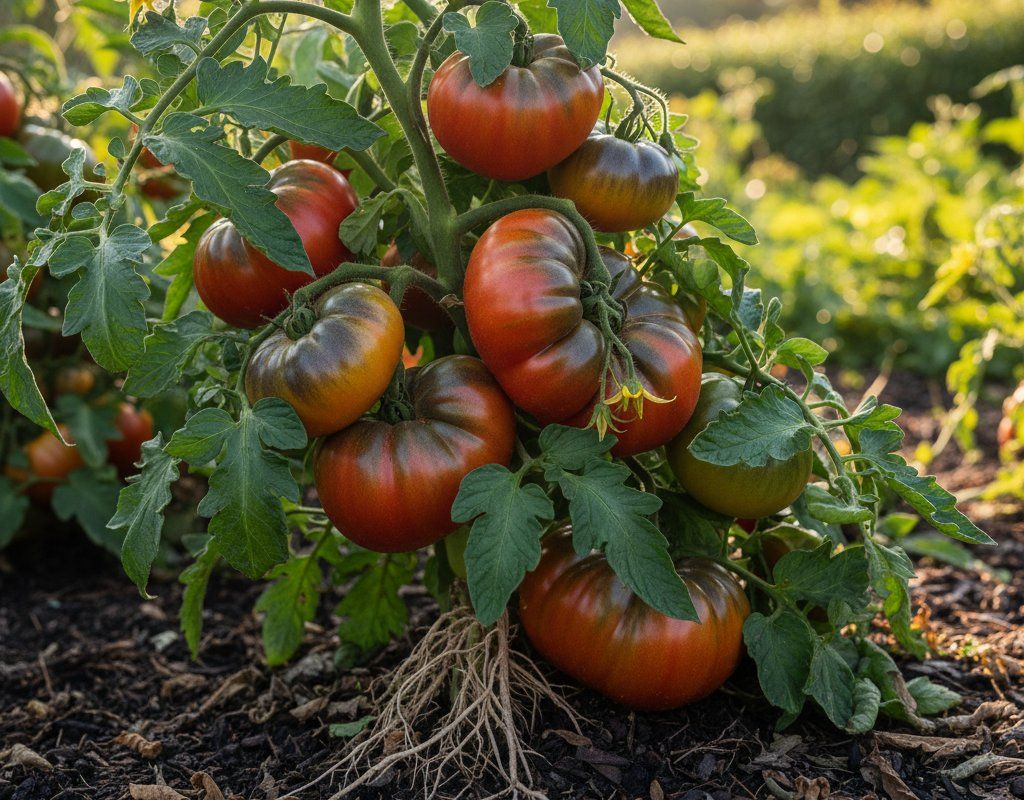
Heirloom Tomatoes in Zone 6B — Mountain West
Solanum lycopersicum · Your Complete 2026 Planting Guide
Planning Ahead — Great!
You’re ahead of the season. Here’s when to start.
Mark Your Calendar
How to Plant Heirloom Tomatoes in Zone 6B — Mountain West
Here are all your options for getting heirloom tomatoes in the ground, from the easiest method to more advanced approaches.
Start Seeds Indoors
RecommendedLate March through mid April
around March 28
Then transplant: Early May through early June
Start seeds 6-8 weeks before transplanting outdoors.
Buy Starts
Works WellEarly May through early June
around May 9
Plant purchased starts after last frost (April 25).
Direct Sow Seeds
ChallengingDirect sowing is not typical for Heirloom Tomatoes.
Transplant Outdoors
Timing InfoEarly May through early June
around May 9
Wait until nighttime temperatures stay above 50°F.
You have a nice window — no need to rush.
Overview
Growing heirloom tomatoes in the Mountain West is one of gardening's greatest rewards. These open-pollinated beauties deliver complex flavors that grocery store hybrids simply can't match, and our intense high-altitude sun actually concentrates their sugars and deepens their taste. Cool summer nights prevent the fruit from getting mushy, creating that perfect balance of sweetness and acidity that makes each variety distinct.
Yes, our short 163-day growing season and late spring frosts make heirloom tomatoes more challenging than in warmer zones, but with proper indoor starting and protection, you'll be harvesting incredible fruit from late July through September. The key is getting them started indoors early enough and choosing the right varieties for our mountain climate.
Starting Seeds Indoors
Start your heirloom tomato seeds indoors from late March through mid-April, about six weeks before you plan to transplant outside. This timing accounts for our late spring and gives plants enough time to mature before our early October frost.
Set up seed trays with quality potting mix and keep them warm - a heat mat helps germination in our cool mountain homes. Once seedlings emerge, they need strong light for 14-16 hours daily. A south-facing window works if it's very bright, but grow lights give more reliable results in our high-altitude conditions.
Bottom watering works best for tomato seedlings - set trays in shallow water and let the soil absorb moisture from below. This prevents damping off disease while keeping roots evenly moist. As plants grow their first true leaves, transplant to individual 4-inch pots to develop strong root systems.
Transplanting Outdoors
Transplant your heirloom tomatoes outdoors from early May through early June, after all danger of frost has passed. In the Mountain West, this means waiting until nighttime temperatures consistently stay above 40°F, which can vary by several weeks depending on your specific elevation and microclimate.
Harden off seedlings for a full week before transplanting by gradually exposing them to outdoor conditions. Start with 2-3 hours of morning sun, then increase daily. Our intense UV and temperature swings can shock tender plants, so this step is crucial for mountain gardening success.
Space plants 36-48 inches apart - heirloom varieties often grow larger and more sprawling than modern hybrids. The wider spacing also improves air circulation, which is important in our low-humidity climate where plants can stress from rapid moisture loss. Plant deep, burying 2/3 of the stem to encourage strong root development.
Watering Heirloom Tomatoes in Zone 6B (Mountain West)
Heirloom tomatoes need consistent, deep watering throughout our dry mountain growing season. With only 10-20 inches of annual rainfall, you'll be providing most of their water needs yourself. Plan on giving plants 1-2 inches of water weekly, increasing to 2-3 inches during peak summer growth and fruiting.
Check soil moisture with the finger test - push your finger 2 inches down into the soil near the plant base. If it's dry at that depth, it's time to water. In our low-humidity climate, surface soil can look dry while deeper roots still have moisture, so don't rely on just visual cues.
Water at the base rather than overhead to maximize efficiency in our dry air and prevent disease issues. Drip irrigation or soaker hoses work perfectly here. Water deeply but less frequently to encourage deep root growth - this helps plants handle our intense sun and occasional drought periods better than frequent shallow watering.
Mulch around plants with 2-3 inches of organic matter to conserve moisture and moderate soil temperature swings. Consistent soil moisture is especially critical for heirlooms since they're more prone to cracking than hybrids when soil goes from dry to wet quickly.
Supporting Your Heirloom Tomatoes
Install strong support systems at planting time since most heirloom varieties are indeterminate and will grow 6-8 feet tall in our intense mountain sun. Heavy-duty tomato cages (6+ feet tall) or sturdy wooden stakes work best - flimsy supports will buckle under the weight of mature plants loaded with large, irregularly shaped fruit.
Sturdy 8-foot wooden stakes driven 2 feet deep provide excellent support. Use soft ties like strips of old t-shirts to attach stems without cutting into the plant tissue. As plants grow, tie them every 12-18 inches up the stake.
Start training your plants early by gently directing the main stem upward and removing lower branches that touch the ground. Our cool nights and intense UV create vigorous growth, so check weekly and adjust ties as needed. Good support prevents fruit from touching the ground where it can rot or attract pests.
Pruning & Maintaining Heirloom Tomatoes
Prune heirloom tomatoes regularly to maintain good air circulation and direct energy into fruit production. Remove suckers (shoots growing between the main stem and branches) when they're small, but don't over-prune - heirlooms need more foliage than hybrids to protect fruit from our intense UV.
Remove lower leaves that touch the ground or show yellowing throughout the season. This prevents soil-borne diseases and improves airflow around the base of the plant. In our low-humidity climate, good air circulation is essential for plant health.
As first frost approaches in early October, top your plants by removing the growing tip and any new flower clusters. This directs energy into ripening existing fruit rather than setting new tomatoes that won't have time to mature. About 4-6 weeks before expected frost, stop major pruning to let plants focus on finishing their crop.
🧪Fertilizing Heirloom Tomatoes
Feeding Schedule
Organic Fertilizer Options
Harvest Time
Expect your first ripe heirloom tomatoes from late July through mid-September, about 80 days from transplanting. Unlike hybrids, heirlooms often ripen unevenly - some varieties stay green around the shoulders even when fully ripe, while others develop complex color patterns as they mature.
Judge ripeness by gentle pressure rather than color alone. Ripe tomatoes yield slightly to gentle pressure and detach easily from the vine with a slight twist. The stem end should have a slight give, and the fruit should feel heavy for its size.
Harvest regularly to encourage continued production. Pick tomatoes in the morning after the dew dries but before the heat of the day. Handle gently since heirloom skins are often thinner and more delicate than hybrid varieties.
As first frost threatens in early October, harvest all mature green tomatoes and bring them indoors to ripen. Wrap individual fruits in newspaper and store in a cool, dark place, or simply place them on kitchen counters away from direct light. Many will continue ripening for weeks, extending your harvest well into fall despite our short growing season.
Common Problems in Zone 6B (Mountain West)
Cracking Concentric circles or radiating lines split the tomato skin, especially around the stem end. You'll see this most after heavy watering or our occasional summer thunderstorms following dry periods. The flesh inside remains good but exposed areas can rot quickly. Water consistently throughout the week rather than giving plants a big drink after letting them dry out. Mulch helps maintain even soil moisture in our dry climate.
Disease Susceptibility Yellowing leaves, dark spots, or wilting despite adequate water indicate fungal or bacterial diseases. Heirloom varieties lack the disease resistance bred into modern hybrids. Our low humidity actually helps prevent many fungal problems, but stressed plants are still vulnerable. Space plants wider than recommended for good airflow, remove affected foliage immediately, and consider preventative organic fungicide applications during humid periods.
Lower Yields Fewer tomatoes per plant compared to hybrid varieties, especially in shorter seasons. This is the trade-off for superior flavor - heirlooms put energy into developing complex tastes rather than maximum production. Choose early varieties (70-80 days) for our mountain climate, and don't expect the same volume you'd get from commercial hybrids. The quality makes up for the quantity.
Irregular Shapes Bumpy, ridged, or oddly shaped fruits with unusual indentations or bumps. This is largely genetic - many heirloom varieties naturally produce irregular fruit. Cool nights during fruit set (common here even in summer) can also cause unusual shapes. Embrace the character - these "ugly" tomatoes often have the most incredible flavor and are prized by chefs for exactly this reason.
Mountain West Specific Challenges: Our intense UV can sunscald fruit if plants don't have adequate foliage, while cool nights sometimes prevent proper pollination early and late in the season. Hail can devastate tender plants, so consider row covers during storm season. The combination of hot days and cold nights stresses plants more than consistent temperatures would.
Best Companions for Heirloom Tomatoes
Plant these nearby for healthier Heirloom Tomatoes and better harvests.
View Full Companion Planting Chart →



Companion Planting Details
Plant basil near your heirloom tomatoes - it reportedly improves flavor while deterring aphids and hornworms with its strong scent. Carrots make excellent companions since their deep taproots don't compete with tomato roots, and both crops benefit from similar watering schedules in our dry climate. Marigolds planted around the bed edges can help repel nematodes and other soil pests while adding color to your garden.
Avoid planting brassicas like cabbage or broccoli near tomatoes since they're heavy nitrogen feeders that compete for nutrients, and both are susceptible to similar pests. Keep fennel away from tomatoes as it can inhibit growth, and avoid corn since it attracts similar pests like hornworms without offering any benefits to your tomato plants.
🌸Best Flowers to Plant with Heirloom Tomatoes
These flowers protect your Heirloom Tomatoes from pests and attract pollinators for better harvests.
For Pest Control

Get a Reminder When It's Time to Plant
We'll email you when key planting windows open for your zone.