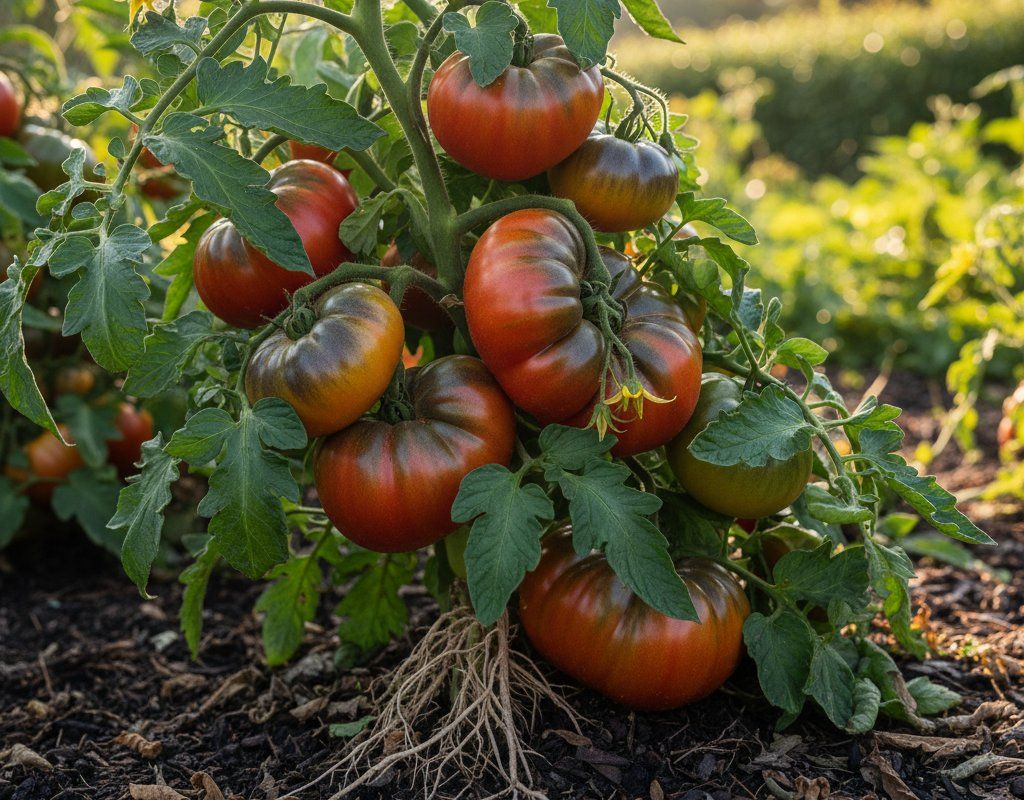
Heirloom Tomatoes in Zone 7A — Mountain West
Solanum lycopersicum · Your Complete 2026 Planting Guide
Planning Ahead — Great!
You’re ahead of the season. Here’s when to start.
Mark Your Calendar
How to Plant Heirloom Tomatoes in Zone 7A — Mountain West
Here are all your options for getting heirloom tomatoes in the ground, from the easiest method to more advanced approaches.
Start Seeds Indoors
RecommendedMid March through early April
around March 23
Then transplant: Early May through early June
Start seeds 6-8 weeks before transplanting outdoors.
Buy Starts
Works WellEarly May through early June
around May 4
Plant purchased starts after last frost (April 20).
Direct Sow Seeds
ChallengingDirect sowing is not typical for Heirloom Tomatoes.
Transplant Outdoors
Timing InfoEarly May through early June
around May 4
Wait until nighttime temperatures stay above 50°F.
You have a nice window — no need to rush.
Overview
Heirloom tomatoes thrive in the Mountain West's intense sunlight and cool nights, developing exceptional flavor complexity that store-bought varieties simply can't match. Our high altitude conditions create perfect sugar development, while the low disease pressure means you can focus on growing the most flavorful varieties rather than just the most resistant ones. The dramatic day-night temperature swings enhance fruit quality, giving you access to incredible varieties like Cherokee Purple, Brandywine, and Black Krim that taste like summer itself.
With our 173-day growing season and late spring start, timing becomes crucial for success with these tender heat-lovers. The key is starting seeds early indoors and being patient with transplanting until soil warms consistently. While our short season might seem challenging for 80-day varieties, the intense mountain sun helps tomatoes mature more quickly than you'd expect at this altitude.
Starting Seeds Indoors
Start your heirloom tomato seeds indoors from mid-March through early April, about 6 weeks before your last frost risk passes. This timing accounts for our characteristically late spring and gives seedlings enough time to develop strong root systems before facing mountain weather. Set up seed trays in a warm location (70-75°F) with good light—a south-facing window or grow lights work well.
Plant seeds about ¼ inch deep in quality seed starting mix, keeping soil consistently moist but not waterlogged. Bottom watering prevents damping off, a common issue with tender seedlings. Place trays on heating mats if your house runs cool, as consistent warmth speeds germination significantly.
Once seedlings develop their first true leaves, begin weekly feeding with diluted fertilizer. Our late spring means you'll likely need to transplant them into larger containers before moving outdoors, so plan for 4-inch pots if starting in early March.
Transplanting Outdoors
Transplant your heirloom tomatoes outdoors from early May through early June, after soil has warmed to at least 60°F and nighttime temperatures stay consistently above 50°F. Even a brief cold snap can set back these tender plants for weeks, so patience pays off in the mountain climate. Your transplant window aligns perfectly with when soil conditions become ideal for root development.
Harden off seedlings gradually over a full week, starting with just 2-3 hours of filtered outdoor exposure and building up to full sun and overnight stays. This process is critical at altitude where UV intensity can shock unprepared plants. Space transplants 36-48 inches apart—heirloom varieties grow large and need excellent air circulation for disease prevention.
Plant deep, burying two-thirds of the stem to encourage strong root development. Our cool spring nights mean soil stays cold longer than expected, so consider using black plastic mulch or water walls to warm the planting area and protect against unexpected late-season temperature drops.
Watering Heirloom Tomatoes in Zone 7A (Mountain West)
Heirloom tomatoes need consistent moisture throughout our dry mountain summers, requiring about 1-2 inches of water weekly depending on plant size and fruit load. Our low humidity and intense sun mean plants lose moisture rapidly during peak growing season, yet the moderate temperatures (typically reaching 85°F) prevent the extreme stress seen in hotter climates. Start with deep watering twice weekly, adjusting frequency as plants establish and summer progresses.
Check soil moisture using the finger test—stick your finger 2 inches deep near the root zone. If it's dry at that depth, it's time to water. Focus water at the base of plants rather than overhead watering, as our low humidity means wet foliage can still invite disease problems despite the dry air. Soaker hoses work exceptionally well in mountain conditions.
Watch for signs of inconsistent watering: fruit cracking indicates alternating wet and dry cycles, while wilting during cool morning hours suggests drought stress. Yellow lower leaves often signal overwatering in our well-draining mountain soils. Establish a regular watering schedule early in the season—consistency prevents most water-related problems.
Apply 3-4 inches of organic mulch around plants to conserve moisture and moderate soil temperature swings. Grass clippings, straw, or shredded leaves work well and break down to improve our typically alkaline mountain soils. Keep mulch 6 inches away from stems to prevent pest harboring and promote good air circulation.
Supporting Your Heirloom Tomatoes
Install sturdy cages or stakes at planting time, as most heirloom varieties are vigorous indeterminates that can reach 6-8 feet in our intense mountain sun. Choose heavy-duty tomato cages (at least 5 feet tall) or drive 6-foot stakes 18 inches deep for adequate support. Heirloom fruits are often large and irregularly shaped, creating more weight stress on branches than compact hybrid varieties.
Train main stems loosely to supports using soft ties, checking and adjusting weekly as plants grow rapidly during our peak summer months. The combination of intense UV and cool nights promotes strong vegetative growth that can overwhelm inadequate support systems. For stake systems, tie stems every 12-18 inches as they climb.
Consider the "Florida weave" method for multiple plants—running string horizontally between stakes creates excellent support for sprawling heirloom varieties. This technique works particularly well in windy mountain locations where individual cages might become unstable.
Pruning & Maintaining Heirloom Tomatoes
Remove suckers (shoots growing between main stem and branches) regularly throughout the growing season to focus plant energy on fruit production rather than excessive foliage. Start this practice when plants are about 12 inches tall and continue weekly through summer. In our short mountain season, eliminating competition for nutrients becomes especially important for maximizing harvest.
Prune lower leaves that touch the ground and any yellowing foliage throughout the season to improve air circulation and prevent disease. Remove leaves below the first fruit cluster once fruits begin forming. This practice is particularly important for heirlooms, which are more susceptible to disease than hybrid varieties, even in our low-humidity environment.
As first frost approaches in early October, top plants by removing growing tips to direct energy into ripening existing fruits rather than producing new flowers. About 4-6 weeks before expected frost, this "topping" ensures your harvest matures before cold weather arrives.
🧪Fertilizing Heirloom Tomatoes
Feeding Schedule
Organic Fertilizer Options
Harvest Time
Expect your first ripe tomatoes from late July through early September, depending on variety and when you transplanted. Unlike hybrids, heirloom tomatoes often ripen unevenly and may retain green shoulders even when fully ripe—learn your specific variety's characteristics. Look for overall color development, slight softness when gently squeezed, and easy separation from the vine with a gentle twist.
Harvest regularly (every 2-3 days during peak season) to encourage continued production throughout our relatively short growing window. Pick fruits with a slight give to them rather than waiting for complete softness, especially during hot spells when overripe tomatoes split more easily. The intense mountain sun can cause sunscald on exposed shoulders, so harvest promptly once fruits start coloring.
Check plants daily as nights begin cooling in late August—temperature drops can slow ripening dramatically. Begin harvesting slightly underripe fruits that show color breaks, as they'll finish ripening indoors. This strategy extends your effective harvest window beyond our first frost date.
When frost threatens in early October, harvest all green tomatoes larger than golf ball size. These will ripen slowly indoors over several weeks when stored in a cool, dark place. Wrap individual fruits in newspaper or store in ventilated boxes, checking weekly and removing any that show signs of decay.
Common Problems in Zone 7A (Mountain West)
Fruit Cracking Concentric circles or radial splits appear around the stem end or down the sides of ripening tomatoes, often exposing the flesh underneath. These cracks make fruits vulnerable to rot and pest damage, ruining otherwise perfect harvests. In our mountain climate, this typically occurs when heavy irrigation or unexpected summer storms follow dry periods, causing fruits to swell faster than their skins can stretch. Prevent cracking by maintaining consistent soil moisture through regular watering schedules and mulching. Harvest fruits promptly when they begin showing color, as fully ripe tomatoes crack more easily than those picked slightly early.
Disease Susceptibility Heirloom varieties show increased susceptibility to fungal diseases like early blight and bacterial problems compared to modern hybrids, appearing as brown spots on leaves, stem cankers, or fruit lesions. While our low humidity helps reduce disease pressure compared to more humid regions, poor air circulation and overhead watering can still create problems. Space plants wider than recommended (48 inches minimum), prune for airflow, and water at soil level rather than on foliage. Remove affected leaves immediately and consider preventative copper fungicide applications during cool, wet periods.
Lower Yields Heirloom plants often produce fewer fruits per plant than hybrid varieties, with harvests that may seem disappointing initially compared to determinate paste tomatoes. This characteristic reflects their breeding for flavor rather than production efficiency, combined with our short growing season limiting total harvest potential. Maximize yields by starting seeds early, providing excellent nutrition throughout the season, and maintaining consistent growing conditions. Focus on fewer plants with better care rather than cramming in more varieties.
Irregular Fruit Shapes Tomatoes develop unusual ribbing, catfacing, or lopsided growth that makes them look nothing like grocery store varieties. Poor pollination during cool mountain nights or temperature fluctuations during fruit set often worsen these natural characteristics. Cool nights below 55°F can interfere with proper pollination, creating more pronounced deformities. While these shapes are largely cosmetic, you can minimize extreme irregularities by protecting plants during temperature swings and ensuring adequate nutrition during flowering.
Mountain West gardeners face additional challenges from intense UV exposure, which can cause sunscald on exposed fruits, and sudden hailstorms that can devastate tender plants overnight. Our alkaline soils may limit nutrient availability, requiring soil amendments and careful fertilizer management throughout the season.
Best Companions for Heirloom Tomatoes
Plant these nearby for healthier Heirloom Tomatoes and better harvests.
View Full Companion Planting Chart →



Companion Planting Details
Plant basil alongside your heirloom tomatoes—it naturally repels aphids and hornworms while thriving in the same full-sun, warm conditions. Carrots make excellent neighbors as their deep roots don't compete with tomato root systems, and both crops benefit from similar watering schedules in our dry climate. Marigolds planted around the tomato bed help deter nematodes and add beneficial insects that prey on tomato pests, while their bright flowers handle our intense UV well.
Avoid planting brassicas like cabbage or broccoli near tomatoes, as they compete heavily for nutrients and can harbor similar bacterial diseases. Fennel releases compounds that inhibit tomato growth, while corn attracts the same hornworms that devastate tomato plants. Keep these incompatible plants in separate garden areas to prevent competition and pest concentration issues.
🌸Best Flowers to Plant with Heirloom Tomatoes
These flowers protect your Heirloom Tomatoes from pests and attract pollinators for better harvests.
For Pest Control

Get a Reminder When It's Time to Plant
We'll email you when key planting windows open for your zone.