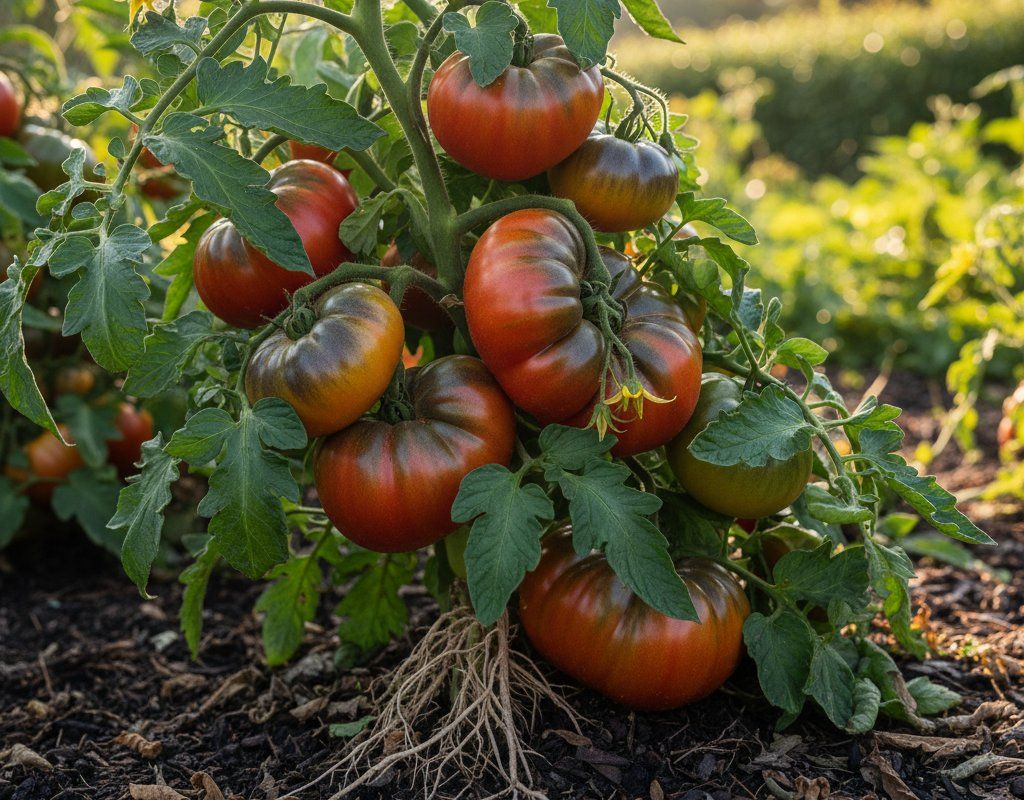
Heirloom Tomatoes in Zone 7B — Texas
Solanum lycopersicum · Your Complete 2026 Planting Guide
Missed Seed Starting? No Problem!
Wait for starts to become available.
What to Do
Starts will be available at nurseries in 20 days (around March 24).
How to Plant Heirloom Tomatoes in Zone 7B — Texas
Here are all your options for getting heirloom tomatoes in the ground, from the easiest method to more advanced approaches.
Start Seeds Indoors
RecommendedEarly to late February
around February 10
Then transplant: Late March through late April
Start seeds 6-8 weeks before transplanting outdoors.
Buy Starts
Works WellLate March through late April
around March 24
Plant purchased starts after last frost (March 10).
Direct Sow Seeds
ChallengingDirect sowing is not typical for Heirloom Tomatoes.
Transplant Outdoors
Timing InfoLate March through late April
around March 24
Wait until nighttime temperatures stay above 50°F.
You have a nice window — no need to rush.
Overview
Heirloom tomatoes bring unmatched flavor and variety to your Texas garden, with complex tastes that make store-bought tomatoes seem like cardboard. In Zone 7B, you get the advantage of our long 255-day growing season, which means you can actually grow two tomato seasons — spring planted for summer harvest, and late summer planted for fall harvest. These open-pollinated varieties connect you to generations of gardeners and offer endless diversity in size, color, and flavor that thrives in our Texas climate when timed right.
While our unpredictable weather and brutal summer heat can challenge tomato growing, starting seeds indoors gives you control over timing and gets plants established before the Texas heat hits full force. The key is working with our early springs and long growing season rather than fighting against them — plant early, harvest early, then plant again for fall production.
Starting Seeds Indoors
Start your heirloom tomato seeds indoors during early to late February, about 6 weeks before you plan to transplant outside. This timing takes advantage of Texas's characteristically early spring while avoiding the risk of late freezes that can still surprise us through early March. Set up seed trays in a warm spot (70-80°F is ideal) with good light — a south-facing window or grow lights work well.
Use seed starting mix in small cells or trays, planting seeds about ¼ inch deep. Bottom watering works better than watering from above, as it prevents damping-off disease and keeps seedlings from getting knocked around. Place the seed trays in a shallow pan of water and let the soil absorb moisture from below.
Once seedlings emerge and develop their first true leaves, you can transplant them to larger pots if needed. Keep them in bright light and gradually reduce watering frequency as they grow stronger. Our early Texas springs mean your indoor growing period won't be as long as gardeners up north, but it's still essential for getting heat-loving heirlooms off to a strong start.
Transplanting Outdoors
Plan to transplant your heirloom tomatoes outdoors from late March through late April, after the threat of hard frost has passed but before our summer heat becomes overwhelming. Texas weather can throw you curveballs during this period — we might have a warm spell in early March followed by a surprise freeze, so watch the forecast and be flexible with your timing.
Hardening off is crucial in Texas because the transition from indoor conditions to our intense sun and variable spring weather can shock plants. Start by placing seedlings outside for a few hours in filtered sunlight, gradually increasing their outdoor time over a week. By the end of the hardening period, they should handle full sun and overnight temperatures in the 50s.
Space your heirloom tomatoes 36-48 inches apart — this wider spacing is especially important in Texas because good air circulation helps prevent disease problems in our variable humidity. Plant them deep, burying about two-thirds of the stem to encourage strong root development. Install support systems at planting time, as our spring winds and summer storms can damage unsupported plants.
Watering Heirloom Tomatoes in Zone 7B (Texas)
Heirloom tomatoes need consistent, deep watering throughout the growing season, which can be challenging with Texas's unpredictable rainfall patterns. Plan for about 1-1.5 inches of water per week, including rainfall, but be ready to adjust based on our extreme summer heat and variable humidity. During peak summer when temperatures hit 97°F or higher, your plants may need water every day.
The key is maintaining even soil moisture — heirloom varieties are particularly prone to cracking when they experience the wet-dry cycles that our flash floods and drought periods can create. Check soil moisture by sticking your finger 2 inches deep near the base of the plant. If it's dry at that depth, it's time to water. Water slowly and deeply at the base rather than overhead, especially during our humid periods when wet foliage can lead to disease problems.
Mulching is essential in Texas to help moderate soil temperature and retain moisture during our brutal summer heat. Apply 2-3 inches of organic mulch around plants, keeping it a few inches away from the stem. Watch for signs of stress — wilting during the hottest part of the day is normal, but if plants don't perk up by evening or show yellowing leaves, adjust your watering schedule.
Our unpredictable rainfall means you'll need to be flexible. After heavy rains or flooding, check that soil drains well and reduce supplemental watering. During drought stretches, increase watering frequency but maintain deep, slow applications rather than frequent shallow watering that encourages shallow root systems.
Supporting Your Heirloom Tomatoes
Most heirloom tomatoes are indeterminate varieties that will grow 6-8 feet tall or more in our long Texas growing season, making strong support absolutely essential. Install sturdy tomato cages (at least 5-6 feet tall) or stake-and-tie systems at planting time — trying to add support later damages roots and stems. Heavy-duty cages work better than flimsy wire ones, especially considering our summer storms and high winds.
For stake systems, use 6-8 foot stakes driven at least 18 inches into the ground. Tie plants loosely with soft materials like cloth strips or tomato ties, checking and adjusting ties regularly as plants grow. Texas heat and storms can stress support systems, so check them weekly and reinforce as needed.
Train plants by gently weaving stems through cage openings or tying to stakes as they grow. Heirloom varieties often produce irregularly shaped, heavy fruit that can break branches without proper support. Start training early when stems are flexible, and continue throughout the growing season as plants can easily reach 6-8 feet in our 255-day growing season.
Pruning & Maintaining Heirloom Tomatoes
Heirloom tomatoes benefit from moderate pruning to improve air circulation and manage their vigorous growth in our humid, variable Texas climate. Remove suckers (shoots that grow between the main stem and branches) when they're small, focusing on the lower suckers and any that develop below the first flower cluster. Don't worry about getting every single sucker — heirlooms are more forgiving than hybrids.
Remove lower leaves that touch the ground or show signs of disease, especially important in Texas where soil splashing during our heavy rains can spread fungal problems. Throughout the season, prune any yellowing, spotted, or damaged foliage promptly to prevent disease spread. Good air circulation is crucial in our variable humidity conditions.
As first frost approaches in mid-November, you can top your plants (pinch off growing tips) about 4-6 weeks before to encourage the plant to ripen existing fruit rather than set new flowers. This "topping" strategy helps you get more mature tomatoes before cold weather ends the season. Remove any new flower clusters that appear after topping since they won't have time to mature.
🧪Fertilizing Heirloom Tomatoes
Feeding Schedule
Organic Fertilizer Options
Harvest Time
Your first heirloom tomatoes should be ready from mid-June through late July, about 80 days from transplanting. Texas timing means you'll often harvest earlier than gardeners in other Zone 7 areas because of our early spring start and intense summer heat. Don't wait for perfect color — many heirloom varieties maintain green shoulders or develop complex coloring that's different from hybrid tomatoes.
Harvest when tomatoes give slightly to gentle pressure and detach easily from the vine with a slight twist. The stem end should have some give, and you might notice the first hint of color change even if the tomato isn't fully colored. Heirlooms can be irregular in shape and color, so learn your specific variety's characteristics rather than judging by appearance alone.
Pick tomatoes regularly to encourage continued production through our long growing season. Morning harvest is best in Texas heat — tomatoes picked in the cool morning hours have better texture and flavor than those harvested during the heat of the day. Handle carefully, as heirloom varieties can be more delicate than hybrids.
As November's first frost approaches, harvest any mature green tomatoes and bring them indoors to ripen. Green tomatoes will continue ripening on kitchen counters or in paper bags. You can also pull entire plants and hang them upside down in a garage or shed to ripen the remaining fruit — a strategy that works well for extending harvest into Texas's mild early winter.
Common Problems in Zone 7B (Texas)
Fruit Cracking Cracking shows up as splits in the tomato skin, either as concentric circles around the stem end or radial lines running from top to bottom. You'll often see this after heavy rains or when you water heavily after letting plants get too dry. Our unpredictable Texas rainfall patterns — from drought to flash floods — make this a common problem. Prevent cracking by maintaining consistent soil moisture with mulching and regular watering. Harvest tomatoes at the first sign of ripeness rather than letting them fully ripen on the vine during periods of variable moisture.
Disease Susceptibility Heirloom varieties lack the disease resistance bred into modern hybrids, making them more prone to fungal and bacterial problems in our variable humidity conditions. You'll see yellowing leaves, dark spots, wilting, or fuzzy growth on foliage. Texas's combination of heat, humidity, and sudden weather changes creates perfect conditions for disease development. Improve air circulation with proper spacing and pruning, apply preventative fungicides during humid periods, and remove affected foliage immediately. Drip irrigation or soaker hoses help by keeping water off leaves.
Lower Yields Heirloom tomatoes typically produce fewer fruits per plant than hybrid varieties, and yields can be especially disappointing during extremely hot Texas summers when flower drop becomes common. Plants may look healthy but produce fewer tomatoes than expected. This is partly genetic — heirlooms weren't bred for maximum production — but also reflects stress from our intense heat. Focus on consistent watering, afternoon shade during peak summer if possible, and growing varieties known to handle heat well. Remember that what you lose in quantity, you gain in exceptional flavor.
Heat Stress and Flower Drop When temperatures consistently exceed 95°F with warm nights above 75°F, tomato flowers often drop without setting fruit, leaving you with healthy plants but no tomatoes. This is especially common during our brutal July and August heat when daytime temps hit 97°F or higher. While you can't control the weather, you can provide afternoon shade with shade cloth, maintain consistent moisture, and choose heat-tolerant heirloom varieties. Many Texas gardeners plan for reduced production during peak summer and focus on spring and fall harvests.
Texas Specific Challenges: Our extreme heat combined with unpredictable rainfall creates the perfect storm for heirloom tomato problems. The key is working with these conditions rather than fighting them — plant early for harvest before peak heat, maintain consistent moisture to prevent cracking, and be prepared for reduced yields during the hottest months. Many successful Texas gardeners grow heirlooms as spring and fall crops, using the brutal summer months for heat-loving plants better suited to our climate.
Best Companions for Heirloom Tomatoes
Plant these nearby for healthier Heirloom Tomatoes and better harvests.
View Full Companion Planting Chart →



Companion Planting Details
Good companions for heirloom tomatoes in Texas include basil, which helps repel insects and thrives in the same hot conditions your tomatoes love. Plant carrots nearby — their taproots won't compete with tomato roots, and they'll be ready to harvest before your tomatoes need the space. Parsley provides ground cover that helps retain soil moisture during our hot summers, while marigolds can help deter some pest insects and add color to the garden.
Avoid planting brassicas like cabbage or broccoli near tomatoes, as they have different watering and fertilizer needs and can compete for nutrients. Fennel should stay far away from tomatoes as it can inhibit their growth. Corn creates too much shade and competition, plus it attracts similar pest problems. In our Texas heat, your tomatoes need all the resources they can get, so choose companions that complement rather than compete with their growing requirements.
🌸Best Flowers to Plant with Heirloom Tomatoes
These flowers protect your Heirloom Tomatoes from pests and attract pollinators for better harvests.
For Pest Control

Get a Reminder When It's Time to Plant
We'll email you when key planting windows open for your zone.