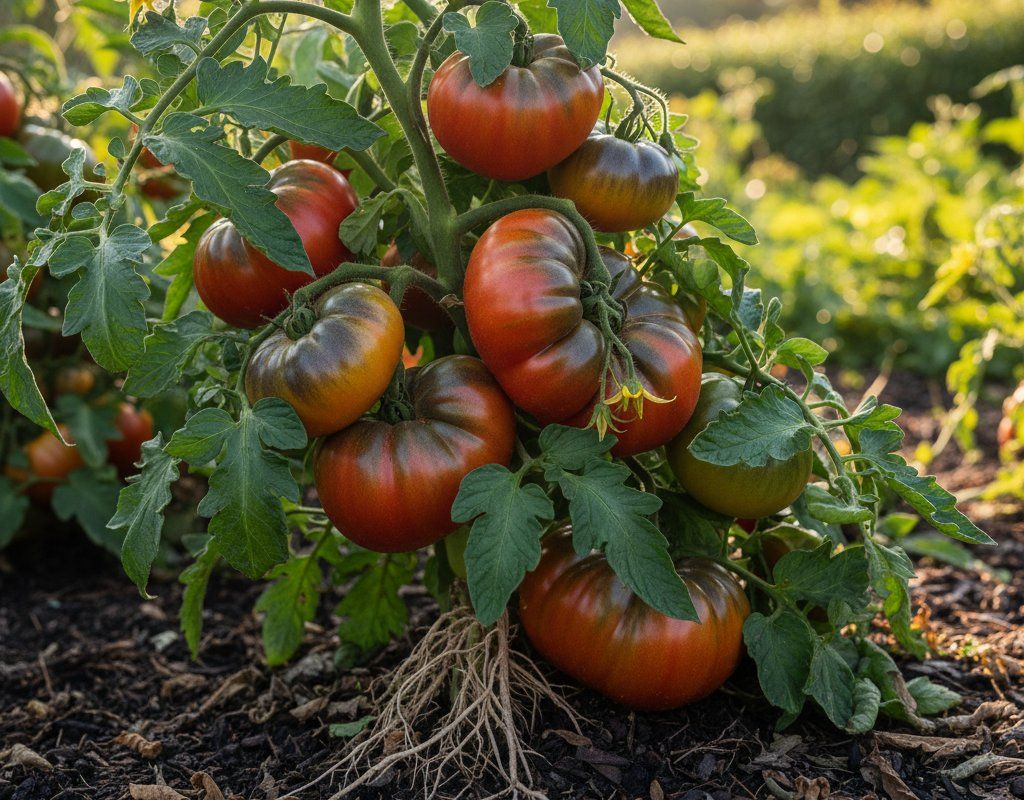
Heirloom Tomatoes in Zone 8A — Florida
Solanum lycopersicum · Your Complete 2026 Planting Guide
Missed Seed Starting? No Problem!
Wait for starts to become available.
What to Do
Starts will be available at nurseries in 7 days (around March 11).
How to Plant Heirloom Tomatoes in Zone 8A — Florida
Here are all your options for getting heirloom tomatoes in the ground, from the easiest method to more advanced approaches.
Start Seeds Indoors
RecommendedLate January through mid February
around January 28
Then transplant: Mid March through early April
Start seeds 6-8 weeks before transplanting outdoors.
Buy Starts
Works WellMid March through early April
around March 11
Plant purchased starts after last frost (February 25).
Direct Sow Seeds
ChallengingDirect sowing is not typical for Heirloom Tomatoes.
Transplant Outdoors
Timing InfoMid March through early April
around March 11
Wait until nighttime temperatures stay above 50°F.
You have a nice window — no need to rush.
Overview
Heirloom tomatoes are the crown jewels of the Florida spring garden, offering flavors and varieties you'll never find in the grocery store. From Cherokee Purples to Brandywines, these open-pollinated treasures deliver the complex, rich taste that makes all the effort worthwhile. Here in Zone 8A Florida, our reversed growing season actually works in their favor – you'll be harvesting gorgeous heirlooms while the rest of the country is still dealing with cool spring weather.
Yes, Florida's extreme humidity and fungal pressure make heirlooms more challenging than hybrids, but the timing is manageable if you work with our climate instead of against it. With our 283-day growing season, you have plenty of time to start seeds indoors during our mild winter months and get them established before the brutal summer heat arrives. The key is getting them in the ground early enough to produce heavily before our summer survival mode kicks in.
Starting Seeds Indoors
Start your heirloom tomato seeds indoors during late January through mid-February, about 6 weeks before your planned transplant date. This timing gives you strong seedlings ready to go into the ground when our spring weather stabilizes in mid-March. Unlike northern gardeners who start seeds to escape late winter, we're getting ahead of Florida's intense summer heat.
Set up your seed trays in a warm spot where temperatures stay around 70-75°F – a sunny windowsill or under grow lights works perfectly. Use bottom watering to keep the soil consistently moist without creating the surface dampness that invites damping-off disease. Your seeds should germinate within 7-10 days in these warm conditions.
Once seedlings develop their first true leaves, give them as much light as possible and begin weekly feeding with diluted liquid fertilizer. Remember, Florida's spring arrives early and moves fast, so your indoor growing window is shorter than you might expect from other regions.
Transplanting Outdoors
Transplant your heirloom seedlings outdoors from mid-March through early April, after our last frost risk passes. Unlike the gradual spring warming northern gardeners experience, Florida can jump from cool mornings to hot afternoons quickly, so timing matters. You want them established before our summer heat becomes overwhelming.
Harden off your seedlings gradually over a full week, starting with just an hour of morning sun and building up to full outdoor exposure. Florida's intense UV and afternoon heat can shock tender transplants, so don't rush this process. Space your plants 36-48 inches apart – this wider spacing is crucial here because good air circulation helps prevent the fungal diseases that love our humid climate.
Choose your planting site carefully, ensuring it gets full morning sun but some afternoon protection if possible. The spot should have excellent drainage since our sandy soil can get waterlogged during spring rains, and soggy roots spell disaster for tomatoes.
Watering Heirloom Tomatoes in Zone 8A (Florida)
Consistent moisture is absolutely critical for heirloom tomatoes, which crack much more easily than hybrid varieties when they experience the wet-dry cycles our climate loves to deliver. You'll need to provide about 1-2 inches of water per week, but Florida's rainfall patterns mean you'll be adjusting constantly throughout the growing season.
During our spring growing period, morning watering at the base of plants works best – avoid overhead watering which promotes fungal diseases in our humid climate. Use the finger test: stick your finger 2 inches deep into the soil near the plant base. If it's dry, water deeply until you see moisture coming out the drainage area around the plant.
Summer brings its own watering challenges with afternoon thunderstorms that can dump inches of rain followed by blazing heat that dries everything out. Mulch heavily around your plants with 3-4 inches of organic matter to buffer these extremes and maintain more even soil moisture. Watch for signs of stress: wilting during hot afternoons is normal, but morning wilting means you need more water.
As we head into our wet summer season, you may actually need to protect plants from too much water. Overwatered tomatoes show yellowing lower leaves and poor fruit development. If your plants sit in consistently soggy soil, they'll develop root rot faster than you can say "Florida thunderstorm."
Supporting Your Heirloom Tomatoes
Install sturdy support systems at planting time since most heirloom varieties are indeterminate and will grow 6-8 feet tall in Florida's favorable spring conditions. Heavy-duty tomato cages or strong stakes with ties work best – these plants will produce heavy, irregularly shaped fruit that can snap branches without proper support.
For cages, choose ones at least 6 feet tall made from concrete reinforcing wire rather than those flimsy store-bought versions. If staking, use 8-foot stakes driven 2 feet into the ground and tie the main stem every 12-18 inches as it grows. Florida's afternoon thunderstorms and occasional tropical weather make strong support non-negotiable.
Train your plants weekly by gently weaving new growth through cage openings or tying to stakes. Don't wait until they're heavy with fruit – establishing the support pattern early makes the job easier and prevents damage to loaded branches.
Pruning & Maintaining Heirloom Tomatoes
Prune heirloom tomatoes moderately to improve air circulation, which is crucial for preventing fungal diseases in Florida's humid conditions. Remove suckers (shoots growing between the main stem and branches) when they're small and tender, focusing especially on those below the first flower cluster. Leave the upper suckers alone unless growth becomes overcrowded.
Remove lower leaves that touch the ground or show any signs of disease throughout the growing season. This prevents soil-borne pathogens from splashing up during our frequent rains and gives you better airflow around the base of the plant. In late summer, you can remove some of the dense interior growth to open up the plant even more.
As we approach our first frost in early December, top your plants by pinching out the growing tips about 4-6 weeks beforehand. This forces the plant's energy into ripening existing fruit rather than producing new flowers that won't have time to mature. You'll get a better final harvest this way.
🧪Fertilizing Heirloom Tomatoes
Feeding Schedule
Organic Fertilizer Options
Harvest Time
Expect your first ripe heirlooms from late May through mid-July, about 80 days from transplanting. Unlike hybrid varieties that turn uniformly red, many heirlooms show their ripeness through subtle color changes specific to each variety – some stay green-shouldered even when ripe, others develop deep purples, yellows, or striped patterns.
Check for ripeness by gentle pressure rather than color alone. Ripe heirlooms yield slightly to gentle finger pressure and detach easily from the vine when lifted and twisted gently. The stem should separate cleanly at the joint without pulling or tearing the fruit. Harvest in the morning when fruits are cool and less likely to bruise.
Pick tomatoes every 2-3 days during peak season to encourage continued production and prevent overripe fruit from attracting pests. Don't let ripe tomatoes sit on the vine too long in Florida's heat – they'll split, rot, or become mushy quickly. If you can't use them immediately, store ripe tomatoes at room temperature for best flavor.
As our first frost approaches in early December, harvest all remaining green tomatoes and ripen them indoors. Wrap individual fruits in newspaper or place them in boxes with a ripe banana – the ethylene gas will help them ripen over several weeks, extending your harvest well into winter.
Common Problems in Zone 8A (Florida)
Fruit Cracking
Concentric circles or radial splits appear around the stem end or down the sides of ripening fruit, exposing the flesh to rot and insects. This is the most common problem with heirloom tomatoes, especially during Florida's unpredictable spring weather when dry spells alternate with heavy rains. The fruit absorbs water faster than the skin can expand, causing it to literally burst open.
Maintain consistent soil moisture through regular watering and heavy mulching to prevent the wet-dry cycles that cause cracking. Harvest fruits as soon as they start changing color – they'll ripen perfectly indoors without the stress that leads to splitting.
Disease Susceptibility
Yellowing leaves, brown spots, wilting, and overall poor plant health throughout the growing season indicate the higher disease pressure heirlooms face compared to hybrids. Florida's extreme humidity and frequent rains create perfect conditions for fungal diseases like early blight, late blight, and bacterial spot. Unlike modern hybrids bred for resistance, heirlooms rely on cultural practices for disease prevention.
Space plants wider than recommended (48 inches instead of 36), prune for maximum air circulation, and avoid overhead watering. Apply preventative copper-based fungicides before problems start, and remove affected foliage immediately. Consider growing in raised beds with excellent drainage.
Lower Yields
Fewer fruits per plant compared to hybrid varieties, with irregular production throughout the season. Heirloom varieties haven't been bred for consistent high yields like modern hybrids – they're selected for flavor, appearance, and historical value. Additionally, Florida's heat stress during fruit set can reduce production significantly.
Accept that heirlooms trade quantity for quality, but maximize what you get by providing consistent water, regular feeding, and protection from extreme afternoon sun. Plant multiple varieties to extend your harvest window and ensure some production even if one variety struggles.
Irregular Shapes
Fruits develop with unusual bumps, ridges, deep ribbing, or uneven shoulders that can make slicing difficult. While this is often just the characteristic shape of heirloom varieties, poor pollination during Florida's hot, humid weather can exaggerate these traits and create truly bizarre fruits.
Embrace the character – irregularly shaped heirlooms often have the most complex flavors. If appearance matters for your kitchen, choose varieties known for smoother fruits or grow a few hybrid varieties alongside your heirlooms for consistent slicing tomatoes.
Florida Specific Challenges: Our extreme humidity and wet summer rainfall create constant fungal pressure that challenges heirloom tomatoes more than any other climate factor. The combination of hot temperatures, moisture, and sandy soil that drains too quickly also stresses these varieties more than the steady conditions they prefer.
Best Companions for Heirloom Tomatoes
Plant these nearby for healthier Heirloom Tomatoes and better harvests.
View Full Companion Planting Chart →



Companion Planting Details
Plant basil around your tomato plants – it naturally repels aphids and other pests while thriving in the same hot, sunny conditions your tomatoes prefer. Carrots make excellent ground-level companions since their taproots don't compete with tomato roots, and their feathery foliage helps break up the soil. Marigolds planted throughout the tomato bed help deter nematodes, which are a constant challenge in Florida's sandy soils.
Avoid planting brassicas like cabbage or broccoli near tomatoes since they're heavy feeders that compete for nutrients, and their cool-season growing requirements don't align with tomato timing anyway. Skip fennel entirely – it releases compounds that inhibit tomato growth. Corn creates too much shade and attracts similar pests without offering any benefits to your tomato plants.
🌸Best Flowers to Plant with Heirloom Tomatoes
These flowers protect your Heirloom Tomatoes from pests and attract pollinators for better harvests.
For Pest Control

Get a Reminder When It's Time to Plant
We'll email you when key planting windows open for your zone.