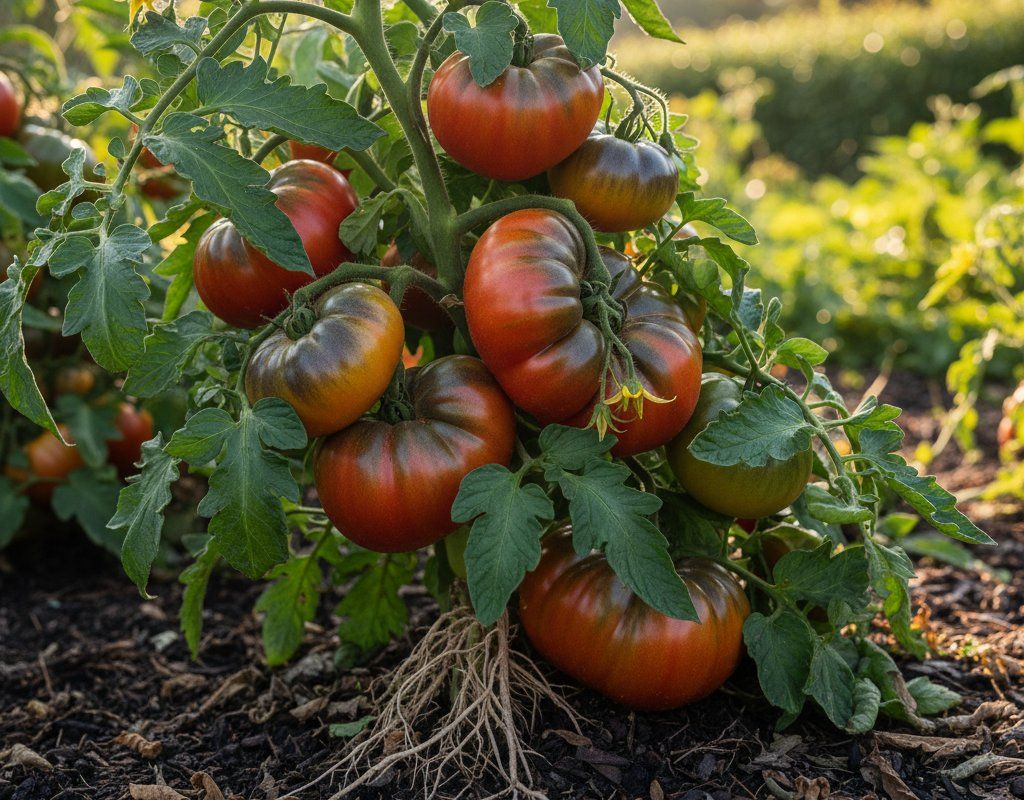
Heirloom Tomatoes in Zone 9B — Desert Southwest
Solanum lycopersicum · Your Complete 2026 Planting Guide
Time to Buy Starts!
Seed starting window passed, but starts are available now.
Buy Starts Now
Head to your local nursery, Home Depot, or farmers market for transplants.
- Look for stocky plants with dark green leaves
- Avoid leggy seedlings or plants already flowering
- Check that roots aren't circling the pot (rootbound)
How to Plant Heirloom Tomatoes in Zone 9B — Desert Southwest
Here are all your options for getting heirloom tomatoes in the ground, from the easiest method to more advanced approaches.
Start Seeds Indoors
RecommendedEarly to late January
around January 8
Then transplant: Mid February through mid March
Start seeds 6-8 weeks before transplanting outdoors.
Buy Starts
Works WellMid February through mid March
around February 19
Plant purchased starts after last frost (February 5).
Direct Sow Seeds
ChallengingDirect sowing is not typical for Heirloom Tomatoes.
Transplant Outdoors
Timing InfoMid February through mid March
around February 19
Wait until nighttime temperatures stay above 50°F.
You have a nice window — no need to rush.
Overview
Heirloom tomatoes bring unmatched flavor diversity to our Desert Southwest gardens, with varieties that developed in climates similar to ours offering the best heat tolerance and taste. While grocery store tomatoes taste like cardboard, your homegrown Cherokee Purples and Brandywines will deliver the rich, complex flavors that make summer cooking extraordinary. Our two growing seasons mean you can enjoy fresh heirlooms from May through November if you time plantings right.
Our extreme heat and arid conditions present real challenges for these moisture-loving plants, but the timing window for success is generous. With our 313-day growing season and mild winters, you have flexibility to start early and establish strong plants before the brutal summer heat arrives. The key is getting transplants in the ground during our brief spring window and providing adequate water and shade protection.
Starting Seeds Indoors
Start your heirloom tomato seeds indoors during early to late January, about 6 weeks before you plan to transplant outdoors. Our very early spring character means you need transplants ready by mid-February, much earlier than gardeners in other regions. Use seed starting trays filled with quality potting mix, and keep them consistently warm - a heat mat helps maintain the 70-75°F soil temperature tomatoes need for good germination.
Bottom watering works best for tomato seedlings, preventing damping off disease that can strike in our low humidity conditions. Once seeds germinate, they need strong light - either a sunny south window or grow lights positioned 2-3 inches above the seedlings. Gradually move lights higher as plants grow.
Start hardening off seedlings about a week before transplant time by moving them outside for increasing periods each day. Our February weather can swing dramatically, so watch for late cold snaps that could damage tender plants.
Transplanting Outdoors
Transplant your heirloom tomatoes outdoors from mid-February through mid-March, after nighttime temperatures consistently stay above 50°F. This timing gets plants established before our extreme heat kicks in, giving them the best chance for spring production. Wait too long and transplants will struggle in summer's intensity.
Space plants 36-48 inches apart - heirloom varieties need extra room for air circulation in our arid climate, plus their indeterminate growth habit means they'll sprawl without adequate space. Dig planting holes twice as wide as the root ball and amend our alkaline soil with compost to improve drainage and nutrition.
Install support structures at planting time since disturbing established roots later stresses plants. Plant deep, burying two-thirds of the stem to encourage strong root development. Our caliche layer can make digging challenging, so break through it or build raised beds for better drainage and root penetration.
Watering Heirloom Tomatoes in Zone 9B (Desert Southwest)
Consistent moisture is absolutely critical for heirloom tomatoes in our Desert Southwest climate, where extreme heat and arid conditions can stress plants within hours. These varieties need about 1-2 inches of water weekly, but you'll need to increase frequency dramatically once summer heat arrives. The finger test works well - stick your finger 2 inches into soil, and if it's dry, water deeply.
Water at the base of plants rather than overhead to reduce disease pressure and conserve moisture in our low humidity environment. Drip irrigation or soaker hoses work perfectly for tomatoes, delivering water directly to roots while keeping foliage dry. During our 105°F summer days, you may need to water every day or even twice daily for container plants.
Monitor plants closely for stress signs - wilting despite moist soil usually indicates heat stress rather than drought, while yellowing bottom leaves often signals overwatering in our poorly draining desert soils. Cracking fruit happens when irregular watering causes rapid water uptake after dry periods, so maintaining consistent soil moisture prevents this common heirloom problem.
Apply 2-3 inches of organic mulch around plants to conserve moisture and moderate soil temperature swings. Wood chips or shredded bark work well in our climate, breaking down slowly while suppressing weeds that compete for precious water.
Supporting Your Heirloom Tomatoes
Install sturdy cages or stakes at planting time since most heirloom varieties are indeterminate and will grow 6-8 feet tall with proper care. Heavy-duty tomato cages at least 5 feet tall work best, or use 6-foot stakes with soft ties to support the main stem. Heirloom fruits are often irregularly shaped and heavier than hybrid varieties, requiring stronger support systems.
Train plants by gently weaving main stems through cage openings or tying them to stakes every 12-18 inches as they grow. Use soft materials like cloth strips or tomato ties to avoid cutting into stems. Our strong desert winds can snap unsupported branches, especially when loaded with large fruit.
Check support structures weekly during peak growing season, adjusting ties and adding support for heavily laden branches. Some gardeners use additional stakes or bamboo poles to support individual fruit clusters on particularly vigorous plants.
Pruning & Maintaining Heirloom Tomatoes
Remove suckers - the shoots that emerge between main stems and branches - throughout the growing season to focus plant energy on fruit production rather than excessive foliage. This selective pruning improves air circulation, which is crucial for heirloom varieties that are more disease-susceptible than modern hybrids.
Prune bottom leaves that touch the ground to prevent soil-borne diseases from splashing onto foliage during watering. As plants mature, remove yellowing or diseased leaves promptly, making clean cuts with sanitized pruners to prevent spreading problems.
As our first frost approaches in mid-December, top plants by pinching growing tips about 4-6 weeks before expected frost. This encourages existing fruits to ripen rather than the plant putting energy into new growth that won't have time to mature.
🧪Fertilizing Heirloom Tomatoes
Feeding Schedule
Organic Fertilizer Options
Harvest Time
Expect your first heirloom tomatoes from early May through late June, about 80 days from transplant. Unlike hybrid varieties with uniform ripening, heirlooms show readiness through variety-specific color changes - some stay green-shouldered even when ripe, while others develop deep red, purple, or yellow hues depending on the cultivar.
Test ripeness with gentle pressure - ripe tomatoes yield slightly to touch and detach easily from the vine with a gentle twist. Harvest in early morning when fruits are cool and firm, using clean pruning shears if stems resist gentle pulling. This prevents damage to the vine and ensures continued production.
Regular picking every 2-3 days encourages continued flowering and fruit set, extending your harvest season well into fall if plants survive our extreme summer heat. Many Desert Southwest gardeners get two harvest periods - spring production before summer heat, then renewed production when temperatures moderate in October.
When first frost threatens in mid-December, harvest all remaining fruits regardless of ripeness. Green tomatoes will ripen indoors at room temperature, or you can use them for fried green tomatoes and chutneys.
Common Problems in Zone 9B (Desert Southwest)
Cracking Concentric rings or radial splits appear in the tomato skin, often exposing flesh that quickly rots. This is especially common in heirloom varieties during our monsoon season when heavy rains follow dry periods, causing fruit to absorb water faster than the skin can expand. Maintain consistent soil moisture with regular deep watering and mulching. Harvest promptly when fruits show color to prevent over-ripening on the vine.
Disease Susceptibility Yellowing leaves, black spots, or wilting despite adequate water indicate fungal or bacterial diseases that plague heirloom varieties more than disease-resistant hybrids. Our humid monsoon conditions combined with extreme heat create perfect disease environments. Space plants wider for better air circulation, apply preventative copper fungicide, and remove affected foliage immediately. Avoid overhead watering that spreads disease spores.
Lower Yields Heirloom varieties typically produce fewer fruits than modern hybrids, and our extreme heat can further reduce production by preventing proper pollination when temperatures exceed 85°F at night. This is normal for heirlooms - focus on flavor quality over quantity. Provide afternoon shade during peak summer to extend production, and consider succession planting for fall harvest.
Irregular Shapes Bumpy, ridged, or oddly-shaped fruits are characteristic of many heirloom varieties, though poor pollination during temperature extremes can worsen the problem. Our spring temperature swings and extreme heat affect fruit development. Accept this as part of heirloom character - misshapen tomatoes often have the most complex flavors.
Desert Southwest Specific Challenges Our extreme heat causes blossom drop when nighttime temperatures stay above 75°F, while low humidity stresses plants and our alkaline soil can cause nutrient deficiencies. Sunscald becomes severe without protection, and water scarcity makes consistent irrigation challenging but essential for crack-prone heirlooms.
Best Companions for Heirloom Tomatoes
Plant these nearby for healthier Heirloom Tomatoes and better harvests.
View Full Companion Planting Chart →



Companion Planting Details
Plant basil alongside your heirloom tomatoes - it thrives in similar conditions and reportedly improves tomato flavor while deterring pests like aphids and hornworms. Carrots make excellent companions since their deep taproots don't compete with tomato roots, and they help break up our hardpan soil. Parsley planted nearby attracts beneficial insects that prey on tomato pests, while marigolds provide natural pest deterrence and add color to your garden.
Avoid planting brassicas like cabbage or broccoli near tomatoes since they compete heavily for nutrients and water - precious resources in our arid climate. Fennel and corn should also be kept separate, as fennel inhibits tomato growth and corn attracts pests that can spread to tomatoes. Keep these spacing considerations in mind when planning your desert garden layout.
🌸Best Flowers to Plant with Heirloom Tomatoes
These flowers protect your Heirloom Tomatoes from pests and attract pollinators for better harvests.
For Pest Control

Get a Reminder When It's Time to Plant
We'll email you when key planting windows open for your zone.