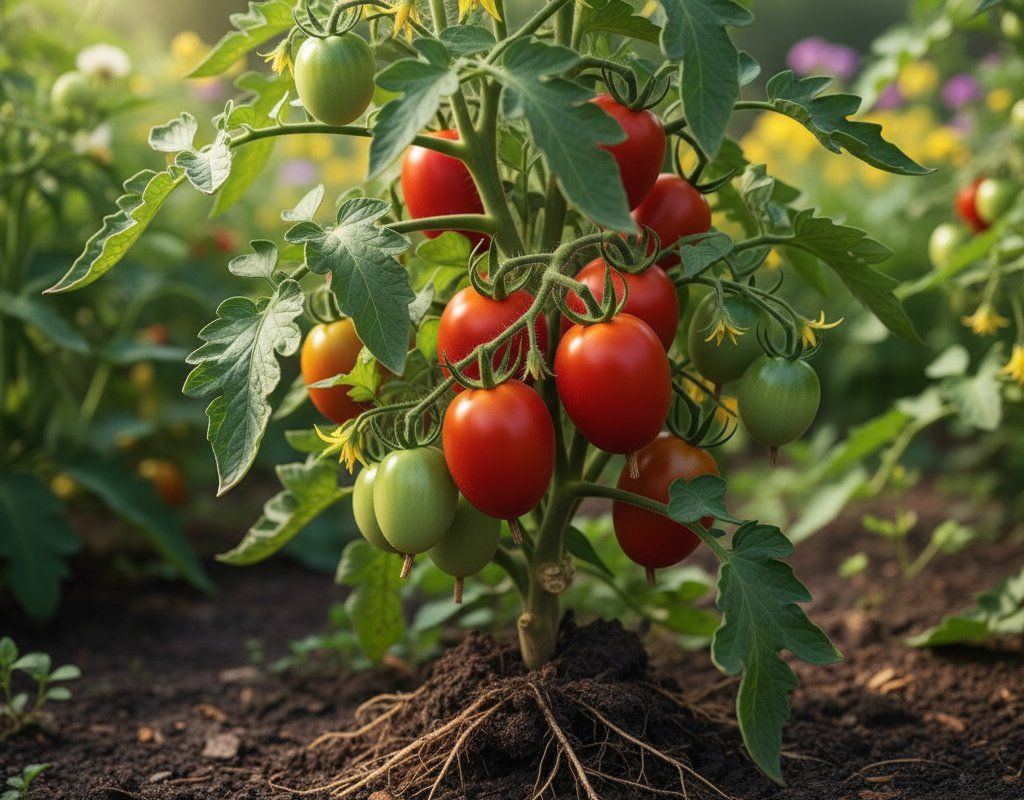
Roma Tomatoes in Zone 4B — Great Plains
Solanum lycopersicum · Your Complete 2026 Planting Guide
Planning Ahead — Great!
You’re ahead of the season. Here’s when to start.
Mark Your Calendar
How to Plant Roma Tomatoes in Zone 4B — Great Plains
Here are all your options for getting roma tomatoes in the ground, from the easiest method to more advanced approaches.
Start Seeds Indoors
RecommendedLate March through late April
around April 7
Then transplant: Mid May through mid June
Start seeds 6-8 weeks before transplanting outdoors.
Buy Starts
Works WellMid May through mid June
around May 19
Plant purchased starts after last frost (May 5).
Direct Sow Seeds
ChallengingDirect sowing is not typical for Roma Tomatoes.
Transplant Outdoors
Timing InfoMid May through mid June
around May 19
Wait until nighttime temperatures stay above 50°F.
You have a nice window — no need to rush.
Overview
Roma tomatoes are a Great Plains gardener's perfect choice for making sauce, paste, and preserving. These meaty, low-moisture fruits concentrate beautifully under our intense prairie sunshine, developing deep flavor that makes every jar of homemade sauce worth the effort. The determinate habit means your entire harvest ripens within a few weeks - ideal for processing in bulk during our brief but productive summer.
Our 149-day growing season and extreme temperature swings demand careful timing, but Roma's reliability makes it manageable. These paste tomatoes handle our hot summers better than many varieties, and their concentrated harvest window works well with our short fall season before early October frosts arrive.
Starting Seeds Indoors
Start your Roma seeds indoors during late March through late April, about 6 weeks before you plan to transplant. Our variable spring weather makes indoor starting essential - you'll avoid the temperature swings that can stunt young tomato plants or kill them outright.
Set up seed trays in a warm location (70-75°F) with good light once seedlings emerge. A sunny south window works, but supplemental grow lights give more consistent results during our often cloudy spring weeks. Bottom watering prevents the damping-off disease that thrives in cool, wet conditions.
Keep seedlings evenly moist but not waterlogged as they develop. Our dry indoor air means you'll need to check moisture levels daily, especially once the heating system stops running regularly in late spring.
Transplanting Outdoors
Plan to transplant your Roma seedlings outdoors from mid-May through mid-June, after soil temperatures reach 60°F and nighttime lows stay above 50°F consistently. Don't rush this step - our late spring cold snaps can set back or kill tender tomato plants, even after the average last frost passes.
Harden off seedlings for a full week before transplanting by gradually exposing them to outdoor conditions. Start with just an hour or two in filtered sunlight, extending the time daily while watching for wind damage or temperature stress.
Space your Roma plants 24-36 inches apart to allow good air circulation - critical in our variable humidity conditions. Choose a protected location if possible, as young transplants are particularly vulnerable to our persistent winds until they establish strong root systems.
Watering Roma Tomatoes in Zone 4B (Great Plains)
Roma tomatoes need consistent, deep watering throughout the growing season - about 1-2 inches per week including rainfall. This is especially challenging in the Great Plains where our annual precipitation varies wildly from 15-35 inches, and summer rain often comes in brief, intense storms followed by dry spells.
Check soil moisture using the finger test - stick your finger 2 inches deep near the plant base. If it's dry at that depth, it's time to water deeply. Our hot summers (often reaching 93°F) and low-to-moderate humidity mean daily watering may be necessary during peak heat, especially in containers or raised beds.
Water at the base of plants rather than overhead to reduce disease pressure and water loss to evaporation. Soaker hoses or drip irrigation work exceptionally well in our climate. Inconsistent watering is particularly problematic for Roma tomatoes - the stress causes blossom end rot on these elongated fruits more readily than on round varieties.
Mulch heavily around plants with 3-4 inches of straw or shredded leaves to maintain even soil moisture and reduce the boom-bust cycle our weather creates. Signs of underwatering include wilted leaves during the day and hard, small fruit. Overwatering shows as yellowing lower leaves and soft, splitting fruit.
Supporting Your Roma Tomatoes
Install tomato cages or stakes at planting time to support your Roma plants as they grow and bear fruit. Since Roma is a determinate variety, shorter 4-foot cages work well - you don't need the tall supports required for indeterminate tomatoes that keep growing all season.
The heavy fruit load on Roma plants benefits greatly from support, especially when our summer storms bring strong winds and potential hail. Choose sturdy wire cages or drive stakes deep enough to withstand our persistent prairie winds that can topple unsupported plants.
As plants grow, gently guide branches through cage openings or tie them to stakes with soft material. Wind protection is essential during the early weeks after transplanting - consider temporary windbreaks made from burlap or row cover until plants establish strong stems.
🧪Fertilizing Roma Tomatoes
Feeding Schedule
Organic Fertilizer Options
Harvest Time
Expect your first Roma tomatoes from early August through mid-September, about 75 days after transplanting. The fruit ripens from the bottom cluster upward, with the entire harvest typically completing within 2-3 weeks - perfect for preserving projects.
Harvest when fruits show deep red color throughout and feel firm but give slightly to gentle pressure. Ripe Roma tomatoes detach easily from the stem with a gentle twist and pull motion. Check plants every 2-3 days during peak harvest since fruit can go from perfect to overripe quickly in our hot summer weather.
As early October frost approaches, harvest any fruits showing the first blush of color change - these will ripen successfully indoors on a windowsill or in paper bags. Green tomatoes can be used for relish or fried green tomatoes, making the most of your harvest before frost ends the season.
Remove all plant debris after harvest to prevent overwintering of diseases and pests that could affect next year's tomato crop.
Common Problems in Zone 4B (Great Plains)
Blossom End Rot Dark, sunken patches appear on the bottom (blossom end) of developing fruit, starting as small brown spots that expand into leathery black areas. This often affects the first clusters of the season most severely.
Our variable rainfall patterns and hot, drying winds create the inconsistent soil moisture that triggers blossom end rot. It's not a disease but a calcium deficiency caused by the plant's inability to move calcium to developing fruit during drought-stress periods.
Maintain consistent soil moisture through deep, regular watering and heavy mulching. Avoid over-fertilizing with nitrogen, which interferes with calcium uptake. Remove affected fruits promptly to redirect the plant's energy to healthy fruit development.
Early Blight Brown spots with distinctive concentric rings (bullseye pattern) appear on lower leaves first, then spread upward as leaves yellow and drop. This fungal disease thrives in our warm days and humid nights during summer.
The fungus spreads through soil splash during watering or rain, making it particularly problematic when our intense summer storms kick up contaminated soil onto plant foliage.
Remove affected leaves immediately and dispose in household trash, never compost. Water at plant base to prevent soil splash, and mulch heavily around plants. Space plants properly for air circulation, and consider copper fungicide sprays during wet periods.
Fusarium Wilt Plants wilt on one side first, then entire plants collapse despite adequate soil moisture. Cut stems show brown streaking inside, and leaves yellow starting from the bottom and progressing upward.
This soil-borne fungus persists for years in our prairie soils and enters through root wounds. Our hot soil temperatures during summer create ideal conditions for the disease to spread rapidly through the plant's vascular system.
No cure exists once plants are infected - remove and destroy affected plants immediately. Plant resistant varieties marked with 'F' on seed packets, rotate tomato crops yearly, and maintain soil pH above 6.5 to suppress the fungus.
Great Plains Specific Challenges: Our combination of hot summers, variable rainfall, and persistent winds creates unique stress for Roma tomatoes. Consistent watering becomes critical as our low-to-moderate humidity and drying winds quickly stress plants, making them more susceptible to all these problems.
Best Companions for Roma Tomatoes
Plant these nearby for healthier Roma Tomatoes and better harvests.
View Full Companion Planting Chart →



Companion Planting Details
Plant basil near your Roma tomatoes - it naturally repels aphids and hornworms while thriving in the same hot, sunny conditions. Carrots make excellent companions by breaking up soil compaction with their taproots while not competing for the same nutrients. Marigolds planted around the tomato bed help deter nematodes and other soil pests that can damage roots in our fertile but sometimes pest-heavy prairie soils.
Avoid planting brassicas like cabbage or broccoli near Roma tomatoes, as they compete for calcium and can increase susceptibility to clubroot diseases. Keep corn away from tomatoes since both attract the same hornworm pests, and fennel inhibits tomato growth through allelopathic compounds in its roots. In our challenging Great Plains growing conditions, avoiding plant competition becomes especially important for maintaining healthy, productive Roma tomato plants.
🌸Best Flowers to Plant with Roma Tomatoes
These flowers protect your Roma Tomatoes from pests and attract pollinators for better harvests.
For Pest Control



For Pollinators

Get a Reminder When It's Time to Plant
We'll email you when key planting windows open for your zone.