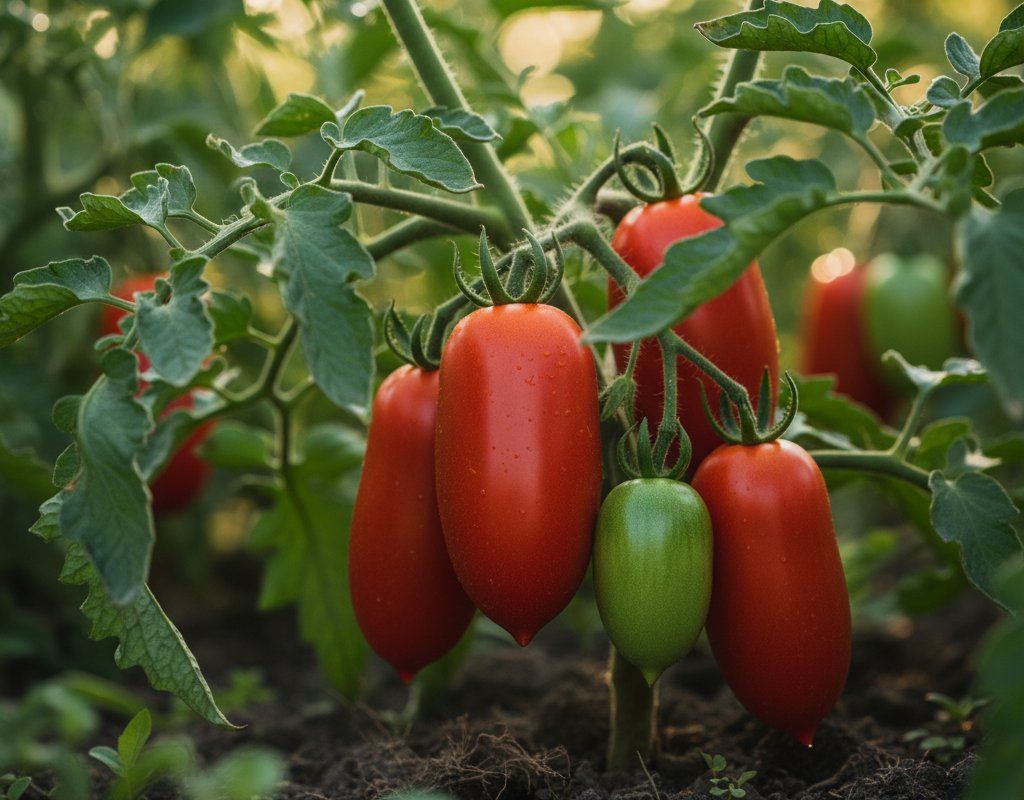
San Marzano Tomatoes in Zone 10A — Florida
Solanum lycopersicum · Your Complete 2026 Planting Guide
Check Planting Details Below
See the full planting guide for timing information.
How to Plant San Marzano Tomatoes in Zone 10A — Florida
Here are all your options for getting san marzano tomatoes in the ground, from the easiest method to more advanced approaches.
Start Seeds Indoors
RecommendedEarly to late December
around December 13
Then transplant: Late January through late February
Start seeds 6-8 weeks before transplanting outdoors.
Buy Starts
Works WellLate January through late February
around January 24
Plant purchased starts after last frost (January 10).
Direct Sow Seeds
ChallengingDirect sowing is not typical for San Marzano Tomatoes.
Transplant Outdoors
Timing InfoLate January through late February
around January 24
Wait until nighttime temperatures stay above 50°F.
You have a nice window — no need to rush.
Overview
San Marzano tomatoes are the holy grail of paste tomatoes, and here in Zone 10A Florida, you can grow these Italian treasures while most of the country is still frozen solid. These elongated beauties produce incredibly flavorful, meaty fruit perfect for sauces, canning, and fresh eating - and they thrive in our unique growing window when planted at the right time. Your Florida gardening calendar works perfectly for San Marzanos since they need those cooler months to set fruit before our summer heat arrives.
Growing San Marzanos in Florida does mean working with our extreme humidity and sandy soils, but the timing actually makes it quite manageable. Plant them during our reversed spring season (winter elsewhere), and you'll harvest through late spring before the brutal summer heat kicks in. With our 355-day growing season, you have the luxury of timing everything perfectly to avoid the worst weather while still getting an excellent harvest.
Starting Seeds Indoors
Start your San Marzano seeds indoors during early to late December, about six weeks before you plan to transplant them outside. This timing works perfectly with our Florida climate since you'll be transplanting during our "spring" season when temperatures are ideal for young plants. Set up your seed trays in a warm spot (70-75°F) with good light - a sunny windowsill or grow lights work well.
Use bottom watering for your seedlings by placing seed trays in shallow pans of water rather than watering from above. This prevents damping off, which can be a real problem in our humid climate. Keep the soil consistently moist but not waterlogged, and you should see germination in 7-14 days.
Your seedlings will be ready to transplant when they have their first true leaves and are 4-6 inches tall. This indoor start period coincides perfectly with our reversed spring character - while the rest of the country is dealing with winter, you're getting your tomatoes ready for our prime growing season.
Transplanting Outdoors
Transplant your San Marzano seedlings outdoors during late January through late February when nighttime temperatures consistently stay above 50°F. This is our sweet spot in Florida - warm enough for tomatoes but before the intense heat and humidity of summer kicks in. You have about a month-long window, so don't rush if conditions aren't quite right.
Harden off your seedlings for about a week before transplanting by gradually increasing their outdoor exposure. Start with a few hours in filtered light, then work up to full sun. Our Florida sun can be intense even in winter, so this step is crucial for preventing transplant shock.
Space your plants 24-36 inches apart to ensure good air circulation - this becomes critical as our humidity ramps up through spring. Plant them slightly deeper than they were in their containers, burying part of the stem to encourage strong root development in our sandy soils. Choose a spot with morning sun and some afternoon protection if possible, especially as we move into the hotter months.
Watering San Marzano Tomatoes in Zone 10A (Florida)
San Marzanos have high water needs and absolutely cannot tolerate drought, which makes consistent watering your most important task in Florida. During the transplant period (late January through February), water deeply 2-3 times per week, providing about 1-1.5 inches total. As temperatures warm up through March and April, increase to daily watering, especially once fruit begins to set.
Use the finger test regularly - stick your finger 2 inches deep into the soil, and if it's dry, it's time to water. In our sandy Florida soils, this might mean daily watering during the peak growing season. Always water at the base of the plants rather than overhead to prevent fungal diseases that thrive in our very high humidity. A soaker hose or drip irrigation works perfectly for this.
Watch for signs of inconsistent watering, which is the main cause of blossom end rot in paste tomatoes like San Marzanos. Wilting during the heat of the day followed by perking up in the evening usually means you need to water more frequently, not more deeply. Yellowing lower leaves can indicate either overwatering or underwatering, so pay attention to soil moisture levels.
Apply a 3-4 inch layer of organic mulch around your plants to help maintain consistent soil moisture and keep roots cool. In Florida's heat, this mulch layer becomes essential for preventing the dramatic wet-dry cycles that stress tomato plants and reduce fruit quality.
Supporting Your San Marzano Tomatoes
San Marzanos are vigorous indeterminate varieties that can easily reach 6-8 feet tall in our long Florida growing season, so they need strong, tall support systems. Install either heavy-duty tomato cages (at least 6 feet tall) or sturdy stakes with ties at planting time - trying to add support later will damage the root system in our sandy soils.
For staking, use 8-foot wooden or metal stakes driven 18 inches into the ground. Tie the main stem loosely with soft materials like cloth strips or tomato ties every 12-18 inches as the plant grows. The key is supporting the weight of those heavy fruit clusters that San Marzanos are famous for - they can easily break branches if not properly supported.
Train your plants by gently wrapping the main stem around stakes or threading it through cage openings. Check your supports weekly as these plants grow quickly in our favorable climate, and adjust ties as needed to prevent girdling the stems.
Pruning & Maintaining San Marzano Tomatoes
Remove suckers (shoots growing between the main stem and branches) throughout the growing season, especially the lower ones that appear below the first flower cluster. This focuses the plant's energy on fruit production rather than excessive foliage, which becomes important as our humidity increases through spring. Pinch these suckers when they're small and soft - they'll snap off easily.
Strip off the lowest leaves that touch or nearly touch the ground to improve air circulation and prevent soil-borne diseases from splashing up onto the plant. This is especially important in Florida where fungal diseases thrive in our humid conditions. Continue removing yellowing or damaged leaves throughout the season.
As we approach late December and first frost threatens, top your plants (remove the growing tip) about a month before expected frost to redirect energy into ripening existing fruit. Remove any flower clusters that won't have time to develop into mature fruit - this helps the plant focus on finishing the tomatoes already set.
🧪Fertilizing San Marzano Tomatoes
Feeding Schedule
Organic Fertilizer Options
Harvest Time
Your first San Marzanos will be ready to harvest from mid-April through early June, about 80 days from transplant. The timing works perfectly with our Florida climate since you'll get most of your harvest before the intense summer heat becomes problematic for the plants. These paste tomatoes are ready when they're deep red, firm to the touch, and have that characteristic elongated shape fully developed.
Ripe San Marzanos will come off the vine easily when gently twisted and pulled. If you have to tug hard, they're not quite ready yet. Harvest regularly (every 2-3 days during peak season) to keep the plants producing - leaving overripe fruit on the vine signals the plant to slow down production.
As we move into late spring and early summer, you can harvest tomatoes when they just start showing color and let them ripen indoors in a paper bag. This is especially useful in Florida as the intense heat and humidity can cause problems with vine ripening. Green tomatoes can also be harvested and ripened this way if early frost threatens in December.
The plants will continue producing until either the heat becomes too intense (usually late May or June) or until first frost arrives around late December. In our long growing season, you might get fruit for 3-4 months from healthy plants, making the effort of growing these premium tomatoes well worth it.
Common Problems in Zone 10A (Florida)
Blossom End Rot This appears as dark, sunken, leathery patches on the bottom (blossom end) of your San Marzanos and often affects the first fruits of the season. You'll see circular brown or black spots that look like the fruit is rotting from the bottom up. This isn't a disease but a calcium deficiency caused by inconsistent watering - exactly the kind of problem our sandy Florida soils and variable spring weather can create. Maintain consistent soil moisture through regular watering and heavy mulching. Remove affected fruits immediately and focus on steady, deep watering rather than sporadic heavy watering.
Early Blight Watch for brown spots with distinctive concentric rings (like a target or bullseye) starting on the lower leaves and moving upward. The leaves will yellow and drop off, leaving your plants looking sparse from the bottom up. This fungal disease thrives in our warm, humid Florida conditions and spreads when water splashes soil onto leaves. Remove affected leaves immediately and destroy them (don't compost), water only at soil level to prevent splash, and improve air circulation through proper spacing and pruning. Copper fungicides can help slow the spread.
Fusarium Wilt This devastating disease causes wilting that typically starts on one side of the plant, with yellowing leaves and brown streaks visible when you cut the stem open. Once infected, there's no cure - the plant will eventually die. This soil-borne fungus loves our warm Florida soil temperatures and can persist for years. Prevention is key: choose resistant varieties marked with 'F' on the seed packet, rotate your tomato crops to different areas of the garden each year, and avoid planting in spots where tomatoes have grown recently.
Florida Specific Challenges Our extreme humidity and wet summer rainfall create perfect conditions for fungal diseases, while our sandy soils make consistent watering challenging. The combination of heat and humidity can stress plants quickly, making them more susceptible to problems. Focus on excellent drainage, consistent moisture, and good air circulation to minimize these regional challenges.
Best Companions for San Marzano Tomatoes
Plant these nearby for healthier San Marzano Tomatoes and better harvests.
View Full Companion Planting Chart →



Companion Planting Details
Plant basil alongside your San Marzanos - it naturally repels many tomato pests and actually seems to improve tomato flavor when grown nearby. Marigolds work well as trap crops for nematodes, which can be a serious problem in Florida's sandy soils, while their strong scent deters other pests. Carrots and parsley make excellent companions because they don't compete for the same soil nutrients and their root systems work at different depths than tomatoes.
Avoid planting brassicas (cabbage, broccoli, kale) near your tomatoes since they're heavy nitrogen feeders and will compete for nutrients just when your tomatoes need them most. Skip corn as a companion since it attracts the same pests and provides too much shade in our intense Florida sun. Fennel inhibits tomato growth through natural chemical compounds, so keep it in a completely separate area of your garden.
🌸Best Flowers to Plant with San Marzano Tomatoes
These flowers protect your San Marzano Tomatoes from pests and attract pollinators for better harvests.
For Pest Control

Get a Reminder When It's Time to Plant
We'll email you when key planting windows open for your zone.