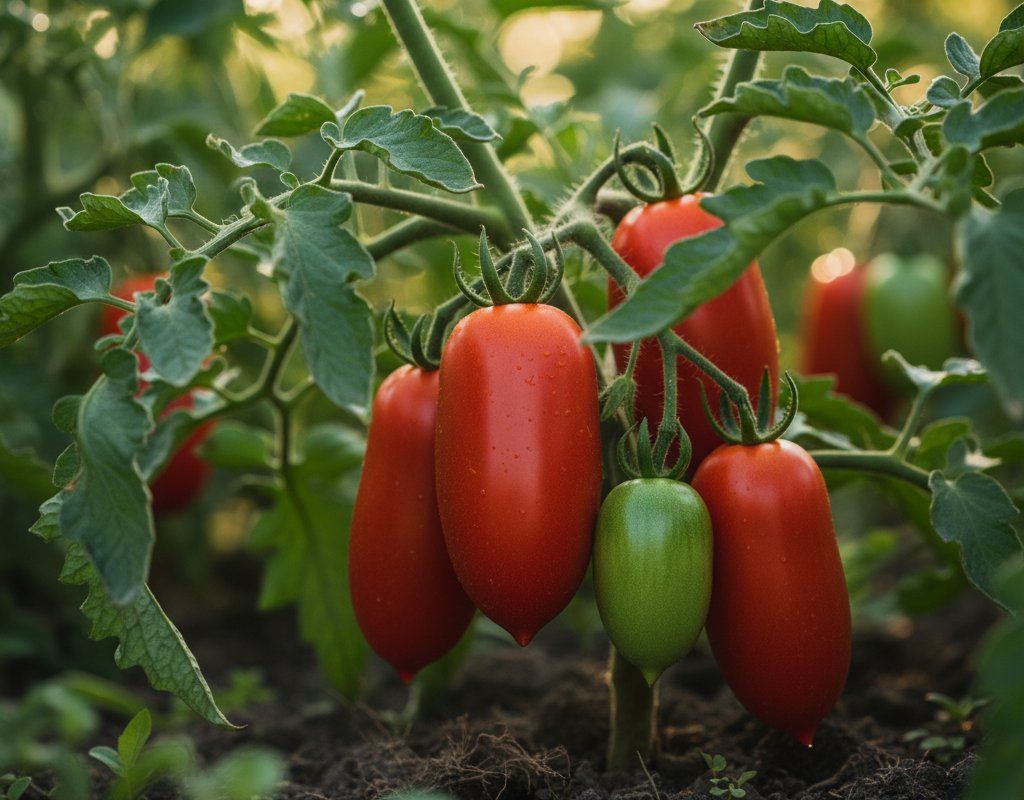
San Marzano Tomatoes in Zone 3B — Great Plains
Solanum lycopersicum · Your Complete 2026 Planting Guide
Planning Ahead — Great!
You’re ahead of the season. Here’s when to start.
Mark Your Calendar
How to Plant San Marzano Tomatoes in Zone 3B — Great Plains
Here are all your options for getting san marzano tomatoes in the ground, from the easiest method to more advanced approaches.
Start Seeds Indoors
RecommendedMid April through early May
around April 22
Then transplant: Early to mid June
Start seeds 6-8 weeks before transplanting outdoors.
Buy Starts
Works WellEarly to mid June
around June 3
Plant purchased starts after last frost (May 20).
Direct Sow Seeds
ChallengingDirect sowing is not typical for San Marzano Tomatoes.
Transplant Outdoors
Timing InfoEarly to mid June
around June 3
Wait until nighttime temperatures stay above 50°F.
Plan to transplant within a few weeks of your target date.
Overview
San Marzano tomatoes bring authentic Italian paste-making tradition to your Great Plains garden, delivering that coveted sweet-tart flavor and meaty texture that makes superior sauce, paste, and canning. These indeterminate plants thrive in our intense Plains sunshine and produce heavy clusters of elongated red fruit that store beautifully through our variable-weather winters. You'll taste the difference immediately — these aren't your typical supermarket paste tomatoes.
Our 118-day growing season works perfectly for San Marzanos if you start them early indoors, giving them the warm start they need before our unpredictable spring settles down. While these heat-lovers aren't the most cold-hardy option, proper timing lets you work around our extreme temperature swings and short season to harvest abundant fruit before that mid-September frost.
Starting Seeds Indoors
Start your San Marzano seeds indoors from mid-April through early May, about 6 weeks before you plan to transplant outdoors in early June. Use seed-starting trays filled with quality potting mix, placing seeds about ¼ inch deep and keeping the soil consistently warm — around 70-75°F works best for quick germination.
Set up grow lights or place trays in your sunniest south-facing window, maintaining steady moisture through bottom watering rather than overhead spraying. Bottom watering prevents damping-off disease and keeps those tender seedling stems from getting waterlogged during our variable spring weather.
Your Great Plains timing window gives you flexibility since our spring weather swings wildly — starting anytime within that 3-week range lets you adjust for late cold snaps or unexpected warm spells that might tempt you to plant too early.
Transplanting Outdoors
Plan to transplant your San Marzano seedlings outdoors from early to mid-June, after soil temperatures stay consistently above 60°F and nighttime lows remain above 50°F. Harden off seedlings gradually over a week by moving them outdoors for increasing periods daily, starting with 2-3 hours in filtered light and building up to full sun exposure.
Space plants 24-36 inches apart to allow good air circulation, which is crucial in our sometimes humid summer conditions and helps prevent disease issues. The wider spacing also gives these indeterminate plants room to spread without competing for nutrients in your prairie soil.
Watch weather forecasts carefully during transplant time — our Plains weather can surprise you with late cold fronts or sudden temperature drops that stress newly transplanted tomatoes. Keep row covers handy for unexpected cool nights during that first week outdoors.
Watering San Marzano Tomatoes in Zone 3B (Great Plains)
San Marzano tomatoes need consistent, deep watering to develop their characteristic meaty texture and prevent blossom end rot, which these paste varieties are particularly prone to. In our hot Plains summers with typical highs around 93°F and variable rainfall, you'll need to supplement natural precipitation significantly.
Water deeply 2-3 times per week rather than daily light watering, providing about 1.5-2 inches total per week including rainfall. Check soil moisture by sticking your finger 2 inches deep — if it's dry at that depth, it's time to water. Our low-to-moderate humidity means plants lose moisture quickly, especially during windy periods.
Water at the base of plants rather than overhead to keep foliage dry and reduce disease pressure. Soaker hoses work exceptionally well in our conditions, delivering steady moisture while conserving water during drought periods. Mulch heavily with grass clippings or straw to maintain even soil moisture and reduce evaporation from our intense summer sun.
Signs of underwatering include wilting during hot afternoons and blossom end rot on developing fruit. Overwatering shows up as yellowing leaves and poor fruit development — less common in our climate but possible during heavy rain periods or if you're watering too frequently rather than deeply.
Supporting Your San Marzano Tomatoes
San Marzano tomatoes absolutely need strong support since these indeterminate plants grow 6-8 feet tall and produce heavy clusters of fruit that can snap branches without proper backing. Install sturdy tomato cages (at least 6 feet tall) or wooden stakes at planting time to avoid disturbing roots later.
Stake systems work particularly well in our windy Plains conditions — use 8-foot stakes driven 18 inches deep, then tie plants loosely with soft cloth strips as they grow. The single-stake method also makes harvesting easier when plants are loaded with fruit clusters.
Wind protection becomes essential as plants mature, so consider your garden's exposure when positioning supports. Plant taller crops like corn or sunflowers on the windward side, or install temporary windbreaks during our notorious summer storms that can flatten unsupported tomato plants in minutes.
Pruning & Maintaining San Marzano Tomatoes
Remove suckers (shoots growing between main stem and branches) when they're small and tender, focusing on the lower portion of the plant up to the first fruit cluster. This concentrates the plant's energy into fruit production rather than excessive foliage, particularly important during our short growing season.
Strip off lower leaves that touch the ground to prevent soil-borne diseases from splashing up during watering or rain. As the season progresses, remove any yellowing or diseased leaves immediately to maintain good air circulation around the plant.
Around early August, pinch out the growing tips to stop vertical growth and direct energy into ripening existing fruit before our mid-September frost arrives. This technique helps ensure your San Marzanos reach full flavor rather than leaving you with green fruit at season's end.
🧪Fertilizing San Marzano Tomatoes
Feeding Schedule
Organic Fertilizer Options
Harvest Time
Expect your first ripe San Marzanos from late August through mid-September, about 80 days after transplanting. Look for deep red color and firm texture — ripe fruit should feel solid but give slightly to gentle pressure, and the stem end should detach easily when you twist and pull gently.
These paste tomatoes don't get soft like slicing varieties when ripe, so don't wait for that texture change. The elongated fruit develops its characteristic deep red color from bottom to top, and you'll notice a slight glossy sheen when they're ready for harvest.
Pick regularly to encourage continued production — San Marzanos produce continuously until frost, so daily harvesting during peak season keeps plants productive. Harvest in the morning when fruit is cool for best flavor and longest storage life.
As mid-September approaches and first frost threatens, harvest all fruit regardless of color. Green San Marzanos ripen beautifully indoors when stored in a warm, dark location wrapped in newspaper. This extends your harvest well into fall despite our short growing season.
Common Problems in Zone 3B (Great Plains)
Blossom End Rot Dark, sunken, leathery patches appear on the bottom (blossom end) of developing fruit, making them inedible. This calcium deficiency problem shows up most on your first fruit clusters and worsens during hot, dry periods typical of our Plains summers. Inconsistent watering — wet-dry cycles — prevents plants from absorbing calcium even when soil has plenty. Maintain steady soil moisture through deep, regular watering and heavy mulching. Don't over-fertilize with nitrogen, which blocks calcium uptake.
Early Blight Brown spots with distinctive target or bullseye patterns appear on lower leaves first, then spread upward as leaves yellow and drop. This fungal disease thrives during our warm, humid periods and spreads through soil splash during watering or storms. Remove affected leaves immediately and destroy them — don't compost. Water at soil level rather than overhead, improve air circulation through proper spacing, and mulch to prevent soil splash. Copper fungicide helps slow spread during wet periods.
Fusarium Wilt Wilting starts on one side of the plant, then spreads as leaves yellow and brown streaks appear in the stem when cut. This soil-borne fungus persists for years and enters through roots, favoring the warm soil temperatures common in our region. No cure exists once plants are infected — remove and destroy affected plants immediately. Plant resistant varieties marked with 'F' on seed packets, rotate crops on 4-year cycles, and maintain soil pH above 6.5 to discourage the fungus.
Great Plains Specific Challenges Our intense summer heat combined with variable rainfall creates perfect conditions for blossom end rot, while our occasional humid periods can trigger fungal diseases. The extreme temperature swings stress plants and make consistent watering crucial, and our short growing season means you can't afford to lose plants to preventable problems.
Best Companions for San Marzano Tomatoes
Plant these nearby for healthier San Marzano Tomatoes and better harvests.
View Full Companion Planting Chart →



Companion Planting Details
Plant basil alongside your San Marzanos — it repels aphids and thrips while improving tomato flavor, plus you'll have fresh basil for your homemade sauce. Carrots and parsley make excellent companions since their deep roots don't compete with tomato roots, and marigolds planted nearby deter nematodes and other soil pests that can damage plants during our long, hot growing season.
Avoid planting brassicas like cabbage or broccoli near tomatoes since they compete for similar nutrients and can stunt growth. Keep fennel far away — it inhibits tomato growth through root secretions, and corn creates too much shade while attracting similar pests that can overwhelm both crops in our intense Plains growing conditions.
🌸Best Flowers to Plant with San Marzano Tomatoes
These flowers protect your San Marzano Tomatoes from pests and attract pollinators for better harvests.
For Pest Control

Get a Reminder When It's Time to Plant
We'll email you when key planting windows open for your zone.