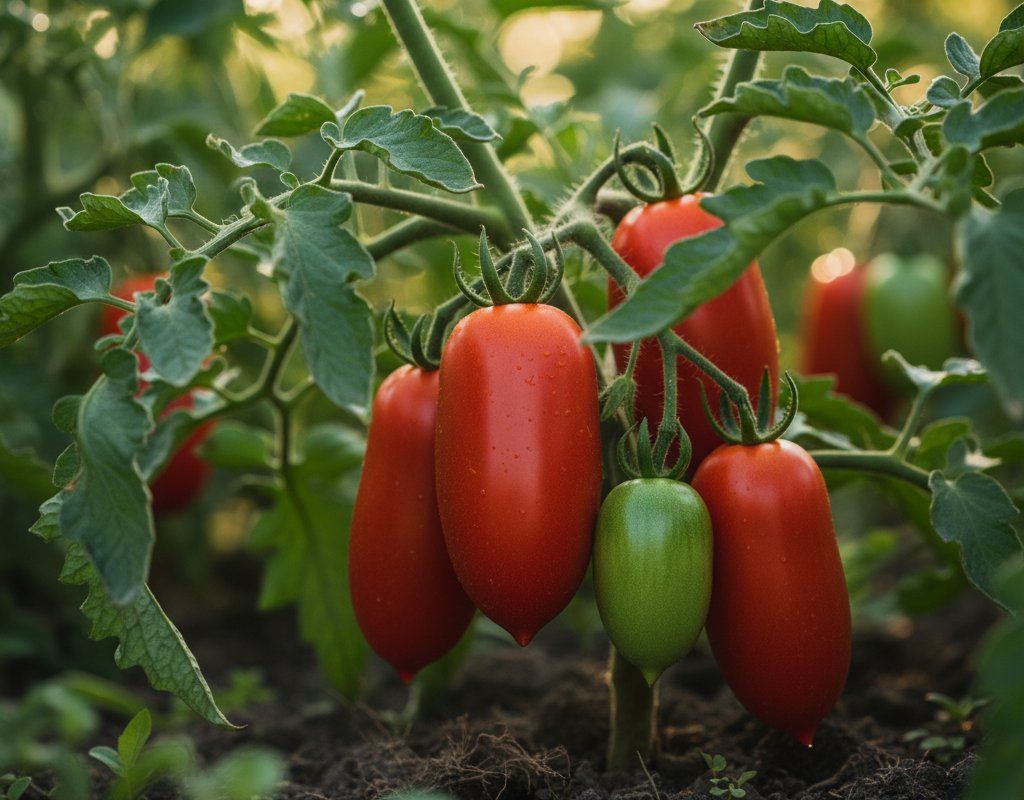
San Marzano Tomatoes in Zone 4B — Great Plains
Solanum lycopersicum · Your Complete 2026 Planting Guide
Planning Ahead — Great!
You’re ahead of the season. Here’s when to start.
Mark Your Calendar
How to Plant San Marzano Tomatoes in Zone 4B — Great Plains
Here are all your options for getting san marzano tomatoes in the ground, from the easiest method to more advanced approaches.
Start Seeds Indoors
RecommendedLate March through late April
around April 7
Then transplant: Mid May through mid June
Start seeds 6-8 weeks before transplanting outdoors.
Buy Starts
Works WellMid May through mid June
around May 19
Plant purchased starts after last frost (May 5).
Direct Sow Seeds
ChallengingDirect sowing is not typical for San Marzano Tomatoes.
Transplant Outdoors
Timing InfoMid May through mid June
around May 19
Wait until nighttime temperatures stay above 50°F.
You have a nice window — no need to rush.
Overview
San Marzano tomatoes are the crown jewel of paste tomatoes, and they thrive in our Plains conditions once you get the timing right. These Italian heirloom beauties produce meaty, almost seedless fruit with that perfect balance of sweetness and acidity that makes them legendary for sauce-making. Our intense Great Plains sunshine and low disease pressure actually work in their favor, helping develop that concentrated flavor these tomatoes are famous for.
Yes, our variable spring weather and short growing season present challenges, but with our 149-day season and proper indoor starting, you'll have plenty of time to enjoy a substantial harvest. The key is getting them started indoors early enough to take full advantage of our hot summers, then providing consistent water through those temperature swings that define Plains gardening.
Starting Seeds Indoors
Start your San Marzano seeds indoors from late March through late April, about 6 weeks before your planned transplant date. With our variable Plains spring weather, this indoor head start is absolutely essential – you can't risk direct sowing these tender plants with our unpredictable temperature swings.
Set up seed trays with quality potting mix in a warm location (70-75°F works well). Bottom watering works best for tomato seedlings, preventing damping-off disease while ensuring even moisture. Place trays in your warmest, brightest south-facing window or under grow lights if you have them.
Once seedlings emerge and develop their first true leaves, you can move them to a slightly cooler location. Keep the soil consistently moist but not soggy, and begin weekly fertilizing with diluted liquid fertilizer once they're 3-4 inches tall.
Transplanting Outdoors
Plan to transplant your San Marzano seedlings from mid-May through mid-June, after both soil and nighttime air temperatures stay consistently above 50°F. In our Plains climate, this timing helps you avoid those late cold snaps that can set plants back significantly.
Before transplanting, harden off your seedlings gradually over one week by placing them outside for increasing periods daily, starting with just a few hours in filtered light. Our Plains winds can be particularly tough on tender transplants, so choose a protected spot during this adjustment period.
Space plants 24-36 inches apart in your sunniest location, giving them room for good air circulation. At transplant time, bury the stem up to the first set of true leaves to encourage strong root development – this extra root mass will serve you well during our hot, dry summer stretches.
Watering San Marzano Tomatoes in Zone 4B (Great Plains)
Consistent watering is absolutely critical for San Marzano tomatoes in our Plains climate, where variable rainfall and hot summers create challenging conditions. These paste-type tomatoes are particularly prone to blossom end rot when moisture levels fluctuate, and with our typical summer highs reaching 93°F, plants stress quickly without adequate water.
Aim for 1-2 inches of water per week, adjusting based on our variable rainfall patterns and temperature. Use the finger test – stick your finger 2 inches into the soil near the plant base. If it's dry at that depth, it's time to water deeply. In our low-to-moderate humidity environment, you can water at the base or use overhead sprinklers without major disease concerns, though base watering conserves more moisture.
Watch for signs of water stress: wilting during hot afternoons (even with adequate soil moisture) is normal, but wilting that persists into evening indicates insufficient water. Conversely, consistently soggy soil in our clay-rich prairie soils can cause root rot and yellowing lower leaves.
Apply 2-3 inches of mulch around plants to help maintain even soil moisture through our temperature swings. Grass clippings or shredded leaves work well in our climate, helping soil retain moisture during those inevitable dry spells while keeping roots cooler during heat waves.
Supporting Your San Marzano Tomatoes
San Marzano tomatoes are vigorous indeterminate plants that will easily reach 6-8 feet tall in our Plains growing conditions, producing heavy clusters of fruit that require strong support. Install sturdy tomato cages (at least 6 feet tall) or stake-and-string systems at planting time – trying to add support later damages roots and stems.
In our windy Plains environment, choose heavy-duty cages or drive stakes at least 18 inches deep for stability. T-posts with horizontal wire supports work exceptionally well here, providing the wind resistance these tall plants need. Position supports on the prevailing wind side when possible, or create windbreaks using row covers during the most vulnerable early growth period.
Train main stems to your support system weekly, gently tying with soft materials like cloth strips. Our intense sunshine and good air circulation help prevent most disease issues, but proper training keeps fruit off the ground and makes harvesting easier when those heavy clusters develop.
Pruning & Maintaining San Marzano Tomatoes
Remove suckers (shoots growing between main stem and branches) regularly throughout the growing season, focusing especially on those below the first flower cluster. This concentrates the plant's energy into fruit production rather than excessive foliage, which is particularly important given our shorter 149-day growing season.
Strip off lower leaves that touch the ground to improve air circulation and prevent soil-borne diseases from splashing up during watering or storms. In late summer, around early August, pinch out the growing tips to encourage the plant to ripen existing fruit rather than setting new flowers that won't have time to mature.
As first frost approaches in early October, remove any remaining flowers and small green fruit to focus the plant's energy on ripening larger tomatoes. This end-of-season pruning often makes the difference between green tomatoes and a final flush of ripe fruit before winter arrives.
🧪Fertilizing San Marzano Tomatoes
Feeding Schedule
Organic Fertilizer Options
Harvest Time
Your first San Marzano tomatoes should be ready from early August through late September, about 80 days after transplanting. These paste tomatoes are ready when they've developed their characteristic deep red color and elongated oval shape, feeling firm but giving slightly to gentle pressure.
Harvest by gently twisting and pulling – ripe fruit detaches easily from the stem without damaging the plant. Pick regularly to encourage continued production; San Marzanos will keep producing until frost if you maintain consistent harvesting and watering.
As early October approaches and first frost threatens, harvest all mature green fruit. San Marzanos ripen well indoors when picked at the "mature green" stage (full size but still green). Place them in a warm location out of direct sunlight, checking daily and using as they ripen.
For maximum flavor, try to let fruit ripen on the plant as long as possible. However, don't risk losing your entire late-season harvest to an unexpected early freeze – our Plains weather can turn quickly in fall, and it's better to ripen the last tomatoes indoors than lose them to frost.
Common Problems in Zone 4B (Great Plains)
Blossom End Rot This appears as dark, sunken, leathery patches on the bottom (blossom end) of fruit, often affecting your first tomatoes of the season. It's not a disease but a calcium deficiency caused by inconsistent watering – exactly the challenge our variable Plains rainfall and hot summers create. The soil may have plenty of calcium, but drought-flood cycles prevent plants from absorbing it properly. Maintain consistent soil moisture through mulching and regular watering schedules, avoid over-fertilizing with nitrogen, and remove affected fruit to redirect plant energy.
Early Blight Look for brown spots with distinctive concentric rings (bullseye pattern) starting on lower leaves, then spreading upward as leaves yellow and drop. This fungal disease thrives in our warm summer conditions and spreads through soil splash during storms or overhead watering. Remove affected leaves immediately (don't compost them), mulch heavily to prevent soil splash, water at plant bases rather than overhead, and ensure good spacing for air circulation. Copper-based fungicides can slow spread if applied early.
Fusarium Wilt This soil-borne fungal disease causes wilting that typically starts on one side of the plant, followed by yellowing leaves and brown streaks visible inside the stem when cut. Our warm Plains soil temperatures favor this persistent fungus. There's no cure once plants are infected – remove and destroy affected plants immediately. Prevention is key: choose resistant varieties marked with 'F' on seed packets, rotate tomato family crops on a 4-year cycle, and maintain soil pH above 6.5.
Great Plains Specific Challenges: Our combination of hot summers, variable rainfall, and intense sunshine creates perfect conditions for blossom end rot in paste tomatoes like San Marzanos. The low-to-moderate humidity helps prevent many foliar diseases, but makes consistent watering even more critical for fruit development.
Best Companions for San Marzano Tomatoes
Plant these nearby for healthier San Marzano Tomatoes and better harvests.
View Full Companion Planting Chart →



Companion Planting Details
Plant basil near your San Marzano tomatoes – it naturally repels aphids and thrips while improving tomato flavor, plus you'll have fresh basil for your homemade sauce. Carrots and parsley make excellent companions, with carrots helping break up clay prairie soil while parsley attracts beneficial insects that control tomato hornworms. Marigolds planted throughout the tomato patch deter nematodes and add bright color while attracting pollinators.
Avoid planting brassicas (cabbage family) or fennel near tomatoes, as they can stunt growth and compete for nutrients. Corn should be planted elsewhere since both crops attract similar pests and corn's height can shade tomatoes in our already challenging short growing season. In our windy Plains conditions, focus on companions that won't compete for space or create wind tunnels that stress your tomato plants.
🌸Best Flowers to Plant with San Marzano Tomatoes
These flowers protect your San Marzano Tomatoes from pests and attract pollinators for better harvests.
For Pest Control

Get a Reminder When It's Time to Plant
We'll email you when key planting windows open for your zone.