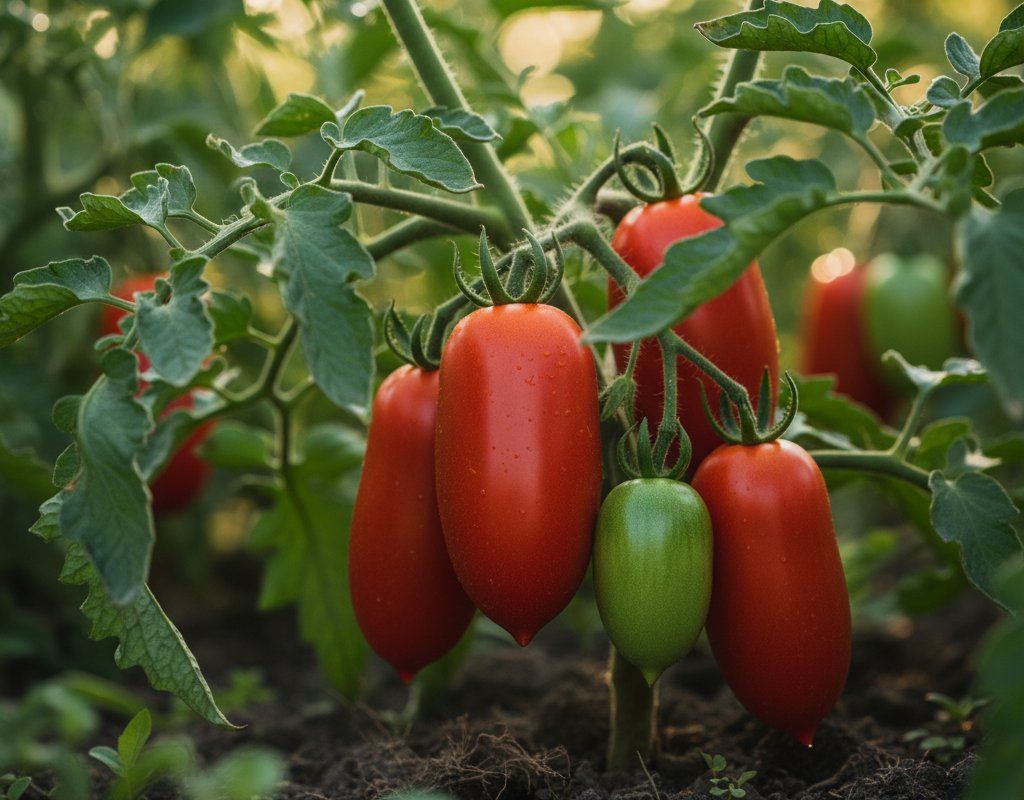
San Marzano Tomatoes in Zone 6A — Mountain West
Solanum lycopersicum · Your Complete 2026 Planting Guide
Planning Ahead — Great!
You’re ahead of the season. Here’s when to start.
Mark Your Calendar
How to Plant San Marzano Tomatoes in Zone 6A — Mountain West
Here are all your options for getting san marzano tomatoes in the ground, from the easiest method to more advanced approaches.
Start Seeds Indoors
RecommendedLate March through mid April
around April 3
Then transplant: Mid May through mid June
Start seeds 6-8 weeks before transplanting outdoors.
Buy Starts
Works WellMid May through mid June
around May 15
Plant purchased starts after last frost (May 1).
Direct Sow Seeds
ChallengingDirect sowing is not typical for San Marzano Tomatoes.
Transplant Outdoors
Timing InfoMid May through mid June
around May 15
Wait until nighttime temperatures stay above 50°F.
You have a nice window — no need to rush.
Overview
San Marzano tomatoes are the gold standard for sauce-making, producing those prized elongated, meaty fruits with minimal seeds and exceptional flavor. In our Mountain West climate, these Italian heirlooms actually thrive in our intense sunlight and benefit from our cool nights, which concentrate sugars and develop that deep, complex taste that makes them worth the extra effort. Your 153-day growing season gives you just enough time to enjoy a solid harvest of these premium paste tomatoes.
While San Marzanos need consistent warmth and water to reach their full potential, our short season and late spring start make timing everything. The key is getting them started indoors early enough and protecting them through those inevitable temperature swings that define Mountain gardening. Once established, they'll reward you with fruit that makes store-bought sauce seem like a pale imitation.
Starting Seeds Indoors
Start your San Marzano seeds indoors from late March through mid-April, about six weeks before your planned transplant date. In our region where spring arrives fashionably late, this indoor head start is absolutely essential for getting these 80-day tomatoes to maturity before our early October frost. Set up your seed trays in a warm spot (70-75°F) with good light - a south-facing window or grow lights work well.
Use a quality seed starting mix and practice bottom watering by placing your seed trays in shallow pans of water. This prevents the soil surface from crusting over and helps maintain consistent moisture without disturbing the seeds. Our low humidity means the soil surface dries quickly, so check daily and water from below when the top inch feels dry.
Keep seedlings under lights or in your brightest window once they emerge. Our intense Mountain sun will toughen them up later, but for now they need steady warmth and light to develop strong root systems before facing the challenges of high-altitude gardening.
Transplanting Outdoors
Plan to transplant your San Marzanos from mid-May through mid-June, after all danger of frost has passed and nighttime temperatures consistently stay above 50°F. Our elevation means that even late May can surprise you with an unexpected cold snap, so don't rush this step. A week of hardening off is crucial - gradually expose your seedlings to outdoor conditions for longer periods each day.
Space your plants 24-36 inches apart to ensure good air circulation in our low-humidity environment. The wider spacing also helps each plant capture maximum benefit from our intense sunlight while reducing competition for water and nutrients in our typically alkaline soil.
Choose a sunny, protected location and be prepared to cover plants if late spring weather turns threatening. Our Mountain weather can shift quickly, and young tomato transplants are particularly vulnerable to both cold and our occasional late-season hail storms.
Watering San Marzano Tomatoes in Zone 6A (Mountain West)
Consistent watering is absolutely critical for San Marzanos in our dry Mountain climate. These paste tomatoes are particularly prone to blossom end rot, which appears as a sunken, dark patch on the fruit bottom and is directly caused by inconsistent moisture levels. Plan to provide about 1-2 inches of water per week, adjusting based on our sporadic summer rainfall and intense sun.
Use the finger test - stick your finger 2 inches deep into the soil near the plant base. If it's dry at that depth, it's time to water. In our low-humidity environment with typical summer highs around 85°F, you'll likely need to water every 2-3 days during peak growing season, possibly daily during hot spells or if you're growing in containers.
Water deeply at the base of plants rather than overhead. Our low humidity means foliar diseases are less of a concern than in more humid regions, but watering at soil level helps every drop reach the roots where it's needed most. Early morning watering works best, giving plants time to absorb moisture before our intense afternoon sun kicks in.
Apply a 2-3 inch layer of organic mulch around plants to help retain moisture and moderate soil temperature swings. In our climate where soil can heat up quickly under intense sun then cool dramatically at night, mulch becomes your best friend for maintaining the consistent soil conditions that prevent blossom end rot and keep these heavy feeders happy.
Supporting Your San Marzano Tomatoes
San Marzanos are vigorous indeterminate varieties that will easily reach 6-8 feet tall in our growing conditions, making sturdy support absolutely essential. Install heavy-duty tomato cages (at least 6 feet tall) or strong stakes at planting time - trying to add support later risks damaging the extensive root system these plants develop.
For staking, use 8-foot stakes driven at least 18 inches deep, then tie plants loosely with soft materials like fabric strips or tomato clips. Our occasional strong winds and the eventual weight of heavy fruit clusters demand support that won't bend or break mid-season.
Train the main stem upward and secure it every 12-18 inches as the plant grows. San Marzanos produce heavy clusters of elongated fruit that can snap branches if not properly supported, especially when combined with our intense sun that can make branches more brittle than in more humid climates.
Pruning & Maintaining San Marzano Tomatoes
Remove suckers (shoots that grow between the main stem and branches) when they're small and easy to pinch off with your fingers. Focus especially on removing suckers below the first fruit cluster and any that grow from the base of the plant. This directs energy into fruit production rather than excessive foliage growth.
Strip off lower leaves as the plant grows, removing any that touch the ground or show signs of disease. Good airflow around the base helps prevent soil-borne problems and makes watering more effective in our dry climate. Keep about 18-24 inches of clear stem at the bottom of mature plants.
As first frost approaches in early October, top the plants by pinching out the growing tips. This redirects energy into ripening existing fruit rather than producing new flowers that won't have time to mature. You can also remove some upper foliage to allow maximum sun exposure to developing fruit during those final crucial weeks.
🧪Fertilizing San Marzano Tomatoes
Feeding Schedule
Organic Fertilizer Options
Harvest Time
Your first San Marzanos should be ready from early August through late September, depending on when you transplanted and how the summer weather develops. Look for fruits that have turned a deep red color and feel firm but give slightly to gentle pressure. The elongated shape should be well-developed, typically 3-4 inches long, and the fruit should detach easily from the vine with a gentle twist.
Harvest regularly to encourage continued production - these indeterminate varieties will keep producing until frost if you keep picking. Check plants every 2-3 days during peak season, as our intense sun can quickly take fruit from perfect to overripe. San Marzanos are particularly good at holding their quality for several days after reaching peak ripeness.
As early October frost threatens, harvest all remaining fruit regardless of ripeness stage. Green and partially ripe San Marzanos ripen well indoors when stored at room temperature away from direct sunlight. You can also pull entire plants and hang them in a cool, dry place to continue ripening - our low humidity actually helps this process.
The flavor payoff comes with patience - let fruits reach full color and slight softness for the best sauce-making qualities. Under-ripe fruit lacks the complex flavor and proper texture that makes San Marzanos special, so resist the urge to pick too early even as season's end approaches.
Common Problems in Zone 6A (Mountain West)
Blossom End Rot You'll see a sunken, dark brown or black leathery patch on the bottom (blossom end) of the fruit, often affecting the first fruits of the season. This isn't a disease but a calcium deficiency caused by inconsistent watering - exactly the challenge our dry Mountain climate can create. Our low humidity and intense sun make it easy to fall into drought-flood watering cycles that trigger this problem. Maintain consistent soil moisture through regular deep watering and heavy mulching. Remove affected fruits to redirect plant energy, and focus on steady watering practices rather than calcium supplements.
Early Blight Look for brown spots with concentric rings creating a target or bullseye pattern on lower leaves first, then spreading upward as leaves yellow and drop. This fungal disease actually benefits from our intense UV and warm soil conditions, spreading through soil splash onto lower leaves. Remove and destroy affected leaves immediately (don't compost them), mulch heavily to prevent soil splash, and water only at the base of plants. Our low humidity works in your favor here - this disease struggles without moisture on leaf surfaces.
Fusarium Wilt You'll notice wilting on one side of the plant first, followed by yellowing leaves and brown streaks visible when you cut open the stem. This soil-borne fungus thrives in our warm summer soil temperatures and alkaline conditions. There's no cure once a plant is infected - remove and destroy it completely. Prevention means choosing resistant varieties (look for 'F' on seed packets), rotating crops on a 4-year cycle, and maintaining soil pH above 6.5, which is usually easy in our naturally alkaline Mountain soils.
Mountain West Specific Challenges Our moderate summer temperatures and low humidity actually work in favor of San Marzanos compared to hotter, more humid regions, but the combination of intense UV, alkaline soil, and dramatic day-night temperature swings can stress plants. The key is consistent watering and protection from our occasional hail storms, which can shred tomato foliage in minutes.
Best Companions for San Marzano Tomatoes
Plant these nearby for healthier San Marzano Tomatoes and better harvests.
View Full Companion Planting Chart →



Companion Planting Details
Plant basil nearby for its pest-repelling properties and because both crops enjoy similar growing conditions - plus you'll have the perfect herb partnership for your sauce-making. Carrots make excellent companions since their deep taproots don't compete with tomato surface roots, and marigolds help deter nematodes and other soil pests while adding color to your garden. Parsley planted around tomato bases can help retain soil moisture in our dry climate while providing a useful herb harvest.
Avoid planting brassicas like cabbage or broccoli near your San Marzanos, as they compete for similar nutrients and can harbor diseases that affect tomatoes. Skip fennel entirely - it can stunt tomato growth through allelopathic effects. Corn is also a poor companion since both are heavy feeders that will compete for nutrients in our typically lean Mountain soils, and corn can shade tomatoes from the intense sun they need to thrive at our elevation.
🌸Best Flowers to Plant with San Marzano Tomatoes
These flowers protect your San Marzano Tomatoes from pests and attract pollinators for better harvests.
For Pest Control

Get a Reminder When It's Time to Plant
We'll email you when key planting windows open for your zone.