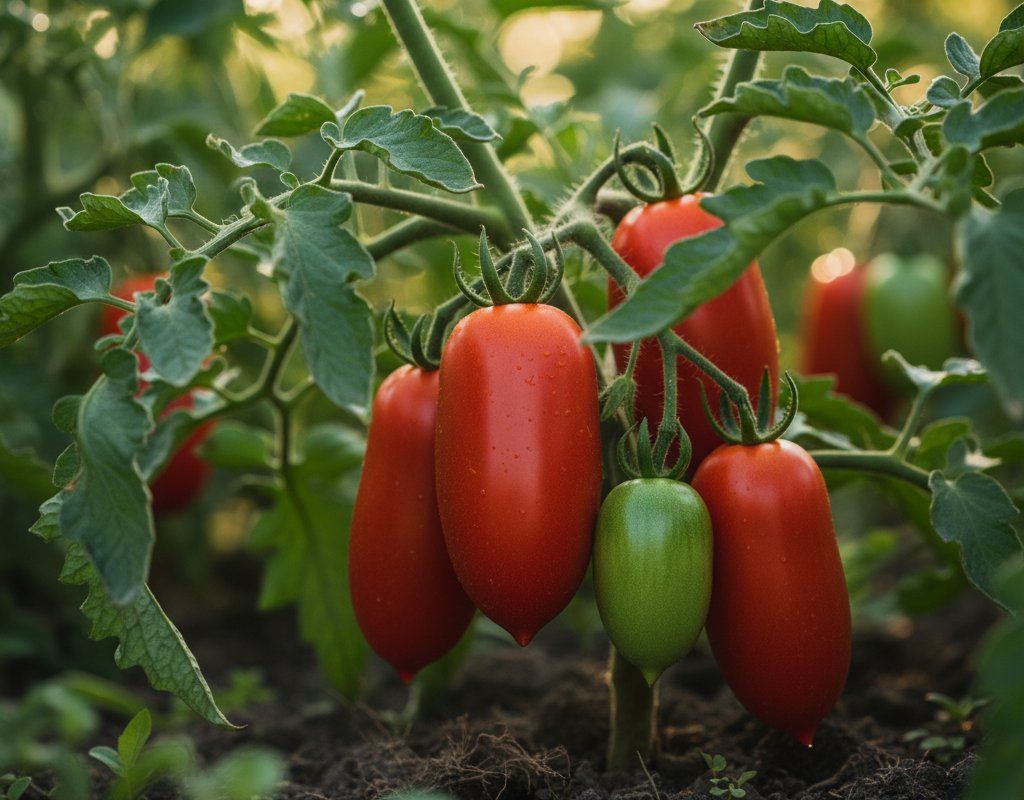
San Marzano Tomatoes in Zone 6B — Mountain West
Solanum lycopersicum · Your Complete 2026 Planting Guide
Planning Ahead — Great!
You’re ahead of the season. Here’s when to start.
Mark Your Calendar
How to Plant San Marzano Tomatoes in Zone 6B — Mountain West
Here are all your options for getting san marzano tomatoes in the ground, from the easiest method to more advanced approaches.
Start Seeds Indoors
RecommendedLate March through mid April
around March 28
Then transplant: Early May through early June
Start seeds 6-8 weeks before transplanting outdoors.
Buy Starts
Works WellEarly May through early June
around May 9
Plant purchased starts after last frost (April 25).
Direct Sow Seeds
ChallengingDirect sowing is not typical for San Marzano Tomatoes.
Transplant Outdoors
Timing InfoEarly May through early June
around May 9
Wait until nighttime temperatures stay above 50°F.
You have a nice window — no need to rush.
Overview
San Marzano tomatoes are pure gold for Mountain West gardeners who want restaurant-quality sauce tomatoes despite our challenging high-altitude conditions. These Italian heirlooms produce meaty, low-seed fruits perfect for canning and cooking, with an intense flavor that develops beautifully in our cool nights and intense sunlight. Their naturally low moisture content makes them ideal for our dry climate, and they actually benefit from the temperature swings that define our mountain summers.
While San Marzanos need a longer season than some varieties, our 163-day growing window gives you plenty of time if you start early indoors. The key is working with our late spring start and protecting these heat-lovers from our occasional cold snaps. With proper timing and consistent care, you'll harvest baskets of these prized paste tomatoes from late summer through your first October frost.
Starting Seeds Indoors
Start your San Marzano seeds indoors from late March through mid-April, about 6 weeks before your planned transplant date. In our mountain climate, this indoor start is absolutely essential since these 80-day varieties need every bit of our short growing season. Set up seed trays in a warm spot (70-75°F) with good light - a south-facing window works, but grow lights give more reliable results during our variable spring weather.
Use bottom watering for your seedlings to prevent damping off, which can be an issue in our dry indoor air during heating season. Fill a tray with water and let the seed containers absorb moisture from below. This method also encourages stronger root development, which your plants will need to handle our intense summer sun and occasional drought stress.
Keep seedlings warm and gradually introduce them to brighter light as they develop their first true leaves. Our late spring means you have time to grow strong, stocky transplants before moving them outside.
Transplanting Outdoors
Plan to transplant your San Marzanos from early May through early June, timing it for after your last expected frost and when nighttime temperatures consistently stay above 50°F. In our mountain climate, this often means waiting until mid-May or even later if you're at higher elevation. Soil temperature is just as critical as air temperature - wait until your garden soil reaches at least 60°F consistently.
Harden off your seedlings for a full week before transplanting by gradually exposing them to outdoor conditions. Start with just 2-3 hours of morning sun, then increase daily. Our intense UV and temperature swings can shock tender seedlings, so this gradual transition is crucial for strong plants later.
Space plants 24-36 inches apart to ensure good air circulation, which helps prevent disease in our occasionally humid monsoon season. Plant deeply, burying 2/3 of the stem to encourage a strong root system that can handle our alkaline soil and intense summer sun. Install support structures at planting time rather than trying to add them later.
Watering San Marzano Tomatoes in Zone 6B (Mountain West)
San Marzanos need consistent, deep watering throughout our mountain growing season - they're not drought tolerant like some tomato varieties. In our dry climate with only 10-20 inches of annual rainfall, you'll need to provide about 1-2 inches of water per week during peak growing season. The key is keeping soil moisture even, as these paste tomatoes are particularly prone to blossom end rot when watering becomes inconsistent.
Use the finger test to check moisture levels: stick your finger 2 inches into the soil near the base of the plant. If it's dry at that depth, it's time to water deeply. Our low humidity means surface soil dries quickly, but you want to encourage deep root growth that can access consistent moisture below.
Water at the base of plants rather than overhead to make the most of our low humidity and prevent foliar diseases. Soaker hoses or drip irrigation work perfectly for our climate. Early morning watering gives plants time to absorb moisture before our intense midday sun hits, and helps prevent the rapid moisture loss that our dry air and strong UV can cause.
Apply a 3-4 inch layer of organic mulch around plants after the soil warms up, keeping it away from stems. This is especially important in our climate where soil moisture can fluctuate dramatically between our cool nights and warm, sunny days. Watch for signs of stress: wilting during the hottest part of the day despite adequate soil moisture, or cracking fruit from inconsistent watering.
Supporting Your San Marzano Tomatoes
San Marzano tomatoes are vigorous indeterminate varieties that can easily reach 6-8 feet tall in our mountain growing conditions, especially with our intense sunlight promoting strong growth. Heavy clusters of fruit make sturdy support essential from day one. Install 6-foot tall cages or strong stakes at planting time - trying to add support later risks damaging the extensive root system these plants develop.
For staking, use 8-foot posts driven 2 feet into the ground, giving you the 6-foot height these plants need. Tie plants loosely with soft strips of fabric every 12-18 inches as they grow, making figure-8 loops that won't cut into stems during our occasional strong afternoon winds. Sturdy tomato cages work well too, but choose heavy-gauge wire versions that won't bend under the weight of a full harvest.
Train the main stem upward and tie regularly throughout the season. Our intense UV can make untrained branches heavy with fruit, causing them to break or split at joints. Strong support becomes even more critical as harvest approaches and plants carry multiple clusters of large San Marzano fruits.
Pruning & Maintaining San Marzano Tomatoes
Remove suckers (shoots growing between main stems and branches) regularly throughout the growing season to focus energy on fruit production rather than excess foliage. In our intense mountain sun, moderate pruning also improves air circulation, which becomes important during late summer when humidity can increase with afternoon thunderstorms.
Start by removing all suckers and lower leaves up to the first flower cluster once plants are established. Continue removing suckers weekly, but leave some upper foliage to protect developing fruit from our intense UV. San Marzanos benefit from having 4-6 main stems rather than just one, so you can be less aggressive than with some other indeterminate varieties.
As first frost approaches in early October, top plants by pinching growing tips in late August to early September. This encourages plants to ripen existing fruit rather than starting new clusters that won't have time to mature. Remove any diseased or yellowing lower leaves throughout the season, but maintain enough healthy foliage to shade fruit and power continued production through your harvest window.
🧪Fertilizing San Marzano Tomatoes
Feeding Schedule
Organic Fertilizer Options
Harvest Time
Your first San Marzanos will be ready from late July through mid-September, about 80 days from transplant. Look for deep red color and fruits that give slightly to gentle pressure but still feel firm. The classic elongated shape should be fully developed, typically 3-4 inches long. Ripe fruits will detach easily with a gentle twist and pull - if you have to tug hard, give them another few days.
Harvest regularly every 2-3 days during peak season to keep plants producing. Morning harvest is ideal in our climate since fruits will be fully hydrated from cool nighttime temperatures. Use clean garden shears for tough stems rather than pulling, which can damage plants and reduce continued production.
As early October frost approaches, harvest all mature green fruits and let them ripen indoors. San Marzanos ripen well off the vine when placed in a warm spot away from direct light. You can also pull entire plants before hard frost and hang them in a protected area - they'll continue ripening fruits for several more weeks.
Green wrap or row covers can extend your harvest through light frosts, giving you extra time since these paste tomatoes are especially valuable for preservation. Even green San Marzanos make excellent fried green tomatoes or can be used in green tomato salsa.
Common Problems in Zone 6B (Mountain West)
Blossom End Rot Dark, sunken spots on the bottom (blossom end) of fruits, starting small but growing larger and turning black and leathery. This typically affects your first fruits of the season most severely. Despite how it looks, this isn't a disease - it's a calcium deficiency caused by inconsistent watering, which is especially common in our dry mountain climate where soil moisture can swing dramatically. Maintain consistent soil moisture through regular deep watering and heavy mulching. Don't over-fertilize with nitrogen, which can interfere with calcium uptake.
Early Blight Brown spots with distinctive concentric rings (bullseye pattern) starting on lower leaves and moving upward. Leaves turn yellow and drop, weakening the plant. This fungal disease spreads through soil splash and thrives when humidity increases, which can happen during our late-summer thunderstorm season. Remove affected leaves immediately and destroy them (don't compost). Water at soil level to prevent splash, improve spacing for air circulation, and apply mulch to create a barrier between soil and foliage.
Fusarium Wilt Wilting that starts on one side of the plant, yellowing leaves, and brown streaks visible when you cut open the stem. This soil-borne fungus is particularly problematic in our alkaline mountain soils and warm summer temperatures. There's no cure once plants are infected - remove and destroy affected plants immediately. Prevention includes choosing resistant varieties (look for 'F' on seed packets), rotating crops on a 4-year cycle, and maintaining soil pH above 6.5.
Mountain West Specific Challenges: Our intense UV can cause sunscald on fruits, while our alkaline soils can interfere with nutrient uptake. The combination of dry air and inconsistent watering from our variable weather patterns makes blossom end rot especially common. Our cool nights actually help with disease pressure compared to more humid regions, but hail and sudden temperature swings create their own stress that can weaken plants' natural defenses.
Best Companions for San Marzano Tomatoes
Plant these nearby for healthier San Marzano Tomatoes and better harvests.
View Full Companion Planting Chart →



Companion Planting Details
Plant basil nearby for natural pest deterrence - it repels aphids and hornworms while thriving in the same warm conditions your San Marzanos prefer. Carrots make excellent root-level companions since they don't compete for surface nutrients and actually help break up our often-compacted mountain soils. Marigolds planted around the perimeter provide pest control and add beneficial color, while parsley attracts beneficial insects that prey on tomato pests.
Avoid planting brassicas (cabbage, broccoli, kale) near your San Marzanos since they're heavy nitrogen feeders that will compete for nutrients, and their different watering needs don't match well. Skip fennel entirely - it releases compounds that inhibit tomato growth. Corn should be kept distant since both plants attract similar pests and corn can shade your tomatoes from our precious intense sunlight that they need for best flavor development.
🌸Best Flowers to Plant with San Marzano Tomatoes
These flowers protect your San Marzano Tomatoes from pests and attract pollinators for better harvests.
For Pest Control

Get a Reminder When It's Time to Plant
We'll email you when key planting windows open for your zone.