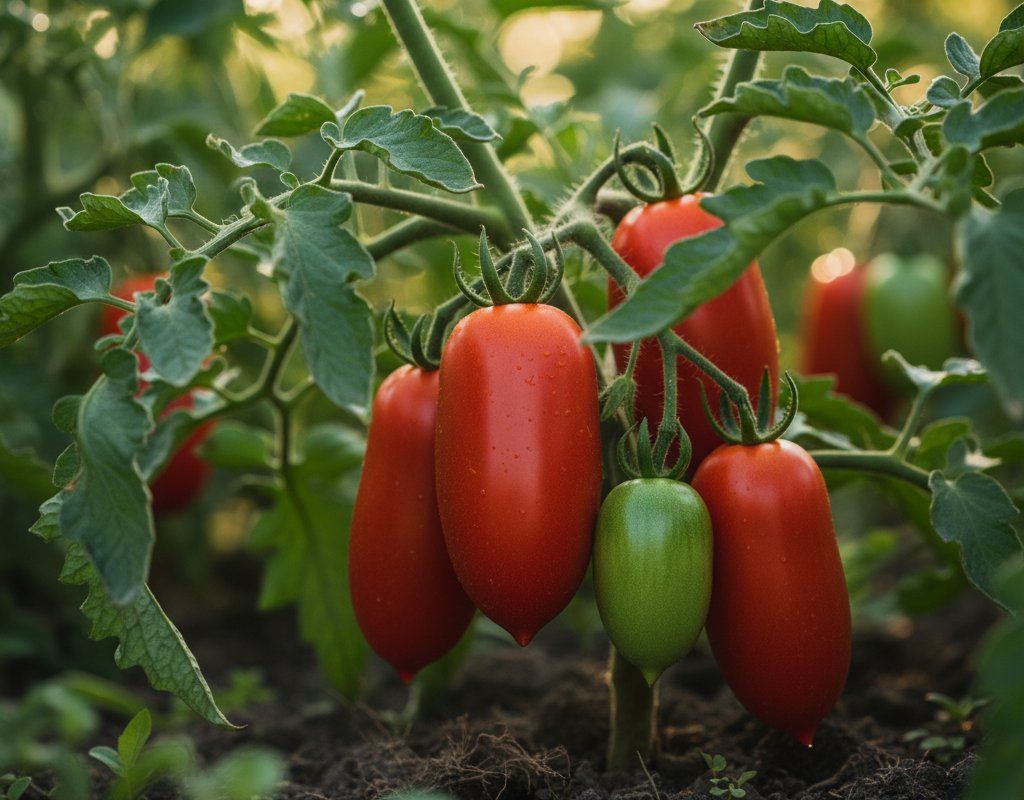
San Marzano Tomatoes in Zone 7A — Pacific Northwest
Solanum lycopersicum · Your Complete 2026 Planting Guide
Planning Ahead — Great!
You’re ahead of the season. Here’s when to start.
Mark Your Calendar
How to Plant San Marzano Tomatoes in Zone 7A — Pacific Northwest
Here are all your options for getting san marzano tomatoes in the ground, from the easiest method to more advanced approaches.
Start Seeds Indoors
RecommendedMid March through early April
around March 23
Then transplant: Early May through early June
Start seeds 6-8 weeks before transplanting outdoors.
Buy Starts
Works WellEarly May through early June
around May 4
Plant purchased starts after last frost (April 20).
Direct Sow Seeds
ChallengingDirect sowing is not typical for San Marzano Tomatoes.
Transplant Outdoors
Timing InfoEarly May through early June
around May 4
Wait until nighttime temperatures stay above 50°F.
You have a nice window — no need to rush.
Overview
San Marzano tomatoes are the holy grail of paste tomatoes, and our Pacific Northwest climate actually gives them an edge over hotter regions. These Italian heirlooms develop their legendary sweet, complex flavor best in our mild summers where temperatures rarely climb above 90°F. You'll get dense, meaty fruit perfect for sauce-making, and the cool nights that define our growing season actually concentrate the sugars and acids that make San Marzanos so prized by chefs.
While our wet springs and relatively short warm season present challenges for heat-loving tomatoes, San Marzanos are surprisingly well-suited to our 183-day growing season. The key is getting them started indoors early enough to take full advantage of our long, mild fall before the first frost arrives around mid-October. With proper timing and consistent care, you'll be harvesting these exceptional tomatoes from late summer well into fall.
Starting Seeds Indoors
Start your San Marzano seeds indoors from mid-March through early April, about 6 weeks before you plan to transplant them outside. Our overcast spring days mean you'll need supplemental lighting for strong seedlings. Set up your seed trays in a warm spot (70-75°F) and use a heating mat if your house runs cool during our wet spring weather.
Plant seeds ¼ inch deep in quality seed-starting mix and keep the soil consistently moist using bottom watering. This prevents damping-off disease, which can be a problem in our humid spring conditions. Once seedlings emerge, provide 12-14 hours of bright light daily. Our slow spring warm-up actually works in your favor here—you won't be rushed to get plants outside before they're properly hardened off.
Transplant into larger pots when the first true leaves appear, giving each plant room to develop a strong root system. This indoor head start is crucial for San Marzanos in our region since they need every bit of our relatively short warm season to reach full maturity.
Transplanting Outdoors
Wait until early May through early June to transplant your San Marzanos outdoors, well after our last frost risk passes in mid-April. Soil temperature is more critical than air temperature—wait until your soil consistently reaches 60°F, which often takes longer in our region due to the cool, wet spring conditions.
Harden off your seedlings for a full week before transplanting by gradually exposing them to outdoor conditions. Start with 2-3 hours of filtered sunlight and work up to full days outdoors. Our variable spring weather with surprise cool snaps makes this gradual transition especially important for tender tomato plants.
Space plants 24-36 inches apart to ensure good air circulation, which is crucial for preventing disease in our relatively humid climate. Choose your sunniest, most protected spot since San Marzanos need every bit of heat they can get during our mild summers. Plant slightly deeper than they were in their pots to encourage strong root development.
Watering San Marzano Tomatoes in Zone 7A (Pacific Northwest)
San Marzanos require consistent, deep watering throughout our dry summer months, especially since they're not drought tolerant. These paste tomatoes are particularly prone to blossom end rot when watering is inconsistent, so establishing a regular schedule is crucial for your harvest success.
During our typical dry summer (July through September), provide about 1-2 inches of water per week through deep, slow watering at the base of plants. The finger test works well—if the soil is dry 2 inches down, it's time to water. Our mild summer temperatures mean you won't need the intense watering schedules required in hotter regions, but don't let this fool you into underwatering.
Water early morning at soil level rather than overhead to prevent disease issues. Our dry-summer humidity actually helps here since you won't deal with the fungal problems common in more humid regions. However, our dense clay soils in many areas can create drainage issues, so ensure your beds drain well to prevent root rot.
Mulch heavily around plants with straw or shredded leaves to maintain consistent soil moisture. This is especially important for preventing the drought-stress-to-flood-stress cycles that trigger blossom end rot. During our wet spring, ease up on watering, but once our dry season kicks in around late June, maintain that consistent weekly schedule through first frost.
Supporting Your San Marzano Tomatoes
San Marzanos are indeterminate varieties that can easily reach 6-8 feet tall by season's end, so they need strong support from day one. Install sturdy 6-foot tomato cages or stake-and-tie systems at planting time—trying to add support later damages roots and disturbs established plants.
Heavy-duty cages work well for the home gardener, but make sure they're tall enough and anchored securely. Our fall windstorms can topple inadequately supported plants just when they're loaded with fruit. Alternatively, use 8-foot stakes with soft ties, training the main stem upward as it grows.
As plants develop, gently guide branches through cage openings or tie them to stakes every 12-18 inches. San Marzanos produce heavy clusters of elongated fruit that can snap branches without proper support, especially during our fall harvest season when plants are fully loaded.
Pruning & Maintaining San Marzano Tomatoes
Remove suckers (shoots growing between main stem and branches) when they're small and soft, especially on the lower portion of the plant. Focus your pruning on the bottom 12-18 inches, removing both suckers and lower leaves to improve air circulation and prevent soil-borne diseases from splashing up during our wet spring weather.
Continue light sucker removal throughout the growing season, but don't over-prune—San Marzanos need good leaf coverage to protect fruit from sunscald during our brightest summer days. Remove any damaged, diseased, or yellowing leaves promptly to prevent disease spread.
By late August, pinch growing tips to redirect energy into ripening existing fruit before our first frost arrives around mid-October. This end-of-season pruning helps ensure your late-season tomatoes have time to mature rather than the plant putting energy into new growth that won't have time to produce.
🧪Fertilizing San Marzano Tomatoes
Feeding Schedule
Organic Fertilizer Options
Harvest Time
Your first San Marzanos should be ready for harvest from late July through early September, about 80 days from transplanting. These elongated paste tomatoes turn deep red when fully ripe and will feel firm but give slightly to gentle pressure. The fruit should detach easily from the vine when properly ripe.
Harvest regularly to encourage continued production throughout our excellent fall growing weather. Pick tomatoes when they're fully colored but still firm—San Marzanos can get soft quickly once fully ripe. Check plants every 2-3 days during peak harvest season, as our cool nights help fruit develop steadily without the rapid ripening seen in hotter climates.
As first frost approaches in mid-October, harvest all remaining fruit regardless of ripeness. Green and partially ripe San Marzanos ripen well indoors when stored in a warm, dark place with good air circulation. This is especially valuable in our region since our long, mild fall often produces heavy late-season harvests that need protection from sudden temperature drops.
The extended harvest window in our Pacific Northwest climate is one of the real advantages for San Marzano growers—you'll often be picking fruit well into September and even early October, giving you plenty of time to preserve your harvest for winter cooking.
Common Problems in Zone 7A (Pacific Northwest)
Blossom End Rot Dark, sunken, leathery patches appear on the bottom end of fruit, making them inedible. This isn't a disease but a calcium deficiency caused by inconsistent watering, which San Marzanos are particularly susceptible to as paste-type tomatoes. The problem often shows up on your first fruit clusters, then improves as your watering routine stabilizes. Maintain consistent soil moisture through mulching and regular deep watering—this is the single most effective prevention. Remove affected fruit immediately to redirect plant energy into healthy development.
Early Blight Brown spots with distinctive concentric rings (target pattern) appear on lower leaves first, gradually moving upward and causing leaves to yellow and drop. This fungal disease thrives in our variable spring weather when soil splashes onto lower foliage during rain or overhead watering. Remove affected leaves immediately and destroy them (don't compost). Mulch heavily to prevent soil splash, water only at soil level, and ensure good spacing for air circulation. Copper-based fungicides can slow spread if caught early.
Fusarium Wilt Plants begin wilting on one side first, then the entire plant, despite adequate soil moisture. Cut stems show brown streaking inside, and there's no recovery once symptoms appear. This soil-borne fungus is more problematic in warmer soils, but can still affect Pacific Northwest gardens. Remove and destroy infected plants immediately, rotate your tomato family crops to different beds on a 4-year cycle, and choose resistant varieties marked with 'F' on seed packets for future plantings.
Pacific Northwest Specific Challenges: Our region's late blight pressure means watching for different symptoms—water-soaked spots on leaves and fruit that rapidly turn brown and fuzzy in humid conditions. Additionally, slugs can damage young transplants and low-hanging fruit during our wet springs, while the relatively short heat season means San Marzanos need every advantage to reach full maturity before fall frost arrives.
Best Companions for San Marzano Tomatoes
Plant these nearby for healthier San Marzano Tomatoes and better harvests.
View Full Companion Planting Chart →



Companion Planting Details
Plant basil alongside your San Marzanos for more than just convenient harvest—basil actually helps repel aphids and other pests while potentially improving tomato flavor. Carrots make excellent companions since their deep roots don't compete with tomato root systems, and they can be harvested throughout the season without disturbing your tomato plants. Parsley and marigolds provide beneficial insect habitat and help deter harmful pests, while marigolds specifically discourage nematodes in the soil.
Avoid planting brassicas like cabbage, broccoli, or kale near San Marzanos, as they're heavy feeders that compete for the same nutrients and can stunt tomato growth. Keep fennel well away from your tomato bed since it releases compounds that inhibit tomato growth, and avoid corn since it attracts corn earworms that also target tomatoes. In our Pacific Northwest gardens where space is often at a premium, these companion choices become even more important for maximizing your harvest from limited growing area.
🌸Best Flowers to Plant with San Marzano Tomatoes
These flowers protect your San Marzano Tomatoes from pests and attract pollinators for better harvests.
For Pest Control

Get a Reminder When It's Time to Plant
We'll email you when key planting windows open for your zone.