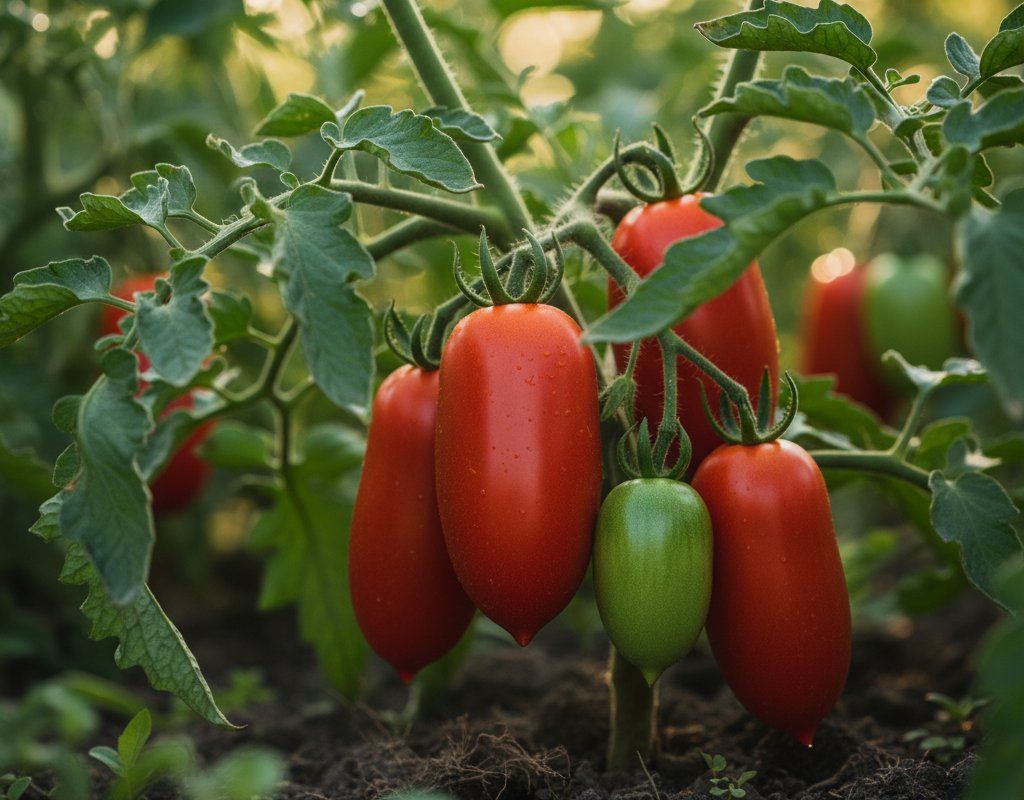
San Marzano Tomatoes in Zone 8A — Florida
Solanum lycopersicum · Your Complete 2026 Planting Guide
Missed Seed Starting? No Problem!
Wait for starts to become available.
What to Do
Starts will be available at nurseries in 7 days (around March 11).
How to Plant San Marzano Tomatoes in Zone 8A — Florida
Here are all your options for getting san marzano tomatoes in the ground, from the easiest method to more advanced approaches.
Start Seeds Indoors
RecommendedLate January through mid February
around January 28
Then transplant: Mid March through early April
Start seeds 6-8 weeks before transplanting outdoors.
Buy Starts
Works WellMid March through early April
around March 11
Plant purchased starts after last frost (February 25).
Direct Sow Seeds
ChallengingDirect sowing is not typical for San Marzano Tomatoes.
Transplant Outdoors
Timing InfoMid March through early April
around March 11
Wait until nighttime temperatures stay above 50°F.
You have a nice window — no need to rush.
Overview
San Marzano tomatoes bring authentic Italian flavor to your Florida garden, producing those prized elongated paste tomatoes perfect for sauce-making and canning. In our Zone 8A climate, you'll get exceptional fruit quality during our cooler months, when these heat-sensitive plants can focus their energy on developing that signature sweet, low-acid flavor that makes San Marzanos so sought after by chefs worldwide.
While Florida's extreme humidity and fungal pressure can challenge tomato growers, San Marzanos actually benefit from our reversed growing season approach. With our generous 283-day growing season, you can start seeds in late winter, harvest through late spring, and have your preservation work done before summer's brutal heat sets in.
Starting Seeds Indoors
Starting San Marzano seeds indoors is essential in Florida since direct sowing isn't reliable for this tender crop. Begin your seeds late January through mid-February, about 6 weeks before your transplant date. This timing takes advantage of our reversed spring pattern, getting plants established before summer heat arrives.
Set up seed trays in a warm location (70-75°F works well) with good light - a south-facing window or grow lights positioned 2-3 inches above seedlings. Use bottom watering to keep soil consistently moist without creating the surface moisture that invites fungal problems in our humid climate.
Your seedlings will be ready for transplanting when they have their first true leaves and are 4-6 inches tall, typically by mid-March. Keep them in a protected environment until all danger of frost passes, which is usually after late February in our area.
Transplanting Outdoors
Transplant your San Marzano seedlings mid-March through early April, once nighttime temperatures consistently stay above 50°F. This window gives you the best balance - warm enough for growth but before our intense summer heat kicks in. Your plants need about a week of hardening off, gradually exposing them to outdoor conditions for longer periods each day.
Space plants 24-36 inches apart to ensure good air circulation, which is crucial in Florida's humid environment. Plant them slightly deeper than they were in their containers, burying part of the stem to encourage strong root development.
Watch for late cold snaps during transplant season - have row covers or even cardboard boxes ready to protect young plants if temperatures drop unexpectedly. Our spring weather can be unpredictable, but once established, these plants will thrive in our warm conditions.
Watering San Marzano Tomatoes in Zone 8A (Florida)
San Marzanos need consistent, deep watering to prevent blossom end rot, which paste tomatoes are particularly prone to developing. In Florida's climate, this means adjusting your watering strategy as seasons change - more frequent watering in spring, then switching to deep, less frequent watering as our wet summer season arrives.
During establishment and early growth (March through May), provide about 1-1.5 inches of water per week. Use the finger test - stick your finger 2 inches into the soil near the plant base. If it's dry at that depth, it's time to water. Always water at the base of plants rather than overhead; our high humidity already creates perfect conditions for fungal diseases without adding leaf moisture.
Once summer rains begin (typically June), you'll need to monitor drainage more than watering frequency. Florida's 50-65 inches of annual rainfall can quickly shift your problem from drought stress to waterlogged roots. Ensure good drainage and consider raised beds if your soil tends to stay soggy.
Mulch heavily around plants with pine straw or shredded leaves to maintain even soil moisture and prevent the wet-dry cycles that trigger blossom end rot. Signs of underwatering include wilting during heat and darkened fruit bottoms, while overwatering shows up as yellowing leaves and musty soil odors.
Supporting Your San Marzano Tomatoes
San Marzanos are vigorous indeterminate plants that can easily reach 6-8 feet tall, so strong support is non-negotiable. Install either sturdy tomato cages (at least 6 feet tall) or stake-and-tie systems at planting time - waiting until plants are established risks damaging roots and stems.
For staking, use 8-foot stakes driven 2 feet into the ground, then tie plants loosely with soft material like strips of old t-shirts every 12-18 inches as they grow. The heavy fruit clusters these plants produce will snap unsupported branches, especially during our spring wind and potential storm season.
Train the main stem vertically and guide side shoots as needed. In Florida's windy conditions, check ties regularly and adjust as plants grow - you don't want supports cutting into expanding stems.
Pruning & Maintaining San Marzano Tomatoes
Remove suckers (shoots growing between main stem and branches) when they're 2-4 inches long to keep plants manageable and improve air circulation. This is especially important in our humid climate where good airflow helps prevent fungal diseases. Focus on removing suckers below the first fruit cluster and any that develop in the crotch of main branches.
Strip off lower leaves that touch the soil or show any disease symptoms throughout the growing season. This prevents soil-borne pathogens from splashing onto foliage during our frequent rains and improves airflow around the plant base.
As first frost approaches in early December, top the plants by pinching out growing tips about 4-6 weeks before expected frost. This redirects energy into ripening existing fruit rather than developing new blooms that won't have time to mature in our shortened daylight hours.
🧪Fertilizing San Marzano Tomatoes
Feeding Schedule
Organic Fertilizer Options
Harvest Time
Your first San Marzano tomatoes will be ready late May through mid-July, about 80 days from transplanting. Look for fruit that has developed the characteristic deep red color and elongated shape, with slight softness when gently squeezed. Ripe San Marzanos will detach easily from the stem with a gentle upward twist.
Harvest in the morning when fruits are cool and firm, checking plants every 2-3 days during peak season. These paste tomatoes continue producing until frost, so you'll have a steady supply for sauce-making throughout the summer. Pick fruits when they show the first blush of color if you're concerned about cracking during heavy rain periods.
As early December approaches and first frost threatens, harvest all remaining fruits regardless of ripeness. Green and partially ripe San Marzanos will continue ripening indoors when stored in a warm location out of direct sunlight. Wrap individual green fruits in newspaper or place them in paper bags to speed the process.
The continuous harvest nature of these indeterminate plants means consistent picking encourages more fruit production, so don't let overripe fruits hang on the vine - they signal the plant to slow production.
Common Problems in Zone 8A (Florida)
Blossom End Rot What it looks like: Sunken, dark brown or black leathery patches on the bottom (blossom end) of developing fruits. Often affects the first tomatoes of the season most severely.
What causes it: Calcium deficiency caused by inconsistent watering, not actual lack of calcium in soil. Florida's sandy soils and erratic spring rainfall create perfect conditions for the drought-flood cycles that trigger this problem.
How to fix/prevent it: Maintain consistent soil moisture through regular watering and heavy mulching. Don't over-fertilize with nitrogen, which interferes with calcium uptake. Remove affected fruits immediately - they won't recover and will drain energy from healthy fruit development.
Early Blight What it looks like: Brown spots with distinctive concentric rings (bullseye or target pattern) starting on lower leaves and spreading upward. Leaves eventually yellow and drop off.
What causes it: Fungal disease that thrives in Florida's warm, humid conditions. Spreads through soil splash during our frequent rains and overhead watering.
How to fix/prevent it: Remove affected leaves immediately and destroy them (don't compost). Mulch heavily to prevent soil splash, water only at plant base, and ensure good air circulation through proper spacing. Copper-based fungicides can slow spread but won't cure infected plants.
Fusarium Wilt What it looks like: Wilting that starts on one side of the plant, then spreads. Leaves yellow from bottom up, and cutting the stem reveals brown streaking inside.
What causes it: Soil-borne fungus that persists for years and enters through root systems. Florida's warm soil temperatures and high humidity create ideal conditions for this disease.
How to fix/prevent it: No cure exists once plants are infected - remove and destroy affected plants immediately. Plant only varieties marked with 'F' for fusarium resistance, rotate crops yearly, and consider soil solarization during summer heat.
Florida Specific Challenges: Our extreme humidity and wet summer conditions create perfect environments for fungal diseases, while sandy soils can lead to inconsistent moisture that triggers blossom end rot. Starting plants early and harvesting before peak summer humidity helps avoid many issues, but consistent monitoring and quick action are essential for success with San Marzanos in our climate.
Best Companions for San Marzano Tomatoes
Plant these nearby for healthier San Marzano Tomatoes and better harvests.
View Full Companion Planting Chart →



Companion Planting Details
Good companions for San Marzanos in Florida include basil, which naturally repels aphids and whiteflies while improving tomato flavor, and carrots, which help break up our often-compacted sandy soil without competing for nutrients. Parsley attracts beneficial insects that prey on tomato hornworms, while marigolds release compounds that deter nematodes - a significant problem in Florida's sandy soils.
Avoid planting brassicas like cabbage or broccoli nearby, as they compete for similar nutrients and can harbor diseases that affect tomatoes. Skip fennel, which releases growth-inhibiting chemicals, and corn, which attracts tomato fruitworms while providing no benefits. In our humid climate, proper spacing and air circulation matter more than cramming beneficial plants together.
🌸Best Flowers to Plant with San Marzano Tomatoes
These flowers protect your San Marzano Tomatoes from pests and attract pollinators for better harvests.
For Pest Control

Get a Reminder When It's Time to Plant
We'll email you when key planting windows open for your zone.