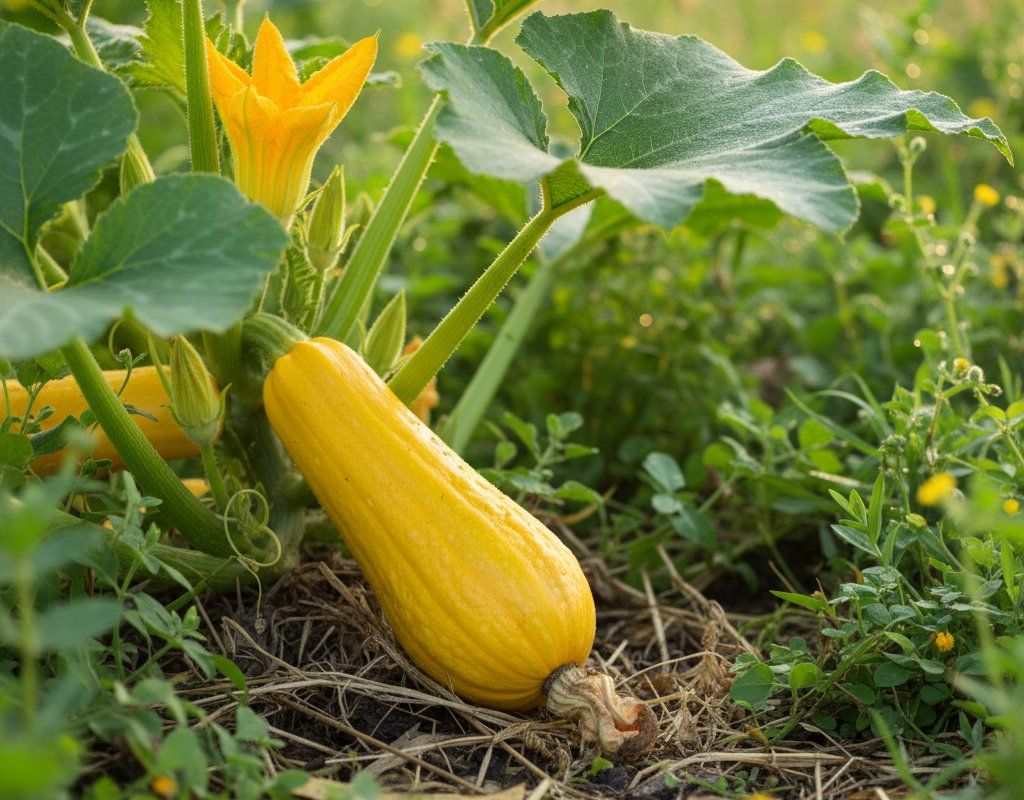
Yellow Squash in Zone 7A — Pacific Northwest
Cucurbita pepo · Your Complete 2026 Planting Guide
Planning Ahead — Great!
You’re ahead of the season. Here’s when to start.
Mark Your Calendar
How to Plant Yellow Squash in Zone 7A — Pacific Northwest
Here are all your options for getting yellow squash in the ground, from the easiest method to more advanced approaches.
Direct Sow Seeds
RecommendedLate April through mid August
around April 27
Consider succession planting every 2-3 weeks for continuous harvest.
Grows quickly from seed. Direct sowing is easiest.
Buy Starts
Works WellEarly May through mid June
around May 4
Plant purchased starts after last frost (April 20).
Start Seeds Indoors
Works WellEarly to late April
around April 13
Then transplant: Early May through mid June
Start seeds 3-5 weeks before transplanting outdoors.
Transplant Outdoors
Timing InfoEarly May through mid June
around May 4
Wait until nighttime temperatures stay above 50°F.
You have a nice window — no need to rush.
Overview
Yellow Squash is a rewarding addition to any Pacific Northwest garden. Its mild, slightly sweet flavor is delicious sautéed, grilled, or baked, and the prolific yields mean you'll have plenty to share. Plus, the satisfaction of harvesting your own homegrown squash after our overcast spring days is hard to beat.
While we may struggle with heat-loving plants more than other regions, Yellow Squash is manageable with the right timing. Our 183-day growing season, combined with a bit of planning, ensures a bountiful harvest before the first frost arrives in mid-October.
Starting Seeds Indoors
Starting Yellow Squash indoors is possible, but honestly, it's often unnecessary here in the PNW. Direct sowing is generally more successful. However, if you're eager to get a head start or want to ensure a harvest even in a cooler year, you can start seeds indoors from early to late April, about three weeks before you plan to transplant.
Use seed trays with a good seed-starting mix and provide consistent warmth, ideally around 70-75°F. A heat mat can be helpful, especially with our cool spring soils. Bottom watering is the best way to keep the soil evenly moist without overwatering. Once seedlings emerge, make sure they get plenty of light – a grow light works wonders, given our slow start to spring.
Transplanting Outdoors
Transplant your Yellow Squash seedlings outdoors from early May through mid-June, once the danger of frost has passed. Before transplanting, harden off your seedlings by gradually exposing them to outdoor conditions for about a week. This helps them adjust to the sun and wind.
Choose a sunny spot in your garden and space the plants 24-36 inches apart. Keep an eye on the weather forecast – those unexpected late frosts can still happen! If a cold snap is predicted, cover your transplants with row covers or blankets for protection.
Direct Sowing
Direct sowing is the easiest and most reliable way to grow Yellow Squash in the PNW. Sow seeds directly into the garden from late April through mid-August. Yellow Squash grows quickly from seed, so you have a wide window.
Choose a sunny spot with well-drained soil. Amend the soil with compost or well-rotted manure to provide nutrients and improve drainage. Sow seeds 1 inch deep and 24-36 inches apart. Keep the soil consistently moist until the seedlings emerge, which should take about a week.
Watering Yellow Squash in Zone 7A (Pacific Northwest)
Yellow Squash needs consistent watering, especially during our dry summer months. Aim to keep the soil evenly moist, but not waterlogged. Consistent deep watering is key.
During our wet springs, you may not need to water much at all, but once our dry summer months arrive, you'll need to water deeply about 1-2 times per week, providing about 1-2 inches of water each time. Use the "finger test" – stick your finger into the soil about 2 inches deep. If it feels dry, it's time to water. Water at the base of the plants to avoid wetting the foliage, which can encourage fungal diseases in our dry-summer conditions.
Signs of underwatering include wilting leaves and slow growth. Overwatering can lead to root rot and yellowing leaves. Mulching around the plants with straw or wood chips helps retain moisture and suppress weeds, which is especially helpful during our drier summers.
🧪Fertilizing Yellow Squash
Feeding Schedule
Organic Fertilizer Options
Harvest Time
You can expect your first harvest of Yellow Squash from mid-June through mid-October, about 50 days after planting. The best time to harvest is when the squash are 6-8 inches long and the skin is still tender enough to dent easily with your fingernail.
Use a sharp knife or pruners to cut the squash from the vine, leaving a short stem attached. This helps prevent rot. Harvest regularly to encourage continued production – the more you pick, the more the plant will produce.
As the first frost approaches in mid-October, harvest any remaining squash, even if they're a bit smaller than usual. While they won't ripen off the vine, you can still use them in soups or stews.
Common Problems in Zone 7A (Pacific Northwest)
Here are some common problems you might encounter with Yellow Squash in the PNW:
Squash Vine Borer
- What it looks like: Wilting vines that suddenly collapse, often with small holes near the base of the plant and sawdust-like frass.
- What causes it: Moth larvae that bore into the stems and feed on the plant's tissues.
- How to fix/prevent it: Wrap stems with foil or netting to prevent moths from laying eggs. Check stems regularly for holes and remove larvae manually. Some gardeners inject *Bacillus thuringiensis* (Bt) into the stems to kill the borers.
Powdery Mildew
- What it looks like: White or grayish powdery coating on leaves, stems, and sometimes fruit. Leaves curl, yellow, and die.
- What causes it: Various fungi that thrive in warm days, cool nights, and moderate humidity. Dry leaf surfaces actually favor it.
- How to fix/prevent it: Improve air circulation through spacing and pruning. Remove affected leaves. Neem oil or potassium bicarbonate sprays help. Milk spray (1 part milk to 9 parts water) is surprisingly effective. Plant resistant varieties.
Squash Bugs
- What it looks like: Gray-brown shield-shaped bugs on leaf undersides. Bronze egg clusters on leaves. Wilting leaves that turn brown and crispy.
- What causes it: Sap-sucking insects that inject toxin while feeding. Adults overwinter in garden debris and emerge in spring.
- How to fix/prevent it: Hand-pick adults and crush egg clusters. Board traps (adults hide under boards at night — flip and destroy in morning). Neem oil spray. Remove plant debris in fall. Companion plant with nasturtiums.
Blossom End Rot
- What it looks like: Sunken, dark brown or black leathery patch on the bottom (blossom end) of fruit. Often affects first fruits of the season.
- What causes it: Calcium deficiency caused by inconsistent watering. Not a disease — it's a nutrient uptake problem triggered by drought/flood cycles.
- How to fix/prevent it: Water consistently. Mulch heavily to maintain even soil moisture. Don't over-fertilize with nitrogen. Calcium sprays help marginally. Remove affected fruit.
Pacific Northwest Specific Challenges: Our cool soil in spring can slow down growth initially, so be patient. Late blight is less of a concern for squash than for tomatoes and potatoes, but still be vigilant. Our mild heat and dry-summer rainfall mean you'll need to water consistently, but you're less likely to face the extreme heat stress that growers in other regions do. Slugs can be a problem for young seedlings, so use slug bait or other control methods.
Best Companions for Yellow Squash
Plant these nearby for healthier Yellow Squash and better harvests.

Keep Away From
Companion Planting Details
Companion planting can help your Yellow Squash thrive in the PNW. Corn provides a natural trellis for vining squash varieties and creates a slightly shaded environment. Beans fix nitrogen in the soil, benefiting the squash. Radishes deter squash vine borers, and marigolds repel squash bugs.
Avoid planting Yellow Squash near potatoes, as they compete for nutrients. Brassicas (cabbage, broccoli, kale) can inhibit squash growth.
🌸Best Flowers to Plant with Yellow Squash
These flowers protect your Yellow Squash from pests and attract pollinators for better harvests.


Get a Reminder When It's Time to Plant
We'll email you when key planting windows open for your zone.