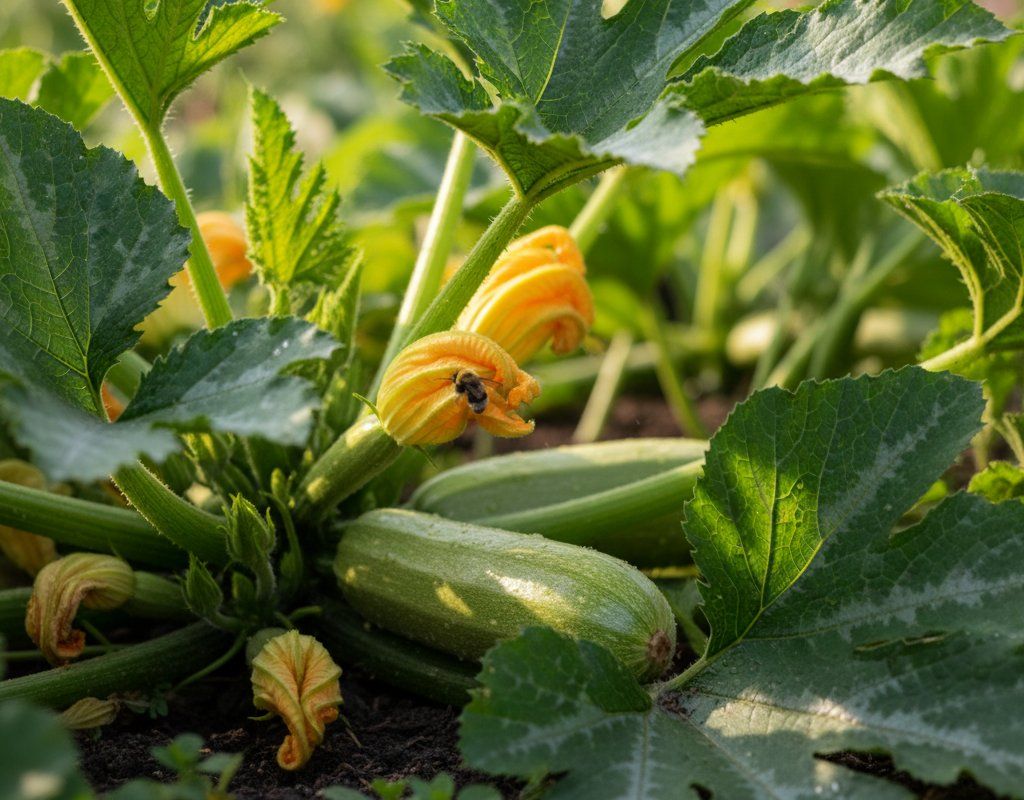
Zucchini in Zone 4B — Mountain West
Cucurbita pepo · Your Complete 2026 Planting Guide
Planning Ahead — Great!
You’re ahead of the season. Here’s when to start.
Mark Your Calendar
How to Plant Zucchini in Zone 4B — Mountain West
Here are all your options for getting zucchini in the ground, from the easiest method to more advanced approaches.
Direct Sow Seeds
RecommendedLate May through mid July
around May 22
Consider succession planting every 2-3 weeks for continuous harvest.
Zucchini grows so fast that direct sowing is usually easiest.
Buy Starts
Works WellLate May through early July
around May 29
Plant purchased starts after last frost (May 15).
Start Seeds Indoors
Works WellEarly to late May
around May 8
Then transplant: Late May through early July
Start seeds 3-5 weeks before transplanting outdoors.
Only start indoors if you want earlier harvest. Don't start too early.
Transplant Outdoors
Timing InfoLate May through early July
around May 29
Wait until nighttime temperatures stay above 50°F.
You have a nice window — no need to rush.
Overview
Zucchini is one of the most rewarding vegetables for Mountain West gardeners, delivering massive harvests from just a couple of plants in our intense summer sun. These prolific producers thrive in our cool nights and moderate daytime temperatures, developing exceptional flavor that store-bought versions can't match. The combination of our intense UV and cool evenings creates ideal conditions for steady, flavorful fruit production throughout our short but productive season.
While our 128-day growing season might seem limiting for a warm-season crop, zucchini's fast growth makes it perfectly suited to Mountain gardening. The key is timing your plantings to work with our late spring start and early fall frost, but once established, these plants will produce steadily from mid-summer right up to that first killing freeze in mid-September.
Starting Seeds Indoors
Starting zucchini seeds indoors can give you a head start in our short Mountain growing season, though it's not strictly necessary given how quickly these plants grow. Start seeds early to late May, about three weeks before your planned transplant date. Use seed starting mix in 4-inch pots since zucchini develops a substantial root system quickly, and keep them warm (75-80°F) for best germination.
Set up your seedlings under grow lights or in the brightest south-facing window you have. Bottom watering works especially well for zucchini seedlings since it prevents damping-off and encourages strong root development. Don't start too early though – zucchini seedlings grow fast and become root-bound quickly, and you can't transplant safely until after our last frost risk passes in mid- to late May.
The main advantage of indoor starting in our region is getting fruit production a few weeks earlier, which can be valuable given our short season. However, direct-sown plants often catch up quickly once they're established, so indoor starting is more about timing your harvest than increasing total yield.
Transplanting Outdoors
Plan to transplant your indoor-started zucchini seedlings from late May through early July, after all danger of frost has passed and soil temperatures are consistently above 60°F. In our Mountain climate, this timing ensures you avoid late cold snaps that can kill these tender plants overnight. Start hardening off your seedlings about a week before transplant by gradually exposing them to outdoor conditions, beginning with just a few hours in filtered sunlight.
Space transplants 36-48 inches apart to accommodate their eventual size and ensure good air circulation in our low-humidity climate. Zucchini plants can spread 4-5 feet across when fully grown, and adequate spacing helps prevent powdery mildew issues that can develop even in our dry air. Plant them slightly deeper than they were growing in their containers to encourage a strong root system.
Be prepared to protect newly transplanted seedlings if unexpected cool weather arrives – even a night in the upper 30s can set them back significantly. Row covers or individual plant protection can save your transplants during those unpredictable Mountain weather swings that sometimes occur well into June.
Direct Sowing
Direct sowing is actually the preferred method for zucchini in our Mountain region since these plants grow so quickly once soil warms up. Sow seeds from late May through mid-July, planting them 1 inch deep in warm soil that's reached at least 65°F consistently. The soil temperature is more important than air temperature since cold soil will cause seeds to rot rather than germinate.
Prepare your planting area by working compost into the soil and creating slight mounds or raised areas for better drainage and faster soil warming. Plant 2-3 seeds per location, spacing your groups 36-48 inches apart. Our intense sun and cool nights create ideal growing conditions once seeds germinate, typically within 7-10 days in warm soil.
The beauty of direct sowing in our climate is that zucchini grows incredibly fast once established – often catching up to transplanted seedlings within weeks. Plus, direct-sown plants develop stronger root systems that handle our intense UV and occasional temperature swings better than transplanted seedlings. Thin to the strongest seedling once they have their first true leaves.
Watering Zucchini in Zone 4B (Mountain West)
Zucchini has high water needs in our dry Mountain climate, requiring consistent deep watering throughout the growing season. In our low-humidity environment with 10-20 inches of annual rainfall, you'll need to provide about 1-2 inches of water per week, adjusting based on our moderate summer temperatures and intense sun exposure. The key is maintaining consistent soil moisture without waterlogging.
Water deeply at the base of plants rather than overhead, especially important in our low-humidity climate where wet leaves can still develop powdery mildew despite the dry air. Use the finger test – stick your finger 2 inches into the soil near the plant base. If it feels dry at that depth, it's time to water. Our intense sun and cool nights mean plants use water efficiently, but the large leaves lose moisture quickly during hot afternoons.
Apply a thick layer of organic mulch around plants to conserve moisture and moderate soil temperature swings. In our dry climate, unmulched soil loses water rapidly to evaporation, making consistent watering much more challenging. Watch for signs of stress: wilting during the heat of the day (normal) versus wilting in cool morning hours (underwatered), or yellowing leaves and stunted growth (overwatered).
During peak production from mid-July through August, increase watering frequency as the large fruits place additional demands on the plant. However, be careful not to overwater in late summer as cooler nights reduce water uptake, and consistently soggy soil can lead to root rot problems even in our generally dry conditions.
🧪Fertilizing Zucchini
Feeding Schedule
Organic Fertilizer Options
Harvest Time
Expect your first zucchini harvest from mid-July through mid-September, with peak production during our warmest weeks in late July and August. Zucchini reaches maturity in about 50 days from planting, but you'll want to harvest much earlier for the best eating quality. Pick fruits when they're 6-8 inches long and about 2 inches in diameter – at this size, the skin is tender and the seeds are barely developed.
Check your plants daily once fruit production begins, as zucchini grows remarkably fast in our intense Mountain sun and cool nights. A 6-inch zucchini can become a baseball bat-sized monster in just 2-3 days during peak summer. Harvest by cutting the stem with a sharp knife rather than pulling, which can damage the plant and reduce future production.
Keep harvesting regularly to encourage continued production throughout our short season. The plant will stop producing new flowers if mature fruits are left on the vine, so even if you can't use all the zucchini, keep picking and composting or giving away excess fruit. This is especially important in our limited growing season where every week of production counts.
As first frost approaches in mid-September, harvest any remaining small fruits as they won't have time to mature. You can also harvest the large yellow blossoms for cooking – pick male flowers (on long stems) in the morning when they're fully open, leaving female flowers (with tiny fruits attached) to develop into zucchini.
Common Problems in Zone 4B (Mountain West)
Squash Vine Borers Watch for sudden wilting of entire sections of your zucchini plant, often accompanied by sawdust-like frass around the base of stems. In our Mountain region, these clearwing moths typically emerge in mid-summer and lay eggs at the stem base. The larvae tunnel through stems, cutting off water and nutrient flow, which is devastating in our dry climate where plants can't afford to lose their water transport system.
Prevent borers by wrapping the base of stems with aluminum foil or floating row cover when plants are young. If you catch an infestation early, you can inject Bt (Bacillus thuringiensis) into the affected stem or carefully slit it open to remove the grub. In our short season, succession planting backup zucchini plants every few weeks provides insurance against borer damage wiping out your entire crop.
Powdery Mildew Even in our low-humidity Mountain climate, powdery mildew can appear as white, powdery coating on leaves, especially during periods with warm days and cool nights. This fungus actually thrives on dry leaf surfaces, making it surprisingly common in our arid conditions. The disease reduces plant vigor and can significantly impact fruit production during our limited growing season.
Improve air circulation by spacing plants properly (36-48 inches apart) and removing lower leaves that touch the ground. Neem oil or potassium bicarbonate sprays help control outbreaks, applied in early morning or evening to avoid leaf burn from our intense UV. Interestingly, milk spray (1 part milk to 9 parts water) works effectively against powdery mildew and is safe for Mountain gardens where beneficial insects are crucial.
Blossom End Rot This appears as dark, sunken spots on the bottom of fruits and is particularly problematic in our region due to inconsistent watering patterns. The intense sun and dry air can cause rapid soil moisture fluctuations, leading to calcium uptake problems even in our naturally calcium-rich alkaline soils. It typically affects the first fruits of the season when plants are establishing their root systems.
Maintain consistent soil moisture through deep, regular watering and heavy mulching – this is the single most effective prevention. Our alkaline Mountain soils usually have adequate calcium, so the problem is almost always inconsistent water preventing uptake rather than soil deficiency. Avoid over-fertilizing with nitrogen, which can interfere with calcium absorption.
Mountain West Specific Challenges Our intense UV can stress zucchini plants if they're not adequately watered, while sudden hailstorms can shred the large leaves in minutes. The combination of hot days and cold nights, though generally beneficial, can sometimes stress plants during extreme temperature swings, making consistent watering and protection strategies essential for success in our challenging but rewarding Mountain growing conditions.
Best Companions for Zucchini
Plant these nearby for healthier Zucchini and better harvests.


Keep Away From
Companion Planting Details
Plant zucchini with corn and pole beans in a traditional "three sisters" arrangement, where the large zucchini leaves shade the soil and reduce water evaporation – especially valuable in our dry Mountain climate. Radishes planted around the base help break up soil and may deter squash bugs, while their quick harvest clears space as zucchini plants expand. Mint planted nearby can help repel ants and aphids, though keep it contained since it spreads aggressively even in our harsh conditions.
Avoid planting potatoes near zucchini as both crops are heavy feeders that compete for nutrients, and potatoes can harbor similar pest problems. In our short growing season, you want to maximize each plant's potential rather than forcing them to compete for resources. The spacing requirements alone (zucchini needs 36-48 inches) make it challenging to intercrop with other large vegetables, so focus on quick-growing companions that can utilize the space efficiently before being shaded out.
🌸Best Flowers to Plant with Zucchini
These flowers protect your Zucchini from pests and attract pollinators for better harvests.
For Pest Control








Get a Reminder When It's Time to Plant
We'll email you when key planting windows open for your zone.