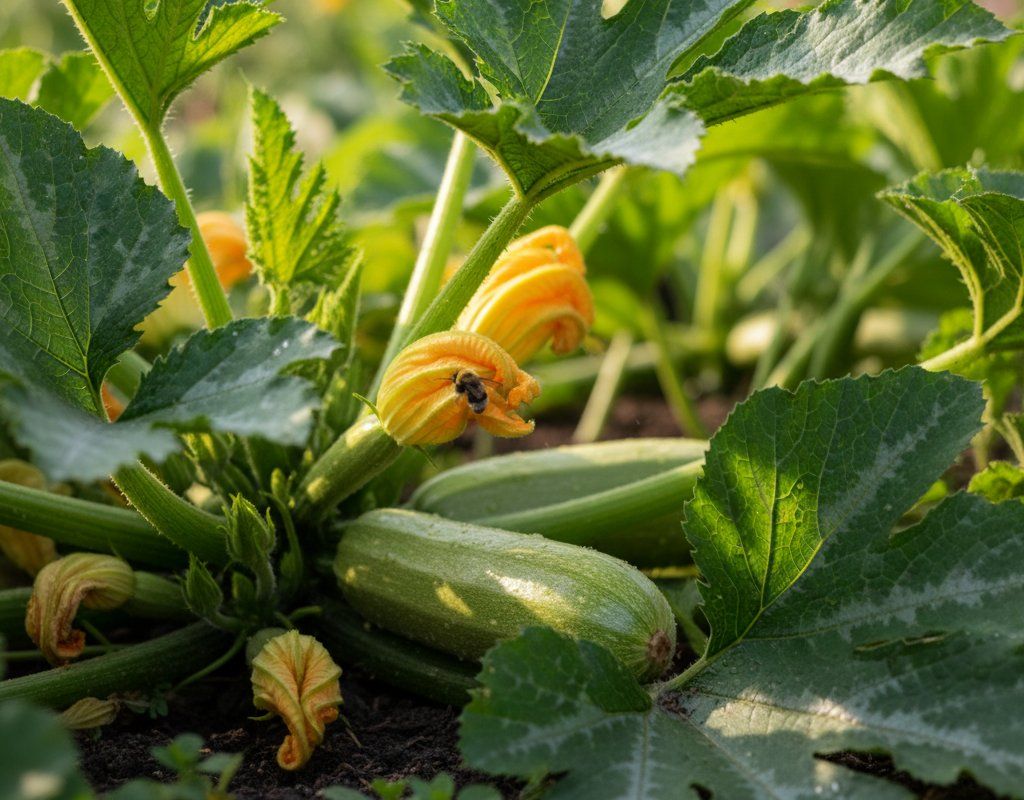
Zucchini in Zone 5B — Great Plains
Cucurbita pepo · Your Complete 2026 Planting Guide
Planning Ahead — Great!
You’re ahead of the season. Here’s when to start.
Mark Your Calendar
How to Plant Zucchini in Zone 5B — Great Plains
Here are all your options for getting zucchini in the ground, from the easiest method to more advanced approaches.
Direct Sow Seeds
RecommendedLate April through mid August
around April 27
Consider succession planting every 2-3 weeks for continuous harvest.
Zucchini grows so fast that direct sowing is usually easiest.
Buy Starts
Works WellEarly May through mid June
around May 4
Plant purchased starts after last frost (April 20).
Start Seeds Indoors
Works WellEarly to late April
around April 13
Then transplant: Early May through mid June
Start seeds 3-5 weeks before transplanting outdoors.
Only start indoors if you want earlier harvest. Don't start too early.
Transplant Outdoors
Timing InfoEarly May through mid June
around May 4
Wait until nighttime temperatures stay above 50°F.
You have a nice window — no need to rush.
Overview
Zucchini thrives in our Great Plains climate, rewarding you with prolific harvests throughout our intense summer months. The combination of our fertile prairie soil and abundant sunshine creates ideal conditions for these heavy-producing plants. You'll harvest pounds of tender, flavorful squash from just a couple plants — perfect for everything from summer grilling to fall baking.
While our extreme temperature swings and variable rainfall can challenge tender crops like zucchini, proper timing makes all the difference. With our 178-day growing season and careful attention to our last frost timing, you can enjoy continuous harvests from mid-summer through your first fall freeze in mid-October.
Starting Seeds Indoors
Starting zucchini indoors makes sense if you want the earliest possible harvest, but it's not necessary given how quickly these plants grow. If you choose this route, start seeds in early to late April, about three weeks before your planned transplant date. Our variable spring weather makes indoor starting appealing some years when late cold snaps threaten outdoor sowings.
Use seed trays with good drainage and keep soil consistently moist through bottom watering — this prevents damping off while maintaining the warm, humid conditions zucchini seeds need. A heating mat helps seeds germinate faster in our still-cool April temperatures. Provide strong light once seedlings emerge, whether from a sunny south window or grow lights.
Don't start too early or your seedlings will become root-bound and stressed before outdoor conditions are right. Three weeks is plenty of time for strong transplants that will establish quickly once moved outside.
Transplanting Outdoors
Transplant your indoor-started zucchini seedlings from early May through mid-June, after all danger of frost has passed and soil temperatures reach at least 60°F. Our Plains springs can throw curveballs with late cold snaps, so watch the extended forecast before committing tender transplants to the ground.
Harden off seedlings gradually over a full week, starting with just an hour outdoors in filtered sun and building up to full days outside. This is especially important here where our intense sunshine and persistent winds can shock pampered indoor plants. Choose a calm day for the actual transplanting if possible.
Space plants 36-48 inches apart to allow for proper air circulation — crucial in our variable humidity conditions. Plant at soil level and water thoroughly after transplanting. Consider temporary wind protection like milk jugs or row cover for the first week while plants establish their root systems in our windy environment.
Direct Sowing
Direct sowing is the recommended method for zucchini in our region — these plants grow so fast that you'll often get harvests just as early as transplanted seedlings. Sow seeds from late April through mid-August, with soil temperatures consistently above 60°F and night temperatures staying above 50°F.
Prepare planting sites by working compost into our naturally fertile prairie soil. Plant seeds 1 inch deep and space hills 36-48 inches apart, sowing 2-3 seeds per hill and thinning to the strongest plant once they're established. This wide spacing is essential for air circulation, which helps prevent disease issues in our variable humidity.
The beauty of direct sowing zucchini is its simplicity and success rate. Seeds germinate quickly in warm soil, and plants develop strong root systems without transplant shock. For continuous harvest, succession plant every 2-3 weeks through mid-July — later plantings often produce better in our hot summers anyway.
Watering Zucchini in Zone 5B (Great Plains)
Zucchini needs consistent, deep watering throughout our hot Plains summers, especially during our typical 93°F days. These plants require about 1-2 inches of water per week, but our variable rainfall means you'll need to supplement frequently. Check soil moisture by pushing your finger 2 inches deep — if it's dry at that depth, it's time to water.
Always water at the base of the plant rather than overhead, directing water to the root zone where it's needed most. Our low-to-moderate humidity means powdery mildew isn't as problematic as in more humid regions, but wet leaves still invite trouble. Deep, infrequent watering encourages strong root development that helps plants better handle our periodic drought conditions.
Watch for signs of water stress: wilting during the heat of the day is normal, but leaves should recover by evening. Consistently droopy plants or blossom end rot on fruit indicates watering problems. Our intense sun and dry winds can quickly stress underwatered plants, while overwatering in our clay-rich soils leads to root rot.
Apply a thick layer of organic mulch around plants to conserve moisture and moderate soil temperature swings. This is especially valuable during our hot summers when soil can bake hard between waterings. Consistent soil moisture is your best defense against the stress-related problems that plague zucchini in our challenging climate.
🧪Fertilizing Zucchini
Feeding Schedule
Organic Fertilizer Options
Harvest Time
Expect your first zucchini harvest from mid-June through mid-October, about 50 days after planting. The key to tender, flavorful fruit is harvesting at 6-8 inches long when the skin still yields slightly to gentle pressure. Check plants daily once flowering begins — zucchini grows incredibly fast in our hot Plains summers, sometimes reaching harvestable size overnight.
Cut fruit from the plant using a sharp knife or pruners rather than pulling, which can damage the vine. Harvest in early morning when possible, as our intense afternoon sun can make the work uncomfortable and stress both you and the plants. Regular harvesting every 1-2 days encourages continued production throughout the growing season.
Keep harvesting even small fruit to maintain production — letting large fruit develop signals the plant to slow down flower and fruit production. If you miss a few and end up with baseball bat-sized squash, remove them immediately and grate the flesh for baking or composting. The plant will respond by producing more tender fruit.
As our first frost approaches in mid-October, harvest all remaining fruit regardless of size. Green zucchini won't ripen off the vine, but you can use small ones in cooking or preserve larger ones. A light frost will kill the vines, ending your harvest season until next year.
Common Problems in Zone 5B (Great Plains)
Squash Vine Borers You'll notice sudden wilting of entire vines or sections, often accompanied by sawdust-like frass at the base of stems. Slitting open affected stems reveals fat white grubs tunneling inside. These larvae of clearwing moths cut off water and nutrient flow by boring through plant stems.
Our relatively short growing season means timing your planting can help avoid peak moth activity. Wrap the base of stems with aluminum foil or use row cover during egg-laying periods in early summer. If you catch borers early, inject Bt (Bacillus thuringiensis) into affected stems. Plant succession crops to have backup plants ready.
Powdery Mildew White or grayish powdery coating appears on leaves, stems, and sometimes fruit, eventually causing leaves to yellow and die. This fungal disease thrives in our warm days and cool nights, though our low-to-moderate humidity makes it less severe than in more humid regions.
Improve air circulation through proper spacing and selective pruning of dense foliage. Remove affected leaves immediately and dispose in trash, not compost. Neem oil sprays help, but surprisingly, a simple milk spray (1 part milk to 9 parts water) proves remarkably effective against powdery mildew.
Blossom End Rot Dark, sunken, leathery patches develop on the bottom end of fruit, often affecting the first zucchini of the season. This isn't a disease but a calcium deficiency caused by inconsistent watering — our variable rainfall and extreme temperature swings make this particularly common here.
Consistent watering is the most effective prevention. Mulch heavily to maintain even soil moisture despite our hot, dry winds. Avoid over-fertilizing with nitrogen, which interferes with calcium uptake. Remove affected fruit to redirect the plant's energy into healthy production.
Great Plains Specific Challenges: Our combination of intense heat, persistent winds, and variable precipitation creates unique stress on zucchini plants. These conditions can trigger blossom end rot and make plants more susceptible to pest damage. Wind protection and consistent moisture management are essential for success in our challenging Plains environment.
Best Companions for Zucchini
Plant these nearby for healthier Zucchini and better harvests.


Keep Away From
Companion Planting Details
Corn makes an excellent companion for zucchini in our Plains gardens, providing natural wind protection for the broad squash leaves while the zucchini's large leaves shade and cool the soil around corn roots. Plant bush beans nearby to fix nitrogen in the soil that feeds heavy-feeding zucchini plants. Radishes planted around the perimeter can help deter squash bugs while maturing quickly in the space before zucchini vines spread.
Mint planted in containers near zucchini helps repel ants and aphids, though keep it contained since mint spreads aggressively. Avoid planting potatoes near zucchini — both crops attract similar pests and compete for similar nutrients, plus potatoes' dense foliage can create the humid microclimates that encourage fungal diseases on zucchini leaves.
🌸Best Flowers to Plant with Zucchini
These flowers protect your Zucchini from pests and attract pollinators for better harvests.
For Pest Control








Get a Reminder When It's Time to Plant
We'll email you when key planting windows open for your zone.