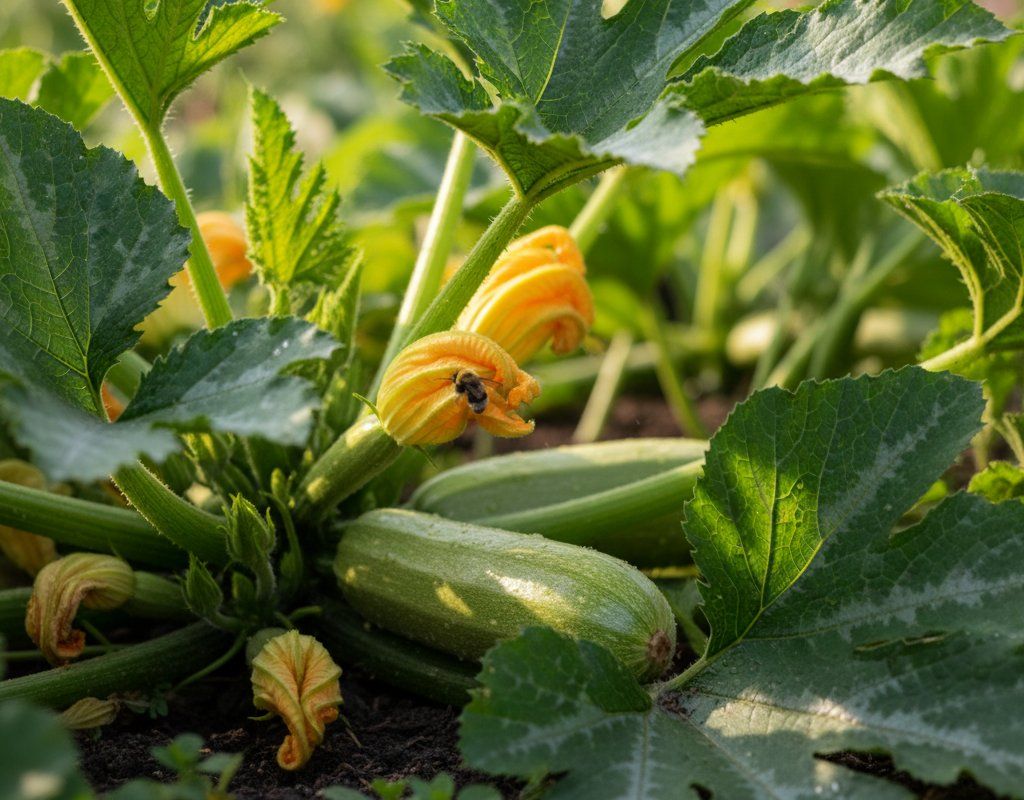
Zucchini in Zone 8A — Pacific Northwest
Cucurbita pepo · Your Complete 2026 Planting Guide
Planning Ahead — Great!
You’re ahead of the season. Here’s when to start.
Mark Your Calendar
How to Plant Zucchini in Zone 8A — Pacific Northwest
Here are all your options for getting zucchini in the ground, from the easiest method to more advanced approaches.
Direct Sow Seeds
RecommendedMid April through late August
around April 17
Consider succession planting every 2-3 weeks for continuous harvest.
Zucchini grows so fast that direct sowing is usually easiest.
Buy Starts
Works WellLate April through early June
around April 24
Plant purchased starts after last frost (April 10).
Start Seeds Indoors
Works WellLate March through mid April
around April 3
Then transplant: Late April through early June
Start seeds 3-5 weeks before transplanting outdoors.
Only start indoors if you want earlier harvest. Don't start too early.
Transplant Outdoors
Timing InfoLate April through early June
around April 24
Wait until nighttime temperatures stay above 50°F.
You have a nice window — no need to rush.
Overview
Zucchini thrives in our mild Pacific Northwest summers, producing abundant harvests from early June through our first frost in late October. The cool nights that define our region actually improve zucchini's texture and flavor, while our dry summer months mean less disease pressure than gardeners face in humid climates. You'll find zucchini incredibly satisfying to grow here — few vegetables give you such reliable, continuous production with relatively little fuss.
Our 203-day growing season gives you plenty of time to succeed with zucchini, even though this warm-season crop needs some patience during our slow spring warmup. The key is timing your planting to match our soil warming patterns and taking advantage of our extended fall season for a long harvest window.
Starting Seeds Indoors
Starting zucchini seeds indoors makes sense if you want to push your harvest window earlier, but it's not essential in our long growing season. Start seeds late March through mid-April, about 3 weeks before you plan to transplant outdoors. Use seed trays with a heat mat to maintain 70-80°F soil temperature, since our cool spring homes often don't provide enough warmth naturally.
Bottom water your seedlings to prevent damping off, and provide strong light as soon as they germinate. Our overcast spring days don't give enough light through windows, so a simple grow light helps prevent leggy seedlings.
Don't start too early — zucchini grows fast and doesn't like being rootbound. Three weeks from seed to transplant is plenty of time, and starting earlier often creates more problems than benefits in our climate.
Transplanting Outdoors
Transplant your indoor-started zucchini from late April through early June, waiting until soil temperatures consistently reach 60°F and nighttime lows stay above 50°F. In our wet springs, this timing often shifts later rather than earlier, so be patient rather than risk cold damage.
Harden off seedlings gradually over a week, starting with just a few hours of outdoor exposure and building up. Our cool spring nights can shock tender transplants, so bring them inside if temperatures drop unexpectedly during the hardening period.
Space plants 36-48 inches apart — zucchini needs room for good air circulation, especially important in our region where cool, moist conditions can encourage fungal problems. Choose the sunniest, most protected spot in your garden since zucchini struggles without consistent warmth.
Direct Sowing
Direct sowing is the preferred method for zucchini in our region since it grows so quickly and doesn't transplant particularly well. Sow seeds from mid-April through late August, timing your sowings to match soil warming in spring and taking advantage of our warm fall weather for succession plantings.
Wait until soil temperature reaches at least 60°F before planting — cold soil will cause seeds to rot rather than germinate. In our cool springs, this often means waiting until early May despite what the calendar suggests. Plant seeds 1 inch deep and 36-48 inches apart, or plant 2-3 seeds per spot and thin to the strongest seedling.
Prepare your planting area by working in compost and ensuring good drainage. Our wet springs can create soggy soil conditions that zucchini won't tolerate, so consider raised beds or mounded planting areas if your soil tends to stay waterlogged.
Watering Zucchini in Zone 8A (Pacific Northwest)
Zucchini needs consistent, deep watering throughout the growing season, but our dry summer climate makes this manageable without creating disease problems. Provide about 1-1.5 inches of water per week, including rainfall, focusing on deep, infrequent watering rather than daily sprinkles.
Water at the base of plants rather than overhead — our large zucchini leaves create perfect conditions for powdery mildew when water sits on foliage, even in our relatively dry summer air. Use the finger test by pushing 2 inches into the soil near the plant; if it's dry at that depth, it's time to water deeply.
During our typical dry summer months from July through September, you'll need to water 2-3 times per week depending on temperature and soil type. Signs of underwatering include wilting during hot afternoons (even mild 80°F days), while overwatering shows as yellowing leaves and slow growth.
Mulch around plants with 2-3 inches of straw or compost to maintain consistent soil moisture. This is especially helpful during our occasional late summer heat waves and reduces the frequency of watering needed in our generally mild climate.
🧪Fertilizing Zucchini
Feeding Schedule
Organic Fertilizer Options
Harvest Time
Expect your first zucchini harvest about 50 days after planting, typically early June for spring plantings and continuing through late October until our first frost. In our mild summers, zucchini produces steadily without the heat stress that slows production in hotter climates.
Harvest zucchini when they're 6-8 inches long and still glossy — at this size, the skin is tender and the flesh is firm. Check plants daily during peak season since zucchini can seemingly double in size overnight, even in our moderate temperatures. Oversized fruits become spongy and reduce overall plant production.
Cut fruits from the plant with a sharp knife rather than pulling, leaving about an inch of stem attached. Harvest regularly to keep plants producing — leaving mature fruits on the plant signals it to stop flowering and setting new fruit.
As late October approaches and night temperatures start dropping consistently below 45°F, harvest all remaining fruits regardless of size. Green zucchini won't ripen off the vine, but you can use larger fruits for baking or preserve smaller ones for winter use.
Common Problems in Zone 8A (Pacific Northwest)
Squash Vine Borers
Watch for sudden wilting of entire vines or sections, especially during mid to late summer. You'll often see sawdust-like frass (insect droppings) around the base of stems where the fat white larvae have bored inside. The borers cut off water and nutrient flow, causing rapid plant death even with adequate watering.
These moths lay eggs at stem bases in early summer, with larvae tunneling through stems by midsummer. In our region, the single generation typically emerges in June, so covering stem bases with aluminum foil or row covers during this period helps prevent egg laying. If caught early, you can inject Bt (bacterial insecticide) directly into affected stems or carefully slit stems open to remove borers manually.
Powdery Mildew
This shows as white or grayish powdery coating on leaves, stems, and sometimes fruit surfaces. Leaves eventually curl, yellow, and die back, reducing plant vigor significantly. Ironically, our dry summer air can actually favor powdery mildew since this fungus thrives on dry leaf surfaces combined with warm days and cool nights.
Improve air circulation by spacing plants properly and removing lower leaves that touch the soil. Our cool, dewy mornings create perfect conditions for spore germination, so morning watering at the base helps keep leaves dry. Neem oil applications or milk spray (1 part milk to 9 parts water) provide organic control options that work well in our climate.
Blossom End Rot
Look for sunken, dark brown or black leathery patches on the bottom (blossom end) of developing fruits. This typically affects the first fruits of the season most severely and isn't actually a disease — it's a calcium uptake problem caused by inconsistent watering.
Our variable spring weather often creates irregular watering patterns that trigger this condition. The most effective fix is consistent watering throughout the growing season, maintaining even soil moisture without waterlogging. Heavy mulching helps tremendously in our climate, and avoiding over-fertilizing with nitrogen allows better calcium uptake.
Pacific Northwest Specific Challenges: Our cool, slow spring soil warming can delay planting and early growth, while our mild summer temperatures mean zucchini never gets the intense heat it prefers. However, our dry summers reduce most fungal disease pressure, and our long, mild falls extend the harvest season well beyond what gardeners in harsher climates experience.
Best Companions for Zucchini
Plant these nearby for healthier Zucchini and better harvests.


Keep Away From
Companion Planting Details
Plant zucchini with corn and beans in a modified three-sisters arrangement — the corn provides some wind protection for zucchini's large leaves, while beans fix nitrogen that benefits the heavy-feeding zucchini. Radishes planted around the edges help break up soil and may deter squash bugs. Mint planted nearby can help repel ants that often farm aphids on zucchini stems, though keep mint contained since it spreads aggressively in our moist climate.
Avoid planting zucchini near potatoes, as both are susceptible to similar fungal diseases that can spread between them in our cool, moist spring conditions. The large zucchini leaves can also shade potato plants too heavily, reducing their productivity in our already mild light conditions.
🌸Best Flowers to Plant with Zucchini
These flowers protect your Zucchini from pests and attract pollinators for better harvests.
For Pest Control







Get a Reminder When It's Time to Plant
We'll email you when key planting windows open for your zone.