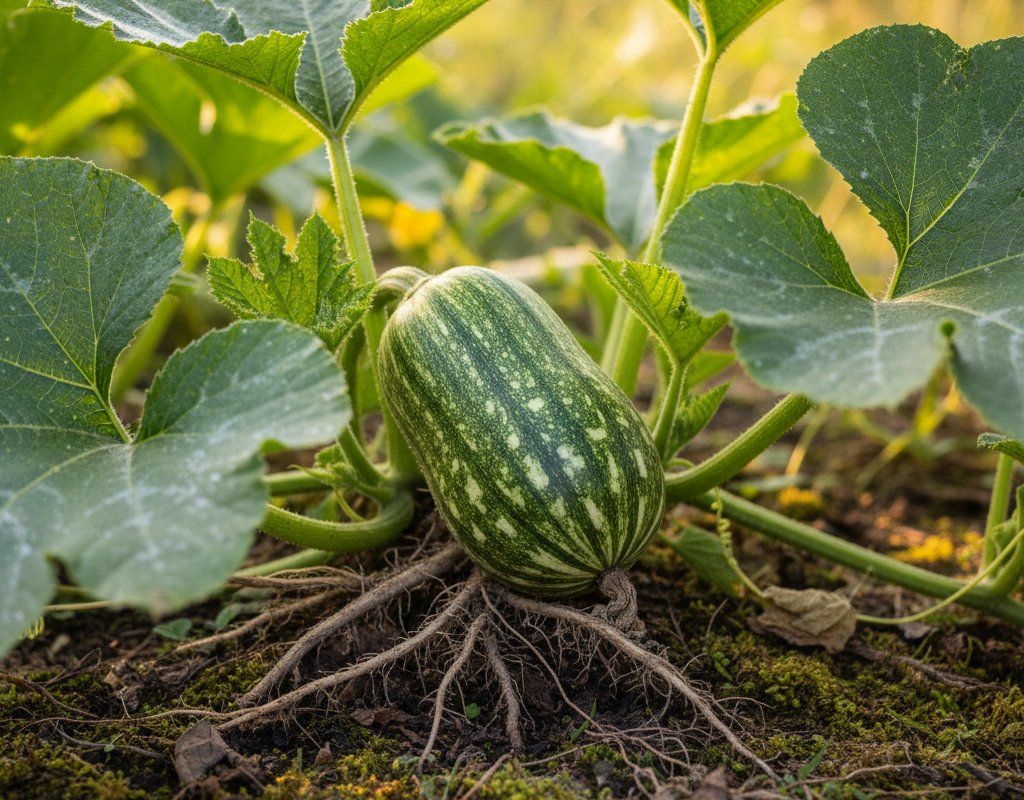
Acorn Squash in Zone 9B — Desert Southwest
Cucurbita pepo · Your Complete 2026 Planting Guide
Time to Buy Starts!
Seed starting window passed, but starts are available now.
Buy Starts Now
Head to your local nursery, Home Depot, or farmers market for transplants.
- Look for stocky plants with dark green leaves
- Avoid leggy seedlings or plants already flowering
- Check that roots aren't circling the pot (rootbound)
How to Plant Acorn Squash in Zone 9B — Desert Southwest
Here are all your options for getting acorn squash in the ground, from the easiest method to more advanced approaches.
Direct Sow Seeds
RecommendedMid February through early September
around February 12
Consider succession planting every 2-3 weeks for continuous harvest.
Winter squash needs long season but direct sowing still works in most zones.
Buy Starts
Works WellMid February through mid March
around February 19
Plant purchased starts after last frost (February 5).
Start Seeds Indoors
Works WellLate January through mid February
around January 29
Then transplant: Mid February through mid March
Start seeds 3-5 weeks before transplanting outdoors.
Transplant Outdoors
Timing InfoMid February through mid March
around February 19
Wait until nighttime temperatures stay above 50°F.
You have a nice window — no need to rush.
Overview
Acorn Squash is a rewarding addition to any Desert Southwest garden. Its nutty flavor and versatility in the kitchen make it a fall favorite. Plus, the satisfaction of harvesting your own winter squash after a long, hot summer is hard to beat.
Desert gardening definitely comes with its challenges, especially the extreme heat and alkaline soil. But with careful timing and a little extra attention, you can absolutely grow beautiful Acorn Squash right here in our Zone 9B gardens. Our long 313-day growing season gives you a great window of opportunity.
Starting Seeds Indoors
Starting Acorn Squash indoors isn't strictly necessary in our climate, but it can give you a head start. If you want to get a jump on the season, aim to start your seeds indoors from late January through mid February, about three weeks before transplanting. Use seed trays with a good seed-starting mix and keep them warm, around 70-75°F.
Ensure your seedlings get plenty of light, either from a sunny window or a grow light. Bottom watering is a great way to keep the soil consistently moist without overwatering – just set the tray in a shallow dish of water and let the soil absorb it. Given how early our spring arrives, indoor starting lets you maximize the growing season.
Transplanting Outdoors
Transplanting Acorn Squash seedlings outdoors should happen from mid February through mid March. Before you put them in the ground, be sure to harden them off. This means gradually exposing them to outdoor conditions for about a week, increasing the time they spend outside each day.
When transplanting, space your Acorn Squash plants 36-48 inches apart to give them plenty of room to vine out. Keep an eye on the weather forecast; even though our last frost is typically in early February, a late cold snap can still happen. Protect your young plants if temperatures dip unexpectedly.
Direct Sowing
Direct sowing is the recommended method for growing Acorn Squash in our Desert Southwest gardens. You can direct sow from mid February through early September, giving you a nice long window. Soil temperature is key; wait until the soil has warmed up to at least 60°F for best germination.
Prepare your planting site by amending the soil with compost to improve drainage and fertility – our native soil tends to be alkaline and compacted. Sow seeds about 1 inch deep and space them 36-48 inches apart. Keep the soil consistently moist until the seedlings emerge. Direct sowing takes advantage of our two growing seasons, letting you harvest in both spring and fall.
Watering Acorn Squash in Zone 9B (Desert Southwest)
Watering is absolutely critical for Acorn Squash in our hot, dry Desert Southwest climate. While Acorn Squash needs moderate watering, it's definitely not drought-tolerant, and our extreme heat can quickly stress these plants.
During the active growing season, from spring through fall, water deeply at least 2-3 times per week, providing about 1-2 inches of water each time. Use the finger test to check soil moisture – if the top 2 inches feel dry, it's time to water. During the monsoon season, keep an eye on rainfall and adjust your watering accordingly. It's generally best to water at the base of the plant to avoid wetting the foliage, which can encourage fungal diseases, even in our arid climate.
Signs of underwatering include wilting leaves and stunted growth. Overwatering can lead to root rot, so watch out for yellowing leaves and a generally unhealthy appearance. Mulching around your plants with organic matter helps retain moisture and regulate soil temperature, a huge plus in our extreme heat.
🧪Fertilizing Acorn Squash
Feeding Schedule
Organic Fertilizer Options
Harvest Time
In the Desert Southwest, you can expect your first Acorn Squash harvest from early May through mid December, depending on when you planted. Acorn Squash is usually ready to harvest about 85 days after planting.
Look for these signs of ripeness: the skin should be a dark green color with a noticeable orange spot where the squash rested on the ground. The shell should be hard, and the stem should be dry and tough. To harvest, use a sharp knife or pruners to cut the squash from the vine, leaving a few inches of stem attached.
As our first frost approaches in mid- December, harvest any remaining squash, even if they aren't fully ripe. While Acorn Squash doesn't ripen off the vine, you can still use slightly immature squash in cooking. Store your harvested squash in a cool, dry place for best keeping.
Common Problems in Zone 9B (Desert Southwest)
Acorn Squash, like any plant, can face a few problems in our Desert Southwest gardens. Keep an eye out for squash vine borers, powdery mildew, squash bugs, and cucumber beetles.
Squash Vine Borer
- What it looks like: Wilting vines, often with small holes near the base of the plant and a sawdust-like substance (frass) nearby.
- What causes it: Squash vine borers are moth larvae that burrow into the stems of squash plants. The moths are active in the spring.
- How to fix/prevent it: Wrap the base of the stems with foil or netting to prevent moths from laying eggs. If you see signs of borers, you can try to carefully cut them out of the stem.
Powdery Mildew
- What it looks like: White or grayish powdery coating on leaves, stems, and sometimes fruit. Leaves curl, yellow, and die.
- What causes it: Various fungi that thrive in warm days, cool nights, and moderate humidity. Dry leaf surfaces actually favor it.
- How to fix/prevent it: Improve air circulation through spacing and pruning. Remove affected leaves. Neem oil or potassium bicarbonate sprays help. Milk spray (1 part milk to 9 parts water) is surprisingly effective.
Squash Bugs
- What it looks like: Gray-brown shield-shaped bugs on leaf undersides. Bronze egg clusters on leaves. Wilting leaves that turn brown and crispy.
- What causes it: Sap-sucking insects that inject toxin while feeding. Adults overwinter in garden debris and emerge in spring.
- How to fix/prevent it: Hand-pick adults and crush egg clusters. Board traps (adults hide under boards at night – flip and destroy in morning). Neem oil spray. Remove plant debris in fall.
Cucumber Beetles
- What it looks like: Small yellow-green beetles with black spots or stripes on leaves and flowers. Leaves have small holes. Plants may wilt suddenly.
- What causes it: Adult beetles feed on leaves and flowers and transmit bacterial wilt disease. Larvae feed on roots.
- How to fix/prevent it: Row covers until flowering (remove for pollination). Hand-pick adults. Yellow sticky traps. Neem oil or pyrethrin spray.
Desert Southwest Specific Challenges: The extreme heat in our region can stress Acorn Squash plants, making them more susceptible to pests and diseases. Our low humidity can actually favor powdery mildew, surprisingly. Be vigilant about watering and monitoring your plants, and take action quickly if you spot any problems. Monsoon moisture can also cause issues if drainage isn't great, so well-draining soil is a must.
Best Companions for Acorn Squash
Plant these nearby for healthier Acorn Squash and better harvests.

Keep Away From
Companion Planting Details
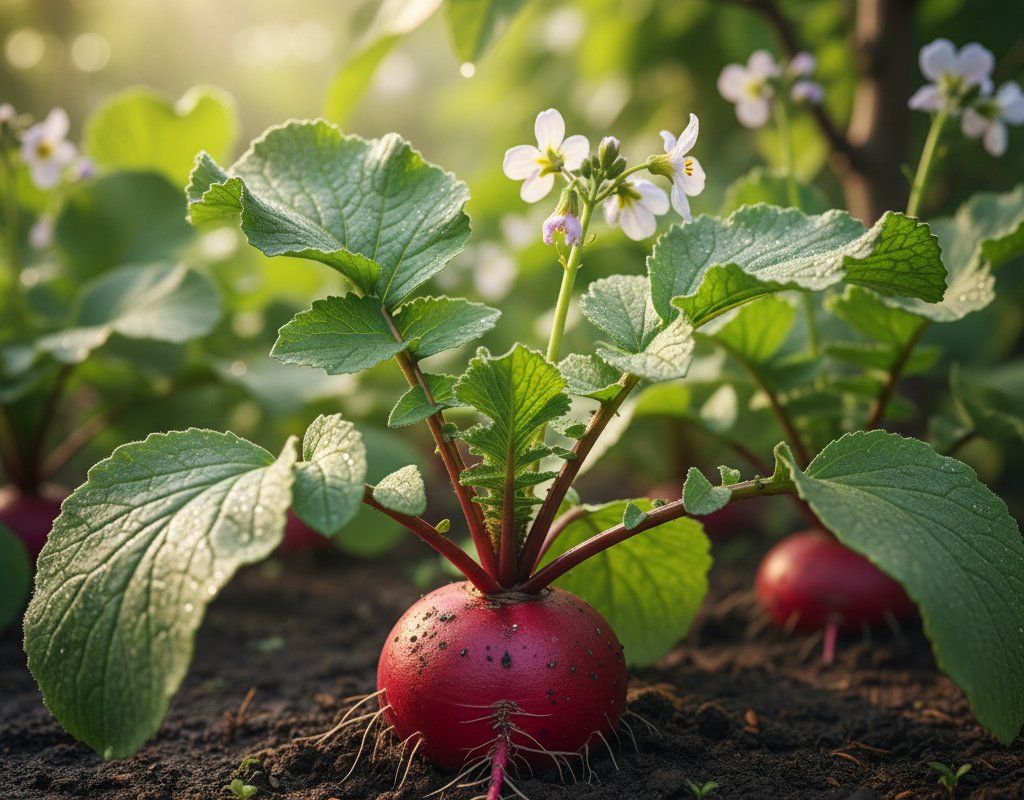
Companion planting can be a great way to help your Acorn Squash thrive in the Desert Southwest. Corn provides a natural trellis for the squash vines to climb, creating shade and improving air circulation. Green beans fix nitrogen in the soil, which benefits the squash. Radishes can deter pests like squash bugs and cucumber beetles.
Marigolds are also excellent companions, as they repel nematodes and other harmful insects. Avoid planting Acorn Squash near potatoes, as they compete for nutrients. Also avoid brassicas like broccoli or cabbage, as they attract similar pests and diseases. Choosing the right companions can help your Acorn Squash flourish in our challenging climate.
🌸Best Flowers to Plant with Acorn Squash
These flowers protect your Acorn Squash from pests and attract pollinators for better harvests.
For Pest Control

Get a Reminder When It's Time to Plant
We'll email you when key planting windows open for your zone.