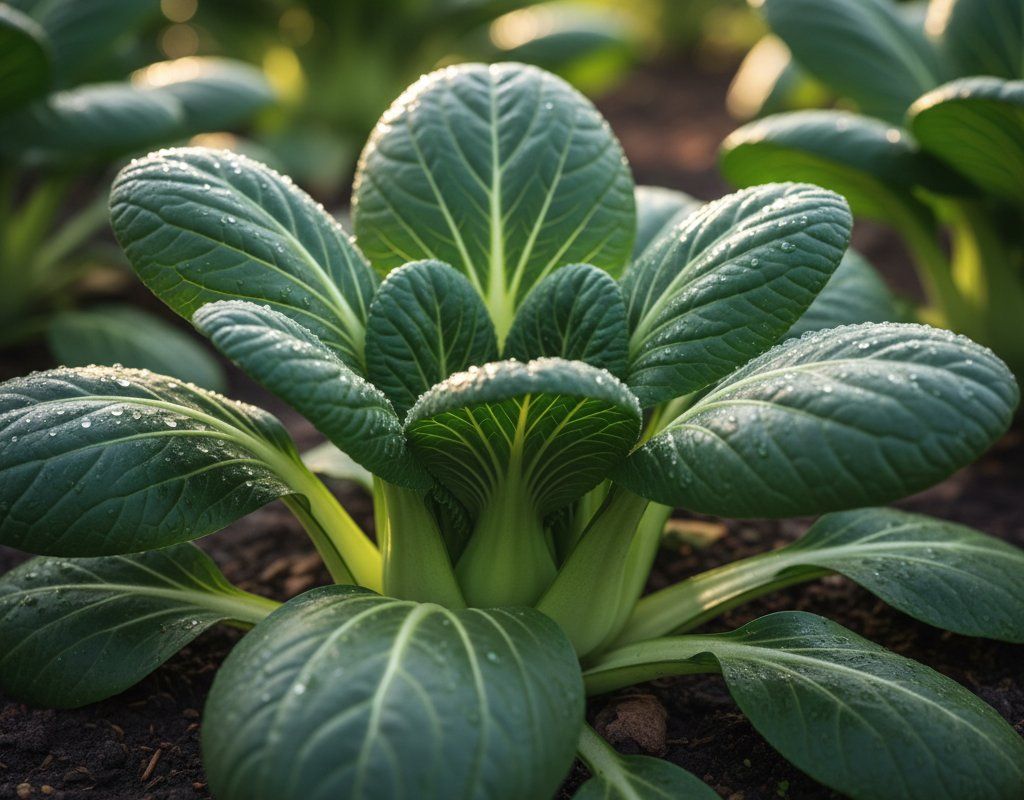
Bok Choy in Zone 6A — Pacific Northwest
Brassica rapa subsp. chinensis · Your Complete 2026 Planting Guide
Planning Ahead — Great!
You’re ahead of the season. Here’s when to start.
Mark Your Calendar
How to Plant Bok Choy in Zone 6A — Pacific Northwest
Here are all your options for getting bok choy in the ground, from the easiest method to more advanced approaches.
Direct Sow Seeds
RecommendedLate April through early August
around April 26
Consider succession planting every 2-3 weeks for continuous harvest.
Start Seeds Indoors
RecommendedEarly to late April
around April 12
Then transplant: Early May through late June
Start seeds 4-6 weeks before transplanting outdoors.
Buy Starts
Works WellEarly May through late June
around May 10
Plant purchased starts after last frost (May 10).
Transplant Outdoors
Timing InfoEarly May through late June
around May 10
Can tolerate light frost, but wait for soil to be workable.
You have a nice window — no need to rush.
Fall Planting
Early August through early September
August 24 ideal · Direct sow for fall harvest
Plant a second crop in mid-summer for fall harvest. Bok Choy actually prefers the cooling temperatures of fall.
Overview
Bok choy is a fantastic addition to any Pacific Northwest garden. Its mild flavor and crisp texture make it incredibly versatile in stir-fries, soups, and salads. Plus, it thrives in our mild summers and cool nights, developing a sweetness that rivals anything you'll find at the grocery store.
While we don't have the intense heat of other regions, our shorter growing season of 148 days and occasional cool, overcast spring days mean careful timing is key. But with a little planning, you can enjoy a continuous harvest of this delicious and nutritious leafy green from early summer well into fall.
Starting Seeds Indoors
Starting bok choy indoors isn't always necessary in our climate, but it can give you a head start, particularly if you're aiming for an early harvest. Sow seeds indoors from early to late April, about four weeks before you plan to transplant them outside. Use seed trays or small pots filled with a good quality seed-starting mix.
Keep the soil consistently moist, and consider bottom watering to avoid damping off. Place the trays in a warm location and provide supplemental light if you don't have a bright, sunny window. Keep in mind our springs can be slow to warm, so indoor starts help bridge the gap.
Transplanting Outdoors
Transplant your bok choy seedlings outdoors from early May through late June, once the soil has warmed up a bit. Before transplanting, harden off the seedlings by gradually exposing them to outdoor conditions for about a week. This helps them adjust to the cooler temperatures and stronger sunlight.
Space the plants 6-10 inches apart in well-drained soil. Be mindful of those late spring showers we often get; protect young transplants from slugs!
Direct Sowing
Direct sowing bok choy is a simple and effective method for PNW gardeners. Sow seeds directly into the garden from late April through early August. Choose a spot with well-drained soil and plenty of sunlight.
Prepare the soil by loosening it and adding compost. Sow seeds 1/4 inch deep and 6-10 inches apart. Thin seedlings as needed once they emerge. Direct sowing is especially useful for succession planting, allowing you to extend your harvest throughout the season.
Watering Bok Choy in Zone 6A (Pacific Northwest)
Bok choy needs consistent moisture to thrive, but overwatering can be just as detrimental, especially with our wet springs. Aim to keep the soil evenly moist, but not soggy. During the dry summer months, you'll need to water more frequently, possibly every other day, depending on rainfall.
Use the "finger test" to check soil moisture: stick your finger about 2 inches deep into the soil. If it feels dry, it's time to water. During the summer months, give your bok choy about 1 inch of water per week, either from rainfall or irrigation. Water at the base of the plants to avoid wetting the leaves, which can encourage fungal diseases in our sometimes humid conditions.
Signs of underwatering include wilting leaves and slow growth. Overwatering can lead to yellowing leaves and root rot. A layer of mulch around your bok choy plants can help retain soil moisture and suppress weeds.
🧪Fertilizing Bok Choy
Feeding Schedule
Organic Fertilizer Options
Harvest Time
You can expect your first harvest of bok choy from early June through mid October, depending on when you planted. Bok choy is ready to harvest about 45 days after sowing. You can harvest baby bok choy when it's 6-8 inches tall, or wait for the full-sized heads to reach 12-15 inches.
To harvest, cut the entire head off at the base, leaving about an inch of stem. This will often encourage the plant to produce smaller side shoots for a continuous harvest. As the first frost approaches in early October, harvest any remaining bok choy, as it won't tolerate hard freezes.
Common Problems in Zone 6A (Pacific Northwest)
What it looks like: Tiny round holes (shot-hole pattern) in leaves, especially on young seedlings. You might see small, dark beetles that jump when disturbed. What causes it: Flea beetles are most active in the spring, attacking vulnerable young plants. They thrive in dry conditions, so our dry summer months can exacerbate the problem. How to fix/prevent it: Use row covers to protect seedlings during their vulnerable stage. Delay planting until plants are larger and more resilient. Kaolin clay coating or neem oil spray can also help. Interplant with basil or catnip to deter them.
What it looks like: Smooth green caterpillars on the leaves, with irregular holes chewed in them. You might also see dark green droppings and white butterflies fluttering around your plants. What causes it: These are the larvae of cabbage butterflies. They can be a nuisance throughout the growing season, especially if you don't take preventative measures. How to fix/prevent it: Bt spray is very effective against cabbage worms. Floating row covers can prevent the butterflies from laying eggs on your plants. Handpick caterpillars whenever you see them. Interplant with aromatic herbs like thyme or sage to deter the butterflies.
What it looks like: Irregular holes in leaves, especially on low-growing plants. Look for silvery slime trails on the leaves and soil. Damage is often worse at night and in wet weather. What causes it: Slugs are a constant challenge in the PNW, especially during our wet springs and falls. They thrive in moist conditions and can quickly decimate your bok choy. How to fix/prevent it: Beer traps (shallow dishes of beer sunk into the soil) are effective at attracting and drowning slugs. Iron phosphate bait is a pet-safe option. Remove hiding spots like mulch, boards, and debris. Water in the morning so the soil surface dries by evening. Copper tape around beds and diatomaceous earth around plants can also help.
What it looks like: The plant sends up a flower stalk, and the leaves become tough and bitter. The harvest quality declines significantly. What causes it: Bok choy is a cool-season crop and will bolt (go to seed) when temperatures rise. Extended warm temperatures above 80°F can trigger bolting. How to fix/prevent it: Time your plantings for cool weather in spring and fall. Choose bolt-resistant varieties. Provide shade during warm spells with shade cloth. Mulch to keep the soil cool. Harvest your bok choy before bolting progresses too far.
Pacific Northwest Specific Challenges: Our mild summers mean we're less likely to see extreme heat that causes bolting compared to other regions. However, our dry-summer climate can stress plants if they're not watered consistently, making them more susceptible to bolting. Slug pressure is also a constant battle, particularly during our wet springs and falls, so preventative measures are crucial. Late blight is less of a concern for bok choy than for tomatoes and potatoes, but maintaining good air circulation can help prevent fungal issues.
Best Companions for Bok Choy
Plant these nearby for healthier Bok Choy and better harvests.




Keep Away From

Companion Planting Details
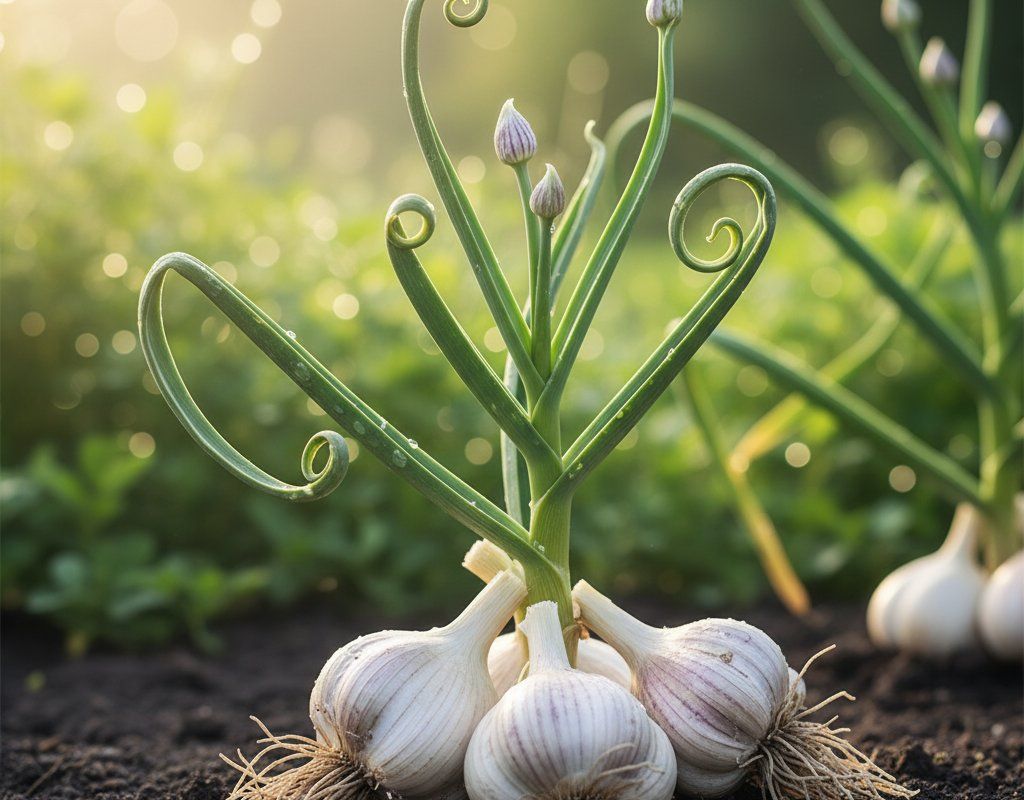
Good companions for bok choy include garlic and onions. These alliums help deter pests like aphids and cabbage moths. Beets are also a good choice, as they don't compete for the same nutrients and can help improve soil structure. Lettuce and spinach are compatible because they have similar growing requirements and can provide ground cover to suppress weeds.
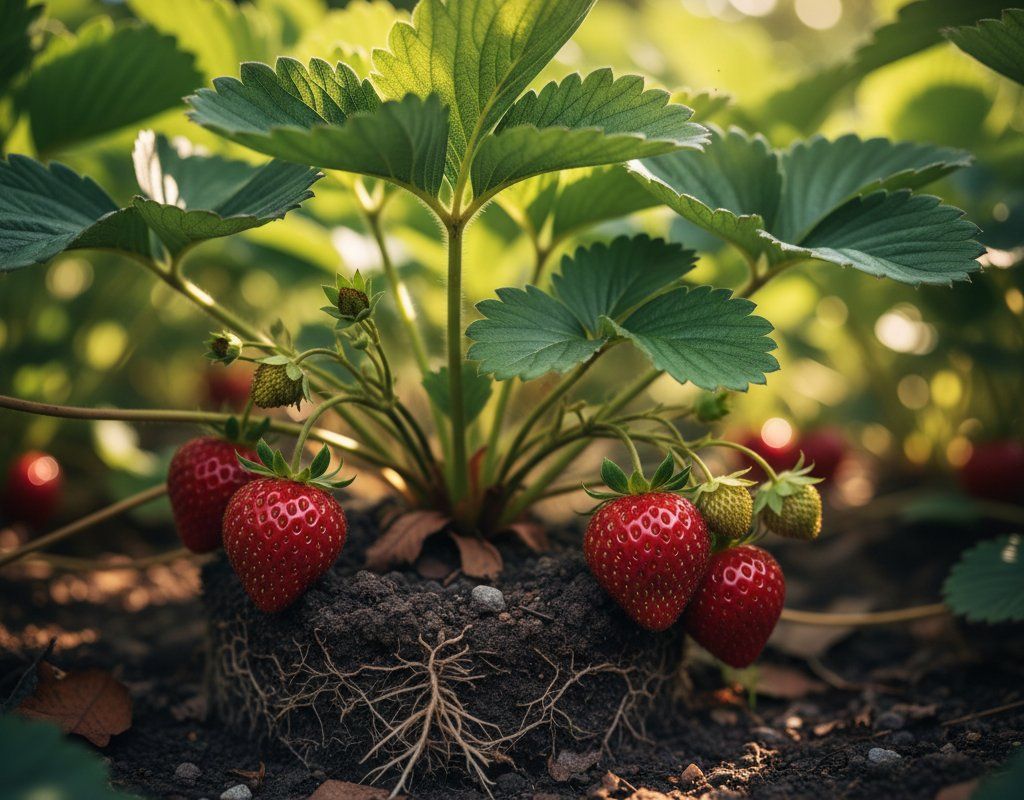
Avoid planting bok choy near strawberries, as they can attract slugs. Tomatoes are also not ideal companions, as they have different watering needs and can shade the bok choy, especially in our region where we want to maximize sun exposure.
🌸Best Flowers to Plant with Bok Choy
These flowers protect your Bok Choy from pests and attract pollinators for better harvests.


Get a Reminder When It's Time to Plant
We'll email you when key planting windows open for your zone.