
Strawberry in Zone 6A — Pacific Northwest
Fragaria × ananassa · Your Complete 2026 Planting Guide
Check Planting Details Below
See the full planting guide for timing information.
How to Plant Strawberry in Zone 6A — Pacific Northwest
Here are all your options for getting strawberry in the ground, from the easiest method to more advanced approaches.
Buy Starts
RecommendedLate April through mid May
around April 26
Plant purchased starts after last frost (May 10).
Buy bare-root plants or potted starts in spring. Growing from seed is slow and unreliable.
Start Seeds Indoors
ChallengingThis plant is typically not started indoors.
Direct Sow Seeds
ChallengingDirect sowing is not typical for Strawberry.
Transplant Outdoors
Timing InfoLate April through mid May
around April 26
Can tolerate light frost, but wait for soil to be workable.
Plan to transplant within a few weeks of your target date.
Overview
Strawberries are worth growing in the Pacific Northwest because of their incredible flavor. Store-bought berries just can't compare to the sweet, juicy taste of a freshly picked, sun-ripened strawberry from your own garden. Plus, they're incredibly versatile – perfect for jams, desserts, or just snacking straight from the plant. Our cool nights really bring out their sweetness.
While our mild summers are a blessing, they can present challenges for some warm-season crops. But with a little planning, you can successfully grow strawberries within our 148-day growing season. Getting them off to a good start is key.
Transplanting Outdoors
Transplant your strawberry starts outdoors from late April through mid May, after the last expected frost. Before planting, harden off your bare-root or potted starts by gradually exposing them to outdoor conditions for about a week. This helps them adjust to the cooler temperatures and stronger sunlight typical of our overcast spring days.
Space plants 12-18 inches apart to allow for their spreading growth habit. Keep an eye on the weather forecast; a late cold snap can still happen this time of year, so be prepared to cover your young plants if necessary.
Watering Strawberry in Zone 6A (Pacific Northwest)
Strawberries need consistent moisture, especially when they're fruiting, but they definitely don't like soggy feet. Aim for about 1 inch of water per week, either from rainfall or irrigation. Because our summers are dry, you'll likely need to supplement with watering.
The "finger test" is your friend: stick your finger about 2 inches into the soil near the base of the plant. If it feels dry, it's time to water. Water at the base of the plants rather than overhead to prevent fungal diseases, which can be a problem even with our dry summer months. Drip irrigation is ideal.
Signs of underwatering include wilting leaves and dry, hard soil. Overwatering can lead to yellowing leaves and root rot. Mulch heavily around your strawberry plants with straw or wood chips to help retain moisture and keep the soil cool. This is especially helpful during our mild summers.
Pruning & Maintaining Strawberry
Strawberry pruning is pretty minimal, but it makes a difference. Throughout the growing season, remove runners (the long stems that sprout new plantlets) if you want the mother plant to focus its energy on fruit production. However, if you want to expand your strawberry patch, you can let some runners root to create new plants.
For June-bearing varieties, renovate your beds after the harvest is done. This involves mowing or cutting back the foliage to about 1 inch above the crown. This encourages new growth and a better crop next year. As the first frost approaches in early October, you can add a layer of straw mulch to protect the crowns over the winter.
🧪Fertilizing Strawberry
Feeding Schedule
Organic Fertilizer Options
Harvest Time
You can expect your first strawberry harvest from late July through early September, about 90 days after transplanting. The best way to tell if a strawberry is ripe is by its color: it should be fully red with no white or green shoulders. Ripe berries will also be fragrant and slightly soft to the touch.
Harvest your strawberries in the morning, when they're at their coolest and sweetest. Gently twist or snip the berry from the plant, leaving the green cap (calyx) attached. Regular harvesting encourages continued production, so check your plants every few days.
As the first frost approaches in early October, harvest any remaining ripe or nearly ripe berries. Don't leave them on the plant to rot.
Common Problems in Zone 6A (Pacific Northwest)
Here are some common problems you might encounter growing strawberries in the Pacific Northwest:
Gray Mold
- What it looks like: Fuzzy gray mold on the berries, especially after wet weather.
- What causes it: A fungal disease that thrives in humid conditions and on damaged fruit.
- How to fix/prevent it: Ensure good air circulation by spacing plants properly. Remove any infected berries promptly. Avoid overhead watering.
Slugs
- What it looks like: Irregular holes in leaves, especially low-growing plants. Silvery slime trails on leaves and soil. Damage worse at night and in wet weather.
- What causes it: Gastropods that feed at night in moist conditions. Hide under mulch, boards, and debris during the day.
- How to fix/prevent it: Beer traps (shallow dish of beer sunk into soil). Iron phosphate bait (pet-safe). Remove hiding spots. Water in morning so soil surface dries by evening. Copper tape around beds. Diatomaceous earth around plants.
Birds
- What it looks like: Missing berries, pecked fruit, general signs of birds enjoying your harvest.
- What causes it: Birds love strawberries!
- How to fix/prevent it: Netting is the most effective solution. You can also try using bird-scaring devices like reflective tape or decoy owls.
Strawberry Crown Borer
- What it looks like: Wilting plants, stunted growth, small white grubs inside the crown of the plant.
- What causes it: A beetle larva that tunnels into the crown, weakening or killing the plant.
- How to fix/prevent it: Remove and destroy infested plants. Rotate crops. Encourage beneficial nematodes in the soil.
Verticillium Wilt
- What it looks like: Lower leaves yellow, wilt, and die, progressing upward. One side of plant may be affected first. Brown streaks in stem cross-section.
- What causes it: Soil-borne fungus that persists for years. Cooler soil temperatures favor it (unlike fusarium). Wide host range.
- How to fix/prevent it: No cure — remove infected plants. Rotate with non-susceptible crops (corn, grains). Solarize soil. Plant resistant varieties (look for 'V' on labels).
Pacific Northwest Specific Challenges: The combination of our mild summer heat and dry-summer rainfall can create conditions that favor fungal diseases like gray mold, so good air circulation and careful watering are essential. Slugs are always a concern in our damp climate, especially during the wet springs.
Best Companions for Strawberry
Plant these nearby for healthier Strawberry and better harvests.





Keep Away From



Companion Planting Details
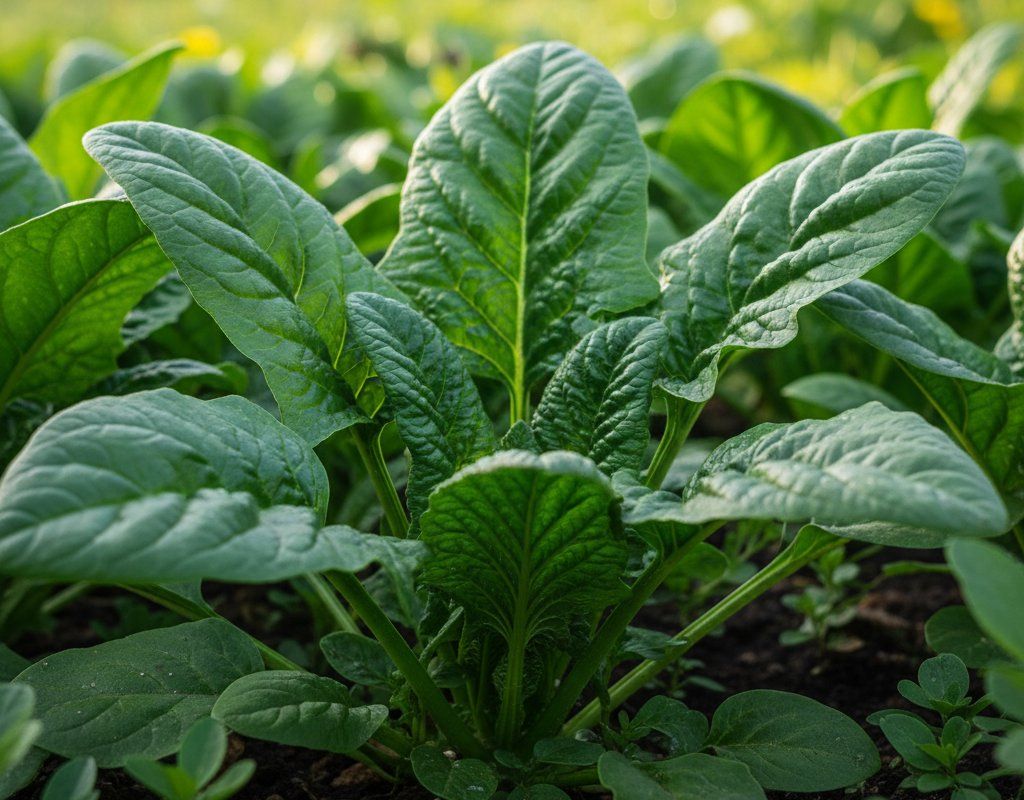
Good companion plants for strawberries in the Pacific Northwest include lettuce and spinach, which provide ground cover and help suppress weeds. Onions and garlic are also beneficial, as their strong scent can deter pests. Thyme is a good groundcover that attracts beneficial insects. Borage is a great companion because it attracts pollinators.
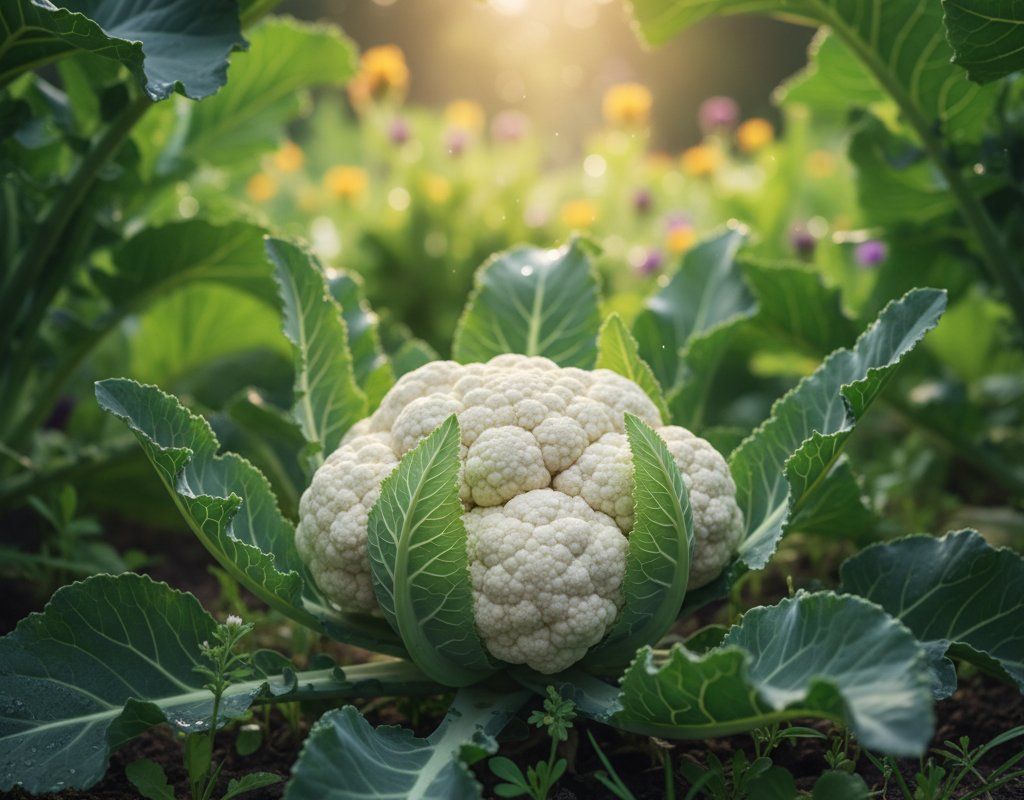
Avoid planting strawberries near broccoli, cauliflower, pepper, or tomatoes. These plants can compete for nutrients or harbor diseases that affect strawberries. Plus, they prefer warmer conditions than our mild summers always provide.
🌸Best Flowers to Plant with Strawberry
These flowers protect your Strawberry from pests and attract pollinators for better harvests.

Get a Reminder When It's Time to Plant
We'll email you when key planting windows open for your zone.