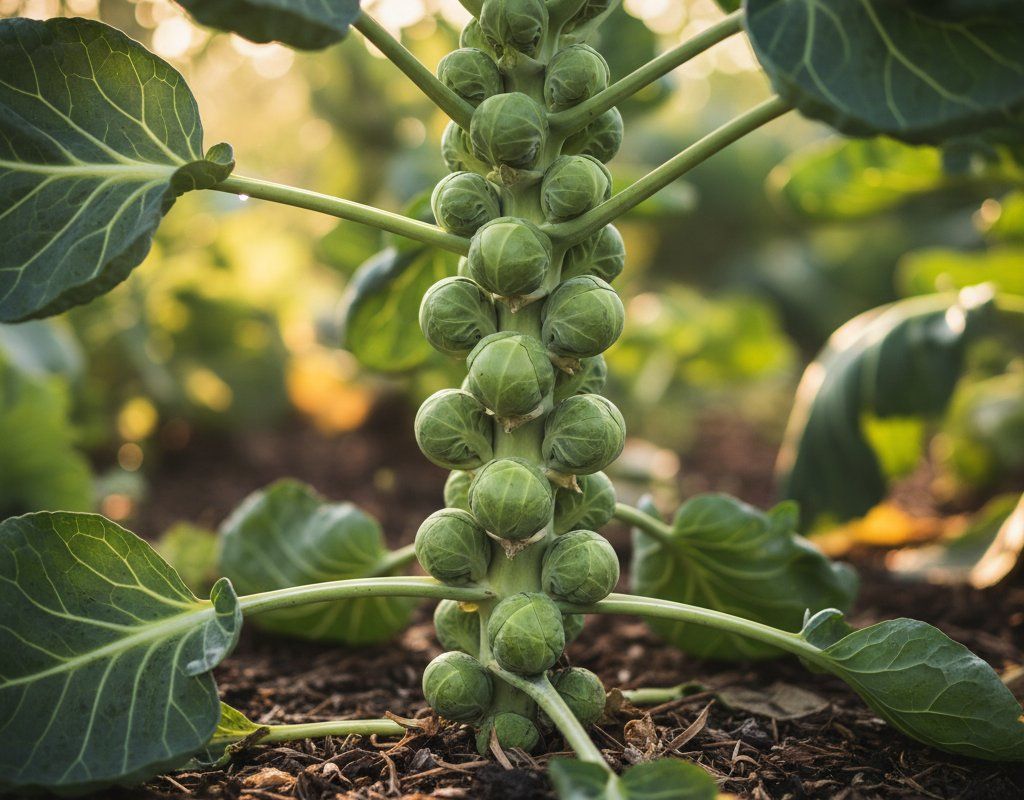
Brussels Sprouts in Zone 4B — Mountain West
Brassica oleracea var. gemmifera · Your Complete 2026 Planting Guide
Planning Ahead — Great!
You’re ahead of the season. Here’s when to start.
Mark Your Calendar
How to Plant Brussels Sprouts in Zone 4B — Mountain West
Here are all your options for getting brussels sprouts in the ground, from the easiest method to more advanced approaches.
Start Seeds Indoors
RecommendedLate March through mid April
around April 3
Then transplant: Mid May through early June
Start seeds 6-8 weeks before transplanting outdoors.
Very long season (90+ days). Must start early or plant for fall harvest.
Buy Starts
Works WellMid May through early June
around May 15
Plant purchased starts after last frost (May 15).
Direct Sow Seeds
ChallengingDirect sowing is not typical for Brussels Sprouts.
Transplant Outdoors
Timing InfoMid May through early June
around May 15
Can tolerate light frost, but wait for soil to be workable.
Plan to transplant within a few weeks of your target date.
Fall Planting
Late June through mid July
July 5 ideal · Transplant for fall harvest
Plant a second crop in mid-summer for fall harvest. Brussels Sprouts actually prefers the cooling temperatures of fall.
Overview
Brussels sprouts, with their nutty flavor that sweetens after a touch of frost, are a rewarding challenge for the Mountain West gardener. The satisfaction of roasting homegrown sprouts, knowing they’ve thrived in our intense sun and cool nights, is hard to beat. Plus, they’re incredibly versatile in the kitchen.
Our high altitude, short season, and alkaline soil present unique hurdles, but with careful timing, you can absolutely grow Brussels sprouts here. With a 128-day growing season, starting indoors is key to enjoying a fall harvest of these delicious mini-cabbages.
Starting Seeds Indoors
Starting your Brussels sprouts indoors from late March through mid April gives them a head start against our short growing season. You have about a 3-week window, but anytime within this range works well. Use seed trays or small pots filled with a good seed-starting mix.
Keep the soil consistently moist – bottom watering is a great way to prevent damping off – and provide plenty of light. A sunny south-facing window might work, but grow lights are even better to ensure strong, stocky seedlings. Remember our spring weather can be unpredictable; starting indoors protects them from late frosts.
Transplanting Outdoors
Transplant your Brussels sprouts outdoors from mid May through early June, once the danger of hard frost has passed. Before planting them directly in your garden, harden off the seedlings by gradually exposing them to outdoor conditions for about a week. This helps them adjust to the intense sun and cooler nights.
Space your plants 18-24 inches apart in rows. Our dry air means good spacing also promotes airflow and can help prevent fungal issues. Be prepared for possible late-season hail – something we're all too familiar with – by having row covers ready to protect your young transplants.
Watering Brussels Sprouts in Zone 4B (Mountain West)
Brussels sprouts need consistent moisture to form tight, flavorful sprouts. In our dry Mountain climate, that means paying close attention to your watering schedule. In general, water deeply about 1-2 inches per week, depending on rainfall.
Use the finger test – stick your finger about 2 inches into the soil. If it feels dry, it's time to water. During the hottest part of the summer, you might need to water more frequently. Water at the base of the plants to avoid wetting the foliage, as this can encourage fungal diseases in our low-humidity environment.
Signs of underwatering include wilting and loose sprouts. Overwatering can lead to yellowing leaves and root rot. Mulching around your plants with straw or wood chips helps retain moisture and regulate soil temperature, which is especially helpful during our hot days and cool nights.
Supporting Your Brussels Sprouts
Brussels sprouts can get tall and top-heavy, especially when those sprouts start forming. A strong wind can easily topple them, so providing support is a good idea. Staking is the most effective method.
Insert sturdy stakes near each plant when they reach about 2 feet tall. Use soft twine or plant ties to gently secure the stalks to the stakes. This prevents the plants from bending or breaking under the weight of the sprouts or during our occasional summer storms.
Pruning & Maintaining Brussels Sprouts
Brussels sprouts benefit from minimal pruning. As the sprouts develop from the bottom up, remove the yellowing or damaged lower leaves. This improves airflow and allows the plant to focus its energy on sprout production.
About 3-4 weeks before your anticipated harvest, top the plant by cutting off the growing tip. This directs the plant's energy into maturing the sprouts. With our short season, this can make a real difference in sprout size.
🧪Fertilizing Brussels Sprouts
Feeding Schedule
Organic Fertilizer Options
Harvest Time
You can expect your first harvest of Brussels sprouts from mid August through late September. The sprouts are ready when they are firm, tight, and about 1-2 inches in diameter. Harvest from the bottom of the stalk upwards, twisting or cutting each sprout off.
The flavor of Brussels sprouts improves dramatically after a frost, so don't be afraid to leave them in the garden as long as possible. Even after a light freeze, they'll just get sweeter. As our first frost approaches around mid- September, you can harvest the entire stalk and store it in a cool, dry place.
Common Problems in Zone 4B (Mountain West)
Here are some common problems you might encounter with Brussels sprouts in the Mountain West:
Aphids *What it looks like:* Clusters of tiny green, black, or white bugs on stems and undersides of leaves. Sticky honeydew residue and curled or distorted new growth. *What causes it:* Rapidly reproducing sap-sucking insects. Populations explode during warm stretches. *How to fix/prevent it:* Strong sprays of water to knock them off. Encourage ladybugs and lacewings. Insecticidal soap for heavy infestations. Avoid excess nitrogen fertilizer.
Cabbage Worms *What it looks like:* Smooth green caterpillars chewing holes in leaves. Dark green droppings. White butterflies fluttering around. *What causes it:* Larvae of white cabbage butterflies. Multiple generations can hatch during warmer months. *How to fix/prevent it:* Bt spray is very effective. Floating row covers prevent butterflies from laying eggs. Handpick caterpillars.
Loose Sprouts from Heat *What it looks like:* Sprouts that don't form tightly, remaining loose and leafy instead of compact. Often bitter tasting. *What causes it:* High temperatures during sprout formation. Brussels sprouts prefer cool weather. *How to fix/prevent it:* Plant early enough to allow sprouts to mature before the hottest part of summer. Provide afternoon shade if possible. Ensure consistent watering.
Clubroot *What it looks like:* Stunted growth, wilting, yellowing leaves. Swollen, distorted roots. *What causes it:* Soil-borne pathogen that persists for years. Favors acidic, wet soil. *How to fix/prevent it:* Raise soil pH to 7.0-7.2 with lime. Improve drainage. Rotate brassicas on a 7-year cycle. Remove and destroy infected plants.
Mountain West Specific Challenges: Our intense sun can stress plants, making them more susceptible to pests. The alkaline soil needs amending with compost to improve nutrient availability. And while our low humidity helps prevent some diseases, consistent watering is critical to combat the dry air.
Best Companions for Brussels Sprouts
Plant these nearby for healthier Brussels Sprouts and better harvests.


Keep Away From


Companion Planting Details
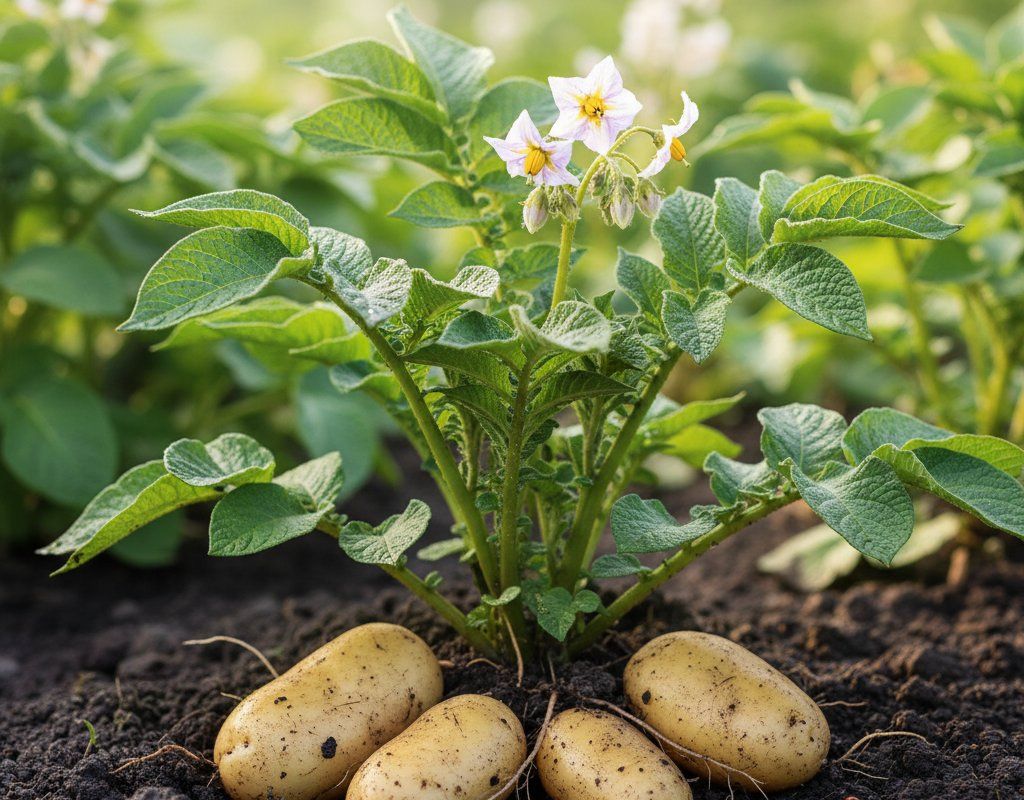
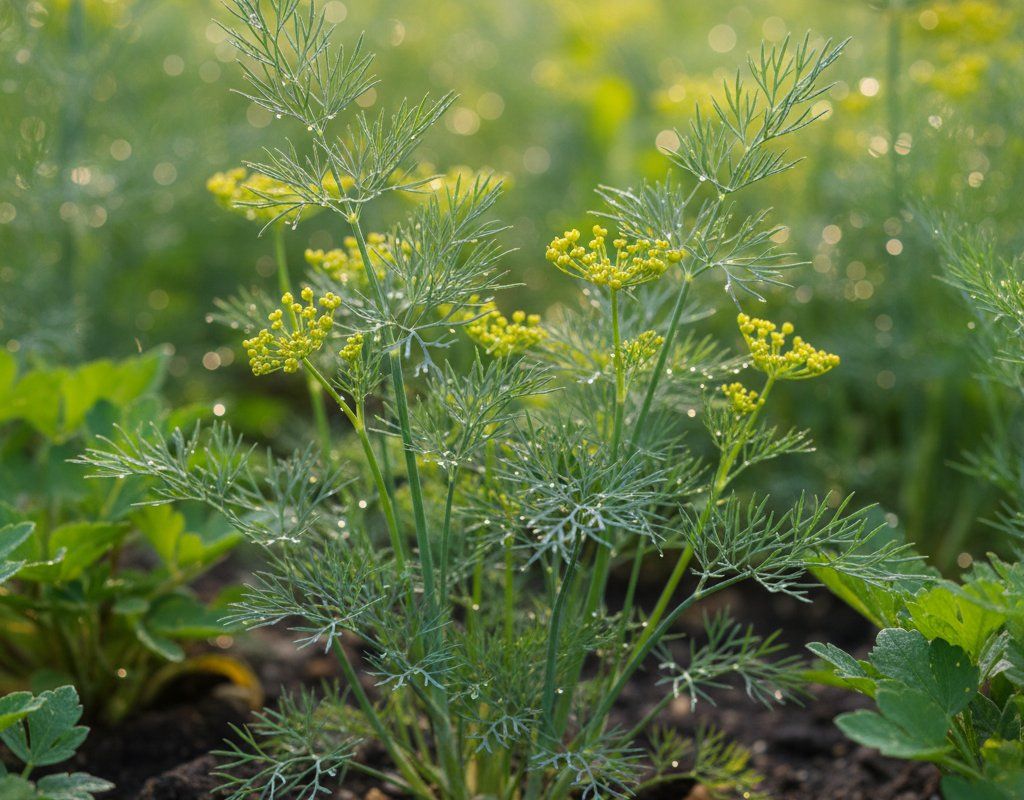
Companion planting can give your Brussels sprouts a boost. Green beans fix nitrogen in the soil, benefiting the sprouts. Celery deters cabbage white butterflies. Onions and dill repel aphids. Potatoes can help break up the soil, improving drainage.
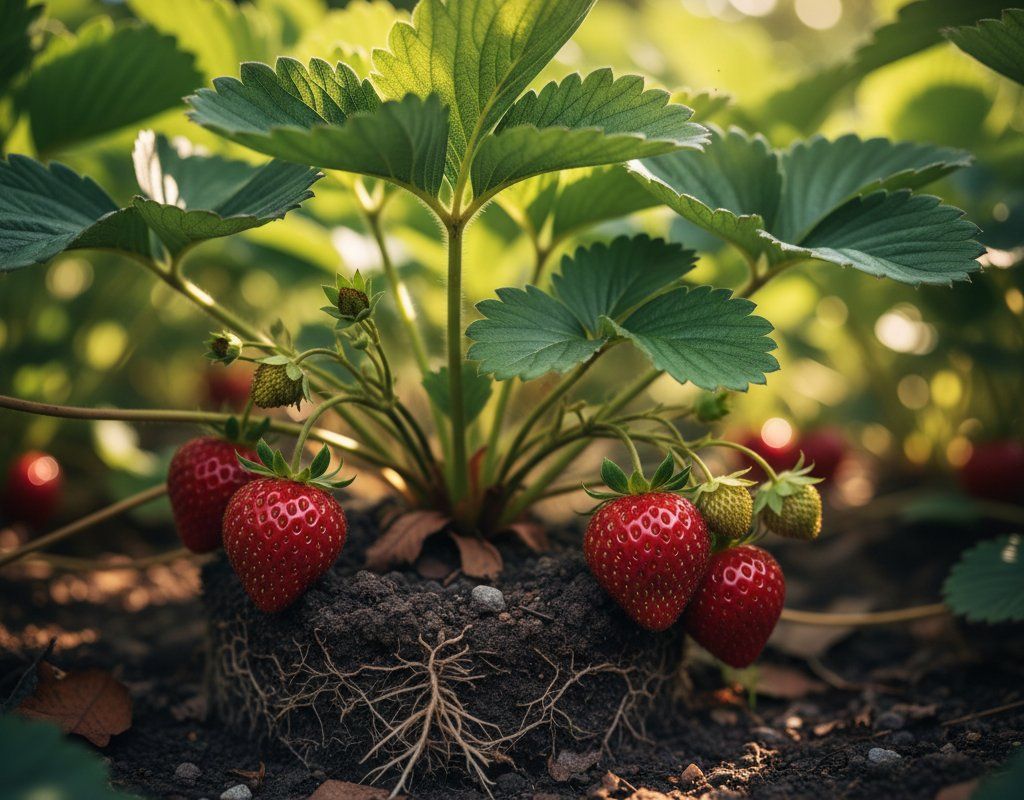
Avoid planting Brussels sprouts near tomatoes, strawberries, or peppers. Tomatoes and strawberries compete for nutrients, while peppers can attract similar pests.
🌸Best Flowers to Plant with Brussels Sprouts
These flowers protect your Brussels Sprouts from pests and attract pollinators for better harvests.
For Pest Control




Get a Reminder When It's Time to Plant
We'll email you when key planting windows open for your zone.