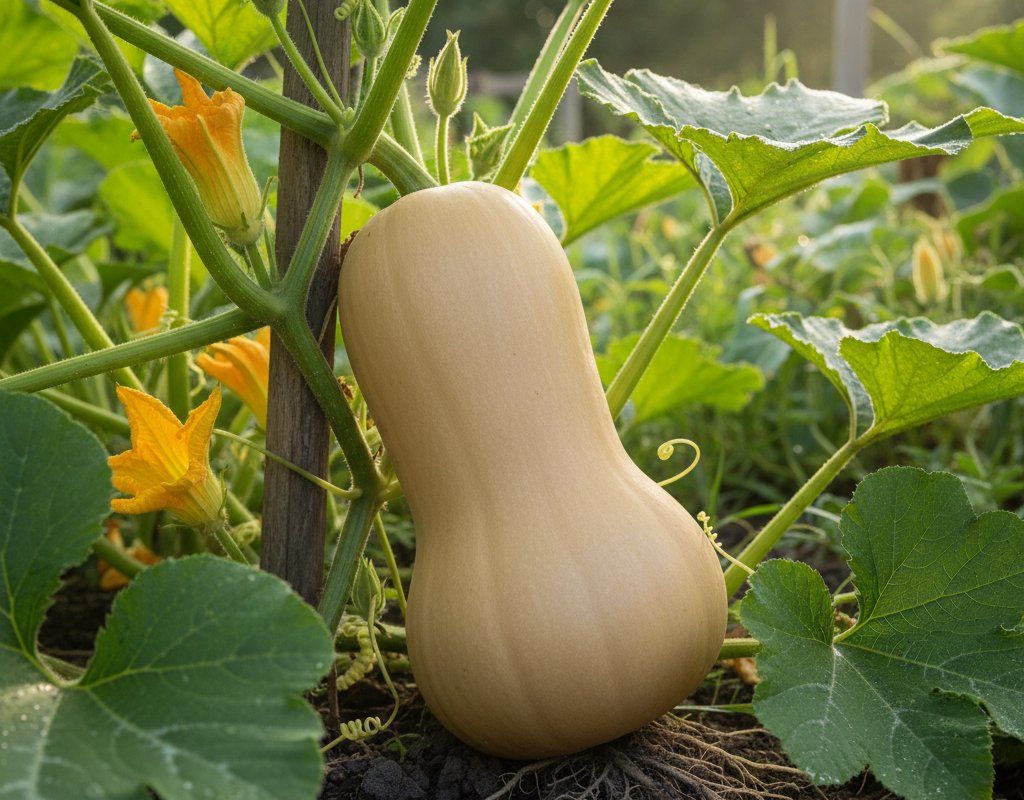
Butternut Squash in Zone 10B — Florida
Cucurbita moschata · Your Complete 2026 Planting Guide
Still Time to Sow!
The sowing window is still open for Butternut Squash.
Sow Seeds Soon
Long season crop but direct sowing works. Start indoors in short-season zones.
How to Plant Butternut Squash in Zone 10B — Florida
Here are all your options for getting butternut squash in the ground, from the easiest method to more advanced approaches.
Direct Sow Seeds
RecommendedMid January through early September
around January 12
Consider succession planting every 2-3 weeks for continuous harvest.
Long season crop but direct sowing works. Start indoors in short-season zones.
Buy Starts
Works WellMid January through early February
around January 19
Plant purchased starts after last frost (January 5).
Start Seeds Indoors
Works WellLate December through mid January
around December 29
Then transplant: Mid January through early February
Start seeds 3-5 weeks before transplanting outdoors.
Transplant Outdoors
Timing InfoMid January through early February
around January 19
Wait until nighttime temperatures stay above 50°F.
Plan to transplant within a few weeks of your target date.
Overview
Butternut squash is a fantastic addition to your Florida garden. Its sweet, nutty flavor makes it incredibly versatile in the kitchen, and there's a real satisfaction in harvesting your own winter squash when the weather cools down just a bit. Plus, they store well, giving you a taste of your garden throughout the late fall and early winter.
Yes, we face challenges like humidity and pests here in Florida, but by planting at the right time, you can absolutely grow beautiful butternut squash. Our 360-day growing season gives us plenty of opportunity to get it done, especially if you focus on getting your squash established during our slightly drier and cooler periods.
Starting Seeds Indoors
Starting butternut squash indoors isn't usually necessary in our Zone 10B climate, but it can be a good idea if you want a head start or if you're trying to squeeze in an extra crop. Start your seeds indoors from late December through mid January, giving them about 3 weeks before transplanting. Use seed trays with a good seed-starting mix, and keep them warm and well-lit.
Bottom watering is key to prevent damping off. Since our springs are reversed, you're essentially starting a fall crop indoors, so keep an eye on the weather and be ready to adjust your plans if a warm spell hits.
Transplanting Outdoors
Transplant your butternut squash seedlings outdoors from mid January through early February. Before transplanting, harden them off by gradually exposing them to outdoor conditions for about a week. This helps them adjust to the sun and wind.
Space the plants 36-60 inches apart to allow for their vining growth habit. Keep an eye on the weather forecast; while we don't get hard freezes, a sudden cool snap can still stress young transplants.
Direct Sowing
Direct sowing is the recommended method for growing butternut squash in Florida. Sow seeds directly into the garden from mid January through early September. Butternut squash needs warm soil to germinate, so wait until the soil temperature is consistently above 60°F.
Prepare your soil by amending it with plenty of compost to improve drainage and fertility. Plant seeds 1 inch deep and space them 36-60 inches apart. Even though it's a long-season crop, direct sowing works well here because of our extended growing season.
Watering Butternut Squash in Zone 10B (Florida)
Butternut squash needs consistent watering, especially when those vines are growing and the fruit is developing. During the hotter months and periods of low rainfall, give your plants a deep watering, aiming for about 1-2 inches of water per week. Stick your finger about 2 inches into the soil; if it feels dry, it's time to water.
In Florida's humid climate, it's best to water at the base of the plants to avoid wetting the foliage, which can encourage fungal diseases. Overhead watering isn't the best idea here. As the fruits mature, you can reduce watering slightly to improve their storage quality.
Pay attention to your plants. Wilting leaves in the morning, even after a good watering the day before, can be a sign of underwatering. Yellowing leaves, especially lower ones, can indicate overwatering. A good layer of mulch can help retain moisture in the soil and suppress weeds, too.
🧪Fertilizing Butternut Squash
Feeding Schedule
Organic Fertilizer Options
Harvest Time
You can expect your first butternut squash harvest from late April through late December, depending on when you planted. The best way to tell if a butternut squash is ripe is by looking at the skin: it should be a uniform tan color with no green streaks remaining. The shell should be hard, and the stem should be dry and corky.
When harvesting, use a sharp knife to cut the squash from the vine, leaving about 2 inches of stem attached. This helps prevent rot. Don't try to pull it off. Butternut squash doesn't ripen off the vine, so make sure it's ready before you harvest.
As our first frost approaches in late December, harvest any remaining squash, even if they aren't fully mature. While they won't store as long, you can still use them in cooking. Curing the squash for about two weeks in a warm, dry place after harvest will improve their flavor and storage life.
Common Problems in Zone 10B (Florida)
Here are some common problems you might encounter growing butternut squash in Florida:
Squash Vine Borer
- What it looks like: Wilting vines that suddenly collapse, often with small holes near the base of the stem and sawdust-like frass nearby.
- What causes it: Larvae of a moth that bore into the stems and feed on the inside.
- How to fix/prevent it: Wrap the base of the stems with foil or netting to prevent moths from laying eggs. Inspect stems regularly and remove any borers you find. You can also try injecting Bacillus thuringiensis (Bt) into the stems.
Powdery Mildew
- What it looks like: White or grayish powdery coating on leaves, stems, and sometimes fruit. Leaves curl, yellow, and die. Reduces plant vigor.
- What causes it: Various fungi that thrive in warm days, cool nights, and moderate humidity. Dry leaf surfaces actually favor it (unlike most fungi).
- How to fix/prevent it: Improve air circulation through spacing and pruning. Remove affected leaves. Neem oil or potassium bicarbonate sprays help. Milk spray (1 part milk to 9 parts water) is surprisingly effective. Plant resistant varieties.
Squash Bugs
- What it looks like: Gray-brown shield-shaped bugs on leaf undersides. Bronze egg clusters on leaves. Wilting leaves that turn brown and crispy.
- What causes it: Sap-sucking insects that inject toxin while feeding. Adults overwinter in garden debris and emerge in spring.
- How to fix/prevent it: Hand-pick adults and crush egg clusters. Board traps (adults hide under boards at night — flip and destroy in morning). Neem oil spray. Remove plant debris in fall. Companion plant with nasturtiums.
Poor Pollination
- What it looks like: Fruit is small, misshapen, or fails to develop. Partially pollinated fruit develops unevenly. Flowers bloom but fall off.
- What causes it: Insufficient pollinator visits, weather too hot or cold for pollination, or timing issues (male/female flowers don't overlap).
- How to fix/prevent it: Plant pollinator-attracting flowers nearby. Hand-pollinate with a small brush. Avoid pesticides during flowering. Plant in blocks (for corn). Provide water source for pollinators.
Florida Specific Challenges: The extreme humidity and wet-summer rainfall in Florida create ideal conditions for fungal diseases like powdery mildew. Nematodes in our sandy soil can also weaken plants, making them more susceptible to pests and diseases. Choosing nematode-resistant varieties and practicing good soil health will help combat these issues.
Best Companions for Butternut Squash
Plant these nearby for healthier Butternut Squash and better harvests.

Keep Away From
Companion Planting Details
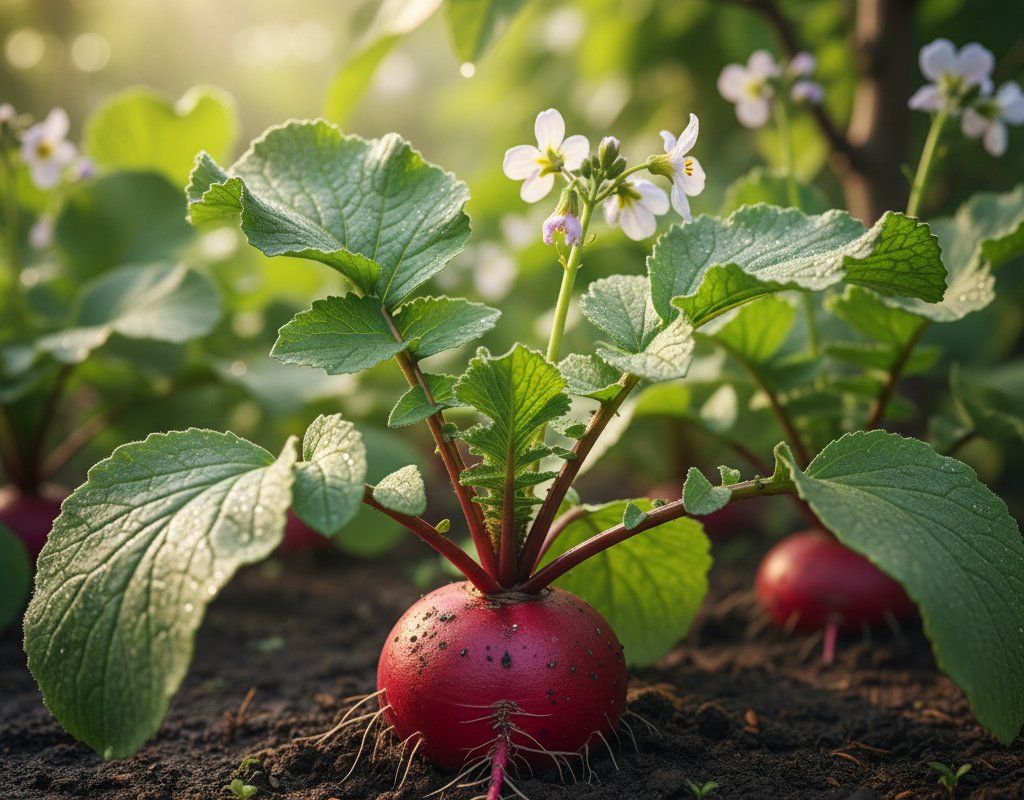
Companion planting can be a great way to improve the health and yield of your butternut squash. Corn provides a natural trellis for the squash vines to climb, while beans-green fix nitrogen in the soil, benefiting the squash. Radishes can help deter squash vine borers, and marigolds and nasturtiums attract beneficial insects that prey on squash bugs.
Avoid planting butternut squash near potatoes, as they compete for the same nutrients in the soil. It's also best to keep them away from brassicas like cabbage and broccoli, as they can attract similar pests. These companions can help you maximize your harvest in our unique Florida growing environment.
🌸Best Flowers to Plant with Butternut Squash
These flowers protect your Butternut Squash from pests and attract pollinators for better harvests.
For Pest Control

Get a Reminder When It's Time to Plant
We'll email you when key planting windows open for your zone.